How Proper Seat Height Transforms Cycling Comfort And Reduces Pain For Everyday Riders
Seat height can make or break a ride. Set it wrong, and knees, hips and back start to protest. Set it right, and cycling feels smoother, lighter and far more comfortable.
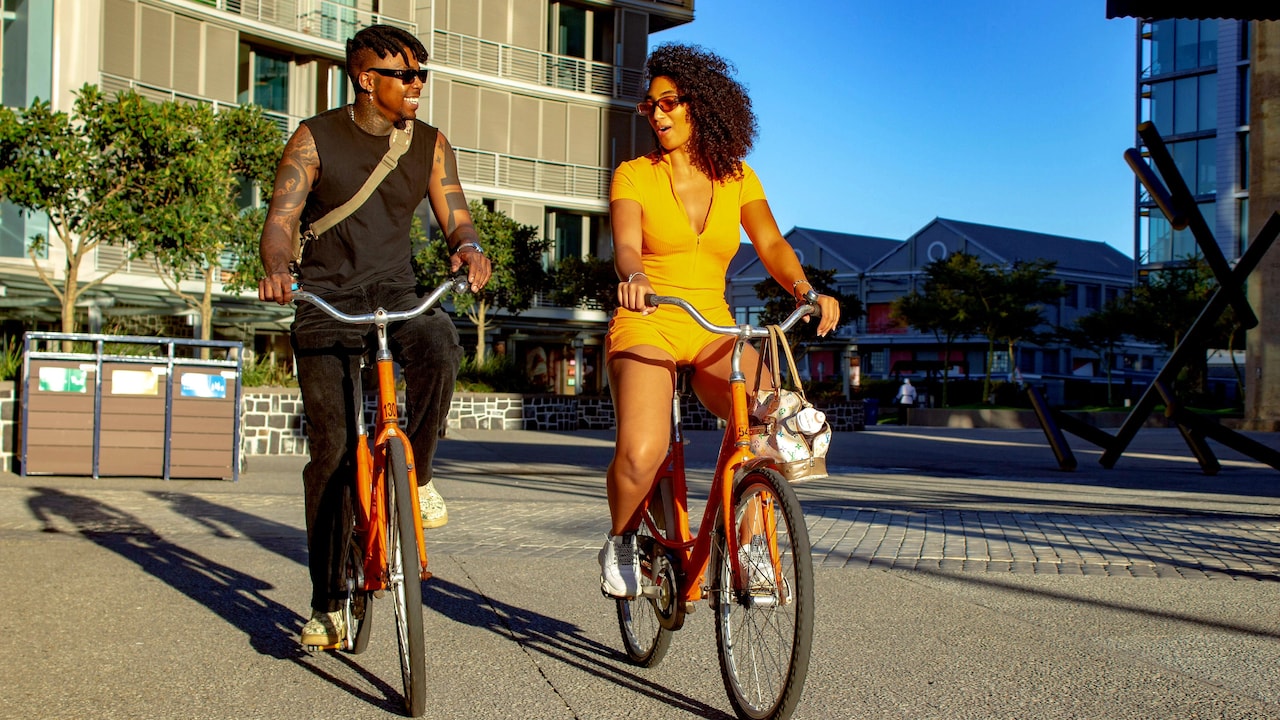
Why Seat Height Can Make Cycling Painful Or Surprisingly Comfortable
Most riders blame the pain on the cycle first. The seat feels hard. The road feels rough. The traffic feels rude. The flyover climbs too long, the potholes arrive too suddenly, and the everyday backpack pulls like a small sack of potatoes. All of that may matter, but one humble setting often causes more trouble than people expect: seat height. A cycle saddle does not need royal treatment, but it needs respect. Set it too low, and the legs work like they are climbing endless stairs. Push it too high, and the hips rock from side to side, as if the rider has joined a dance class by mistake. Somewhere between those extremes lies that sweet, almost magical spot where pedalling feels round, knees stay calm, and the body stops arguing with the bicycle.
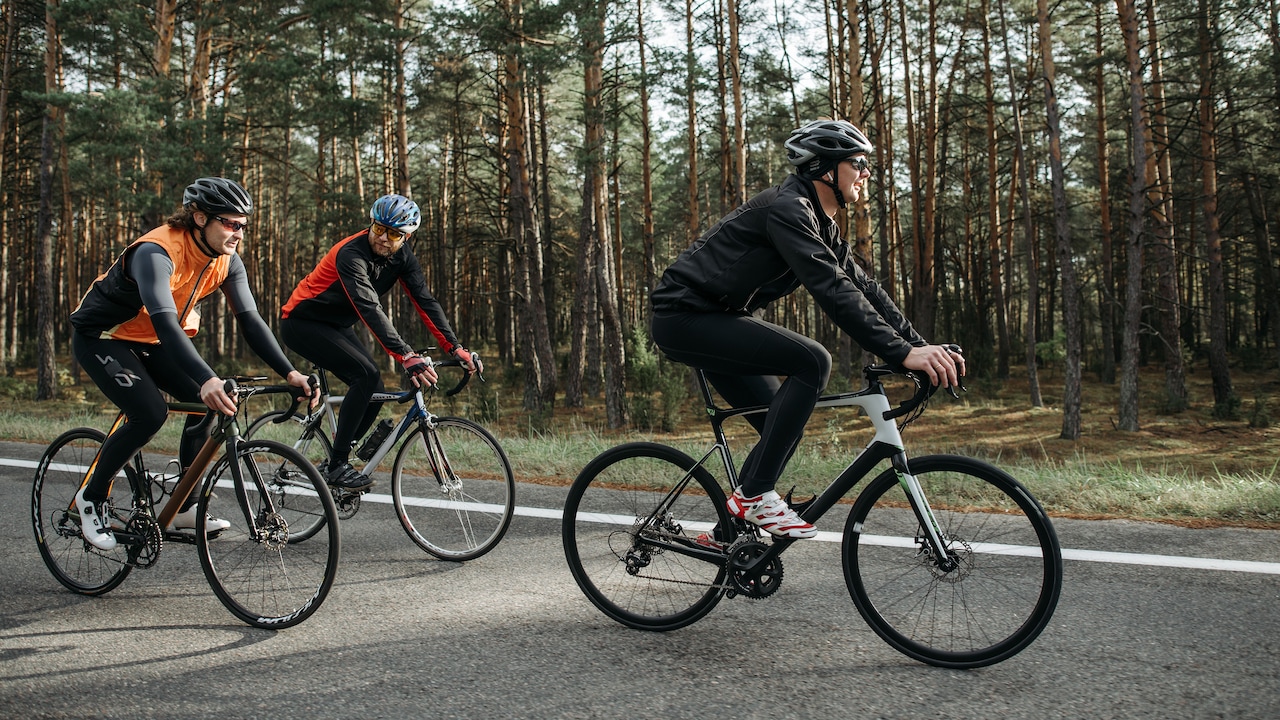
Why Seat Height Can Make Cycling Painful Or Surprisingly Comfortable; Photo Credit: Pexels
This matters for everyone, not only for racers in tight jerseys. Office-goers using a cycle for short errands, students riding to tuition, delivery riders covering crowded lanes, parents dusting off an old Hero or BSA at home, and weekend explorers chasing sunrise roads all face the same truth. Comfort begins with fit. Seat height may look ordinary, but it can turn cycling from a painful chore into a surprisingly pleasant habit.
How Seat Height Changes The Way Your Body Feels On A Cycle
The Millimetres That Decide The Mood Of A Ride
Seat height works in small numbers but creates big feelings. A saddle raised or lowered by even one centimetre can change how the knees bend, how the hips move and how much effort each pedal stroke demands. That sounds dramatic until a rider feels the difference. One setting makes the legs feel trapped. Another makes them stretch too far. Then, suddenly, the right height arrives, and the cycle feels less like metal and more like a partner.
Think of a crowded morning lane in Pune. Autos edge in, scooters buzz past, and a vegetable cart chooses the exact wrong moment to turn. In that chaos, the rider needs smooth movement, not a wrestling match with the pedals. A poor saddle height steals attention. The body keeps adjusting, the shoulders tighten, and the ride turns irritating. A better height allows the legs to move naturally, so the rider can focus on the road, the traffic and that one uncle who crosses without looking.
Also Read: Cycling For Fitness: The Benefits Of Incorporating Biking Into Your Routine
Why A Low Saddle Punishes The Knees
A saddle that sits too low forces the knees to bend more than they should. At first, this may feel safe because the feet can touch the ground easily. Many new riders prefer that feeling, especially in busy markets or near school gates. The problem starts once the pedals begin turning. With every stroke, the knees fold deeply and push hard from a cramped position. After a few kilometres, the front of the knee may start to complain.
This pain often appears during climbs, flyovers or slow rides against the wind. The rider presses harder, but the legs cannot open fully, so the knee joint takes extra stress. It feels like doing half-squats from Nehru Place to home, which no one has asked for and no one deserves. A slightly higher saddle can reduce that trapped feeling. The aim does not involve locking the leg straight. It simply allows the knee to keep a gentle bend at the bottom of the pedal stroke.
Why A High Saddle Creates A Different Kind Of Trouble
Too high can feel efficient for a few minutes. The rider may think, “Longer leg stretch, more power.” The body soon reveals the flaw. When the saddle rises beyond comfort, the foot has to reach for the pedal at the bottom of each stroke. The hips begin to rock. The lower back tightens. The toes point down like a dancer trying to finish a performance at a traffic signal.
This overreaching creates a chain reaction. The pelvis shifts from side to side, the spine works harder, and the hands press into the handlebar for support. On rough roads, the discomfort grows faster. A speed breaker outside a housing society can feel like personal betrayal. Some riders also feel pain behind the knee because the leg stretches too much. The right height lets the heel drop naturally, and the knee keeps a soft bend. Cycling should feel like a steady rhythm, not a daily audition for a circus balancing act.
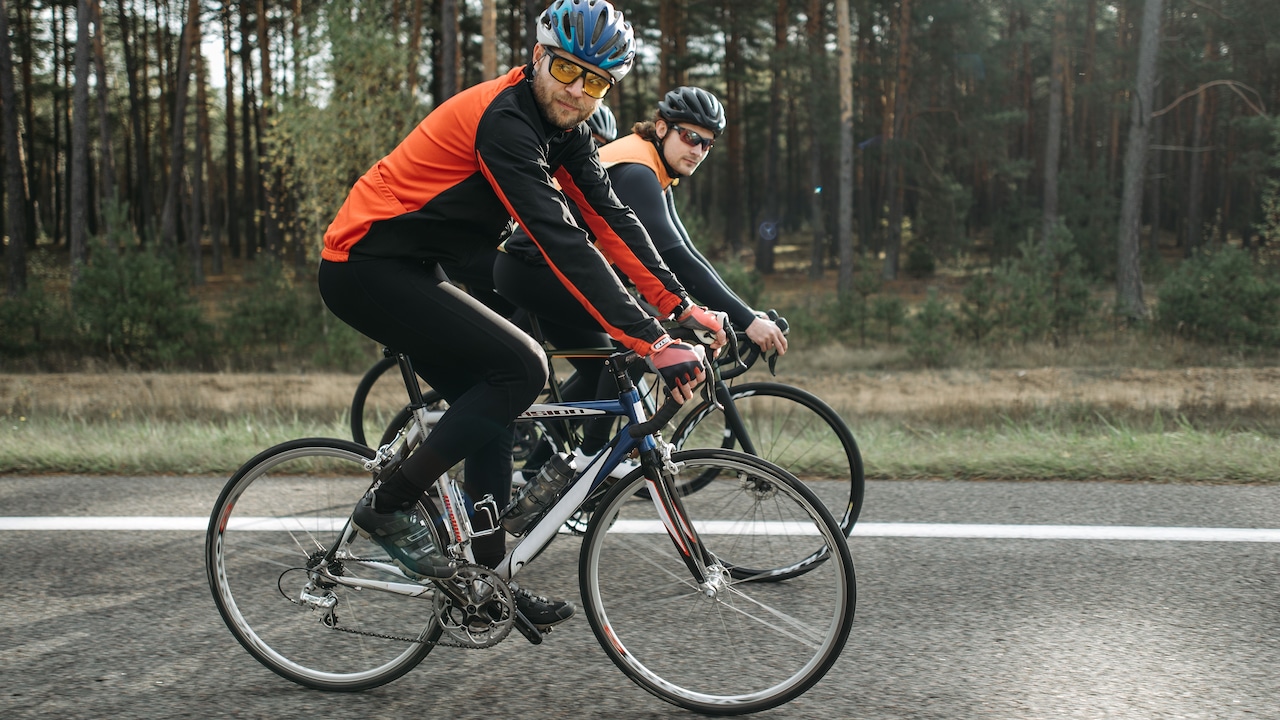
Why Seat Height Can Make Cycling Painful Or Surprisingly Comfortable; Photo Credit: Pexels
The Simple Heel Test That Helps At Home
A rider does not need a fancy studio, laser tools or a ₹5,000 fitting session to start improving comfort. The simple heel test gives a useful first setting at home. Place the cycle against a wall, sit on the saddle, and put one heel on the pedal. Move that pedal to the lowest point. The leg should become almost straight without the hips tilting. Once the rider places the ball of the foot on the pedal, the knee should naturally keep a slight bend.
This method may not suit everybody perfectly, but it gives a strong starting point. It also helps riders avoid the two common extremes: sitting so low that the knees fold too much, or sitting so high that the hips sway like a pendulum. After the test, a short ride around the lane tells the real story. Comfort often speaks quickly. Smooth pedalling, quiet knees and stable hips usually mean the saddle has moved closer to the right place.
Foot Position Also Changes The Feeling
Seat height and foot position behave like old friends; one affects the other. Many casual riders place the middle of the foot on the pedal. Others push with the toes, especially when hurrying through traffic or climbing a slope. Both habits can change how the saddle height feels. The most comfortable position for many riders places the ball of the foot over the pedal axle. This gives the leg a stronger, steadier push.
When the foot sits too far forward or back, the knee angle changes. A saddle that seemed perfect may suddenly feel wrong. This matters during everyday rides. A person rushing to the metro station, wearing sandals or office shoes, may pedal differently from someone in sports shoes on a Sunday morning. The cycle does not care about fashion, but the body certainly notices. Before blaming the seat height completely, check where the feet naturally land. Sometimes the fix begins not with the saddle, but with the sole.
Your Hips Should Not Perform Garba While Pedalling
A little movement on a cycle feels normal. Too much movement gives away a bad fit. When the saddle sits too high, the hips often rock from left to right with every pedal stroke. From behind, the rider may look as though a silent Garba track has started. It may seem funny, but the body pays for that dance. The lower back works overtime, and the saddle creates extra rubbing.
A stable pelvis helps power move cleanly from the body to the pedals. The rider should feel planted on the saddle, not dragged across it. During a short test ride, pay attention to the waist and lower back. If the hips drop to reach each pedal, the saddle probably needs to come down a little. Comfort often improves the moment that rocking stops. The ride becomes quieter, not in sound, but in sensation. Nothing tugs, nothing twists, and the body stops sending angry messages.
Road Conditions Make Seat Height More Personal
Textbook advice helps, but local roads add their own masala. A rider on a smooth cycling track can handle a slightly different position from someone weaving through potholes, broken edges and surprise gravel near a construction site. Frequent stopping also changes comfort. In heavy traffic, some riders prefer a height that allows easier control at low speed. That does not mean the saddle should sink too low, but real roads deserve real adjustments.
Monsoon roads make this even clearer. Wet patches, hidden potholes and slippery painted lines demand balance. A rider who feels stretched too high may lose confidence while slowing down. On the other hand, a saddle kept too low for “safety” can hurt the knees during longer rides. The trick lies in finding a height that supports pedalling yet still feels manageable during stops. A cycle should suit the route, not only a chart on the internet.
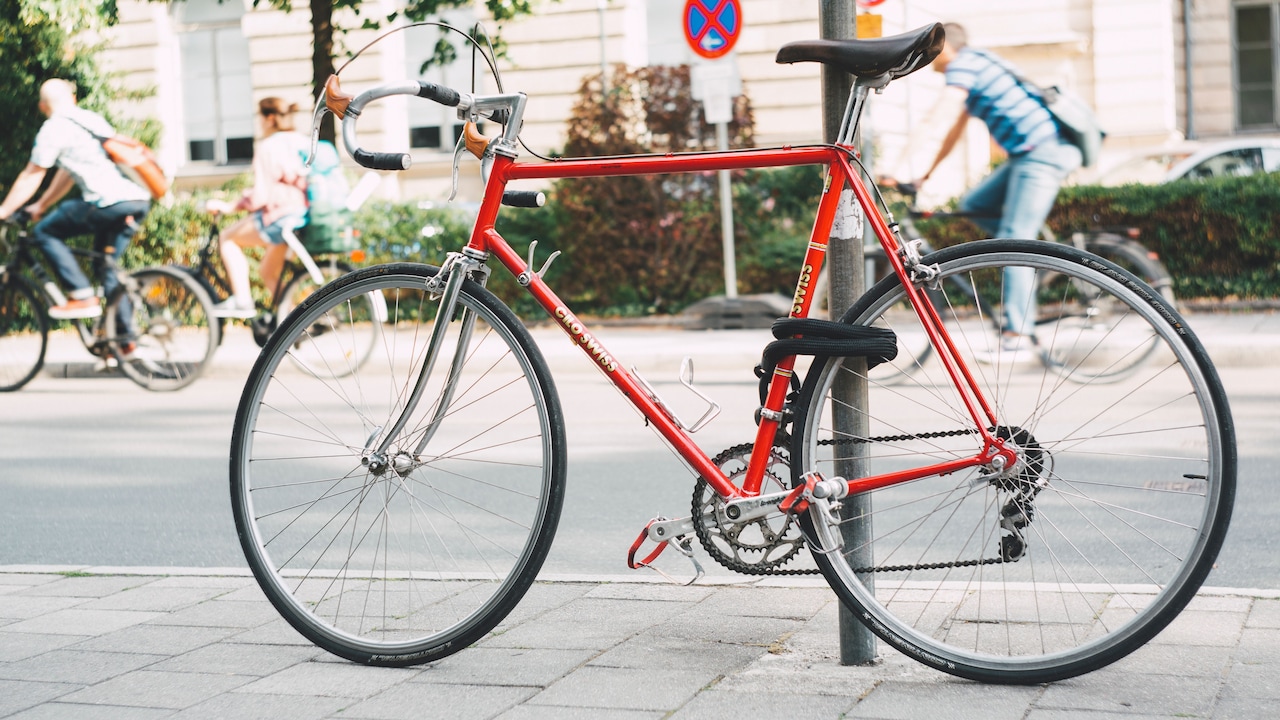
Why Seat Height Can Make Cycling Painful Or Surprisingly Comfortable; Photo Credit: Pexels
Pain Signals Should Not Become Background Noise
Many riders treat cycling discomfort as normal. A little soreness after a long break makes sense, but sharp or repeated pain deserves attention. Knee pain, hip strain, numbness, lower-back tightness and saddle soreness can all point towards poor seat height or poor overall fit. The body rarely files a written complaint. It sends signals during the ride, then repeats them louder the next day while climbing stairs.
Ignoring those signals turns small issues into stubborn habits. A student riding daily to coaching class may adjust posture without noticing, placing more weight on one side. A delivery rider may push through discomfort because time matters. A weekend rider may blame age, weight or lack of practice. Seat height may not solve every problem, but checking it takes only a few minutes. Pain should guide adjustment, not become part of the soundtrack.
The Right Height Can Make Riding Feel Effortless
A well-set saddle gives the rider a quiet kind of joy. The legs move in circles rather than stomps. The breathing settles. The shoulders loosen. The cycle gains a gentle flow, even on roads that have never met the word “smooth”. This comfort can surprise people who once thought cycling always meant knee pain, sweat and regret.
Efficiency also improves. When the legs extend properly, muscles share the work better. The thighs, calves and glutes join the effort instead of dumping stress onto the knees. Longer rides feel less frightening. A five-kilometre errand no longer sounds like a major life decision. Even a short ride to buy milk, collect a parcel or meet friends for dosa can feel lighter. Comfort encourages consistency, and consistency builds fitness without drama. The best saddle height does not shout for attention. It simply makes the rider wonder why cycling ever felt so difficult before.
Small Adjustments Beat Big Experiments
Seat height changes need patience. Raising or lowering the saddle by a large amount can create fresh discomfort. Small adjustments work better. Move the saddle a few millimetres, take a short ride, and notice what changes. The knees, hips and lower back will usually give honest feedback. A marker line on the seat post can help track the original height, especially when several family members share one cycle.
Shared cycles create comedy in many homes. One person wants the saddle low enough for confidence. Another wants it high enough for speed. Someone else rides once a month and leaves it in a mysterious position known only to them. A quick-release clamp helps, but guessing every time can ruin comfort. Marking preferred heights with tape or a tiny scratch can save arguments. The aim remains simple: let each rider find a setting that supports the body, suits the route and keeps cycling pleasant.
Products Related To This Article
1. Leader Beast 26T Mountain Cycle for Men with Front Suspension and Dual Disc Brake with Complete Cycle Accessories
2. VESCO Drift 24 T Cycle 7 Speed Gear | Kids Cycle for Boys 9-13 Age
3. CROW - Wolf 21 Speed | 27.5" Inch Mountain Bike | Suspension Fork
4. URBANSTAR Hulk | 20T BMX | Double DISC | Fat Tyres Semi Assembled
5. VESCO Drift 26 T MTB Cycle for Men with Front Suspension
6. Lifelong Fit Pro Spin Fitness Bike with 7Kg Flywheel
7. Hero Blast 20T Kids Cycle with mudguards | Black
Seat height may seem like a small detail, but cycling comfort often hides in such small details. A saddle set too low can make the knees work like unpaid labour. A saddle set too high can turn the hips, back and toes into unwilling performers. The right height brings balance. It lets the legs stretch without strain, keeps the hips steady, and makes the cycle feel easier to control.
Good cycling does not belong only to athletes, expensive bikes or perfectly painted tracks. It belongs to anyone who wants a smoother ride through busy lanes, quiet colonies, campus roads, seafront stretches or early-morning neighbourhood loops. A few minutes with a spanner, a wall and a short test ride can change the whole mood of cycling.
When the saddle fits the rider, the bicycle stops feeling stubborn. The ride becomes calmer, kinder and more inviting. Pain loses its usual excuse, comfort takes the handlebar, and the simple act of pedalling starts to feel like freedom again.
(Disclaimer: This article may include references to or features of products and services made available through affiliate marketing campaigns. NDTV Convergence Limited (“NDTV”) strives to maintain editorial independence while participating in such campaigns. NDTV does not assume responsibility for the performance or claims of any featured products or services.)