How To Remove Wall Stains Without Repainting It
Tired of dirty walls at home? Learn how to remove wall stains without repainting the entire wall with simple household ingredients and stain-removal methods.
How To Remove Wall Stains Without Repainting It
There is always that one wall in the house that starts looking dirty much before the rest of the walls. Maybe it is fingerprints near switches, food splashes in the dining area, or pencil marks if kids are around in the house. And repainting the whole wall every few months does not make much sense at all.
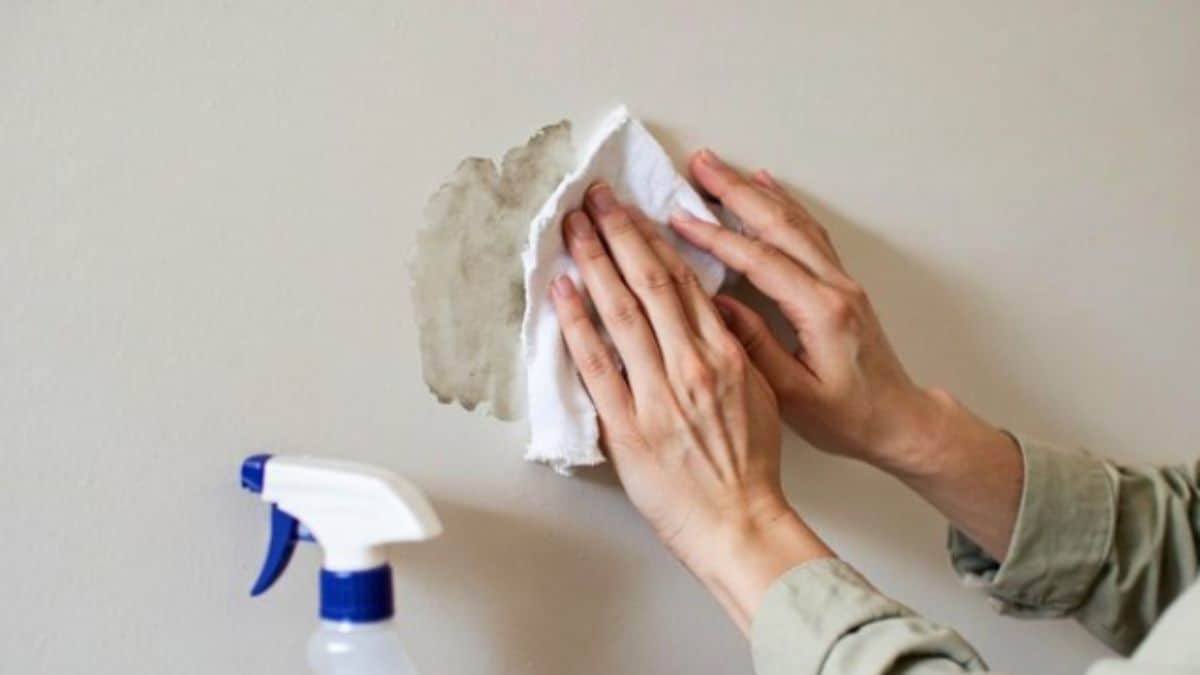
Learn simple, effective ways to remove stubborn wall stains without needing to repaint your room.
Photo Credit: Amazon
The good thing is, most wall stains are not as permanent as they appear. With some basic cleaning tricks and little patience, these stains can usually be cleaned without damaging the paint underneath.
Know Your Wall Paint Before You Start
Before starting to scrub anything, it helps to know what type of paint is on the wall. Some paints can handle water and cleaning liquids quite well, while others start fading if rubbed too hard.
1. Check If The Paint Is Washable
Glossy and satin-finish walls are generally easier to clean. Matte paints look attractive, but they stain quickly and can peel if scrubbed too aggressively. It is always better to try cleaning a small, hidden corner first before working on the visible area.
2. Dust The Wall First
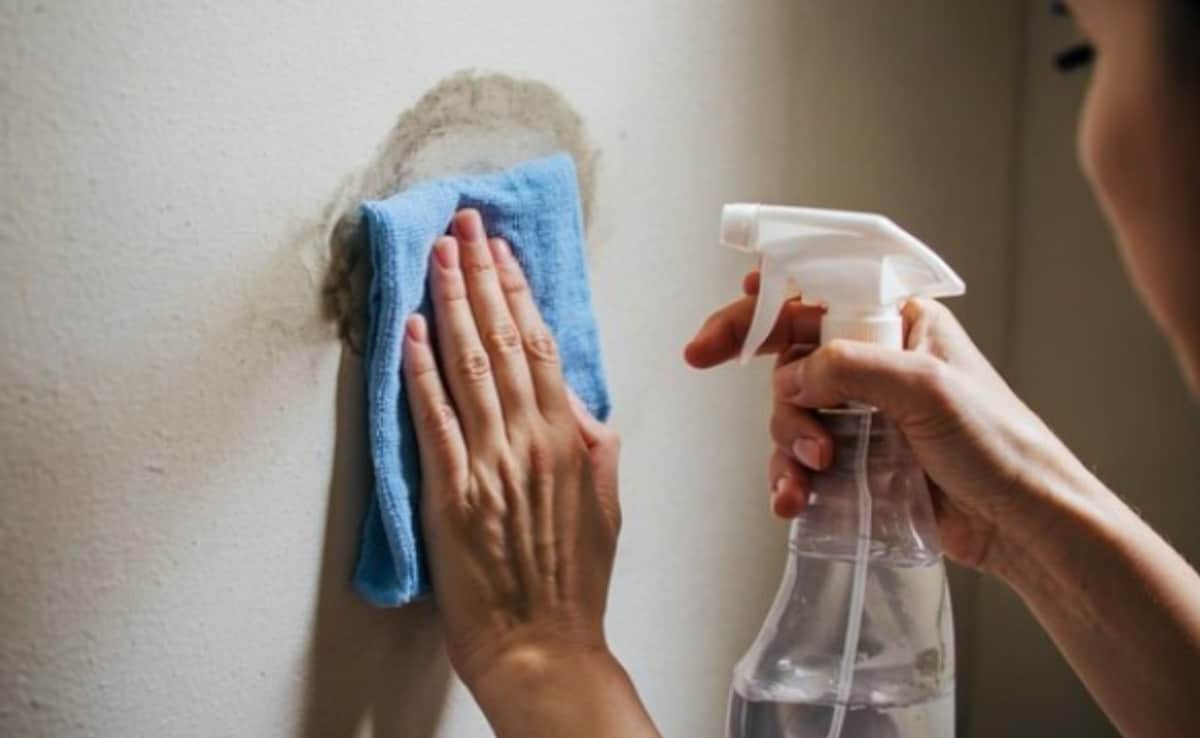
Many people skip this part and end up spreading dirt around instead. Use a dry microfibre cloth or soft duster to remove loose dust before applying any liquid cleaner. Doing this step makes the actual stain removal process much easier.
Simple Household Ingredients That Work Surprisingly Well
Expensive wall cleaning sprays are really not needed for every stain. A few kitchen ingredients are enough for handling the most common marks. Baking soda and mild soap can help remove many common wall stains safely.
1. Warm Water With Mild Soap
Mix a small quantity of dish soap in warm water and then use this solution to wash the stain on the wall. Dip a cloth in this water and then wipe the stain on the wall. Ensure the wall is not thoroughly soaked with water in the process. It is effective on fingerprints, grease spots, dust spots, and dirt near the switchboard.
2. Baking Soda
Baking soda tends to work quite well against stubborn stains by acting as a gentle scrubbing agent. Make sure that the solution is thick and consistent; otherwise, it won't work.
Once you have the solution, take a cloth and soak it before you start rubbing. This is effective on crayon marks, scuff marks, shoe stains, and food stains. Avoid excessive scrubbing because it might affect the paint layer on the wall.
How To Remove Different Types Of Wall Stains?
Not every stain behaves in the same way. Some need moisture while others need oil-cutting cleaners.
1. Removing Grease Stains From Kitchen Walls
Slow deposition of oils and grease occurs on the wall near gas stoves. Mix white vinegar in warm water and then use the solution to wipe the stains on the wall. The vinegar acts as a grease remover that breaks down and removes the stain effectively. If the stain is old, then the process may need to be repeated 2 to 3 times.
2. Cleaning Pencil, Crayon, Or Pen Marks
Kids somehow turn walls into notebooks very fast. For pencil marks, a soft eraser usually works fine. If you have a kid at home who has scribbled on your walls with crayon or pen, then you can remove it with baking soda or magic eraser sponges. But scrub the stains lightly because harsh rubbing can affect the paint on the wall.
3. Removing Water Stains
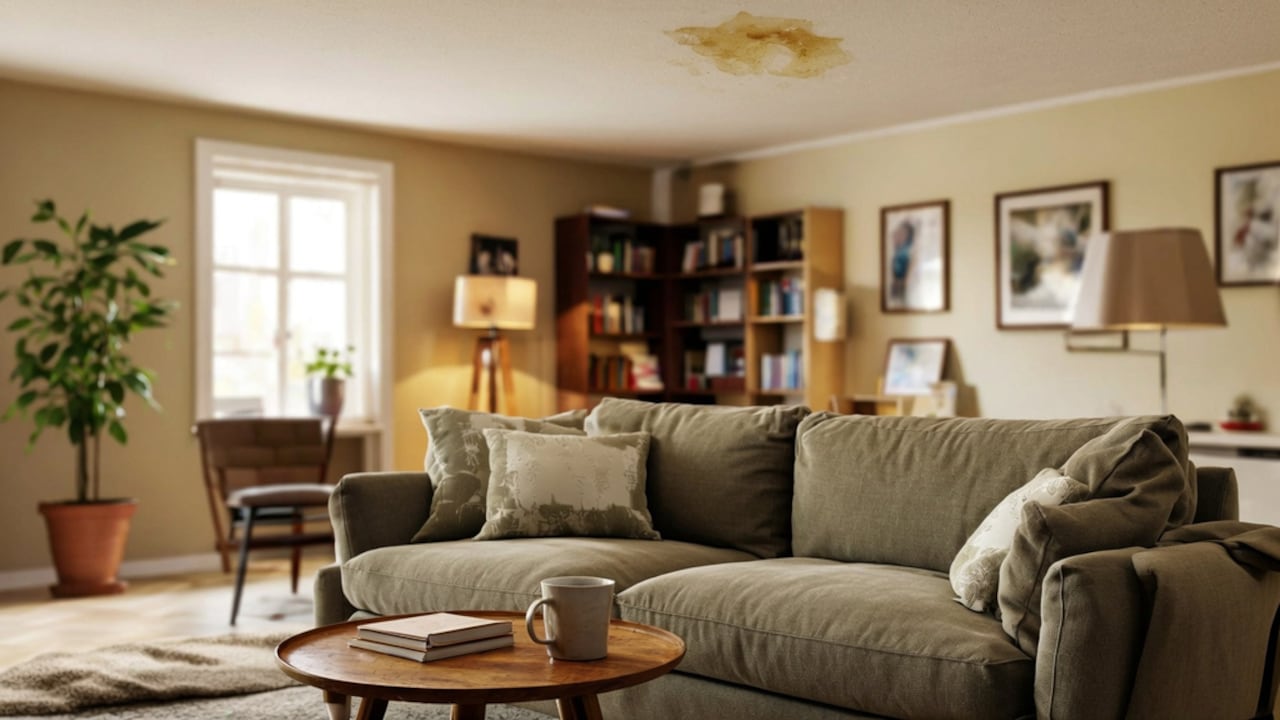
Water stains usually leave yellow or brown patches on the wall. If the leak source is already fixed, try dabbing the stain with diluted bleach carefully.
But if the stain keeps returning, the wall probably still has moisture inside. In that case, repainting alone will also not solve the problem.
4. Getting Rid Of Handprints Near Switchboards
These stains build up slowly and make the wall look dirty even when the rest of the room looks pristine. A microfibre cloth with a mild soap solution works best for this purpose. Making this cleaning routine a weekly habit is better because older handprints become much harder to clean later on.
Also Read: Top 5 Cordless Screwdrivers That Do Not Lose Power Halfway Through Furniture Assembly
Things You Should Never Use On Painted Walls
Sometimes, the wrong cleaning method causes more damage than the stain itself.
1. Avoid Harsh Scrubbers
Steel scrubbers, rough brushes and hard cleaning pads can scratch paint very easily. Even if the stain disappears, the wall may start looking dull afterwards.
2. Don't Use Too Much Water
Walls are not tiles. Excess water can seep into paint layers and leave patches or bubbling later. A damp cloth should always be used instead of a dripping wet one.
3. Stay Away From Strong Chemicals
Bleach, thinner, or acid-based cleaners may effectively remove stains, but they can also strip away the paint colour. These should be used only when absolutely necessary and always with proper dilution.
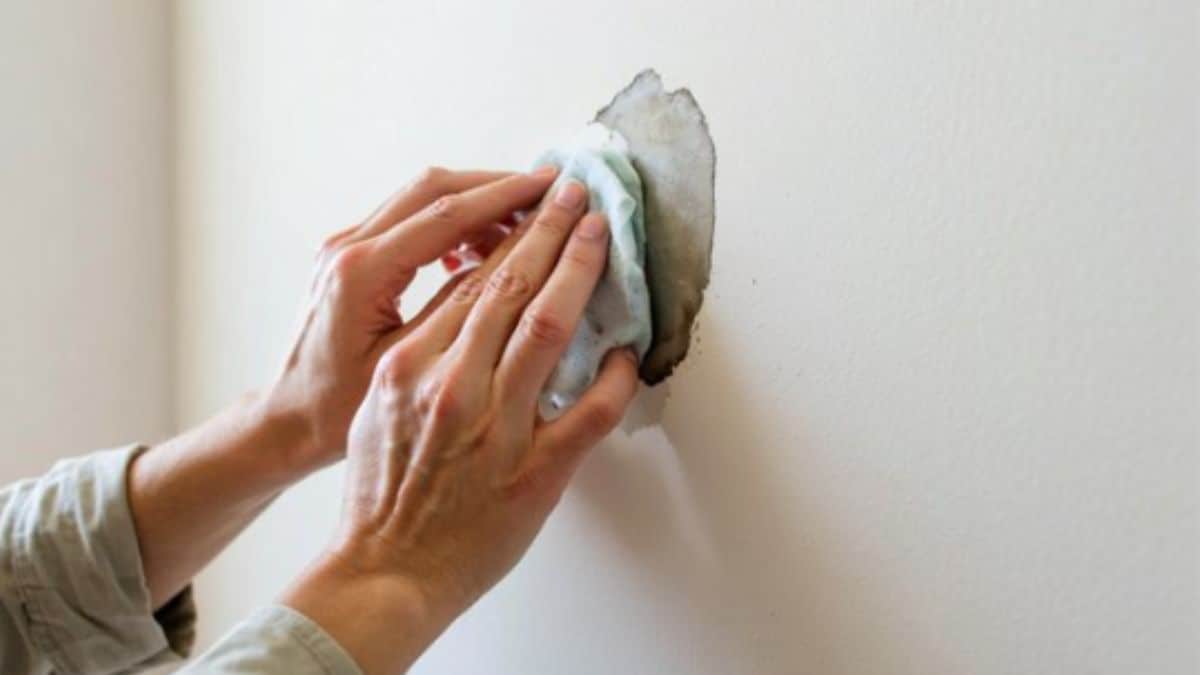
Say goodbye to stained walls with easy DIY cleaning methods that completely skip the paint.
Photo Credit: Amazon
Removing wall stains without repainting is absolutely possible with the right techniques and a little patience. By identifying the type of stain and using gentle cleaning solutions like mild soap, baking soda, or vinegar, you can restore your walls without damaging the paint. Regular maintenance and quick action on fresh stains can help keep your walls looking clean and fresh for longer. With a careful approach and the right tools, you can easily maintain spotless walls and extend the life of your existing paint.
Some Wall Cleaning Products You May Like
1. Scotch-Brite Microfiber Cloth
2. Mr Muscle Kitchen Cleaner Spray
3. Gala Sponge Wipe For Kitchen
4. Kleenest Magic Eraser Cleaning Sponge
5. Scotch-Brite Twin Bucket Spin Mop
6. Fulminare 3-in-1 Microfiber Feather Duster
7. Scotch-Brite Rubber Heavy-Duty Hand Gloves
8. Kleeno Cello Microfiber Multipurpose Cloth
Frequently Asked Questions (FAQs)
1. Can wall stains really be removed without repainting?
Yes, many common wall stains like fingerprints, grease marks and pencil lines can usually be cleaned using mild soap, baking soda or vinegar solutions.
2. Does baking soda damage the paint on walls?
Not usually, but aggressive scrubbing can fade paint. Testing a small hidden area first is always the safer option.
3. What is the safest way to clean matte-painted walls?
A soft microfibre cloth with very little moisture should be used. Matte walls are quite delicate and can develop shiny patches if rubbed too hard.
4. How often should walls be cleaned?
Light dusting every week and spot cleaning of stains is enough.
5. When should you repaint instead of cleaning?
If paint is peeling, faded, cracked or stained from deep moisture damage, then repainting becomes the better option in that case.
(Disclaimer: This article may include references to or features of products and services made available through affiliate marketing campaigns. NDTV Convergence Limited (“NDTV”) strives to maintain editorial independence while participating in such campaigns. NDTV does not assume responsibility for the performance or claims of any featured products or services.)