Ashtami - Navami Havan Samagri For Chaitra Navratri 2026: Detailed Puja Checklist
Preparing for the Ashtami and Navami havan during Chaitra Navratri requires the right samagri and a well-planned puja setup. This guide covers the essential havan items, their significance, and a complete checklist to help perform the sacred ritual smoothly at home.

What are the havan essentials you need for Chaitra Navratri 2026?
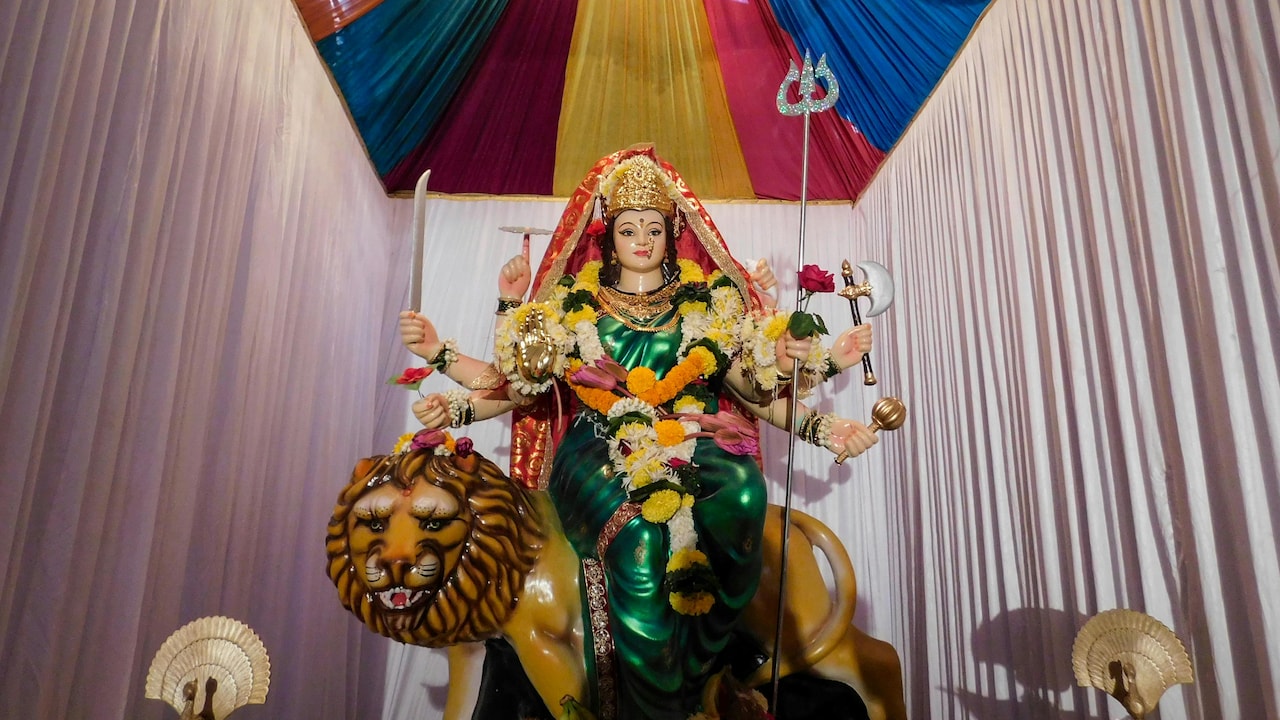
The final days of Navratri always bring a special energy to the home. The house begins to smell of incense and fresh flowers. Preparations slowly move toward the sacred havan that marks the spiritual peak of the festival. From arranging the havan kund to collecting every small item needed for the ritual, each step carries meaning. Every grain offered into the fire represents devotion, gratitude, and a prayer for peace and prosperity in the coming months.Chaitra Navratri will be celebrated from March 19, 2026 and once again bring families together for the sacred Ashtami and Navami havan.
What are the havan essentials you need for Chaitra Navratri 2026?
Photo Credit: Pexels
These two days are considered highly auspicious for performing havan and kanya puja. Devotees prepare a complete havan samagri set that includes sacred herbs, ghee, wood sticks, and other puja items. The ritual fire is believed to purify the surroundings and invite divine blessings. A well-prepared checklist ensures that the havan is performed smoothly without missing any important offering.
Also Read: Festive Feasting: 5 Indian Sweets To Add To Your Celebration Menu This Navratri
Preparing The Sacred Havan Space
Before beginning the havan, the place of worship is cleaned and decorated. A small havan kund is placed at the center. A clean cloth, flowers, and incense are arranged around the area. Devotees sit facing east while chanting mantras and offering samagri into the fire. Preparing the space calmly helps create a peaceful atmosphere for the ritual.
Significance Of Ashtami And Navami Havan
Ashtami and Navami are the final and most important days of Chaitra Navratri. Many families perform havan to honour Goddess Durga and seek blessings for health, protection, and prosperity. The fire ritual symbolises purification of thoughts and surroundings. The offerings made during the havan are believed to carry prayers directly to the divine.
Traditional Offerings Used In The Havan
Havan samagri usually includes a mix of herbs, seeds, grains, and wood pieces. These items are offered in small portions into the sacred fire while chanting mantras. Each element has symbolic meaning. For example, ghee represents purity, while grains symbolise abundance and nourishment. Many small items are required during the havan ritual. Missing even a simple item can interrupt the flow of the puja. Preparing a checklist before the festival helps ensure everything is ready in advance. It also makes the process organised and stress-free.
Preparing For Kanya Puja After The Havan
After the havan on Ashtami or Navami, many households perform kanya puja. Young girls are worshipped as forms of the goddess. They are offered food, gifts, and blessings. This tradition is considered an important part of Navratri celebrations and symbolises respect for feminine energy.
10 Essentials for Ashtami-Navami Havan Puja Needed During Chaitra Navratri 2026
1. Havan Samagri Mix
Havan samagri is a mixture of sacred herbs, roots, wood powder, seeds, and aromatic ingredients used during the havan ritual. Small portions are offered into the sacred fire while chanting mantras. The mixture produces fragrant smoke and is believed to purify the environment while symbolising devotion and spiritual offering.
2. Havan Kund
A havan kund is a square or pyramid-shaped metal or clay vessel used to perform the sacred fire ritual. It holds the burning wood and offerings during the havan. The structure allows proper airflow so the fire burns steadily while devotees offer samagri and chant prayers.
3. Mango Wood Sticks (Samidha)
Mango wood sticks are traditionally used to light and maintain the havan fire. These sticks burn steadily and are considered sacred in Vedic rituals. They serve as the base fuel for the fire where offerings like ghee and havan samagri are added.
4. Pure Cow Ghee
Cow ghee is an important offering in havan rituals. Small spoonfuls of ghee are poured into the sacred fire along with samagri. It helps the fire burn steadily and symbolises purity, nourishment, and divine energy in the ritual.
5. Camphor (Kapoor)
Camphor is used to ignite the sacred fire or during aarti before the havan begins. It burns quickly and produces a bright flame without leaving residue. In spiritual traditions, camphor represents the burning away of negativity.
6. Red Cloth For Puja
A red cloth is placed under the havan kund or used to decorate the puja area. Red is considered the colour associated with Goddess Durga and symbolises power and devotion during Navratri rituals.
7. Kalash with Coconut
The kalash filled with water and topped with a coconut is placed near the havan kund. It symbolises abundance, life energy, and divine presence. The kalash is an essential element of many Hindu pujas.
8. Incense Sticks (Agarbatti)
Incense sticks are lit during the havan to spread fragrance in the prayer area. The rising smoke symbolises prayers reaching the divine and creates a peaceful spiritual atmosphere during the ritual.
9. Rice Grains (Akshat)
Rice grains are used in many steps of the puja. They are offered during prayers and sometimes added into the havan fire along with samagri. Rice symbolises prosperity, nourishment, and blessings.
10. Flowers And Garland
Fresh flowers and garlands are offered to the deity during the havan ceremony. They represent respect, devotion, and gratitude. Flowers are also used to decorate the puja area and altar.
The Ashtami and Navami havan during Chaitra Navratri holds deep spiritual significance for many households. The ritual fire symbolises purification, devotion, and gratitude toward the divine. With proper preparation and the right havan samagri, the ceremony becomes a meaningful way to conclude the nine days of Navratri worship. Preparing a complete puja checklist ensures that the havan is performed smoothly and respectfully. From sacred herbs to simple offerings like rice and flowers, every item contributes to the ritual. When families gather around the havan kund and chant prayers together, the moment becomes a reminder of faith, tradition, and spiritual connection. Shop now on Amazon
Frequently Asked Questions (FAQs)
1. When is Ashtami and Navami in Chaitra Navratri 2026?
Ashtami and Navami fall on the final two days of Chaitra Navratri, when many families perform havan and kanya puja.
2. Why is havan performed during Navratri?
Havan is believed to purify the environment and offer prayers to Goddess Durga through the sacred fire.
3. What is havan samagri made of?
It is a mixture of herbs, seeds, wood powder, and aromatic ingredients used as offerings in the fire.
4. Can havan be performed at home?
Yes, many families perform small havan rituals at home using a havan kund and basic samagri.
5. Is ghee necessary for havan?
Yes, ghee is commonly used to maintain the sacred fire and as an offering during the ritual.
(Disclaimer: This article may include references to or features of products and services made available through affiliate marketing campaigns. NDTV Convergence Limited (“NDTV”) strives to maintain editorial independence while participating in such campaigns. NDTV does not assume responsibility for the performance or claims of any featured products or services.)