How To Pick Useful DIY Tools Even If You Are Not Handy
Not handy but want a useful toolkit? Learn how to pick simple, practical DIY tools that solve everyday problems, save money, and build confidence, without wasting space or buying things you’ll never use.
Essential Tips To Pick Useful DIY Tools Without Any Experience
Every home has that one stubborn screw, a wobbly chair, or a curtain rod that refuses to stay in place. These tiny inconveniences often turn into long delays because calling a professional feels like the only option. Yet, building a basic DIY toolkit does not demand skill or experience; it only needs a bit of clarity. Many people hesitate at hardware stores. Rows of shiny tools, unfamiliar names, and price tags that range from ₹100 to ₹5,000 can make anyone step back. The fear of buying the wrong thing or wasting money often wins. But here's the truth: most everyday fixes require only a handful of simple tools. The trick lies in choosing wisely. Instead of chasing fancy equipment, focus on usefulness, comfort, and reliability. A well-picked tool can save time, money, and frustration. More importantly, it builds confidence. Fixing a loose hinge or assembling furniture suddenly feels less intimidating. This guide explores practical ways to pick tools that actually serve a purpose. No jargon, no pressure, just straightforward advice with a dash of real-life context.

How To Pick Useful DIY Tools Even If You Are Not Handy
Photo Credit: Pexels
Practical Ways To Choose The Right DIY Tools Without Experience
Start With Everyday Problems, Not Fancy Tools
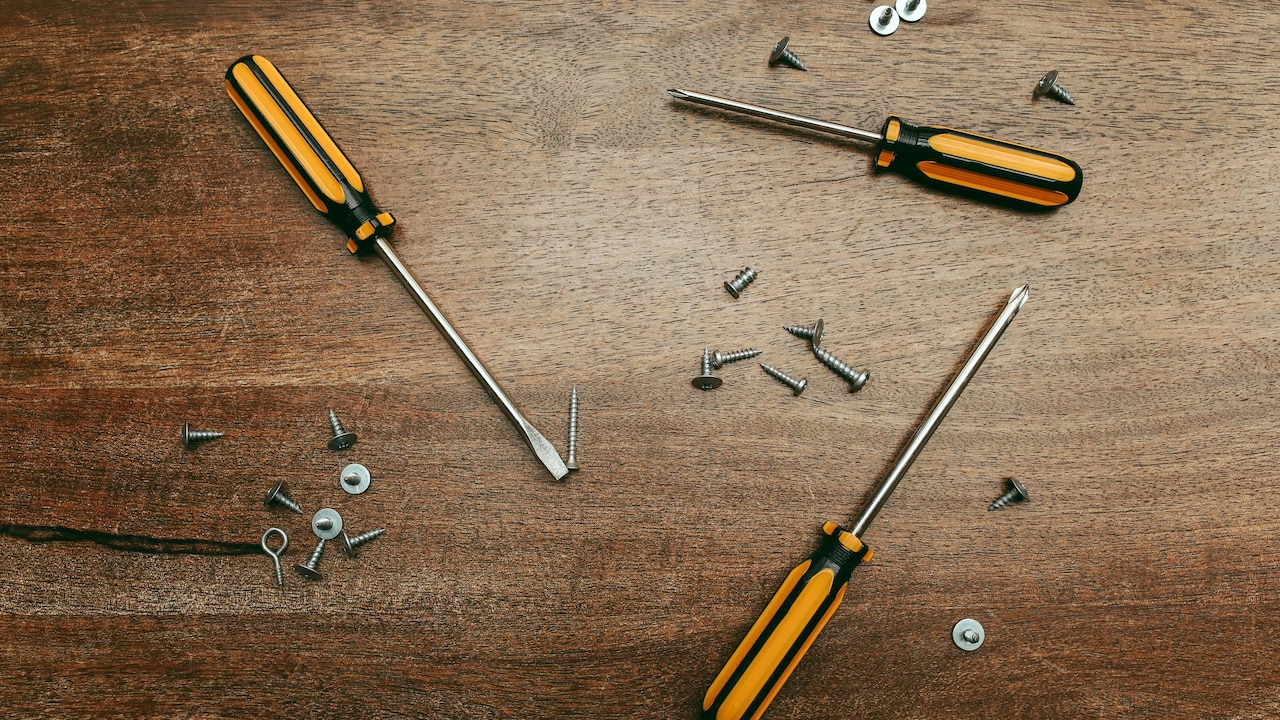
A common mistake involves buying tools before understanding the need. Shiny toolkits often look appealing, but most items inside rarely get used. Instead, think about daily annoyances. A loose door handle, a creaky cupboard, or assembling flat-pack furniture, these are the real starting points.
Consider the last few times help was needed. Perhaps a screwdriver would have solved it. Maybe a hammer. These small reflections reveal what tools truly matter. Buying with purpose prevents clutter and regret.
Imagine spending ₹2,000 on a 50-piece toolkit, only to use two items repeatedly. It feels wasteful. A better approach involves starting small. A sturdy screwdriver set and a hammer can cover surprising ground.
This mindset shifts focus from “What looks impressive?” to “What solves problems?”. That shift makes all the difference. Practical tools always outperform flashy ones, especially for beginners.
Choose Multi-Purpose Tools Over Specialised Ones
When starting out, versatility becomes the biggest advantage. A multi-purpose tool adapts to different situations, reducing the need to buy multiple items. This saves both money and storage space.
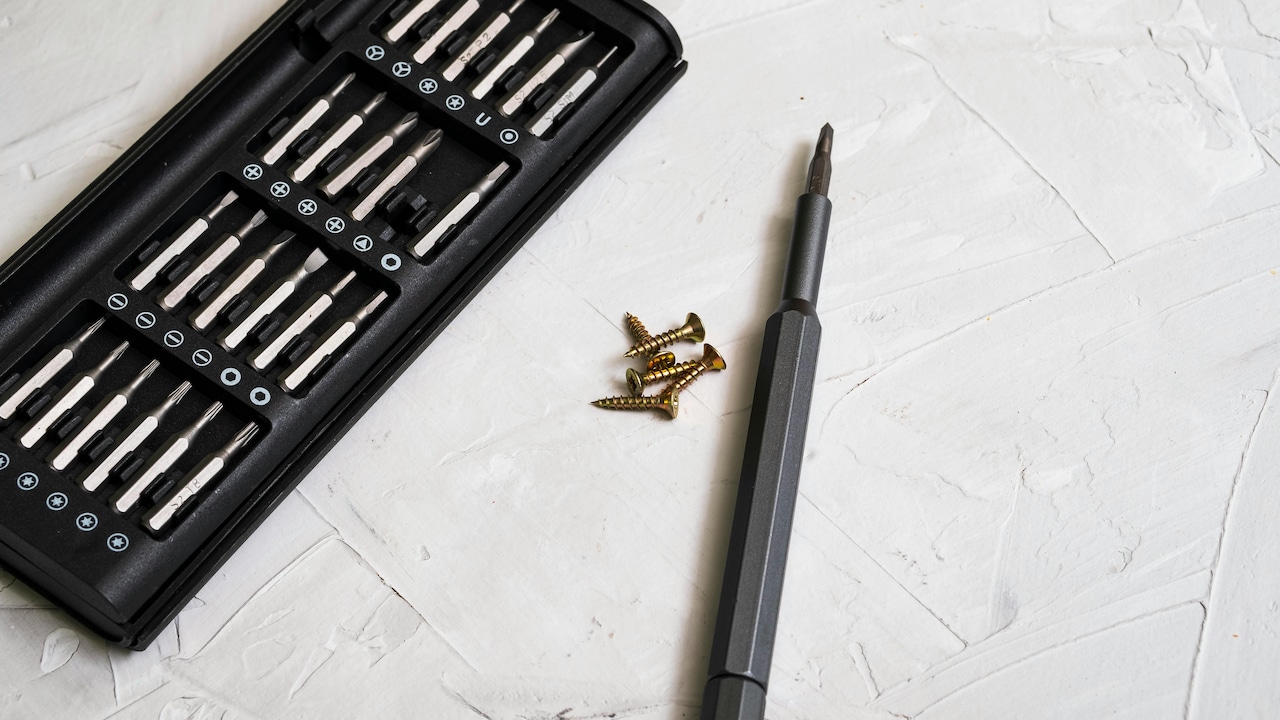
Take a simple adjustable spanner. Instead of owning different wrench sizes, one tool handles various nuts and bolts. Similarly, a multi-bit screwdriver replaces several individual screwdrivers. These choices simplify everything.
Specialised tools may seem tempting, especially when they promise precision. However, they often remain unused unless a specific task appears for beginners, which rarely happens.
Think of tools like clothing. A versatile outfit works for multiple occasions, while a highly specific one sits unused most days. The same logic applies here.
Starting with multi-purpose tools builds confidence. Each successful fix reinforces the value of the purchase. Over time, if specific needs arise, adding specialised tools becomes easier and more justified.
Focus On Comfort And Grip, Not Just Price
A tool may look perfect, but if it feels awkward in the hand, it quickly becomes frustrating. Comfort often gets overlooked, yet it plays a huge role in usability.
Handles with a good grip reduce strain. They also prevent slipping, which can lead to minor injuries. Even something as simple as a screwdriver should feel balanced and easy to hold.
Price alone should not drive decisions. A ₹150 tool that feels uncomfortable may end up unused. On the other hand, spending ₹300 on something that feels right often proves worthwhile.
Try holding the tool before buying, if possible. Notice the weight. Check the grip texture. Does it feel natural? These small checks make a big difference.
A comfortable tool encourages use. It removes hesitation and builds confidence. Over time, that comfort turns small fixes into quick, stress-free tasks.
Invest In Quality Where It Matters Most
Not every tool needs to be premium, but some deserve better quality. A hammer, screwdriver, and measuring tape fall into this category. These tools handle frequent use, so durability matters.
Cheap tools often break or wear out quickly. A screwdriver tip may strip, or a hammer handle may loosen. This leads to frustration and additional expense later.
Spending a little more up front often saves money in the long run. A solid hammer priced around ₹500 can last for years. In contrast, a ₹150 version may need replacement within months.
Quality also improves performance. A well-made tool works smoothly, reducing effort and time. This makes tasks feel easier, even for beginners.
Think of it as a long-term investment. Reliable tools build trust. That trust encourages more DIY attempts, which gradually improve skill and confidence.
Avoid Oversized Toolkits That Promise Everything
Large toolkits often appear as a complete solution. Dozens of pieces neatly packed in a case create a sense of readiness. However, most items inside rarely see the light of day.
These kits often include tools meant for specialised tasks. For someone starting out, they add confusion rather than value. Identifying the right tool becomes harder.
Instead of buying a big set, build a toolkit gradually. Start with essentials. Add tools only when a specific need arises. This approach keeps things simple and relevant.
It also helps understand each tool better. Using a few tools regularly builds familiarity. That familiarity makes future purchases smarter and more confident.
A smaller, well-used toolkit always beats a large, unused one. It saves space, money, and mental clutter.
Also Read: Struggling With Uneven Bakes? These 5 Sets Can Fix That
Look For Tools That Solve Immediate Needs First
Urgency often guides the best purchases. If a curtain rod keeps falling, a drill or wall anchors may become necessary. If furniture assembly is frequent, a screwdriver set becomes essential.
Prioritising immediate needs ensures every purchase gets used. This creates a sense of value and satisfaction.
Buying tools “just in case” rarely works. They end up forgotten in drawers. Instead, let real situations guide decisions.
This approach also spreads expenses over time. Instead of spending ₹3,000 at once, smaller purchases feel manageable and purposeful.
Each tool becomes part of a story, a problem solved, a fix completed. That connection makes the toolkit feel personal and meaningful.
Pay Attention To Storage And Space
Tools often get neglected because they are hard to find. A cluttered drawer or misplaced items create unnecessary frustration.
Choosing tools that come with simple storage solutions helps. A compact box or organiser keeps everything accessible. It also protects tools from damage.
Space matters, especially in smaller homes. Bulky tools or large kits can become inconvenient. Compact, stackable options work better.
Keeping tools organised also encourages use. When everything sits within reach, fixing small issues feels less like a chore.
A well-organised toolkit reflects clarity. It turns DIY from a daunting task into a manageable habit.
How To Pick Useful DIY Tools Even If You Are Not Handy
Photo Credit: Pexels
Learn Basic Names And Functions Before Buying
Walking into a hardware store without knowing basic tool names can feel intimidating. Salespeople may suggest items that sound useful but may not fit actual needs.
Understanding a few basics changes the experience. Knowing the difference between a Phillips and flathead screwdriver, or when to use a spanner, builds confidence.
This knowledge does not require hours of study. A quick online search or short video can explain essentials clearly.
It also prevents overspending. When aware of what is needed, it becomes easier to say no to unnecessary additions.
Knowledge empowers better choices. It transforms confusion into clarity and makes the buying process smoother and more enjoyable.
Choose Brands With Reliable After-Sales Support
Tools occasionally fail, even good ones. When that happens, reliable support becomes important. Choosing brands known for decent service can save time and effort.
Local hardware shops often recommend brands that work well in everyday conditions. These suggestions can be valuable.
Warranty also plays a role. A tool with a basic warranty provides reassurance. It shows the brand stands behind its product.
After-sales support matters more than it seems. It reduces risk and adds confidence to the purchase.
A trusted brand turns a simple tool into a dependable companion. That reliability encourages continued use and experimentation.
Start Small And Build Confidence Gradually
The biggest barrier often lies in self-doubt. Many feel they are “not handy enough” to use tools. Yet, every expert once started with simple fixes.
Begin with easy tasks. Tightening screws, hanging a photo frame, or assembling furniture. These small wins build confidence.
Each success reduces hesitation. Tools start to feel familiar rather than intimidating. Over time, even slightly complex tasks seem manageable.
There is no rush. A toolkit grows naturally with experience. Each addition reflects a new need or skill.
Confidence does not come from buying tools. It comes from using them. Starting small ensures steady progress without overwhelm.
How To Pick Useful DIY Tools Even If You Are Not Handy
Photo Credit: Pexels
Products Related To This Article
1. BUILDSKILL 8V cordless screwdriver set - 31 pieces
2. BOSCH 16-in-1 Multi-Tool with 16 Functions for Versatile Home and DIY Use
3. JustLatest Detail Pen Knife With 5 Sharp Blades For DIY
4. UniQual 140pcs Universal Chuck Rotary Tool Kit Die Grinder with Superior Accessories
5. AGARO 115pcs Precision Screwdriver Set, for Smartphone
Building a useful DIY toolkit does not require expertise or a large budget. It simply needs thoughtful choices and a practical mindset. By focusing on everyday needs, comfort, and quality, anyone can create a set of tools that truly helps.
The journey begins with small steps. A screwdriver, a hammer, and a willingness to try. Each fix adds confidence. Each success makes the next task easier.
Over time, tools stop feeling like unfamiliar objects. They become reliable helpers, quietly solving problems that once seemed complicated. In the end, being “not handy” is not a limitation. It is just the starting point.
(Disclaimer: This article may include references to or features of products and services made available through affiliate marketing campaigns. NDTV Convergence Limited (“NDTV”) strives to maintain editorial independence while participating in such campaigns. NDTV does not assume responsibility for the performance or claims of any featured products or services.)