Why Some Baby Blankets Overheat? Safer Alternatives You Should Try
Some baby blankets trap heat and make infants uncomfortable or unsafe during sleep. This article explains why overheating happens and shares safer, breathable alternatives for better, calmer rest.
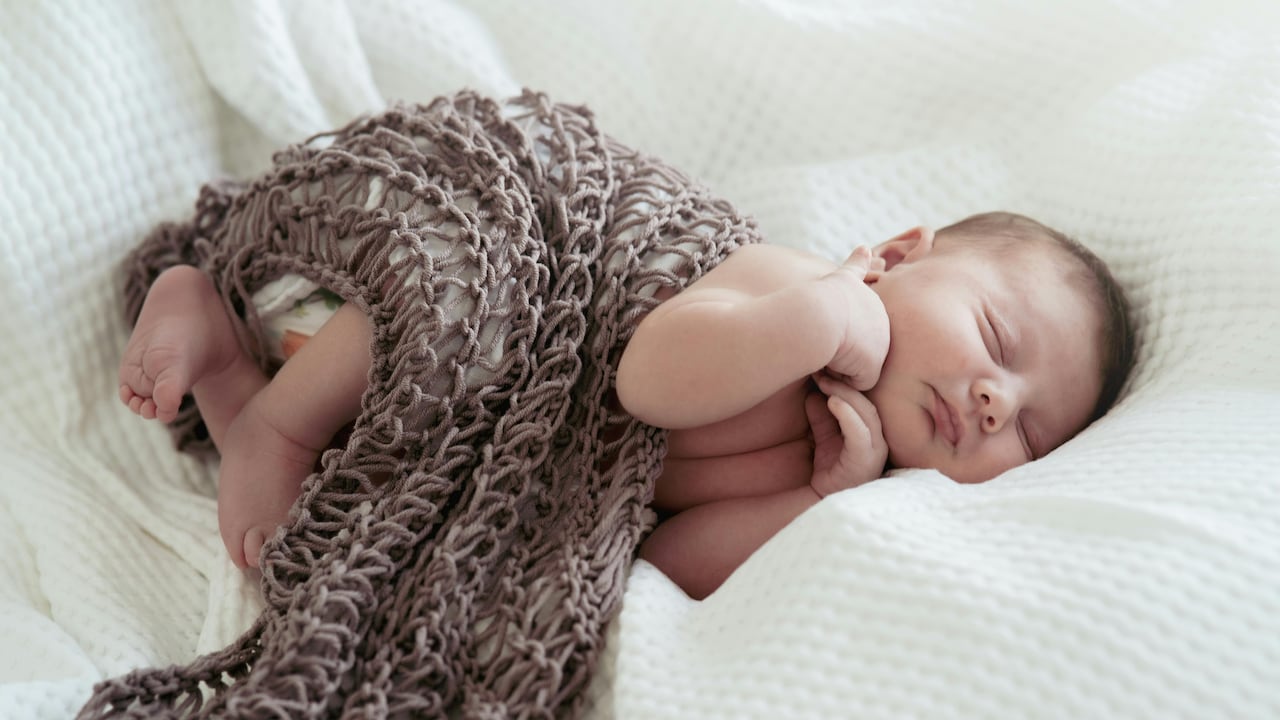
Are Baby Blankets Safe? Understanding Overheating And Better Sleep Options.
Every new parent knows that instinctive urge to keep a baby warm. Elders suggest extra layers, neighbours recommend thicker blankets, and shops display plush, fluffy options that look irresistibly soft. On cooler evenings, wrapping a baby snugly feels like the right thing to do. Yet, babies regulate heat very differently from adults. What feels cosy to grown-ups can feel stifling to a little one.
Overheating has quietly become a common concern in nurseries and homes. Many blankets sold today prioritise appearance over breathability. Some materials trap heat, prevent airflow, and cause babies to sweat without showing obvious signs. Unlike adults, babies cannot kick off a blanket or ask for relief. That silence makes awareness crucial.
Understanding why some baby blankets overheat helps families avoid discomfort and health risks. It also opens the door to smarter, safer alternatives that suit local weather, daily routines, and modern lifestyles. A well-rested baby sleeps longer, feeds better, and stays happier. And let's be honest, that brings everyone in the house a little more peace.
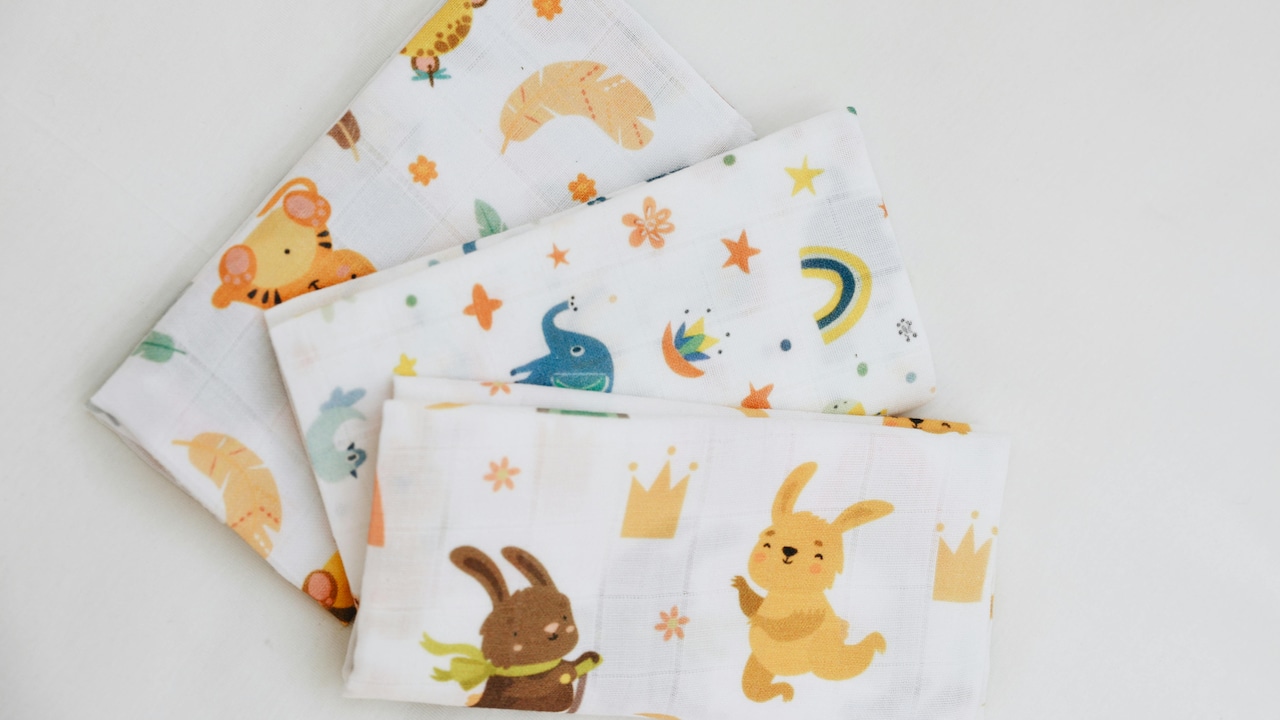
Why Some Baby Blankets Overheat? Safer Alternatives You Should Try; Photo Credit: Pexels
Understanding Why Some Baby Blankets Cause Overheating
1. Synthetic Fabrics That Trap Heat
Many baby blankets use synthetic fibres like polyester or acrylic. These materials feel soft and plush at first touch, which explains their popularity. However, they trap heat instead of releasing it. Air struggles to circulate, and body warmth stays locked in.
During a humid night or a mild winter evening, this trapped heat can quickly raise a baby's body temperature. Sweaty backs, flushed cheeks, and damp hair often signal discomfort. Unfortunately, these signs appear only after overheating has begun.
Synthetic blankets also dry slowly once moisture builds up. Sweat stays close to the skin and increases irritation. Babies with sensitive skin may develop rashes or prickly heat, especially around the neck and chest.
Natural fibres like cotton or bamboo allow better airflow. They help regulate temperature rather than forcing warmth. While synthetic options often cost less upfront, a breathable blanket proves far more valuable in daily use. Comfort should always outweigh appearance when it comes to baby sleep.
2. Thick Padding and Heavy Weaves
A blanket that feels heavy often signals warmth to adults. For babies, that same weight can cause trouble. Thick padding and dense weaves restrict airflow and press warmth close to the body.
Heavy blankets may also limit movement. Babies naturally shift, stretch, and wriggle during sleep. When movement becomes restricted, heat builds up faster. This can lead to restless sleep and frequent waking.
During mild winters or in homes that use heaters, thick blankets add unnecessary layers. The room temperature may already be at a comfortable level. Adding a heavy blanket tips the balance and causes overheating.
Lightweight blankets with loose weaves offer a better option. They provide warmth without weight. A simple cotton cellular blanket works well across seasons. It keeps babies cosy while allowing excess heat to escape. Sometimes, less truly works better.
Also Read: Top 7 Blankets For Kids And Toddlers To Ensure Cosy Sleep: Glow, Flannel And Winter-Ready Options
3. Poor Ventilation in Layered Bedding
Layering feels like a sensible approach. A bedsheet, followed by a blanket, topped with a quilt, looks neat and inviting. Sadly, this setup reduces ventilation around a baby.
Each layer traps air and heat. Together, they create a pocket of warmth that cannot escape. Babies sleeping on their backs face an even greater risk as heat collects around the torso.
Layered bedding also increases the chance of blankets shifting during sleep. A blanket that moves too close to the face interferes with breathing and raises anxiety for parents.
A single, well-chosen blanket suits babies far better. It simplifies sleep setups and improves airflow. Keeping bedding minimal aligns with safe sleep advice and helps maintain a steady body temperature throughout the night.
4. Overdressing Combined with Blankets
Overheating rarely comes from one source alone. Often, it results from overdressing paired with thick blankets. A baby wearing a full-sleeve vest, sleepsuit, socks, cap, and blanket faces limited chances to cool down.
Cultural habits sometimes encourage extra layers, especially for newborns. Elders may worry about cold air or fans. While intentions remain loving, excessive layers can cause more harm than comfort.
Babies lose heat through their head, hands, and feet. Covering all these areas while adding a blanket traps warmth inside. Sweating, irritability, and disturbed sleep soon follow.
A simple rule helps: dress babies in one extra layer more than an adult feels comfortable wearing. Then add a lightweight blanket if needed. This balanced approach keeps babies warm without crossing into overheating territory.
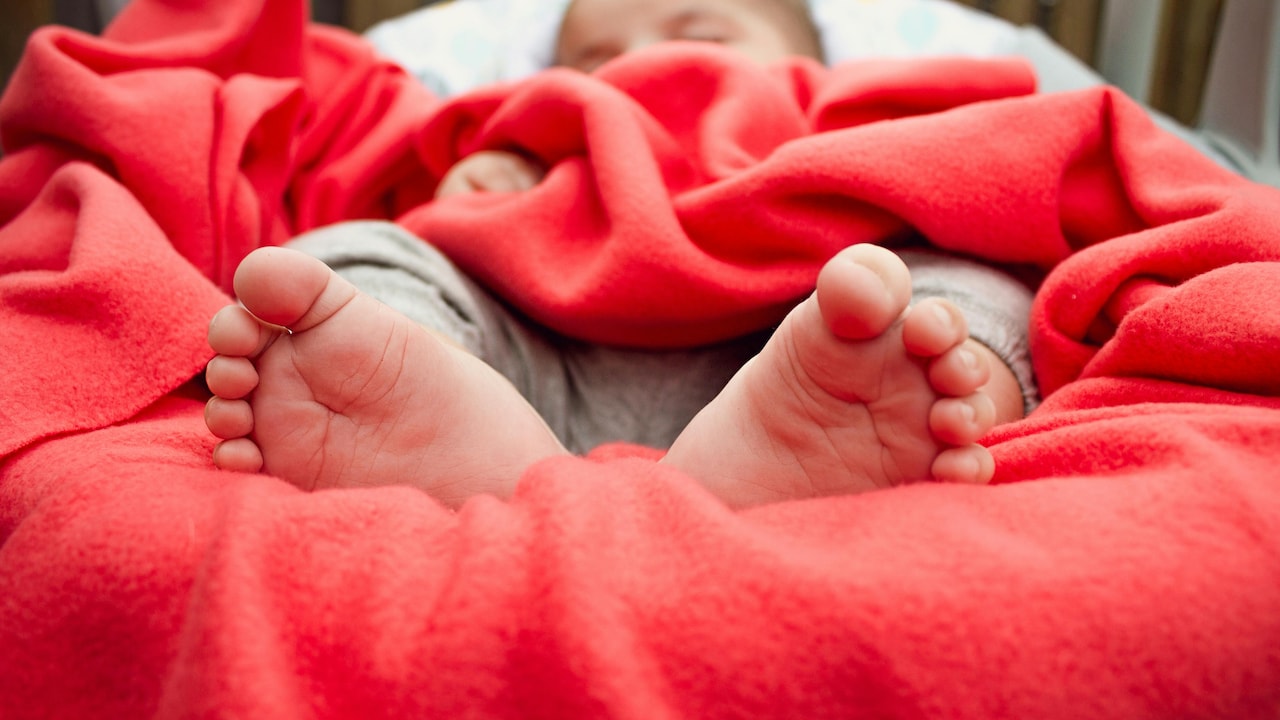
Why Some Baby Blankets Overheat? Safer Alternatives You Should Try; Photo Credit: Pexels
5. Climate and Seasonal Misjudgement
Weather patterns have changed. Winters feel shorter, and evenings often remain warm despite the calendar saying otherwise. Yet, blanket choices often ignore real-time temperatures.
Using winter blankets during mild weather leads to unnecessary overheating. Even during colder months, daytime naps may not require the same layers as nighttime sleep.
Homes with closed windows and heaters can feel warmer than expected. Babies sleeping indoors experience a different climate from adults stepping in and out of rooms.
Checking room temperature helps guide decisions. A comfortable range usually sits between 20°C and 22°C. Adjust blankets and clothing based on this, not the season name. Paying attention to actual conditions keeps babies comfortable and safe.
6. Decorative Blankets Meant for Show
Some baby blankets exist more for photographs than for function. Embroidered designs, thick borders, and decorative tassels look charming but compromise safety.
These blankets often use mixed materials and dense stitching. Heat builds up around decorative areas, creating uneven temperature zones. Babies may sweat under one section while feeling cooler elsewhere.
Decorative blankets also tend to be heavier. They may slip, fold, or bunch up during sleep. This increases both overheating and suffocation risks.
Keeping decorative blankets for supervised playtime or pram outings makes sense. For sleep, simplicity wins. Plain, breathable blankets support better rest and peace of mind.
7. Limited Awareness of Baby Heat Regulation
Babies cannot regulate body temperature as efficiently as adults. Their sweat glands remain underdeveloped, and heat escapes slowly. This makes them more vulnerable to overheating.
Many parents assume babies feel cold because their hands or feet feel cool. In reality, this often proves normal. Checking the chest or back gives a better idea of core temperature.
Without this knowledge, families may add extra blankets unnecessarily. Well-meaning actions then lead to discomfort.
Learning how babies respond to heat empowers better choices. Awareness turns guesswork into informed care. When parents understand these basics, safer sleep habits naturally follow.
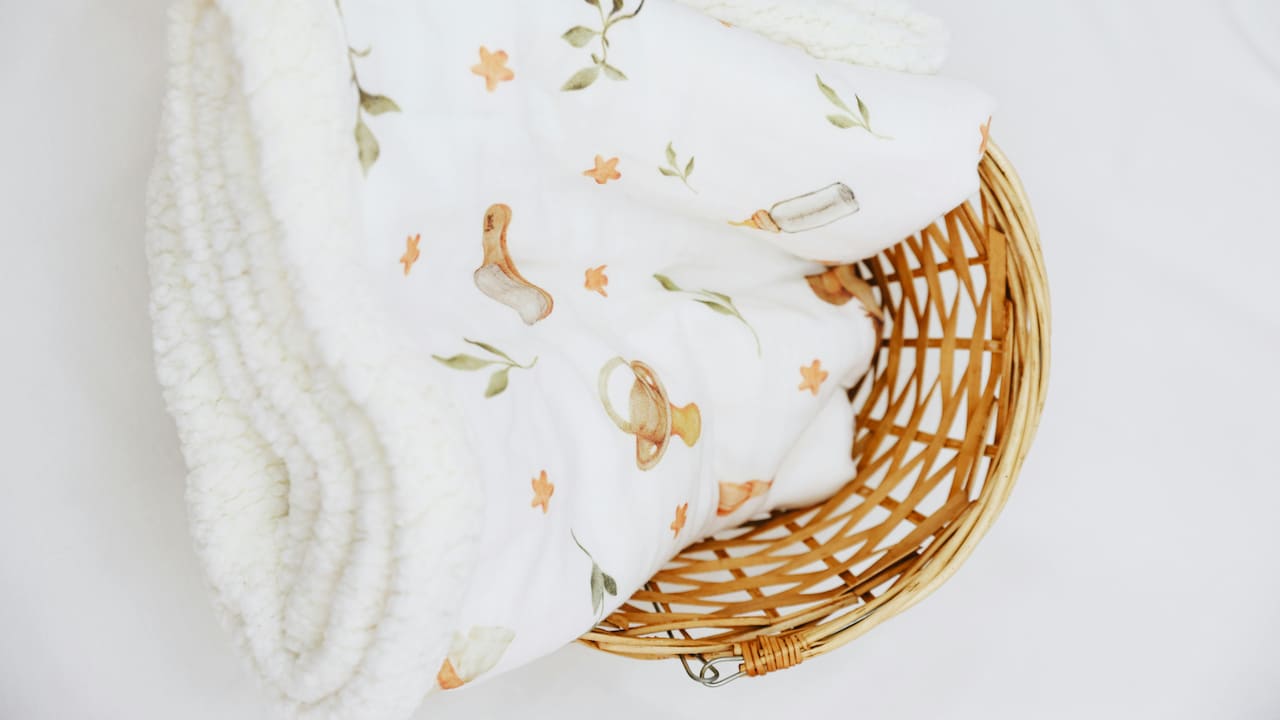
Why Some Baby Blankets Overheat? Safer Alternatives You Should Try; Photo Credit: Pexels
8. Signs That a Blanket Feels Too Warm
Babies rarely cry only because of overheating, which makes signs easy to miss. Subtle clues often appear first.
Warm or sweaty necks, flushed skin, rapid breathing, and damp hair signal rising body temperature. Restlessness and frequent waking may also occur.
Some babies develop heat rashes on the chest or back. Others feed poorly due to discomfort.
Regularly checking for these signs helps prevent problems. If overheating appears likely, remove a layer or switch to a lighter blanket. Babies sleep best when they feel neither too warm nor too cold.
9. Safer Blanket Alternatives Worth Trying
Breathable materials make the biggest difference. Cotton cellular blankets allow air circulation and suit all seasons. Bamboo blends feel soft and regulate temperature well.
Sleep sacks or wearable blankets offer another safe option. They eliminate loose bedding while providing consistent warmth. Babies move freely without the risk of blankets covering their faces.
Muslin wraps work beautifully for newborns. Their lightweight weave keeps babies snug without trapping heat. They also double as nursing covers or pram shades.
Choosing the right alternative depends on climate, room temperature, and baby's age. The goal remains the same: warmth without worry.
10. Creating a Comfortable Sleep Environment
A safe blanket forms only one part of the sleep picture. Room ventilation, clothing choices, and bedtime routines matter equally.
Ensure good airflow in the room. A fan placed at a distance helps circulate air without blowing directly on the baby. Avoid overheating the room with heaters unless temperatures drop significantly.
Dress babies appropriately and adjust layers as needed. Touch checks during the night reassure parents and help fine-tune comfort levels.
A calm bedtime routine sets the tone for restful sleep. Comfortable babies settle faster and stay asleep longer. Small adjustments create big improvements over time.
Products Related To This Article
1. R for Rabbit Softkins Muslin Blanket for Newborn Baby 6 Layers Cotton Fabric Soft Breathable Lightweight
2. OYO BABY Soft Fleece Baby Blanket with Star Print Blue
3. PWI Supersoft Baby Blanket Wrapper for Newborn
4. BRANDONN Newborn and Toddler Kids Blanket
5. First Kick Baby Blankets Newborn Combo Pack of Hooded Soft Wrapper Cum Towel for Baby Boys and Baby Girls Pack of 3
6. 100% Organic Cotton 6 Layer Ultra-Soft Muslin Blanket for Baby
7. Haus & Kinder Hugsy Alpaca 100% Pure Cotton Knitted Summer
Keeping babies warm comes from love and care. Yet, warmth should never come at the cost of comfort or safety. Many baby blankets overheat due to synthetic fabrics, heavy weaves, and outdated assumptions about temperature. Recognising these issues empowers families to make better choices.
Safer alternatives like breathable cotton blankets, muslin wraps, and sleep sacks offer warmth without trapping heat. Pairing the right blanket with sensible clothing and a well-ventilated room creates an ideal sleep environment.
Parenting already comes with enough worries. Sleep should not add to them. With thoughtful decisions and a little awareness, babies can rest peacefully, and households can enjoy quieter nights. After all, a comfortable baby often means a happier home.
(Disclaimer: This article may include references to or features of products and services made available through affiliate marketing campaigns. NDTV Convergence Limited (“NDTV”) strives to maintain editorial independence while participating in such campaigns. NDTV does not assume responsibility for the performance or claims of any featured products or services.)