Smart Dustbin For Home: Is A Touch-Free Bin Actually More Hygienic And Convenient?
Is a touch-free smart dustbin really cleaner and more convenient? This article explores its hygiene benefits, everyday usefulness, hidden drawbacks and whether it deserves a place in your home.
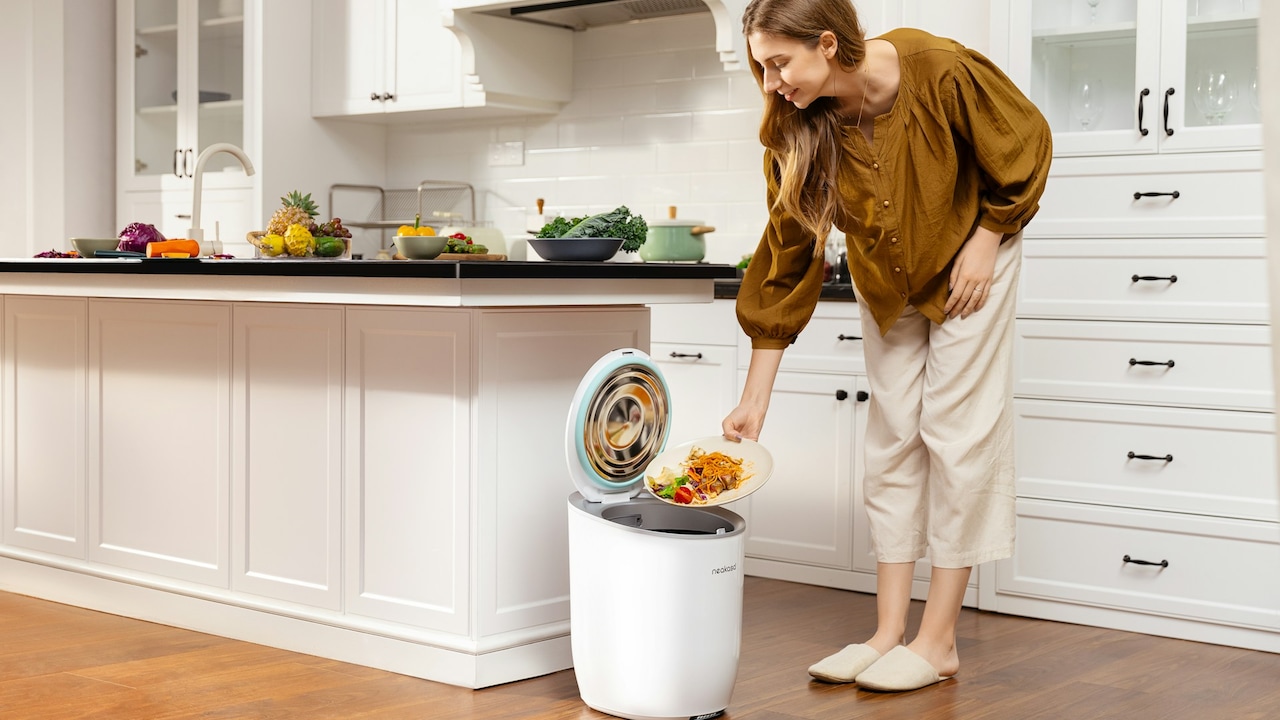
Crucial features of smart dustbins that make them a better option
The humble dustbin rarely receives much attention until something goes wrong. A leaking liner, a stubborn lid or the unmistakable smell of yesterday's curry can suddenly make waste disposal feel like a major domestic crisis. That is where the smart dustbin enters the scene. Instead of lifting a lid with messy fingers or pressing a pedal, users wave a hand near a sensor. The lid opens automatically, waits for the rubbish and closes again. It sounds neat, modern and almost suspiciously effortless. Touch-free bins have become increasingly popular in modular kitchens, bathrooms, bedrooms and work-from-home spaces. Some models offer odour control, silent closing, liner holders and even rechargeable batteries. Prices can range from around ₹1,000 for compact models to well above ₹10,000 for larger premium designs.
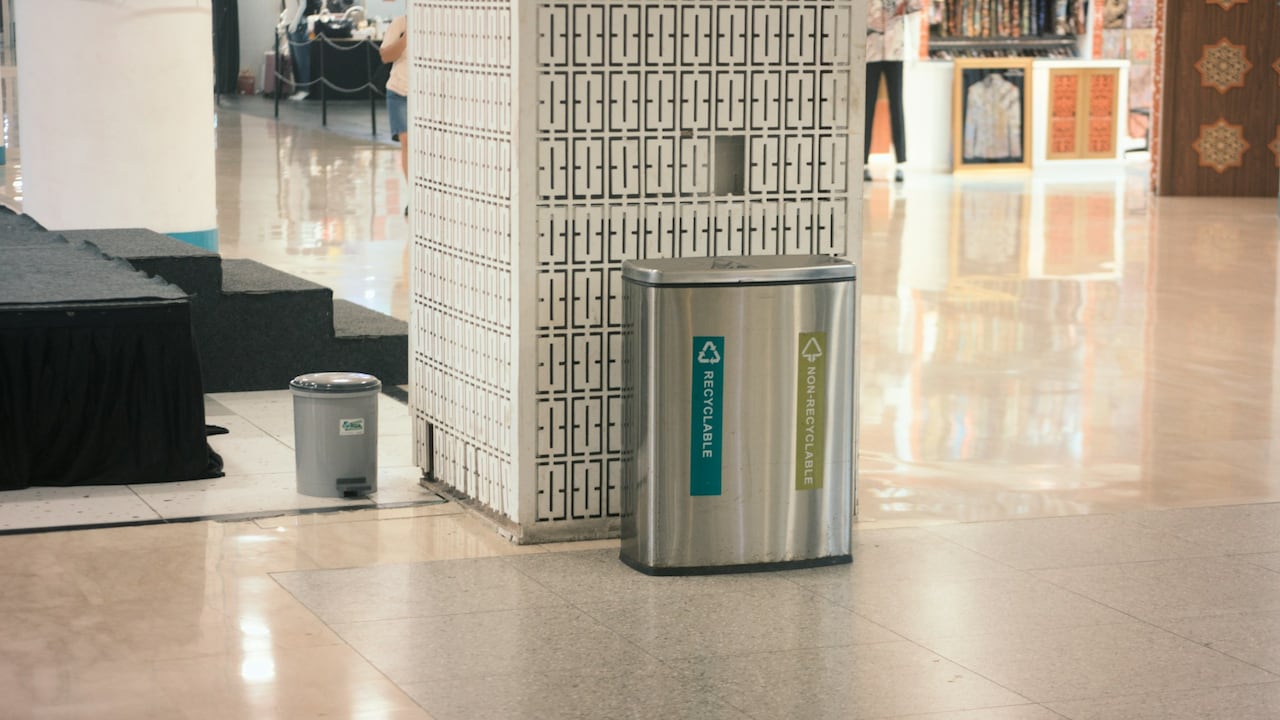
What features make smart dustbins more hygienic
Photo Credit: Unsplash
However, does automation make a dustbin more hygienic? Does it save meaningful time? More importantly, will it continue working smoothly after months of exposure to steam, food stains and enthusiastic children?
Also Read: How Does Stylish Bins Became An Essential Part Of Home Decor
The answer depends on how the bin is designed, where it is placed and how a household manages waste. A closer look reveals both clever advantages and a few less glamorous truths.
Why A Smart Dustbin Could Change Everyday Waste Disposal
Touch-Free Operation Reduces Direct Contact
The clearest benefit of a smart dustbin is the lack of physical contact. When hands are coated in atta, raw vegetable scraps or greasy masala, touching a bin lid feels unpleasant. It can also spread residue to the lid, nearby cabinets and kitchen handles.
A motion sensor solves this everyday problem. A quick wave allows the lid to open without contact, making the process feel cleaner and more controlled. This feature proves particularly helpful while handling raw meat, eggs or wet food waste. It also reduces the need to wash the lid repeatedly after every cooking session.
However, touch-free does not mean germ-free. The inside rim, liner and surrounding floor can still collect dirt. Waste can also brush against the lid if the opening is too narrow. Regular cleaning remains essential.
The real hygiene advantage comes from reducing one common contact point. A conventional lid touched many times a day may become a small contamination hub. A sensor bin removes that repeated habit. It will not transform the kitchen into a laboratory, but it can make routine waste disposal noticeably tidier and more comfortable.
Automatic Lids Can Help Control Odours
Kitchen waste develops odours quickly, especially during warm and humid weather. Fruit peels, leftover dal, tea leaves and food scraps can create an unpleasant mixture long before collection time arrives. A lid that closes automatically helps contain some of that smell.
Many smart bins keep the lid shut firmly when not in use. This is useful because family members often leave traditional lids partly open, especially when rushing. A smart lid closes after a few seconds, reducing the chance of odours spreading through the kitchen.
Some models include sealing rings or deodorising compartments. These additions may improve smell control, although results vary. No bin can fully hide the scent of waste that has remained inside for several days. Regular emptying still matters more than any electronic feature.
Wet and dry waste should also remain separate. Mixing food scraps with packaging creates mess, leakage and stronger odours. A smart bin works best as part of an organised disposal routine rather than as a magical smell-erasing machine.
For households that cook frequently, an automatic lid offers a small but welcome comfort. It keeps the bin closed consistently, which can make the kitchen feel fresher between clean-ups.
Sensor Accuracy Shapes The Entire Experience
A touch-free dustbin feels impressive only when the sensor behaves properly. A responsive sensor opens the lid at the right moment and closes it after the waste goes in. A poorly calibrated one can turn a simple task into a comedy routine.
Some bins open whenever a person walks past. Others refuse to respond unless a hand hovers at a very specific angle. A lid that suddenly rises beside someone making tea may be amusing once, but the novelty fades quickly.
Placement affects performance. A sensor bin kept beneath a low counter may detect the surface above it and remain open. Direct sunlight, reflective cabinets and movement from pets can also trigger certain models. Checking the recommended clearance before purchase prevents many such problems.
Better models allow users to open the lid manually or keep it open during longer tasks, such as peeling vegetables. This feature is practical because repeated waving becomes irritating when several scraps need disposal.
Sensor range matters too. A range of roughly 15 to 25 centimetres usually feels natural for household use. Ultimately, accuracy decides whether the smart bin feels genuinely convenient or merely eager to participate in every kitchen activity.
A Smart Bin Can Support Cleaner Cooking Habits
Cooking involves constant movement between the chopping board, sink, stove and bin. Small interruptions add up. Opening a lid with dirty hands, wiping it afterwards and checking whether it has closed can break the flow of meal preparation.
A sensor bin makes disposal more fluid. Vegetable peels can move directly from the chopping board into the bin. Used tissues, empty packets and eggshells can be dropped away without gripping a handle. The benefit may seem minor, but it becomes noticeable during busy mornings or large family meals.
Touch-free operation can also encourage people to use the bin properly. Children may find the automatic lid entertaining and become more willing to throw rubbish in the right place. Guests can use it without searching for a pedal or lifting an unfamiliar lid.
Convenience, however, depends on positioning. A smart bin placed too far from the preparation area offers little advantage. The best location remains close enough for easy access but far enough from direct heat and water.
A smart dustbin cannot organise a chaotic kitchen by itself. Yet when placed thoughtfully, it removes a small source of friction. Good household design often works exactly like that: not dramatic, simply easier.
Battery Life Can Become A Hidden Hassle
Most automatic bins rely on disposable batteries, rechargeable cells or a built-in charging system. This creates a new responsibility that ordinary bins do not have. When the power runs out, the smart lid may stop opening at the most inconvenient moment.
Battery life varies widely. Some models operate for several months on one set, while others drain power quickly due to sensitive sensors or frequent use. A busy kitchen bin may open dozens of times each day, especially in a large household.
Rechargeable models can reduce the cost of replacement batteries, but they need access to a charging point. Keeping electrical components near wet floors or sinks also requires care. The charging port should remain dry and protected.
A manual opening option is valuable during power failure or battery replacement. Without it, users may need to lift the lid awkwardly or remove the entire top section.
Before buying, it helps to check the battery type and whether replacements are easily available. An imported model that requires unusual cells can become frustrating. A dustbin should simplify waste disposal, not create a monthly search for mysterious batteries at the local electronics shop.
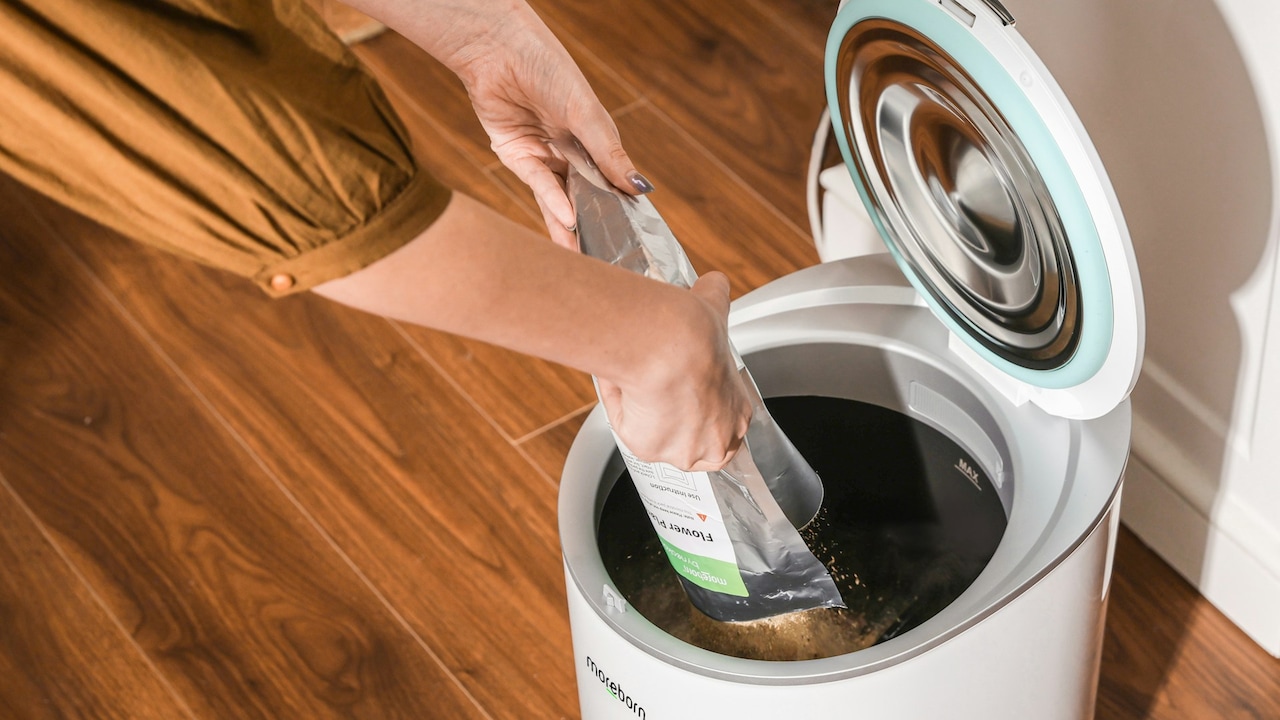
Battery life can often make smart dustbins a hassle for households
Photo Credit: Unsplash
Cleaning A Smart Dustbin Requires Extra Care
Every dustbin needs cleaning, but a smart one demands a little more attention. Its lid contains sensors, wiring and sometimes a motor. These parts should not be soaked, scrubbed aggressively or rinsed under running water.
The removable bucket or outer body may be easy to wash, depending on the material. Stainless-steel models resist stains and look elegant, though fingerprints can appear quickly. Plastic models feel lighter and usually cost less, but strong food colours may leave marks over time.
The sensor area should be wiped gently with a soft, slightly damp cloth. Grease or dust on the sensor can reduce accuracy. The lid mechanism also needs occasional inspection because food particles may block smooth movement.
A well-fitted liner makes cleaning easier. Some models include an inner ring that hides the bag edges and prevents slipping. This small design feature can save more effort than flashy controls.
The unpleasant truth remains simple: smart technology does not clean the bin. Someone still has to empty, wipe and deodorise it. The advantage lies in fewer fingerprints and spills on the lid, not freedom from cleaning altogether.
Size And Shape Matter More Than Smart Features
A stylish sensor lid means little if the bin fills up before lunchtime. Capacity should match the room, household size and type of waste. Compact models work well in bathrooms or bedrooms, while kitchens usually require larger bins.
A capacity between 30 and 50 litres may suit many family kitchens, although waste-separation habits can change that requirement. Households that compost food waste may need a smaller general bin. Those using one bin for most daily rubbish may require more space.
Shape also affects convenience. Slim rectangular bins fit neatly against walls or beside cabinets. Round bins may waste floor space in narrow kitchens. The opening should be wide enough for plates to be cleared without spills.
Height deserves attention too. A very low bin may require bending, while an unusually tall one can interfere with counters. Sensor placement should remain accessible without accidental activation.
Before purchasing, measuring the intended space prevents disappointment. Product photographs often make bins appear smaller than they are. A bulky ₹8,000 model wedged beside the refrigerator will not feel luxurious.
Practical dimensions usually matter more than app controls, digital displays or dramatic product names. The smartest bin is the one that fits naturally into the room.
Touch-Free Bins Can Improve Accessibility
Automatic bins can make everyday life easier for elderly family members, people with joint discomfort and anyone with limited hand movement. Lifting a tight lid or pressing a stiff pedal may seem simple, but repeated movement can cause discomfort.
A motion-activated lid removes the need to bend, grip or apply pressure. This can be helpful in kitchens, bathrooms and bedrooms. A lightweight opening mechanism also benefits people carrying a child, holding a walking aid or managing rubbish with both hands occupied.
Accessibility depends on reliable design. The sensor should respond at a comfortable height, and the lid should remain open long enough for safe disposal. Sudden closing can startle users or catch a loose sleeve. Quiet movement is another useful feature, especially in homes with babies or light sleepers.
The bin should also remain stable. A top-heavy model may tip when touched, while a narrow base can slide on smooth tiles. Anti-slip feet and a sturdy body improve safety.
Although smart bins often appear to be lifestyle gadgets, their greatest value may be practical independence. A thoughtful design can remove one small physical challenge from the day, which matters more than futuristic styling.
The Higher Price Needs Practical Justification
A basic plastic bin may cost a few hundred rupees, while a dependable sensor model can cost several thousand. Premium steel bins with advanced features may cross ₹10,000. The price difference makes sense only when the extra convenience matches the household's needs.
For a frequently used kitchen, the investment may feel worthwhile. Reduced contact, automatic closing and better odour control can improve daily comfort. In a rarely used guest room, however, the sensor may offer little value beyond appearance.
Build quality should guide the decision. A cheap motor that fails after six months turns the bin into an expensive container with a heavy lid. Warranty coverage, replacement parts and customer support deserve attention before purchase.
Users should also consider ongoing costs such as batteries, specialised liners and repairs. Standard liners are easier and cheaper to replace than brand-specific bags.
A sensible approach is to pay for useful features rather than novelty. Reliable sensors, durable hinges, a removable inner bucket and manual controls matter more than glowing displays. A smart bin should earn its place through daily usefulness. Otherwise, it risks becoming another gadget that looked exciting online and ordinary at home.
Smart Dustbins Still Depend On Responsible Waste Habits
Technology can improve the way rubbish enters a bin, but it cannot fix poor waste management. Food waste left for days will still smell. Liquids poured into the liner will still leak. Recyclable packaging mixed with wet scraps will still become difficult to sort.
A smart bin works best when the household follows a clear routine. Wet waste should be emptied frequently. Dry waste should remain clean where possible. Liners should fit securely, and the bin should be washed before odours settle into the material.
It is also worth checking local collection practices. Separate containers may be more useful than one large automatic bin. Some households may benefit from a small sensor bin for food scraps and a regular bin for dry packaging.
The automatic lid can encourage cleaner habits, but it should not encourage thoughtless disposal. Convenience sometimes makes people forget what happens after rubbish leaves the kitchen.
A truly smart approach combines good design with responsible behaviour. The sensor handles the lid; people still handle the choices. That partnership determines whether the bin improves cleanliness or simply hides a growing mixture of waste behind a polished steel surface.
A Smart Dustbin Works Best In The Right Home
Not every household needs an automatic bin. A simple pedal bin may already offer hands-free use at a lower price. It requires no batteries, responds instantly and survives rough handling. For many people, that remains the most practical option.
A sensor bin suits homes where cooking happens often, hygiene receives close attention and family members appreciate touch-free convenience. It also works well in modern kitchens where neat appearance matters. Homes with curious pets or very young children may need a model with a lock or adjustable sensor.
The decision should reflect routine rather than trends. Someone who empties the bin daily may value easy liner replacement more than odour filters. A person living alone may prefer a compact model. A large family may prioritise capacity and durability.
Trying a smaller, reasonably priced model can be a sensible starting point. There is no need to begin with the most expensive version.
The right smart dustbin quietly improves the day. The wrong one opens every time the family dog passes, demands batteries during dinner and occupies half the kitchen corner. Smartness depends less on automation and more on suitability.
Products Related To This Article
1. The Better Home Stainless Steel 15L Smart Sensor-Activated Dustbin For Home
2. BUILDSKILL 15 Litre Smart Sensor Dustbin for Home
3. ELPHECO Plastic Touchless Trash Can
4. InstaCuppa Automatic Touchless Motion Sensor Dustbin
5. Zollyss Motion Sensor Dustbin 15L
6. Lifelong Automatic Motion-Sensor Dustbin with Slow Descent
7. Obsessions EKO 70L Plastic Step Bin with Pedal
A touch-free dustbin can make a home cleaner and more convenient, particularly in a busy kitchen. It reduces direct contact with the lid, keeps waste covered and supports a smoother cooking routine. It can also help elderly users and people with limited mobility manage rubbish more comfortably.
However, the hygiene benefits have limits. The bin still needs regular emptying, proper liners and careful cleaning. Sensors can misbehave, batteries can fail and low-quality motors may not last. Capacity, shape, placement and build quality often matter more than impressive electronic features.
A smart dustbin makes sense when its convenience will be used every day. It may be worth spending ₹2,000 to ₹6,000 on a reliable model for a frequently used kitchen. Paying much more requires stronger reasons, such as premium materials, better sealing or a long warranty.
Ultimately, a touch-free bin is not an essential appliance, but it can be a thoughtful upgrade. Choose one that fits the available space, accepts standard liners and includes manual controls. When matched with sensible waste habits, it becomes more than a shiny gadget. It becomes one of those quiet household helpers that earns appreciation every time messy hands approach with a pile of onion peels.
(Disclaimer: This article may include references to or features of products and services made available through affiliate marketing campaigns. NDTV Convergence Limited (“NDTV”) strives to maintain editorial independence while participating in such campaigns. NDTV does not assume responsibility for the performance or claims of any featured products or services.)







![Steam Iron Teflon Shoe Cover for ES-300,ST-96 [Only For ES-300 and ST-96 Model Electric Steam Irons]](https://m.media-amazon.com/images/I/51wwkttondL._SL160_.jpg)