Wooden, Plastic Or Metal Shoe Rack With Door: Which One Is Best For Monsoon Weather?
Compare wooden, plastic and metal shoe racks with doors to find the best choice for monsoon weather, based on moisture resistance, durability, ventilation, maintenance and value.
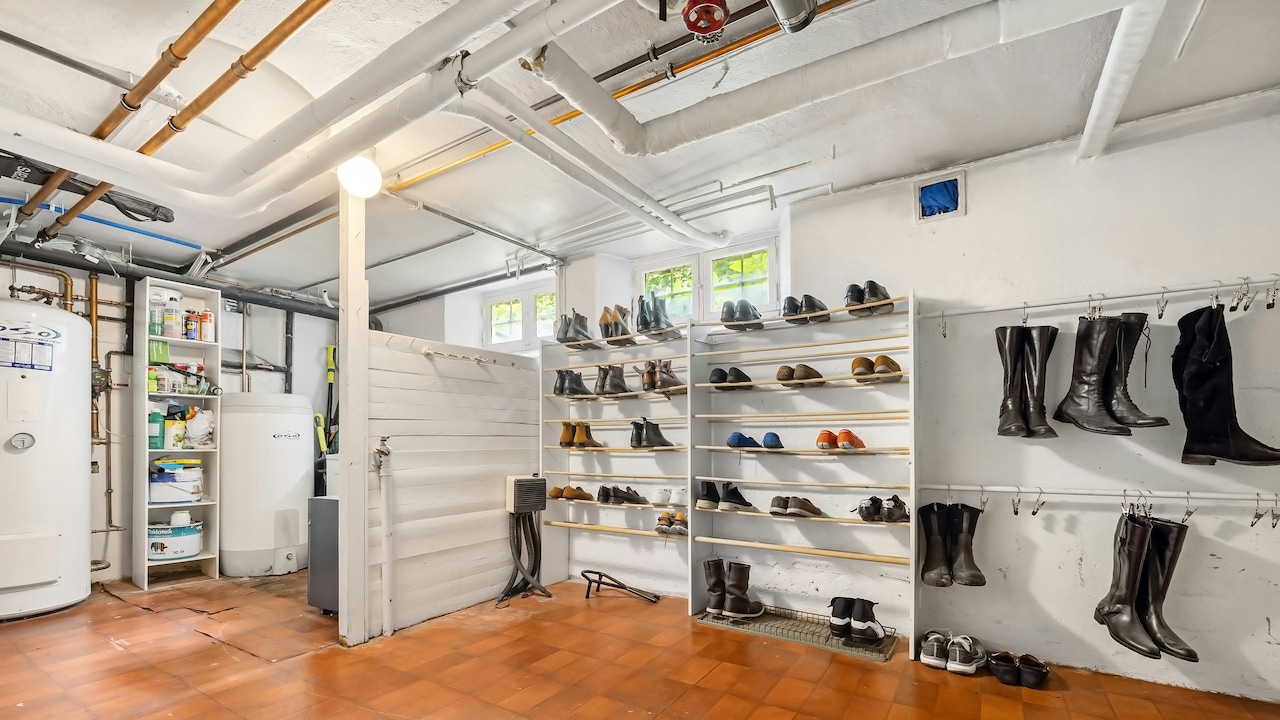
Wooden Vs Plastic Vs Metal Shoe Rack With Door: Best Choice For Monsoon
The first spell of rain can make a dusty neighbourhood look freshly washed. It also turns everyday footwear into a collection of dripping sandals, muddy school shoes and office loafers that refuse to dry. Leaving them near the doorway creates clutter. Keeping them inside a closed cabinet too soon can trap moisture and produce unpleasant odours. In severe cases, dampness may encourage mould, weaken adhesives and damage expensive leather footwear. A shoe rack with doors seems like the obvious solution, yet choosing one is not simply a matter of matching it with the living room sofa.

Wooden Vs Plastic Vs Metal Shoe Rack With Door: Best Choice For Monsoon; Photo Credit: Pexels
Wood, plastic and metal react very differently to humid air, wet floors and careless handling. A beautiful rack may swell after repeated exposure to water. A practical one may survive every downpour but look slightly out of place in a formal living room. Another may offer excellent airflow but demand regular protection against rust.
The best choice depends on the home, the entrance area, the number of shoes and the patience available for maintenance. The following comparison looks beyond appearances to find which material handles monsoon weather most effectively.
Also Read: Space-Saving Solutions: Top 5 Compact Shoe Racks Under ₹3,500
Comparing Shoe Rack Materials For Monsoon Use
1. Moisture Resistance Matters Most
Monsoon weather tests a shoe rack long before its hinges or shelves wear out. Moisture enters through wet soles, damp umbrellas, humid air and floors that remain slightly clammy for hours. For this reason, water resistance deserves more attention than colour, shape or decorative handles.
Plastic performs best when direct contact with water is common. It does not absorb moisture, and an occasional splash rarely causes trouble. A quick wipe usually restores the surface. Metal also resists water, provided it has a reliable powder-coated or rust-resistant finish. Scratched or poorly coated sections, however, may begin to corrode.
Wood requires greater care. Solid wood can tolerate seasonal humidity when properly seasoned and sealed, but engineered boards may swell if water reaches their edges. Once swollen, shutters may stop closing neatly, and shelves can lose their shape.
A covered entrance gives wooden racks a fair chance. An exposed balcony or utility area favours plastic. Metal sits comfortably between the two, especially when the rack stands away from constant splashes. During the rains, moisture resistance is not an optional feature; it is the entire match.
2. Ventilation Can Save Your Shoes
Doors hide footwear from view, but fully sealed cabinets can turn into miniature steam rooms. Wet shoes release moisture slowly. Without airflow, that moisture remains trapped with sweat, dust and yesterday's puddle water. The resulting fragrance is rarely one that guests appreciate.
A good monsoon shoe rack needs vents, perforations, slatted shutters or small gaps that allow air to circulate. Metal racks often handle this well because many designs use mesh shelves or punched doors. Such openings help footwear dry faster without leaving everything visible.
Plastic models vary widely. Some include ventilated panels, while cheaper enclosed cabinets may offer almost no airflow. Adding small vents may help, but careless modifications can weaken thin plastic. Wooden racks with louvred doors provide excellent ventilation and look elegant. Completely solid wooden shutters, on the other hand, need regular airing.
Whatever the material, wet footwear should not go straight into the cabinet. Let it drain on a mat first, remove loose mud and keep the rack doors open for a while. Even the finest rack cannot defeat humidity when six pairs of soaked shoes arrive together after a family outing.
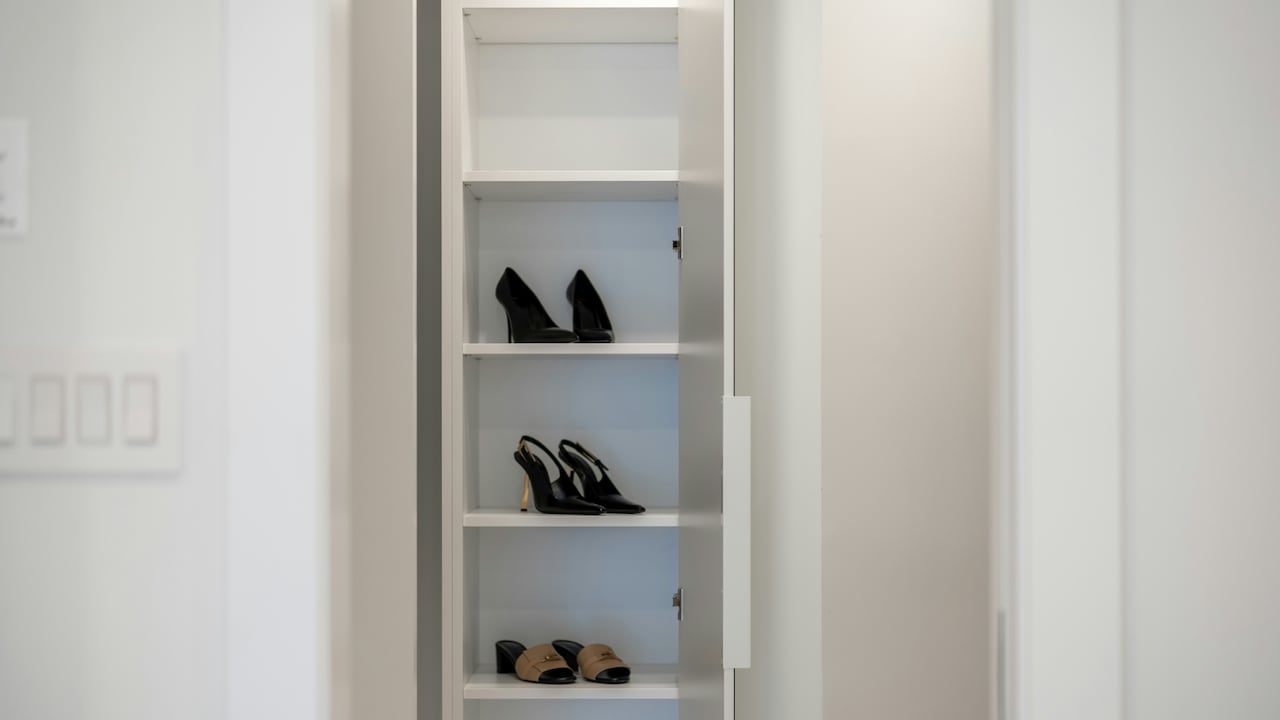
Wooden Vs Plastic Vs Metal Shoe Rack With Door: Best Choice For Monsoon; Photo Credit: Pexels
3. Wooden Racks Bring Warmth And Style
Wooden furniture has an easy charm. It makes an entrance feel settled, welcoming and thoughtfully arranged. A rack in teak, sheesham or a convincing wood finish can blend with a console table, prayer cabinet or living-room décor. Plastic and metal often look practical; wood tends to look like part of the home.
That beauty comes with conditions during the monsoon. Solid wood fares better than low-grade particle board, especially when treated with polish, laminate or moisture-resistant coating. Engineered wood can still work indoors, but exposed edges and joints need protection. A single leaking planter or repeatedly wet mop may cause swelling near the base.
Raised legs are especially useful. They keep the cabinet away from damp flooring and make cleaning easier. Ventilated shutters also reduce trapped moisture. Applying a suitable protective finish before the rainy season can extend the rack's life.
A quality wooden shoe rack may cost anywhere from around ₹4,000 to well above ₹20,000, depending on size and timber. It suits covered foyers and dry indoor passages best. Think of it as the well-dressed guest at a monsoon gathering: impressive, but happiest under a roof.
4. Plastic Racks Handle Wet Conditions Easily
Plastic shoe racks may not win every interior design contest, but they understand rainy weather remarkably well. Water does not make them swell, peel or rust. Muddy marks can be wiped away with a damp cloth, and stubborn dirt usually comes off with mild soap.
Their light weight makes them easy to move during cleaning or when water enters the balcony. Families living in rented homes may also appreciate a rack that can be dismantled and transported without calling a carpenter or negotiating with three neighbours on the staircase.
The weakness lies in build quality. Thin plastic may bend under heavy shoes, crack near hinges or become unstable when overloaded. Dark-coloured footwear cabinets placed in strong sunlight can also heat up, while poor-quality plastic may become brittle over time. Doors on budget models sometimes require a gentle hand rather than the enthusiastic slam commonly delivered by children rushing to school.
Prices often begin near ₹1,000 and may reach ₹6,000 or more for sturdier, better-finished designs. For balconies, utility spaces and entrances exposed to rain, plastic remains the safest low-maintenance choice. It may not look royal, but it rarely panics when the clouds open.
5. Metal Racks Offer Strength And Airflow
Metal shoe racks bring a reassuring sense of strength. They can hold heavy boots, sports shoes and crowded family collections without shelves sagging in protest. Slim frames also provide generous storage without making a small entrance feel bulky.
For monsoon use, powder-coated steel or aluminium works better than untreated iron. A durable coating creates a barrier against moisture, while aluminium naturally resists rust. Mesh shelves and perforated doors improve ventilation, making metal racks particularly useful for damp footwear.
Rust remains the main concern. Water that collects around screws, welded joints or scratched corners may eventually leave brown marks. Once corrosion begins, it can spread beneath the coating. Regular wiping and quick touch-ups with anti-rust paint help prevent this. Rubber feet are useful too, as they keep the frame away from wet flooring.
Metal racks generally cost between ₹2,000 and ₹12,000, depending on construction, size and finish. They suit modern interiors, covered balconies and busy households. Their appearance can feel slightly industrial, though newer designs soften the look with wooden tops, coloured coatings and clean shutters. Metal is the dependable all-rounder, provided rust does not receive an open invitation.
6. Maintenance Can Change The Final Choice
A shoe rack may look perfect in a showroom, but the real question appears on a rainy Tuesday morning: how much work does it need? Maintenance habits often matter more than material claims printed on a label.
Plastic requires the least effort. Wipe away water, wash removable shelves occasionally and check whether hinges remain secure. Harsh scrubbers should be avoided because scratches can collect dirt and make the surface look tired.
Metal needs prompt drying, especially around corners and fasteners. Small chips in the coating should not be ignored. A dab of protective paint can prevent a tiny mark from becoming a rusty patch. Wooden racks demand the most attentive care. Wet shoes should never touch the panels directly, and water must not remain near the base. Polishing or resealing may be needed periodically.
Busy homes with little time for furniture care will find plastic easier. Those willing to perform seasonal maintenance can enjoy wood or metal without much trouble. No rack is truly maintenance-free, despite what cheerful packaging may suggest. The difference lies in whether upkeep involves a quick cloth wipe or a full weekend conversation with polish, sandpaper and regret.
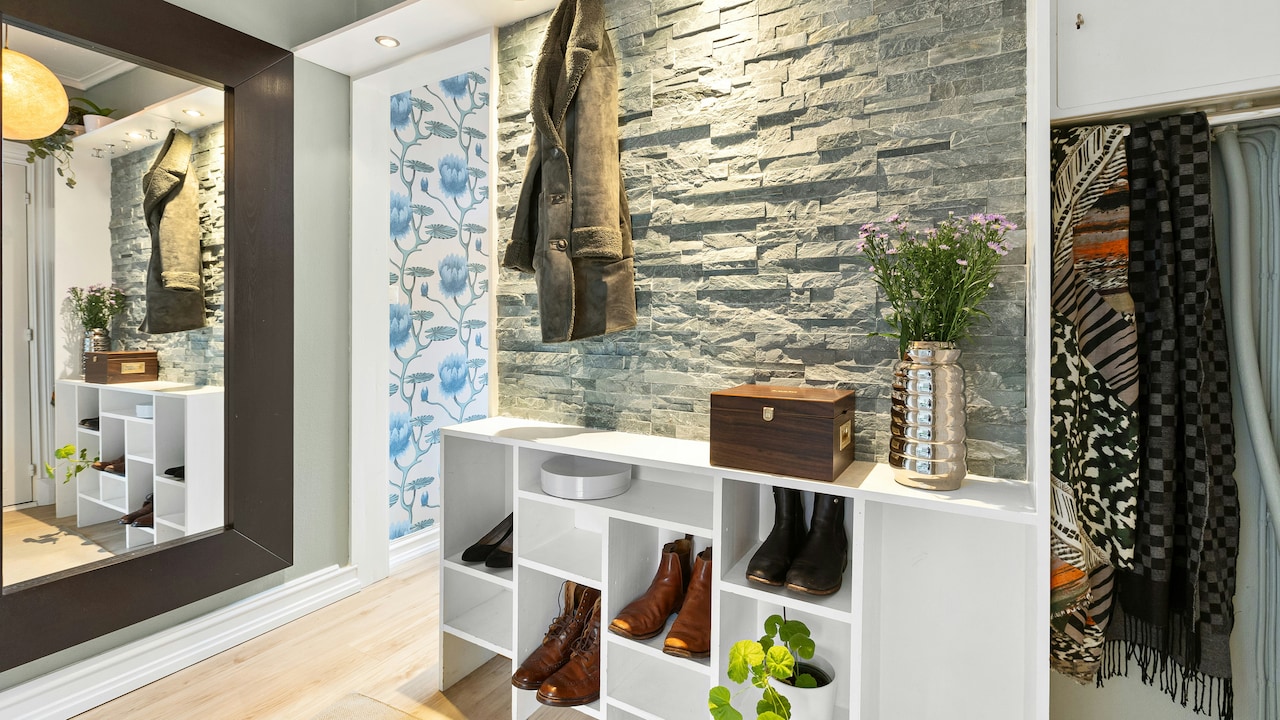
Wooden Vs Plastic Vs Metal Shoe Rack With Door: Best Choice For Monsoon; Photo Credit: Pexels
7. Durability Depends On Placement
Material alone does not decide how long a shoe rack lasts. Placement plays an equally important role. A wooden cabinet in a dry hallway may remain attractive for years, while the same cabinet near an open balcony could show damage within one wet season.
Plastic handles exposed areas better, but constant sunlight may weaken it. A shaded balcony or covered utility zone offers a more suitable location. Metal works well in semi-open spaces when the coating remains intact and the floor does not stay wet. Keeping any rack a few centimetres away from the wall also helps air move behind it and prevents hidden damp patches.
The floor surface matters too. Water often gathers near entrance thresholds, balcony drains and wash areas. Raised legs or a sturdy base protect the cabinet and make puddles easier to spot. A washable mat placed nearby can catch dripping water before it reaches the rack.
Avoid squeezing the cabinet beside a damp wall simply because the corner looks convenient. Monsoon damage often begins where nobody checks. The right placement can make an average rack last longer, while poor placement can defeat even an expensive model.
8. Storage Capacity Should Match The Household
A compact shoe rack may look neat online, yet reality arrives with school shoes, office footwear, slippers, sandals, running shoes and the special pair saved for weddings. During the monsoon, extra space becomes even more important because damp footwear should not be packed tightly together.
Wooden racks often provide deep shelves and a furniture-like structure, making them suitable for formal entrances and larger collections. Adjustable shelves are useful for heels, high-top shoes and bulky sports footwear. Metal racks usually offer excellent vertical capacity and can carry heavier loads without bending.
Plastic cabinets work well for moderate collections, but shelf strength must be checked. Overloading can cause panels to bow or connectors to loosen. Modular plastic units allow extra sections to be added, although too many extensions may make the structure wobbly.
As a simple rule, choose a rack with at least twenty per cent more capacity than the current collection. The spare room helps airflow and leaves space for future purchases. Shoe collections have a mysterious habit of growing, particularly around festive sales. A rack that fits everything comfortably remains tidier, dries footwear better and avoids the familiar sight of one lonely slipper guarding the doorway.
9. Hygiene And Odour Control Need Attention
Monsoon footwear carries more than water. Mud, bacteria, sweat and roadside grime enter the home with every pair. A closed shoe rack can contain the mess, but it may also trap odours unless cleaned regularly.
Plastic offers the easiest deep cleaning. Shelves can usually be wiped with diluted mild disinfectant and dried quickly. Metal mesh allows dirt to fall through, so the floor beneath needs attention. Removable trays make cleaning simpler. Wooden shelves should not be soaked. A lightly damp cloth followed by immediate drying is safer.
Natural odour absorbers such as baking soda, activated charcoal or dried neem leaves can help, but they cannot replace ventilation. Damp newspaper may absorb water from shoes, though it should be removed before it becomes another soggy resident. Silica gel packs can reduce moisture inside the cabinet, provided they are kept away from young children and pets.
The rack should be emptied and aired every few weeks during heavy rain. Mud trays need washing, corners need checking, and mould spots require immediate treatment. A clean shoe rack does not merely protect footwear. It also prevents the entrance from announcing the day's weather before anyone says hello.
10. The Best Material Depends On The Space
There is no universal winner because every entrance faces a different version of the monsoon. A flat with a protected foyer has different needs from a ground-floor home where rainwater reaches the doorway. Budget, décor and maintenance preferences also shape the decision.
For an indoor entrance that remains dry, a ventilated solid-wood or moisture-resistant engineered-wood rack offers the best appearance. It feels refined and blends naturally with home furniture. Careful placement and occasional polishing remain essential.
For a balcony, wash area or doorway exposed to splashes, plastic is the most practical option. It resists moisture, cleans easily and costs less to replace. Choose thick panels, sturdy hinges and ventilation rather than the cheapest available model.
For households seeking strength, airflow and a modern look, powder-coated metal provides the best balance. Aluminium is particularly useful where humidity remains high, while steel needs a strong protective finish.
A mixed-material design can also work beautifully. Metal frames with wooden shutters, or wooden cabinets with metal mesh panels, combine style and ventilation. The final decision should reflect the rack's actual location, not just the photograph that looked charming at midnight.
Products Related To This Article
1. amazon basics Plastic Shoe Rack
2. ABOUT SPACE PP Plastic 24 Pair Diy Shoe Rack For Home With Door
3. BOXJOY 5 Shelf Shoe Rack with 5 Doors
4. FLIPZON Plastic Multipurpose 5 Shelves Shoe Rack with Zip Door Cover & Side Pockets
5. amazon basics Plastic Shoe Rack
6. EASY BUY 6 Layer Black Shoe Rack with Cover
7. Mevigo Plastic Shoe Rack for Home with Door
For monsoon weather, plastic wins on water resistance and easy maintenance. Metal follows closely, offering better strength and ventilation but requiring protection from rust. Wood takes first place for appearance, though it needs a dry, sheltered spot and more attentive care.
The most sensible choice depends on where the rack will stand. Choose plastic for exposed or frequently wet spaces. Select powder-coated metal for durability and airflow. Reserve wooden cabinets for covered indoor entrances where moisture can be controlled.
Whichever material enters the home, ventilation remains crucial. Drain wet footwear before storage, wipe the shelves regularly and leave enough space between pairs. A closed shoe rack should hide clutter, not preserve dampness like a family secret.
Monsoon mornings already bring enough drama: missing umbrellas, delayed autos and clothes that refuse to dry. The shoe rack should not add swollen doors, rusty corners or mysterious smells to the story. A thoughtful choice keeps the entrance organised, footwear protected and the rainy season far more pleasant.
(Disclaimer: This article may include references to or features of products and services made available through affiliate marketing campaigns. NDTV Convergence Limited (“NDTV”) strives to maintain editorial independence while participating in such campaigns. NDTV does not assume responsibility for the performance or claims of any featured products or services.)