Drying Stand Buying Guide: Load Capacity, Rod Spacing And Rust Resistance Explained
Choose the right drying stand by checking load capacity, rod spacing and rust resistance. This guide helps you pick a sturdy, space-saving option that dries clothes faster and lasts through daily use and damp weather.
Drying Stand Buying Guide: Load Capacity, Rod Spacing And Rust Resistance Explained
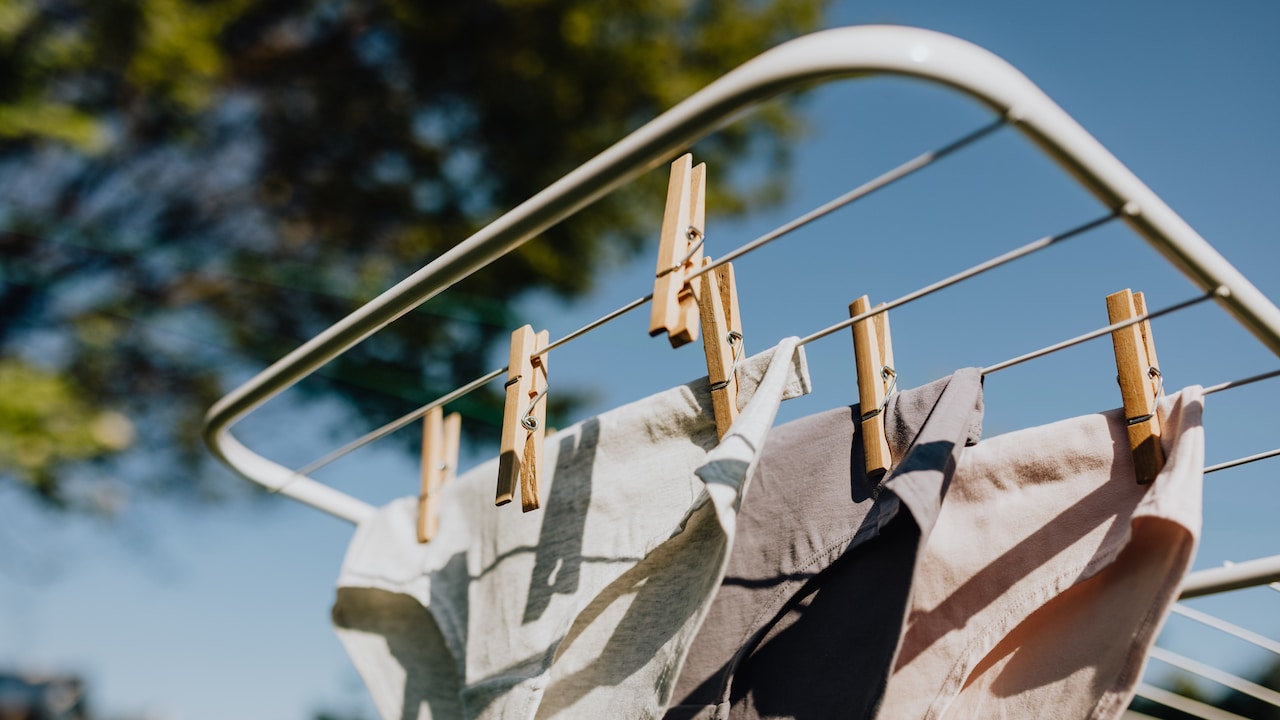
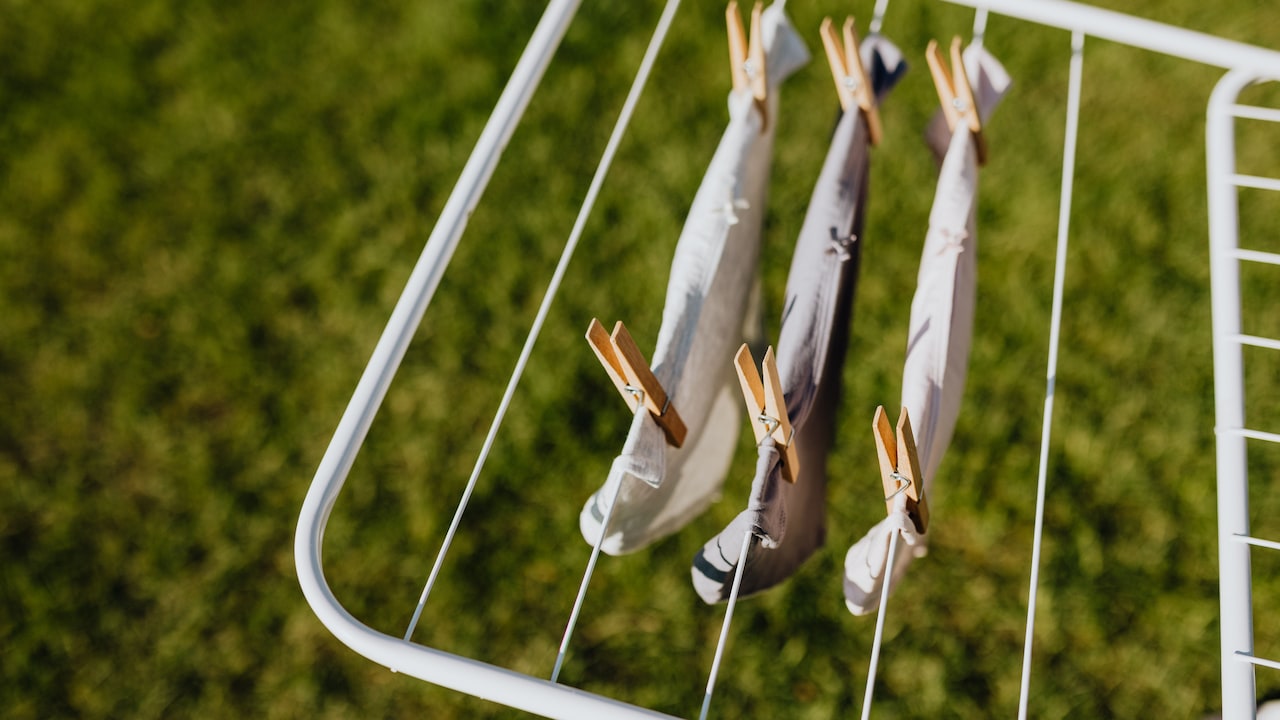
A drying stand rarely gets the spotlight in home shopping. People compare washing machines, detergents and fabric softeners with great seriousness, then pick a drying stand in a hurry. That is usually when trouble begins. The rods bend, the joints wobble, clothes overlap, rust appears near the corners, and a perfectly washed kurta ends up with strange orange marks. In many homes, the drying stand works harder than it gets credit for. It holds school uniforms before morning rush, towels after bath time, bedsheets after weekend washing, and delicate clothes that cannot face harsh sunlight. During monsoon, it becomes nothing less than a household hero.
Drying Stand Buying Guide: How To Choose The Right One For Your Home
Photo Credit: Pexels
A good drying stand does not merely hold clothes. It saves space, improves airflow, protects fabric and keeps laundry routines calmer. The best one depends on how much laundry the home handles, where the stand will sit, and how often it will face moisture. Load capacity, rod spacing and rust resistance may sound technical, but they decide whether the stand lasts for years or gives up before the next festival cleaning spree.
Key Factors To Check Before Buying A Drying Stand
Understand Your Daily Laundry Load
The first question sounds simple: how much laundry needs drying at one time? Yet many buyers skip it and regret the choice later. A small stand may look neat in the shop, but it can feel useless after a full washing machine cycle. Wet clothes weigh much more than dry clothes. A pair of jeans, bath towels and bedsheets can turn a light stand into a nervous trapeze artist.
For a single person or a couple, a compact stand with moderate capacity can work well. A family with children needs something sturdier, with enough rods and a wider frame. Homes that wash clothes twice a week need greater capacity than homes that run the washing machine daily.
Look beyond the number of rods. Check how much weight the stand can carry without bending. A good stand should handle wet towels, denim and cotton bedsheets without shaking at every touch. Paying ₹500 extra for a stronger frame often saves money later, especially when the cheaper one starts leaning like an old cycle stand.
Check The Real Load Capacity
Load capacity should never remain just a number on the box. Some stands claim impressive strength, but their rods, hinges or plastic joints tell another story. The frame must distribute weight evenly. When a stand has weak corners, even a decent rod can sag under wet clothes.
A stand for regular family use should feel steady when opened fully. Press the rods gently while shopping, if possible. They should not flex too easily. The legs must sit flat on the floor, not rock like a wobbly tea stall table. For online purchases, read reviews that mention jeans, bedsheets and towels. These real-life tests matter more than glossy product photos.
Large wings on foldable stands add useful space, but they also need strong support. If the wings droop after loading, clothes bunch together and dry slowly. The best stands balance capacity with structure. Bigger does not always mean better. A tall, poorly built stand can collapse under pressure, while a compact, well-engineered one may carry everyday laundry with quiet confidence.
Give Rod Spacing Proper Attention
Rod spacing decides how well clothes breathe. When rods sit too close, garments overlap and trap moisture. That leads to that familiar damp smell that no amount of fancy detergent can hide. Proper spacing allows air to move between shirts, towels and trousers. Clothes dry faster and feel fresher.
For daily wear, moderate spacing works well. For thicker items like towels, jeans and sweatshirts, wider gaps help a lot. A stand with many rods may look attractive, but tightly packed rods can reduce drying efficiency. It becomes like squeezing too many people into a local train compartment during office hours; everyone fits, but nobody feels comfortable.
Good spacing also makes hanging easier. Clothes should not need wrestling, folding or clever engineering just to sit on the rod. Wider rods help prevent deep crease lines too. This matters for office shirts, kurtas and school uniforms, especially on busy mornings when ironing already feels like a punishment. Before buying, imagine a full wash load on the stand, not just three neatly arranged T-shirts from the product photo.
Also Read: Small Balcony Laundry Problems? A Smarter Drying Stand Could Solve The Problem
Choose The Right Rod Thickness
Rod thickness affects both strength and fabric care. Thin rods may bend under heavy garments and leave sharper crease marks. Thick rods offer better support and hold clothes more gently. They also spread the weight across a larger surface, which helps delicate fabrics keep their shape.
Stainless steel and coated metal rods often look similar from a distance, but their feel can differ. A rod should feel firm, smooth and well-fixed into the frame. Rough edges can pull threads from dupattas, scarves and soft cotton tops. A quick hand check can reveal a lot. Smooth rods mean fewer snags and less irritation.
Thicker rods suit homes that often dry towels, denim and bedsheets. Slimmer rods may work for light clothes, but they need strong material and good support. Do not judge thickness only by appearance. Some hollow rods look broad yet feel flimsy. A good rod has both width and strength. Laundry may seem harmless, but wet fabric can test a stand like a gym trainer tests beginners after New Year resolutions.
Drying Stand Buying Guide: How To Choose The Right One For Your Home
Photo Credit: Pexels
Look For Strong Rust Resistance
Rust resistance matters in every home, not only in places with coastal weather. Bathrooms, balconies, wet floors and monsoon air create enough moisture to attack poor-quality metal. Once rust begins, it spreads quietly. Soon the stand looks old, leaves stains and becomes unpleasant to handle.
Stainless steel usually offers better rust resistance than ordinary painted iron. However, not every shiny stand gives the same protection. Check whether the product mentions stainless steel grade, anti-rust coating or powder-coated finish. Powder coating can help, but scratches may expose metal underneath. Once exposed, moisture starts its mischief.
Pay attention to joints, screws and rod ends. Rust often starts there because water collects in small gaps. A stand may have decent rods but weak connectors. That creates problems after a few months of regular use. Homes that dry clothes indoors during rains should take rust resistance seriously. A slightly higher price can feel worthwhile when the stand still looks clean after several seasons instead of turning into a science experiment in corrosion.
Match The Stand To Your Space
A drying stand must suit the home, not the other way round. A large stand may offer generous capacity, but it can block half the room in a compact flat. A small one may save space yet force clothes to overlap. The trick lies in finding the right balance.
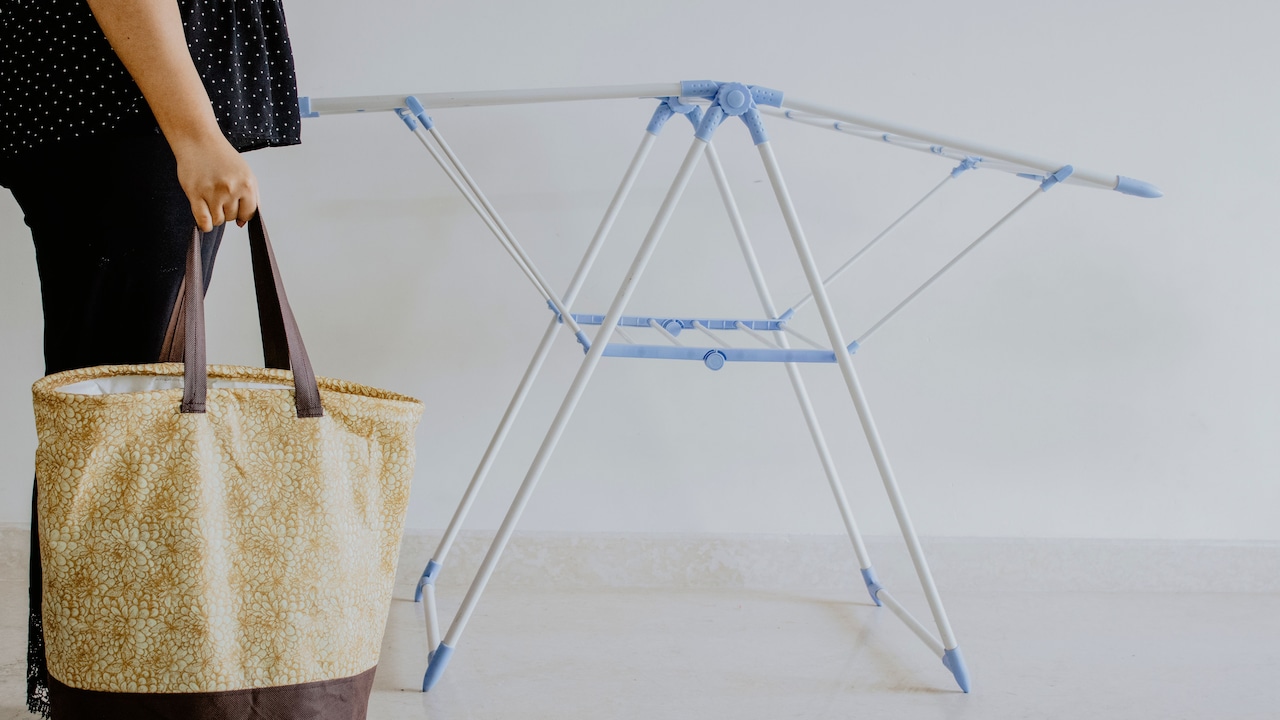
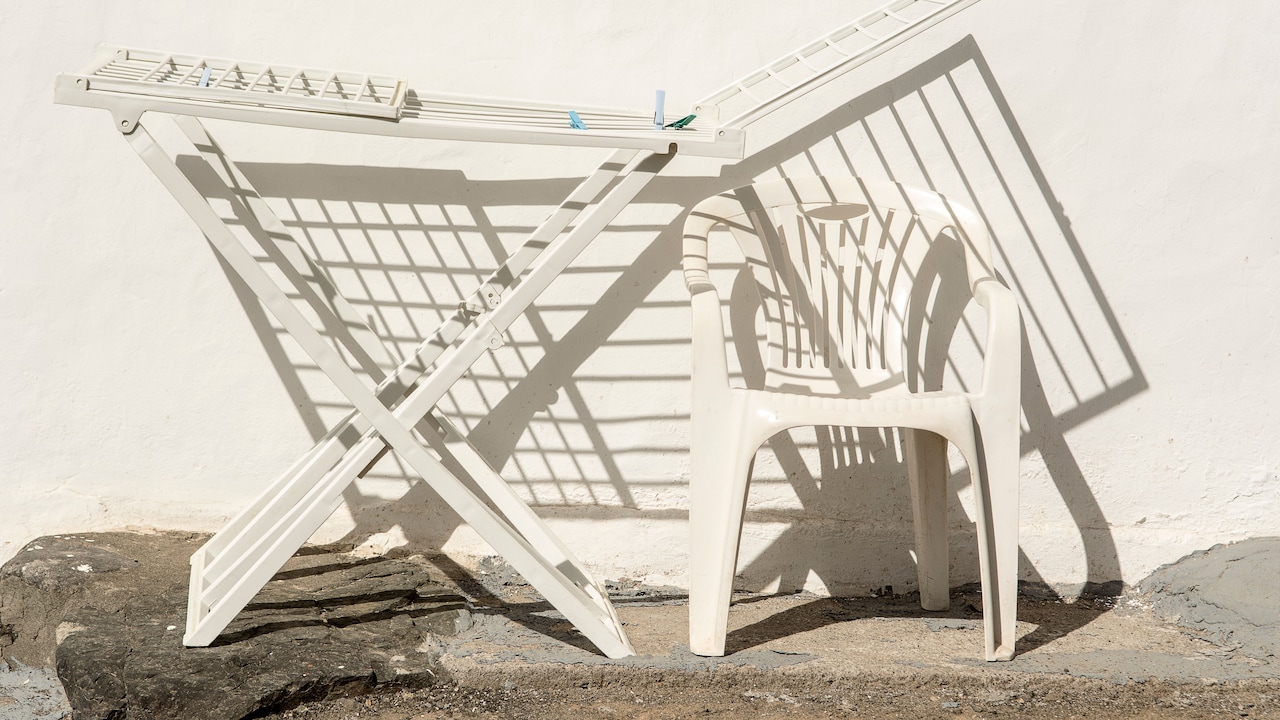
Measure the spot where the stand will sit. Balconies, utility areas, bathrooms and spare corners each demand different designs. Foldable wing stands suit homes that need flexibility. Vertical tower stands work well in narrow spaces because they use height instead of floor area. Wall-mounted or ceiling-mounted options can help when the floor already hosts shoes, buckets, plants and the occasional cricket bat.
Check the stand's open and folded size. Many buyers only notice the folded size and then discover that the open stand needs royal treatment. It should move easily through doors and fit where air circulates. A stand crammed into a dark corner will slow drying, no matter how costly it is. Space planning saves daily frustration.
Pick A Stable And Safe Design
A drying stand should stand firm, even when loaded unevenly. Real life does not arrange clothes with showroom perfection. Someone will hang two wet towels on one side and one handkerchief on the other. A good stand should handle such chaos without tipping over.
Look for wide legs, anti-skid feet and strong hinges. Anti-skid caps protect tiles and stop the stand from sliding when someone brushes past it. This matters in homes with children, elderly family members or pets that believe every household object exists for entertainment. A shaky stand can cause spills, falls, or freshly washed clothes landing straight on the floor.
Foldable designs should lock properly when open. Hinges must move smoothly but not feel loose. Cheap hinges often become noisy or unstable after repeated use. A safe design also avoids sharp edges. Rod ends, screws, and corners should feel smooth. Laundry days already involve enough bending, sorting and searching for missing socks. Nobody needs a stand that scratches hands or attacks ankles like a silent villain.
Think About Indoor Drying Needs
Indoor drying becomes essential during monsoon, dusty days or peak summer afternoons when harsh sunlight can fade clothes. A stand meant for indoor use should allow good airflow and fit comfortably near a window, fan or ventilated corner. Without airflow, clothes stay damp and develop a stale smell.
For indoor drying, rod spacing and layout matter even more. A tower-style stand may save floor space, but if the layers sit too close, lower clothes may dry slowly. Wing-style stands allow better spreading, though they take more room. Choose according to the home's drying pattern.
Lightweight stands help when clothes need shifting from balcony to bedroom as weather changes. However, too light can mean unstable. The stand should move without drama but remain steady once loaded. Rubber feet help protect flooring, especially on tiles or wooden surfaces. Indoor stands also need rust resistance because water droplets can sit on rods for hours. Good design makes indoor drying less messy and keeps the home from looking like a textile exhibition after every wash.
Compare Material And Build Quality
Material decides how the drying stand ages. Stainless steel, aluminium, powder-coated steel and plastic combinations all have strengths and weaknesses. Stainless steel offers durability and better rust resistance. Aluminium feels lighter and resists corrosion, though it may not always carry heavy loads well. Powder-coated steel can look stylish and strong, but scratches reduce protection. Plastic parts keep weight and cost down, yet poor-quality plastic can crack near hinges.
Build quality shows in small details. Check welds, joints, screws, caps and folding points. A stand with neat finishing usually lasts longer. Uneven rods, loose joints and rough corners signal future trouble. In shops, open and close the stand a few times. It should not feel like solving a puzzle box.
For online buying, zoom into product photos and scan reviews that mention long-term use. Ratings after one week do not reveal much. Reviews after six months tell better stories. A drying stand need not look luxurious, but it should feel dependable. Laundry is repetitive work, so durability matters more than fancy claims.
Balance Price With Long-Term Value
A drying stand may cost anywhere from a few hundred rupees to several thousand, depending on size, material and design. The cheapest option can tempt anyone, especially during sale season. Yet low price loses charm when rods bend, rust stains clothes or hinges break within months.
Value does not mean buying the most expensive stand. It means choosing one that suits the home's laundry load and space. A student in a rented room may not need a heavy premium model. A family of four may find a sturdy ₹2,000 to ₹4,000 stand more sensible than replacing a weak ₹800 stand twice a year.
Think about repair and maintenance too. Replaceable caps, strong screws and simple folding parts add value. A stand that cleans easily and stores neatly saves effort. Also consider how often it will move. A daily-use stand needs stronger joints than one used only for delicate clothes. Spending wisely turns a boring purchase into a quiet household upgrade. Nobody celebrates a drying stand, but everyone notices when it fails.
Maintain The Stand For Longer Life
Even a good drying stand needs basic care. Wipe the rods after drying heavy, wet clothes, especially during monsoon. Water sitting on joints and corners invites rust. Keep the stand open for a while after use so trapped moisture can escape. Folding it while damp can create musty smells and hidden corrosion.
Avoid overloading one side. Spread weight across the frame. Heavy towels, jeans and bedsheets should sit near stronger central rods rather than delicate side wings. This simple habit protects hinges and prevents bending. Clean the stand with a soft cloth instead of harsh scrubbers that scratch protective coating.
Store the stand in a dry corner when not in use. If it stays on the balcony, keep it away from constant rain spray. Sunlight helps dry clothes, but nonstop exposure can weaken plastic parts over time. Small checks also help. Tighten loose screws and replace cracked caps before they cause bigger problems. A little care keeps the stand reliable, neat and ready for the next laundry mountain.
Drying Stand Buying Guide: How To Choose The Right One For Your Home
Photo Credit: Unsplash
Products Related To This Article
1. LIVINGBASICS 3 Layer Clothes Drying Stand
2. LiMETRO STEEL Stainless Steel Foldable Cloth Dryer Stand Double Rack Cloth Stands
3. FLIPZON Premium 3 Layer Clothes Drying Stand with Wheels
4. homWell Stainless Steel Heavy Duty (6 Pipe X 6 Feet) UV Protected Nylon Ropes Individual dropdown Ceiling Cloth Dryer
5. TEX-RO 3-Tier Clothes Drying Stand with Wheels
6. Foldable Cloth Drying Stand Stainless Steel
7. Happer Premium Clothes Stand for Drying with Wheels
A drying stand may look like a small purchase, but it shapes the rhythm of everyday laundry. The right one saves space, dries clothes faster, protects fabrics and keeps the home tidier. The wrong one brings bent rods, damp smells, rust stains and that familiar sigh of regret.
Load capacity tells whether the stand can handle real wet laundry. Rod spacing decides how quickly clothes dry and how fresh they feel. Rust resistance protects both the stand and the clothes hanging on it. Along with these, space, stability, material and price all deserve attention.
A smart buyer should picture the stand in daily use: towels after morning baths, uniforms before school, bedsheets on Sunday, and clothes waiting patiently during a rainy week. When a drying stand handles all that without drama, it earns its place in the home. Choose one that fits the routine, not just the budget. Laundry may never become exciting, but with the right drying stand, it can certainly become less irritating.
(Disclaimer: This article may include references to or features of products and services made available through affiliate marketing campaigns. NDTV Convergence Limited (“NDTV”) strives to maintain editorial independence while participating in such campaigns. NDTV does not assume responsibility for the performance or claims of any featured products or services.)