Why Clothes Smell Bad Even After Washing And How To Fix Common Washing Mistakes For Fresh Clothes
Clothes still smelling after a wash? The problem may be excess detergent, a dirty drum, hard water, damp drying or poor storage. Read on to know how simple laundry mistakes trap odour and what to fix for fresher clothes.

Why Your Laundry Smells Bad Even After Washing And How To Fix It
Few household disappointments feel as personal as pulling a kurta, shirt or school uniform from the washing machine and getting a whiff of damp cupboard instead of freshness. The machine has run, the detergent has foamed, water has swirled, and still the clothes smell as if they spent the night in a closed bathroom during the monsoon. This happens more often than people admit. Busy mornings, long commutes, humid weather, compact flats, hard water and packed laundry schedules create the perfect stage for stubborn smells. The good news? Smelly laundry does not mean poor hygiene or a washing machine every time. It often points to a few everyday habits that need a small reset.
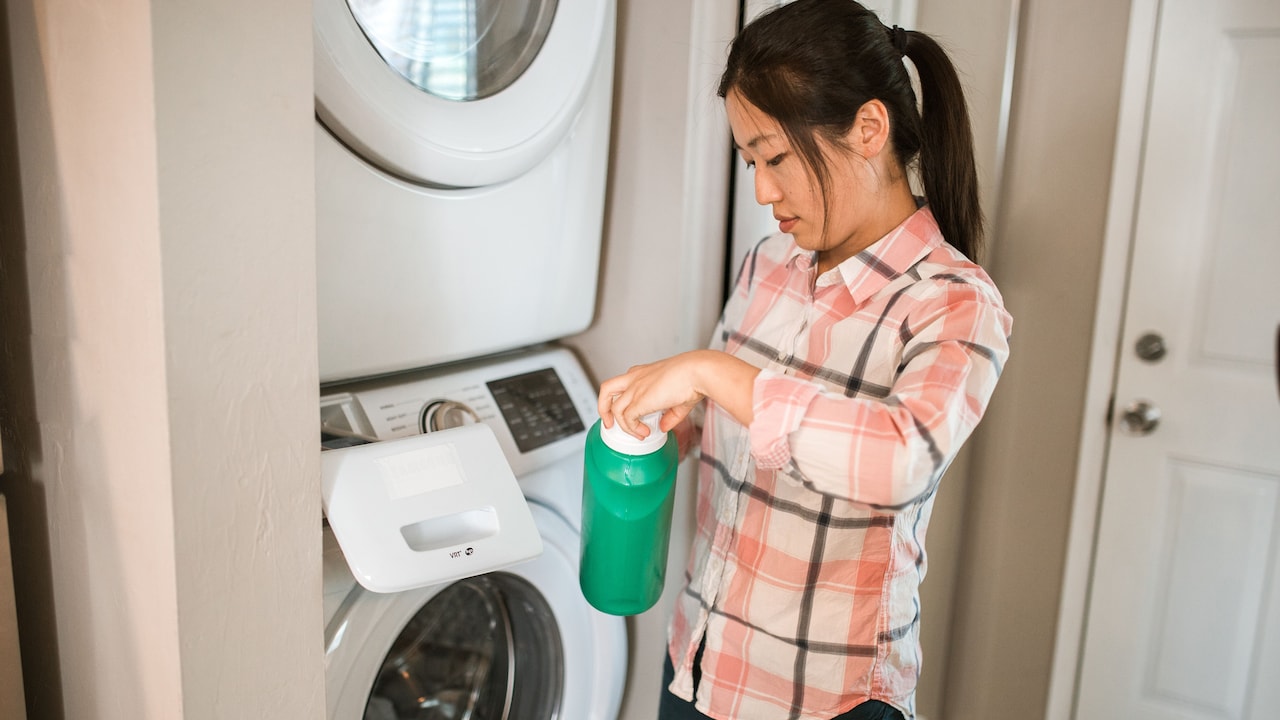
Why Your Laundry Smells Bad After Washing And How To Fix It; Photo Credit: Pexels
Laundry works best when four things behave well: detergent, water, machine and drying. When one slips, odour stays behind like an unwanted guest after a family function. The trick lies in spotting the mistake before buying another bottle of fragrant detergent or blaming the machine repair person.
Common Laundry Mistakes That Leave Clothes Smelling Bad
Too Much Detergent Can Trap Bad Smells
More detergent sounds like more cleaning, but laundry does not follow that simple logic. When too much detergent enters the wash, it creates extra residue. That sticky layer clings to fabric fibres and quietly traps sweat, body oil, food smells and dust. Clothes may look clean, yet they carry a faint sour smell once dry.
This happens often with daily wear, office shirts, socks, towels and gym clothes. A capful becomes two, especially when clothes smell strong before washing. The machine then struggles to rinse everything out. In top-load machines, the foam may look satisfying, but it can leave behind a film. In front-load machines, excess detergent becomes even more troublesome because these models use less water.
The fix feels almost too simple. Use the amount mentioned for the load size and soil level. For lightly worn clothes, use less than the maximum mark. Liquid detergent needs careful measuring, not a generous guess. A ₹10 coin-sized extra splash every wash may not look like much, but over weeks, it builds a private colony of odour inside your clothes.
Also Read: Top 5 Detergents That Keep Clothes Bright, Even In Hard Water
Too Little Detergent Leaves Sweat Behind
The opposite mistake also causes trouble. Using too little detergent may save money in the short run, but it can leave sweat and grime sitting inside the fabric. Clothes worn in hot weather collect salt, skin oil, deodorant, dust and pollution through the day. Plain water cannot remove all of that, especially from collars, underarms, waistbands and cuffs.
Many people reduce detergent because they fear foam or residue. That makes sense, but under-dosing turns the wash into a long rinse rather than a proper clean. The smell may not appear immediately. It often wakes up later, when body heat warms the fabric again. That is why a washed T-shirt can smell fine on the hanger but turn unpleasant after half an hour of wear.
A balanced dose matters. Heavily soiled clothes need a stronger wash, not just more perfume. Pre-treat underarms and collars before washing. Soak sweaty clothes for a short time if needed, but avoid leaving them overnight in dirty water. Laundry should smell clean because it is clean, not because fragrance has covered up yesterday's sweat.
A Dirty Drum Makes Clean Clothes Smell Musty
The washing machine cleans clothes, but it also needs cleaning. Every wash leaves tiny traces behind: detergent film, lint, hair, soil, fabric softener, body oil and minerals from water. Over time, this mixture settles inside the drum, rubber gasket, detergent drawer and drain areas. In humid homes, it turns into a musty smell factory.
Front-load machines often suffer near the rubber door seal. Water hides in the folds, and lint sticks there like wet dust. Top-load machines can develop grime under the rim and around the lint filter. The smell then transfers to clothes during the wash, which feels unfair but makes perfect sense.
A monthly drum clean helps a great deal. Run an empty hot wash if the machine allows it. Use a washing machine cleaner or a simple drum-clean cycle as per the manual. Wipe the rubber seal, clean the detergent drawer, and leave the door open after every wash. That small habit lets moisture escape. A closed machine in humid weather behaves like a damp steel cupboard, and no one wants their clothes washed inside that.
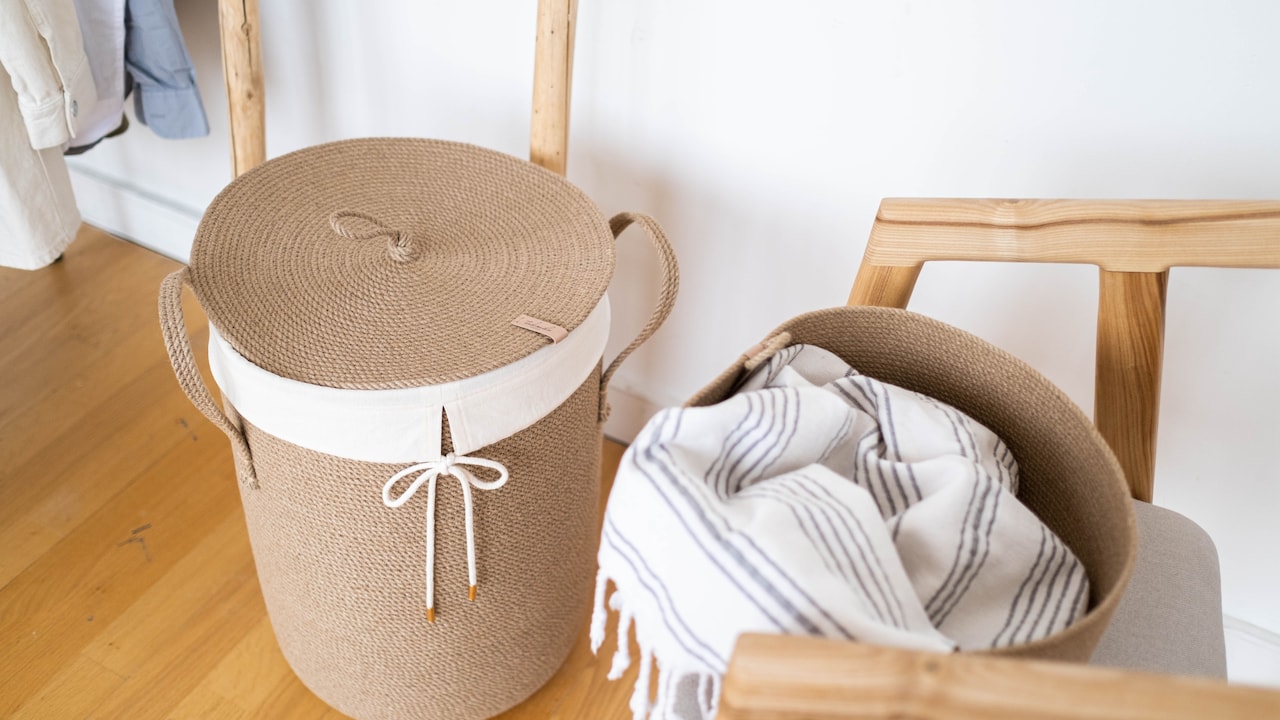
Why Your Laundry Smells Bad After Washing And How To Fix It; Photo Credit: Pexels
Overloading The Machine Stops Proper Cleaning
Stuffing the machine to the top feels efficient, especially when laundry piles up after a busy week. But clothes need room to move. When the drum becomes too full, garments rub poorly, water cannot circulate well, and detergent does not spread evenly. Some clothes get washed properly, while others just take a crowded bath.
Overloading also affects rinsing. Detergent stays trapped between layers of fabric, and trapped detergent means trapped odour. Large items like bedsheets, jeans and towels make the problem worse because they soak up water and form heavy bundles. A machine that shakes angrily during the spin cycle may be complaining about more than balance.
A good rule comes from the hand test. After loading clothes, there should be enough space at the top of the drum for a hand to move comfortably. For front-load machines, avoid packing clothes tightly against the glass. For top-load machines, let items float and turn. Two smaller loads often clean better than one heroic load. It may feel slower, but it saves rewashing, which costs extra water, electricity and patience.
Hard Water Can Make Clothes Smell Dull
Many homes deal with hard water, and laundry feels the impact. Hard water contains minerals that reduce detergent performance. Instead of lifting dirt easily, detergent struggles and forms a dull residue. Clothes may feel stiff, look tired and smell faintly stale even after a full cycle.
The problem becomes clearer with towels and dark clothes. Towels lose softness and begin to smell damp quickly. Black T-shirts collect a greyish cast. Whites lose brightness. The detergent has not failed completely; it has simply fought a tough match against mineral-heavy water.
Using the right detergent quantity helps, but hard water may need extra support. A water softener product designed for laundry can improve washing results. Some households use liquid detergent because it dissolves more easily than powder in certain conditions. Regular drum cleaning also matters because minerals settle inside the machine. Avoid pouring random home remedies into the machine without checking the manual. A small, steady solution works better than a dramatic experiment that ends with a service bill of ₹1,500 and a lecture from the technician.
Damp Clothes Left In The Machine Turn Sour
This is the classic laundry mistake: the wash cycle ends, but life interrupts. A phone call comes in, the doorbell rings, lunch needs attention, or an office meeting starts. The clothes sit inside the closed machine for hours. By the time someone remembers them, a sour smell has already moved in.
Wet clothes in a closed drum create ideal conditions for odour-causing microbes. Warm weather makes this happen faster. During monsoon months, even one or two hours can make clothes smell unpleasant. Rewashing then becomes necessary, which wastes time and resources.
The best fix needs no fancy product. Remove clothes as soon as the cycle ends. Shake each garment before hanging it. This opens the fabric and helps moisture escape. When delays cannot be avoided, choose a cycle that ends closer to the time someone can unload it. Some machines have delay-start features, which work better than letting wet clothes sit after washing. Laundry smells freshest when it moves quickly from wash to air. A machine should clean clothes, not become a damp waiting room.
Slow Drying Creates That Monsoon Smell
Drying decides the final smell of laundry. Even perfectly washed clothes can turn musty if they dry too slowly. This happens in closed balconies, shaded rooms, crowded drying stands and during rainy weather. When moisture stays trapped in fabric for too long, odour returns with confidence.
Thick waistbands, jeans pockets, towel folds and dupattas layered over other clothes often dry last. These damp patches smell first. Clothes may feel dry on the outside but hold moisture inside seams. Once folded and placed in a cupboard, the smell spreads to nearby garments too.
Give clothes breathing space while drying. Do not overlap them heavily. Turn jeans inside out for part of the drying time, then reverse them. Place towels on separate rods rather than folding them into thick layers. Use a fan indoors when sunlight disappears for days. A dehumidifier may help in very damp flats, though even basic airflow makes a big difference. Sunshine remains the old champion, but when it plays hide-and-seek, air movement must do the job.
Why Your Laundry Smells Bad After Washing And How To Fix It; Photo Credit: Pexels
Fabric Softener Can Build A Smelly Film
Fabric softener promises softness and fragrance, which makes it tempting. Used carefully, it can feel pleasant. Used too often or too much, it coats fibres with a waxy film. That coating reduces absorbency and traps odour, especially in towels, sportswear and synthetic clothes.
Towels suffer the most. A towel needs to absorb water, but fabric softener makes fibres less thirsty. The towel then stays damp longer and starts smelling musty sooner. Sportswear also dislikes heavy softener because synthetic fibres already hold sweat smells. Add a coating, and the odour gets locked in like gossip in a family WhatsApp group.
Use softener sparingly, if at all. Towels often do better without it. For clothes that need a fresh feel, focus on proper washing and drying rather than pouring in more fragrance. Also, clean the softener compartment regularly because leftover liquid can thicken and smell. Fresh laundry should not depend on a perfume cloud. It should feel light, rinsed and genuinely clean.
Sweaty Clothes Need Special Treatment
Not all laundry enters the machine with the same level of drama. A shirt worn for two hours at home differs from a cricket jersey, gym T-shirt or school uniform after a humid day. Sweaty clothes need quicker attention because sweat, bacteria and body oils settle deep into fibres.
Leaving sweaty clothes in a closed basket makes the smell stronger. Damp socks, workout wear and towels should never sit crushed under dry clothes for two days. The odour spreads, and the machine then faces a tougher job. Synthetic fabrics hold smells more stubbornly than cotton because their fibres attract oily residues.
Let sweaty clothes air out before washing if they cannot go straight into the machine. Turn them inside out so detergent reaches the areas that touch skin. Pre-treat underarms and necklines. Use a suitable wash cycle instead of the quickest option every time. Quick wash works for lightly worn clothes, not for a week's worth of sweat and dust. Laundry has moods too, and sweaty clothes do not appreciate shortcuts.
The Laundry Basket May Be The Hidden Culprit
The smell problem sometimes starts before washing. A laundry basket that holds damp towels, sweaty socks and half-wet clothes becomes an odour source. Plastic baskets with poor ventilation trap moisture. Cloth hampers absorb smells. Closed laundry bags may look tidy, but they can create a mini weather system of dampness and regret.
Sorting helps. Keep wet towels away from dry clothes. Do not throw rain-soaked trousers into the same pile as office shirts. Let damp items dry before they enter the basket. Wash the basket itself now and then, especially if it has held sweaty clothes for months. A clean basket gives laundry a better starting point.
This habit matters in compact homes where the laundry area sits near a bathroom or kitchen. Moisture in the air already works against freshness. A closed pile of clothes adds fuel. Think of the basket as part of the laundry system, not just a storage corner. Clean washing begins before the machine door opens.
Cupboards And Folding Habits Can Bring Smell Back
Sometimes clothes smell fine after drying but turn musty in the cupboard. The culprit may be storage. Folding clothes before they are fully dry traps moisture inside the layers. Packed shelves block airflow. Wooden cupboards during humid months can hold a damp smell, which fabrics absorb quietly.
Give clothes a final touch check before folding. Waistbands, collars, pockets and thick seams must feel completely dry. Let freshly ironed clothes cool before storing them, as warm fabric can create slight moisture inside a closed stack. Keep cupboards clean and aired out. Open doors during dry afternoons when possible. Avoid stuffing shelves so tightly that clothes come out wrinkled and stale.
Neem leaves, camphor blocks or moisture absorbers may help, but they cannot rescue half-dry clothes. Storage should protect freshness, not fight dampness. A cupboard packed like a local train at peak hour will not let fabric breathe. Give clothes a little space, and they return the favour by smelling pleasant when worn.
Some Top-Rated Laundry Products You May Like
1. Amazon Brand - Solimo Plastic Knit Laundry Basket
2. ITC Savlon Laundry Disinfectant & Refreshing Liquid
3. Ecosys 3-in-1 Dissolvable Magic Laundry Pods for 30 washes
4. HomeStrap Laundry Magic Mover
5. Born Good Plant-Based Japanese Cypress Fragrance Laundry Detergent
6. House of Quirk 52 Litre Linen Cotton Collapsible Laundry Basket For Folding Portable Dirty Clothes Storage Hamper
7. Rioware Bamboo laundry bag basket for clothes with lid toy storage organiser
Clothes that smell after washing rarely need a dramatic solution. Most odour problems come from small habits repeated daily. Too much detergent leaves residue. Too little leaves sweat. A dirty drum spreads mustiness. Overloading blocks proper cleaning. Hard water weakens detergent. Slow drying, damp baskets, and crowded cupboards finish the mischief.
The most reliable laundry routine feels almost old-fashioned: measure detergent, clean the machine, avoid stuffing the drum, remove clothes quickly, dry them with space, and store them only when fully dry. These steps do not require expensive products or complicated tricks. They simply give water, detergent and air enough room to do their work.
Fresh clothes carry a quiet kind of happiness. They make a workday feel sharper, a bedsheet feel calmer, and a school uniform feel ready for another round of tiffin spills and playground dust. When laundry smells clean, the whole home feels a little more in order. And sometimes, that is enough to make an ordinary day start better.
(Disclaimer: This article may include references to or features of products and services made available through affiliate marketing campaigns. NDTV Convergence Limited (“NDTV”) strives to maintain editorial independence while participating in such campaigns. NDTV does not assume responsibility for the performance or claims of any featured products or services.)