One Office Chair Feature That Actually Prevents Back Pain
Proper lumbar support is the one office chair feature that actually prevents back pain. This is why it matters more than headrests, cushions, or fancy recline settings.
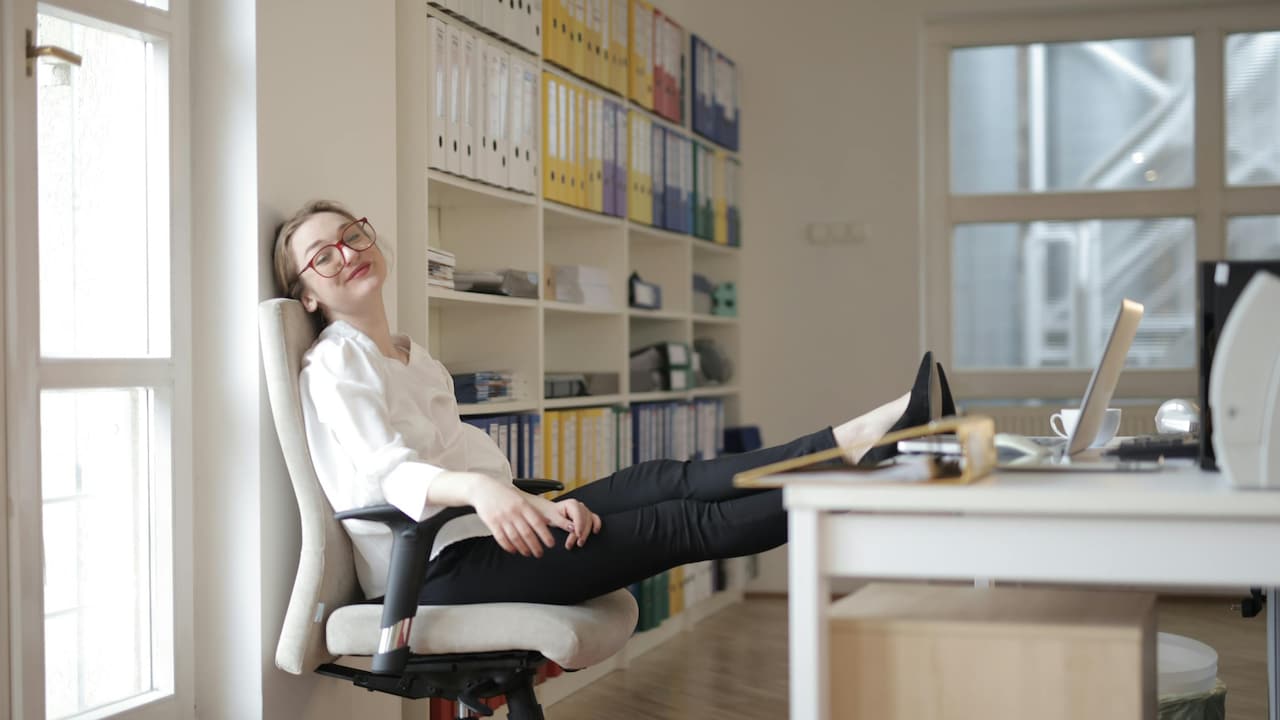
Things to look for in an office chair that actually prevent back pain.
Back pain has a sneaky personality. It doesn't announce itself like a fever. It creeps in like a relative who comes “only for tea” and stays till dinner. One day the lower back feels a bit tight. Next week it starts complaining during long calls. A month later, even a short drive feels like a punishment.
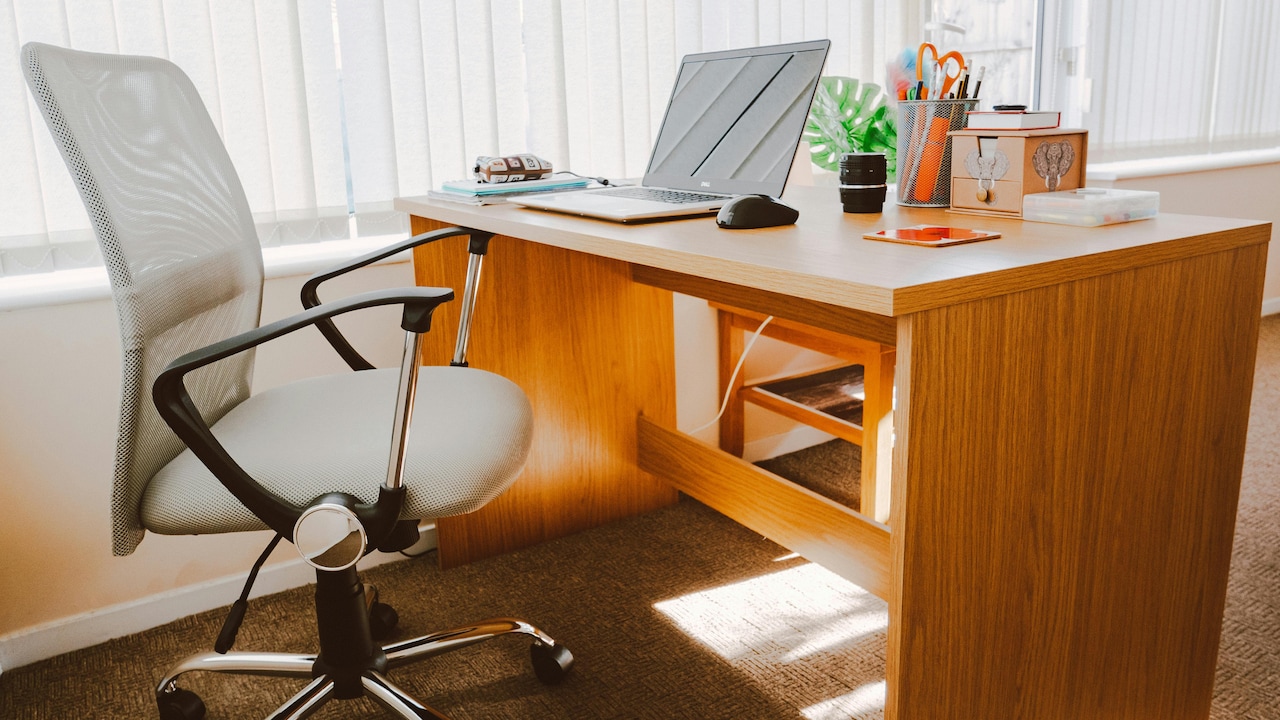
Always consider these features in an office chair to prevent back pain; Photo Credit: Pexels
Most people blame the workload, the commute, or “age”. The truth is less dramatic and more irritating: the office chair. Not because it is cheap, but because it fails at one specific job—supporting the lower back in the way the spine actually needs.
Office chairs today come with a buffet of features. Mesh backs, recline locks, headrests, seat sliders, chrome bases, and armrests that move like a Transformer. Yet, when it comes to preventing back pain, one feature keeps winning, again and again.
That feature is proper lumbar support.
Not a cushion. Not a pillow. Not a rolled towel that slips after ten minutes. Proper lumbar support—ideally adjustable—holds the natural curve of the lower spine, so the body doesn't have to fight gravity for eight hours.
And yes, it's the one feature that actually deserves the hype.
Also Read: Best Orthopaedic Office Chairs for Back Pain and Compact Workspaces
Why Lumbar Support Beats Everything Else
The Lower Back Needs Support, Not Motivation
The lower spine naturally curves inward. This is not a design flaw. It's how the body balances weight and absorbs stress. The problem begins when sitting flattens that curve. The pelvis tilts backwards, the spine slumps, and the muscles that should rest start working overtime.
This is where most desk back pain starts. Not from “bad posture” as a moral failing, but from the body running out of fuel to hold itself up. Muscles fatigue. Ligaments stretch. Discs take more pressure. The result is that dull ache that shows up by late afternoon, especially after back-to-back meetings.
Proper lumbar support acts like a smart scaffold. It maintains the natural curve so the spine stacks correctly. When the curve stays intact, the body relaxes. The shoulders stop creeping forward. The neck doesn't have to compensate. Even breathing becomes easier.
It's less about sitting perfectly and more about making “neutral” the default. When the chair supports the lower back properly, the body stops negotiating with discomfort every minute. And that's the kind of quiet win that prevents pain long before it starts.
“Cushiony” Is Not The Same As Supportive
Many chairs feel comfortable for the first ten minutes. Soft seat, plush backrest, maybe even a fancy padded bulge that claims to be lumbar support. Then reality arrives.
A soft backrest often collapses under pressure. It doesn't hold the spine in position. It simply gives in, like a mattress that feels luxurious in a showroom but destroys sleep at home. Comfort without structure can actually worsen back pain because it encourages slumping.
Proper lumbar support has shape and resistance. It doesn't feel like a pillow. It feels like the chair is gently pushing back, saying, “Nope, you're not melting into a question mark today.”
This matters because the lower back doesn't need softness. It needs alignment. The body already has padding where it wants it. What it lacks while sitting is the subtle, consistent support that keeps the spine from collapsing.
A chair that feels “too supportive” for the first few days often becomes the most comfortable long-term. It's like switching from chappals to shoes with proper arch support. Initially odd. Later, impossible to live without.
Adjustable Lumbar Support Beats Fixed Lumbar Every Time
A fixed lumbar bump is better than nothing, but it's still a gamble. People come in different heights, torso lengths, and spine shapes. A lumbar curve that suits one person perfectly can hit another person in the wrong place and cause discomfort.
Adjustable lumbar support solves this problem. It lets the support move up or down, and sometimes in or out. That means the curve can align with the natural curve of the lower back rather than poking the mid-back like an annoying finger.
This is especially important in homes where one chair is shared. One person uses it for work, another for studying, and someone else for scrolling on weekends. Without adjustability, the chair becomes a one-size-fits-all situation.
Even for a single user, adjustability matters because posture changes during the day. Some days involve intense typing. Other days involve long video calls. The lumbar support needs to adapt, not stay stubborn.
A chair with adjustable lumbar support is like a good tailor. It fits the body rather than forcing the body to fit it. And that's how it prevents pain instead of merely looking ergonomic in photos.
The Real Benefit Is Reduced Muscle Fatigue
Back pain is often treated like a structural issue, but many desk workers experience muscular pain first. That burning, tired sensation in the lower back isn't always a “spine problem”. It's the body's support system getting exhausted.
When sitting without lumbar support, the lower back muscles remain switched on for hours. They constantly fight to keep the torso upright. This is like holding a grocery bag at arm's length and pretending it's fine. It's fine… until it isn't.
Lumbar support reduces this workload. It lets the muscles relax because the chair shares the load. This has a huge effect over time. Less fatigue means fewer end-of-day aches, fewer stiff mornings, and fewer moments where standing up feels like unfolding a rusty hinge.
This is also why lumbar support helps even when posture isn't perfect. People shift, fidget, lean, and adjust. That's normal. The chair doesn't need to enforce robotic posture. It just needs to keep the lower back from doing all the heavy lifting.
In practical terms, this means fewer painkillers, fewer heat patches, and fewer dramatic stretches between calls. The body simply feels less worn out.
It Helps More Than A Headrest Ever Will
Headrests look impressive. They scream “executive chair”. They also make people feel like they are sitting in a luxury car. But for most desk setups, a headrest is not the hero.
Neck pain often begins lower down. When the lower back collapses, the upper spine compensates. The shoulders are round. The head shifts forward. The neck then holds the weight of the head in an awkward position. That's when stiffness and headaches appear.
Lumbar support fixes the foundation. When the lower spine stays aligned, the ribcage sits better, the shoulders relax, and the head naturally stays centred. This reduces strain on the neck without needing extra padding behind it.
In fact, a headrest can sometimes encourage poor posture. People lean back and crane their necks forward to see the screen, especially if the monitor sits too low. The headrest becomes a prop for bad habits rather than a solution.
A proper lumbar support system prevents that whole chain reaction. It's the quiet friend who solves the argument before it begins. Headrests are optional. Lumbar support is not.
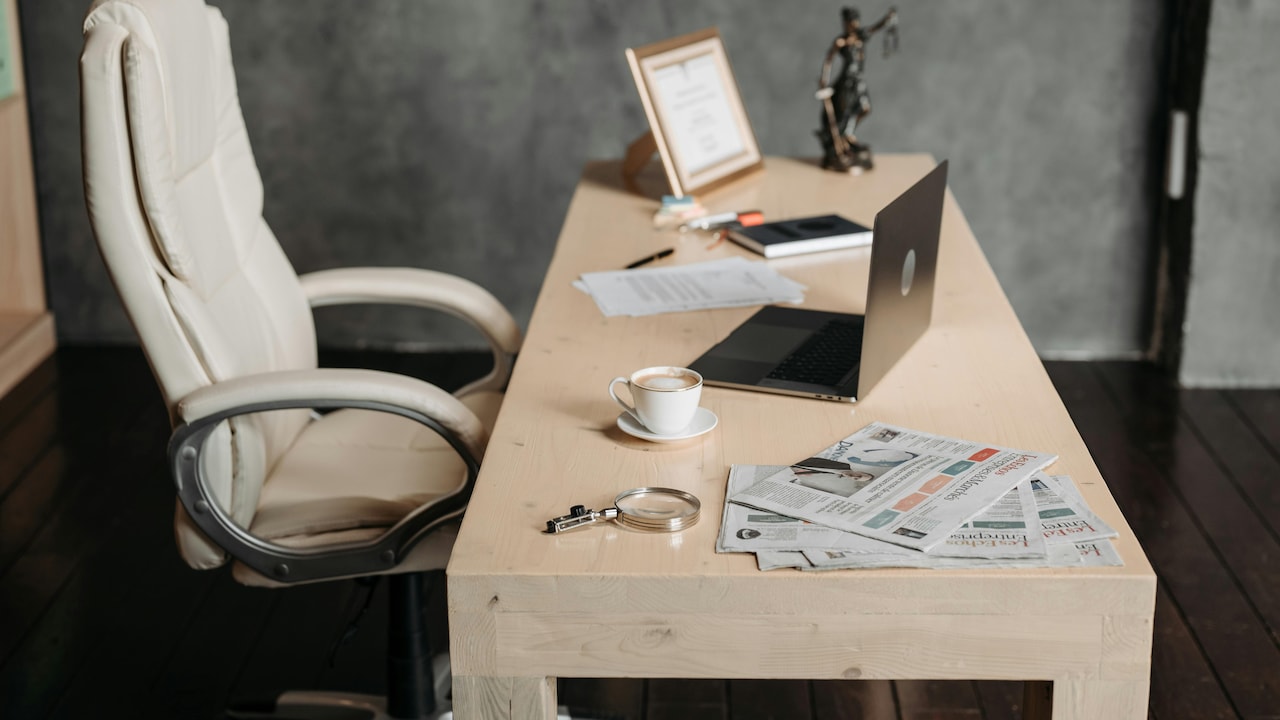
Look for office chairs with a headrest for correct posture; Photo Credit: Pexels
It Makes Long Workdays Feel Shorter
Some days stretch like chewing gum. Calls, deadlines, messages, and a calendar that looks like it was designed by a villain. On those days, back pain doesn't just hurt. It drains patience. It makes everything feel heavier.
Lumbar support improves endurance. When the lower back feels stable, the mind stays sharper. The body doesn't constantly whisper complaints. The day still stays busy, but it doesn't feel physically punishing.
This matters for anyone working from home, too. Home setups often involve dining chairs, sofas, or beds. The body sinks, the spine rounds, and the back works overtime. At first, it feels relaxed. Later, it feels like regret.
A chair with proper lumbar support changes that experience. It makes sitting feel less like survival and more like a neutral state. The difference becomes obvious after a few days. The body stops begging for breaks. The end of the day doesn't feel like the finish line of a marathon.
It's not about being productive like a robot. It's about finishing work with enough energy left to enjoy the evening without lying down like a defeated character in a dramatic TV serial.
It Protects The Back During Phone Calls And Meetings
Meetings are posture traps. During typing, people sit more upright. During calls, posture collapses. The body leans, twists, slumps, and sometimes curls into a shape that resembles a prawn.
This is where lumbar support proves its value. Even when attention drifts and posture gets lazy, the lower back still gets a baseline level of support. It reduces the severity of slumping and keeps the pelvis from rolling backwards completely.
This matters because meeting time can easily add up. Two calls in the morning, one after lunch, and suddenly, three hours pass with the spine in a compromised position. The body doesn't forgive that.
Lumbar support acts like a safety net. It doesn't stop movement, and it shouldn't. But it stops the worst version of sitting from becoming the default.
There's also an emotional angle here. During tense meetings, people unconsciously brace their bodies. Shoulders rise. Breathing gets shallow. Lower back tightens. Good lumbar support helps the body stay grounded. It's subtle, but it reduces that “stressed and stiff” feeling after difficult conversations.
It Works Even If The Chair Is Not Expensive
A good chair can cost a lot. But lumbar support is one of the few features that can be effective even in mid-range options. That's good news, because not everyone wants to spend ₹25,000 or more just to sit without pain.
Many chairs waste budget on looks. Chrome bases, fancy stitching, oversized headrests, and bulky cushions. Meanwhile, the lumbar support is either missing or purely decorative.
A smarter approach is to prioritise lumbar support first, even if the chair is simple. A clean design with strong lumbar support will outperform a flashy chair that lacks it.
This is also why some people do better with an ergonomic back support attachment on a basic chair than with a “premium” chair that has no real structure. But ideally, the support should be built into the chair so it stays stable and doesn't slide around.
The key is not price. It's design. If the lumbar support can be adjusted and holds the curve properly, the chair does its main job.
Everything else, mesh, armrests, recline, becomes secondary. Nice to have, but not the core.
The Feature Only Works If It's Set Correctly
Here's the twist: even the best lumbar support can fail if it's positioned wrong. Many people set it too high, so it presses into the mid-back. Others set it too low, so it supports nothing.
The ideal position is where the inward curve of the lower back naturally sits. It should feel like the chair is filling the gap between the lower spine and the backrest. The support should be firm but not aggressive.
If the lumbar support feels like it's pushing the body forward too much, it may be too deep. If it feels invisible, it may be too shallow. Small adjustments matter.
It also helps to pair lumbar support with the correct seat height. If the seat is too high, the pelvis tilts and the lumbar curve collapses. If it's too low, the hips sink and the back rounds. The lumbar support can't compensate for everything.
The best sign that it's set correctly is simple: sitting feels stable, and the lower back stops craving constant movement. The body feels held, not forced.
It Encourages Better Habits Without Being Annoying
The most underrated benefit of lumbar support is behavioural. When the lower back feels supported, people naturally sit better without thinking about it.
Without lumbar support, the body seeks comfort through slumping. With lumbar support, the comfortable position becomes a more neutral one. That changes habits quietly over time.
This is important because posture advice often feels unrealistic. “Sit straight.” “Keep your shoulders back.” “Engage your core.” It's all technically correct, but it sounds like instructions for carrying a crown on the head while walking through a wedding.
People don't want to spend the day thinking about posture. They want to work, drink chai, reply to messages, and survive the week.
Lumbar support helps because it makes good posture feel natural rather than forced. It doesn't demand constant discipline. It gently guides the body.
There's also a funny side effect: once someone gets used to good lumbar support, bad chairs become unbearable. A plastic chair at a function suddenly feels like a medieval punishment. A sofa work session feels like betrayal. The body develops standards, and honestly, it deserves them.
Products Related To This Article
1. beAAtho® Berlin Orthopedic Boss Chair with 3-Years Warranty by beAAtho
2. The Sleep Company Onyx Orthopedic Office Chair
3. Frido AeroMesh Ergo Chair, Adjustable Armrests & Headrest
4. ASTRIDE Ergofit Ergonomic Office Chair for Home
5. Da URBAN® Merlion Office Chair,High Back Mesh Ergonomic Home Office Desk Chair with 3 Years Warranty
Office chairs come with a lot of noise. Every feature gets marketed like it will change life forever. But when it comes to preventing back pain, one feature stands out as genuinely useful: proper lumbar support.
It protects the natural curve of the spine, reduces muscle fatigue, improves endurance during long workdays, and prevents that slow slump that turns into daily discomfort. It also works quietly in the background, without requiring constant posture policing.
The best part is that lumbar support doesn't need a luxury budget. It needs the right design and the right adjustment. A chair that gets this one thing right often beats a “premium” chair that gets everything else wrong.
Back pain is not always dramatic, but it can be deeply annoying. It steals energy, mood, and time. Fixing it doesn't always require big changes either. Sometimes it starts with one feature, one decision, and one lower back finally getting the support it has been begging for.
And if the chair still claims it has “lumbar support” but feels like a decorative bump? That's not support. That's marketing.
(Disclaimer: This article may include references to or features of products and services made available through affiliate marketing campaigns. NDTV Convergence Limited (“NDTV”) strives to maintain editorial independence while participating in such campaigns. NDTV does not assume responsibility for the performance or claims of any featured products or services.)







![Steam Iron Teflon Shoe Cover for ES-300,ST-96 [Only For ES-300 and ST-96 Model Electric Steam Irons]](https://m.media-amazon.com/images/I/51wwkttondL._SL160_.jpg)