Curtain Length: The Mistake That Makes Rooms Look Smaller
Curtains that are too short can make any room feel cramped. The right curtain length instantly adds height, elegance and space, without renovating.
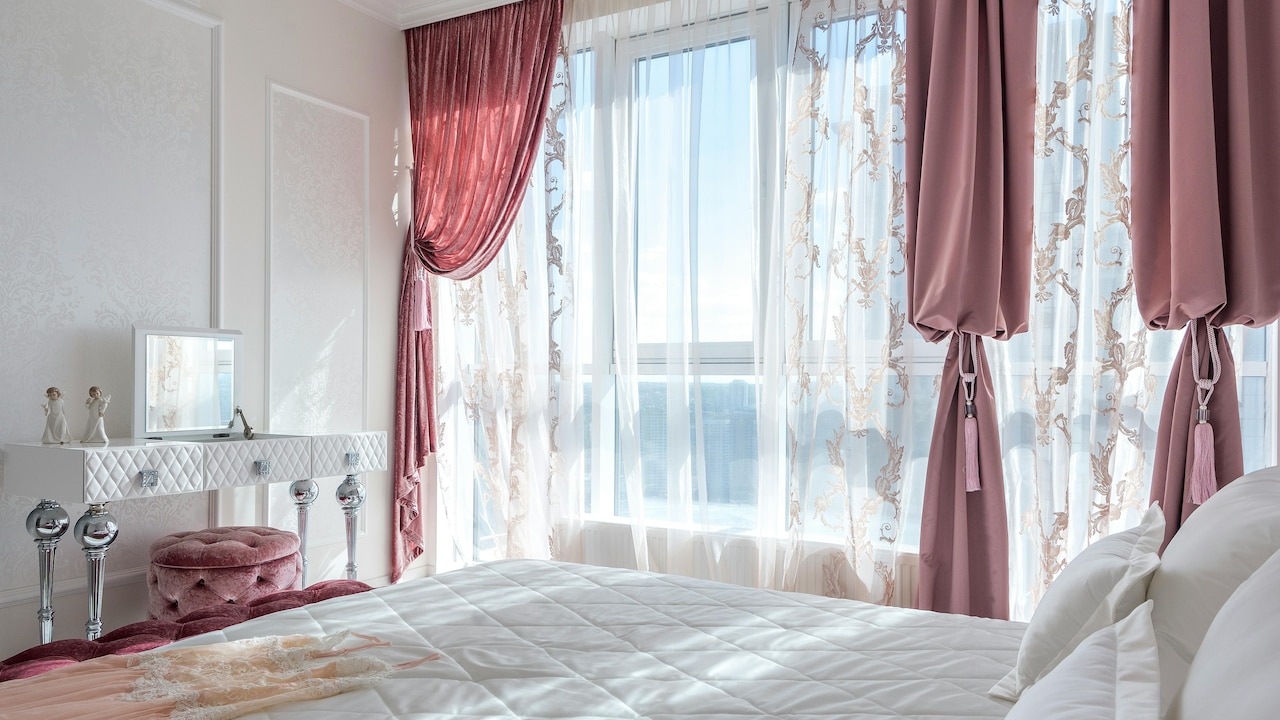
Prevent your rooms from looking smaller by avoiding these common curtain mistakes.
Curtains are a bit like the final seasoning in a dish. Most people don't notice them when they're done well, but everyone feels it when they're wrong. A room can have a beautiful sofa, a stylish rug, and a fresh coat of paint, and still look oddly cramped. The culprit is often hanging right there, fluttering in the breeze, pretending to be innocent.
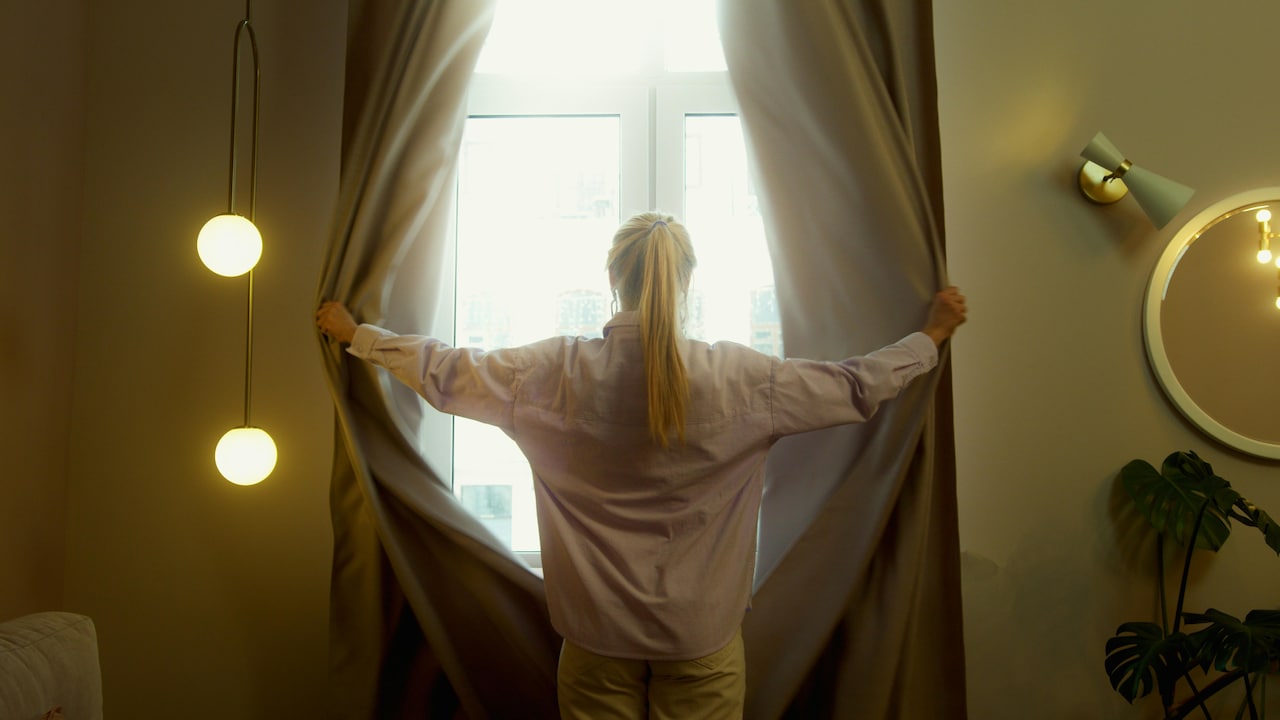
Explore common curtain length mistakes that can make your rooms look smaller; Photo Credit: Pexels
Curtain length is one of those design details that seems small, until it isn't. It changes how the eye travels. It affects how tall the walls look. It can make windows feel grand or awkwardly tiny. And it can either smooth out a room's chaos or highlight every little mismatch.
The good news is that this is one of the easiest fixes in home styling. It doesn't require knocking down walls or spending ₹50,000 on new furniture. It just needs a little clarity and a few smart choices.
Also Read: Elegant Curtains And Sheers From Myntra Elegant Homes Under 2000 To Refresh Your Space
Top 10 Curtain-Length Fixes That Instantly Make A Room Look Bigger
1) The “High-Water” Curtain Problem: When Fabric Stops Too Soon
Nothing shrinks a room faster than curtains that stop a few inches above the floor. It's the design equivalent of trousers that are just slightly too short. The room looks unfinished, and the eye gets pulled downward instead of upward.
When curtains hover awkwardly above the floor, the walls seem shorter. The window looks smaller too, even if it's a decent size. In compact flats, where every inch of visual space matters, this mistake becomes even louder. The room ends up feeling like it's been cut into sections rather than flowing naturally.
This happens often because people buy ready-made curtains and simply hang them as-is. Many standard sizes don't match the real height of the wall. Another reason is fear: the worry that floor-length curtains will gather dust or feel “too formal.” But the truth is, curtains that properly reach the floor look cleaner, not heavier.
If a room feels slightly tight and “boxed in,” start by checking whether the curtains are guilty of stopping short. They usually are.
2) Floor-Length Curtains: The Simple Trick That Adds Instant Height
A room looks taller when the curtains touch the floor. It's not magic, but it feels like it. The fabric creates one long vertical line, and the eye naturally follows it up and down. That makes the walls appear higher, even if the ceiling hasn't moved by a single centimetre.
This is especially powerful in homes where ceilings are not very high. Many modern apartments have practical ceiling heights, not dramatic ones. Floor-length curtains add that missing drama without the drama of renovations.
The trick is to aim for a curtain that either just kisses the floor or ends half a centimetre above it. That tiny detail makes a room feel intentional. It looks like someone planned it, not like someone guessed.
Even budget curtains can look premium when they hang correctly. A ₹1,200 curtain that fits well can outshine a ₹6,000 one that's too short. People often assume luxury comes from fabric alone. In reality, luxury comes from proportion.
Curtain length is proportional. And proportion is power.
3) The Biggest Secret: Where the Curtain Rod Sits Matters More Than People Think
Curtain length doesn't start at the floor. It starts at the top. And this is where many rooms lose their potential.
A common habit is to mount the curtain rod right above the window frame. It feels logical. It's also the fastest way to make the window look smaller and the wall look shorter. The curtain ends up covering only the window area, instead of becoming a feature that stretches the room visually.
A better approach is to mount the rod higher, closer to the ceiling. Not touching it, but comfortably near it. This creates the illusion of taller walls. Even if the window is modest, the curtains give it a grander presence.
In older homes with tall windows, this looks naturally elegant. In newer apartments with smaller windows, it's even more important. It makes the space feel more airy and less cramped.
Think of it like wearing a high-waisted outfit. Everything suddenly looks longer. The room stands straighter. And it doesn't cost anything extra, apart from a few minutes with a drill.
4) The “Puddling” Debate: Romantic in Photos, Risky in Real Homes
Puddling curtains, where extra fabric spills onto the floor, look gorgeous in glossy interiors. They feel dramatic, soft, and a little royal. In real homes, though, puddling can go from “luxurious” to “laundry day” very quickly.
If the room is low-traffic, like a formal sitting room, puddling can work. But most homes don't have rooms that exist purely for looking pretty. They have rooms where people sit, snack, work, nap, and occasionally drop chutney.
Puddling also attracts dust. In cities where dust shows up like an uninvited guest, that extra fabric becomes a magnet. Add pets or toddlers, and the curtains turn into a toy, a napkin, and a tug-of-war rope.
A slight break, where the curtain just gently touches and folds at the floor, can give a soft look without the mess. It keeps the elegance but avoids the chaos.
Curtains should feel like a calm presence, not like another thing that needs constant supervision.
5) Small Windows, Big Impact: Why Short Curtains Make Windows Look Tinier
Short curtains often make sense in the mind. If the window is small, the curtain should match it, right? Unfortunately, that logic works against the room.
When curtains stop at the window sill, the window becomes the focus. That sounds fine until the window is not impressive. In many flats, windows are functional rather than grand. Highlighting them doesn't help.
Short curtains also break the wall visually. They create a horizontal line that chops the space. The wall loses its sense of height. The room feels shorter, and the window feels like a small cut-out rather than a feature.
Long curtains, even for smaller windows, add a sense of scale. They make the window feel more important. They also soften the hard edges of the room and create a more finished look.
A living room can look significantly more spacious simply by changing curtains from sill-length to floor-length. It's one of the few design upgrades that gives a noticeable result without requiring a full makeover.
And yes, even a small window deserves a little drama.
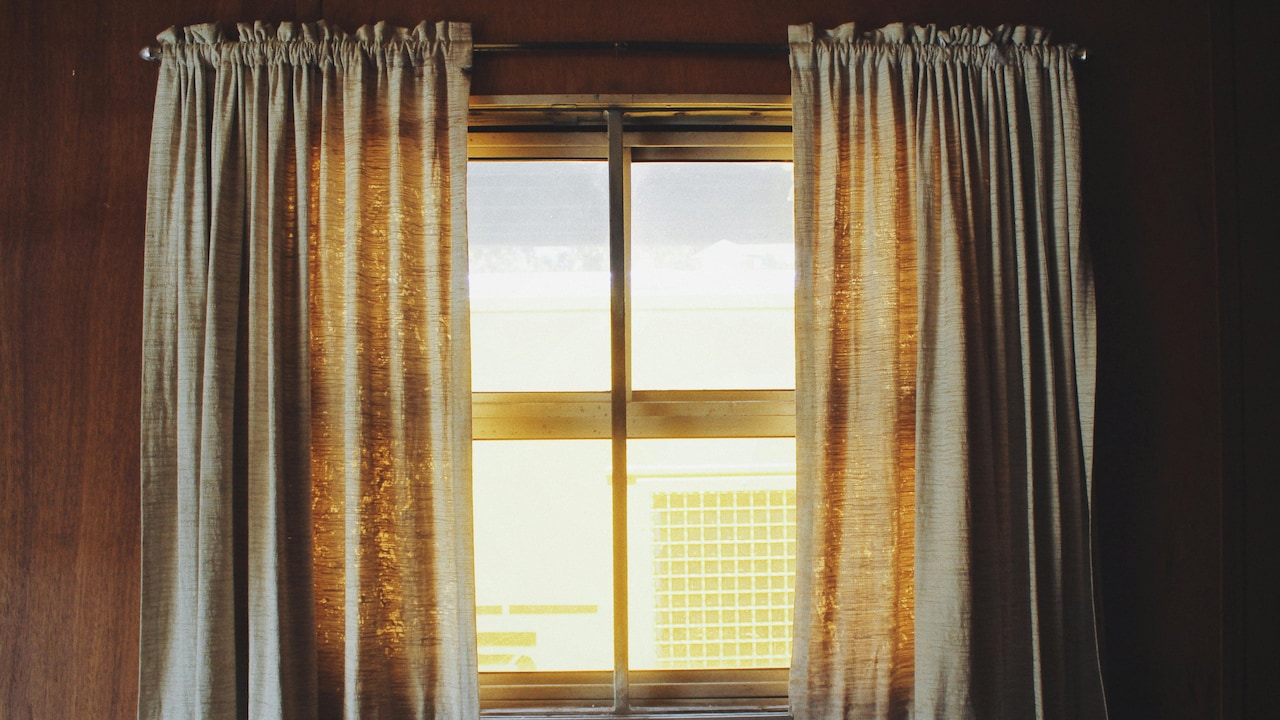
Short curtains can break the wall visually.and chops your space to make it look smaller; Photo Credit: Pexels
6) Bedroom Curtains: Length Affects Calm More Than People Realise
Bedrooms are where curtain length becomes emotional, not just visual. A bedroom should feel restful. But curtains that stop awkwardly above the floor create a subtle tension. The space looks unfinished, and the mind registers it even if it can't explain why.
Floor-length curtains in a bedroom create softness. They add a sense of privacy and protection. They also make the bed look more grounded, especially when the bed is placed near a window.
Blackout curtains are common in bedrooms, especially for light sleepers. But blackout curtains that are too short let light leak in from below. That defeats the entire point. Proper length helps the fabric seal the window better and keeps the room darker.
There's also a quiet luxury to waking up in a room where the curtains fall perfectly. It feels like the room has manners. It feels like it's holding itself together.
And on days when everything else feels messy, a bedroom that looks calm can genuinely improve mood. Curtain length is not just décor. It's comfort in fabric form.
7) The Living Room Trap: Matching Curtain Length to Furniture
One of the most common mistakes in living rooms is choosing curtain length based on what's near the window. A sofa is placed against the wall, so the curtains are shortened to avoid brushing the sofa. Or a console table sits under the window, so the curtains are cut above it.
The intention is neatness. The result is usually a cramped look.
Curtains should frame the window and stretch the wall, not work around furniture like they're apologising for existing. When curtains are shortened to accommodate furniture, the whole room starts looking chopped up.
A better approach is to keep curtains full-length and move furniture slightly forward if needed. Even a small gap between the sofa and the curtain can help. It allows the fabric to fall naturally, which instantly looks more polished.
If the room is tight and moving furniture isn't possible, consider choosing curtains with a slimmer profile and less bulk. The length should still be right.
Curtains aren't background items. They are architecture in fabric. Treat them that way, and the living room starts behaving like a bigger space.
8) Balcony Doors and Sliding Windows: Where Length Mistakes Become Obvious
Balcony doors and sliding windows are tricky. They are often the largest openings in the home, and they control the light and airflow. Curtain length mistakes here don't whisper. They shout.
Curtains that stop above the floor near a balcony door look especially odd. The door already has a tall, vertical shape. Cutting the curtains short makes the entire opening feel incomplete. It's like wearing a formal shirt with shorts. Comfortable, yes. But visually confusing.
On the other hand, curtains that are too long can drag and get caught in the door. That becomes annoying within one day. People then tie the curtains up permanently, which defeats the point of having them.
The ideal solution is a clean floor-length curtain that barely clears the floor. This keeps it functional and elegant. It also makes the balcony door look taller and more expensive.
If the room feels smaller than it should, check the balcony curtains first. Getting this one right can transform the entire space, because it affects the biggest source of light.
9) The Budget Myth: Good Curtain Length Doesn't Require Expensive Curtains
There's a belief that making a room look bigger requires spending money. Sometimes it does. Curtain length, however, is not one of those times.
A well-fitted curtain from a local market can look far more premium than a designer one that doesn't fit. People often spend ₹3,500 to ₹8,000 on curtains and still end up disappointed because the length is wrong. It's not a fabric issue. It's a measuring issue.
Even ready-made curtains can work if the rod placement is adjusted. Hanging the rod higher can help standard lengths reach the floor. Sometimes, using curtain rings adds a little extra drop. Small tweaks like these can fix the look without buying anything new.
For those getting curtains stitched, the key is to measure after the rod is installed, not before. Measure from the rod to the floor and decide on the finish. A curtain that just touches the floor looks intentional and tidy.
The best design upgrade is often not buying more. It's buying smarter.
10) The Final Detail: Curtain Length and Light Create the “Bigger Room” Illusion
Curtains don't just hang. They interact with light. And that's where the magic of space happens.
When the curtains are too short, light hits the wall unevenly. Shadows break up the room. The window looks like a separate object rather than part of the architecture. The space feels busy and smaller.
When curtains are full length and hung high, light becomes more flattering. The wall looks taller. The window looks larger. The room feels calmer. Even the air seems to move better, because the fabric frames the opening rather than interrupting it.
This is why some rooms feel bigger even when they are not. The design guides the eye smoothly. Long curtains create vertical flow, which is the most underrated trick for making a space feel open.
The best part is how quickly this changes a room's personality. One day it looks cramped and slightly awkward. The next day it looks pulled together, spacious, and grown-up.
Curtain length isn't a small detail. It's the optical illusion that makes a home feel like it has room to breathe.
Products Related To This Article
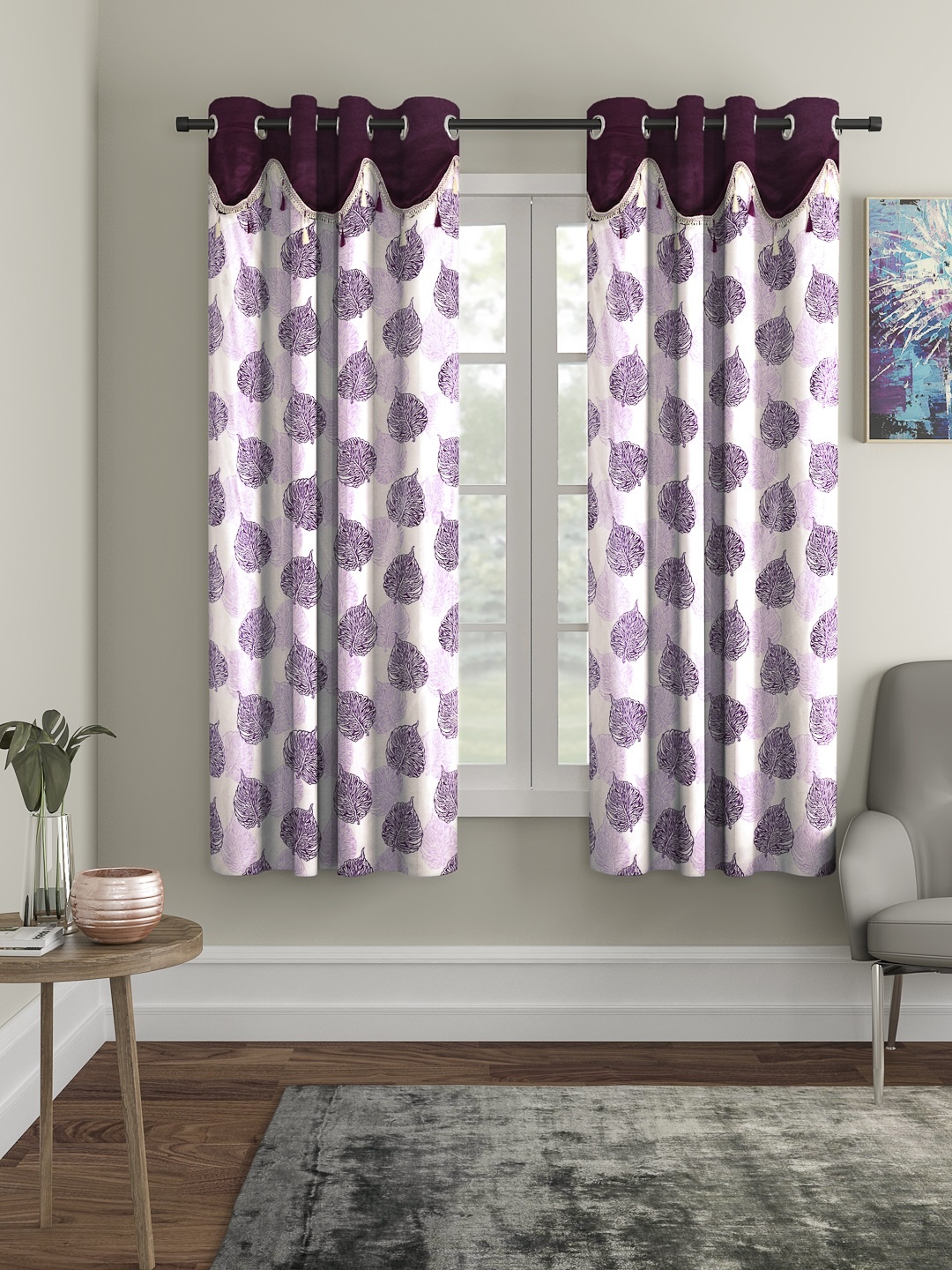
1. Sangria 2Pcs Pink & Green Floral Printed Pure Cotton Window Curtain
2. URBAN SPACE White & Green Set of 2 Ethnic Motifs Sheer Window Curtain
3. HOMEMONDE 2 Pcs White & Pink Floral Cotton Sheer Door Curtain
4. Huesland Multicoloured Floral Room Darkening Door Curtain
5. Tranquebar Home Blue & White Floral Printed Room Darkening Cotton Window Curtain
6. URBAN SPACE Geometric Cotton Door Curtain
7. haus & kinder SliverGroove emboss Grey Printed Jacquard Room Darkening Door Curtain
Curtains are often treated like an afterthought. Something chosen quickly, hung quickly, and forgotten until they start fading or collecting dust. But curtain length has a quiet authority over the entire room.
Too short, and the space feels smaller, more cluttered, and oddly unfinished. Just right, and the room suddenly stretches, relaxes, and looks more expensive than it actually is. It's one of the simplest design upgrades that delivers an immediate visual payoff.
The best homes aren't always the biggest ones. They are the ones who feel balanced. They feel intentional. They feel like every corner has been considered, even if the budget was sensible.
Curtains that touch the floor and are hung high do something powerful: they make the room stand taller. And when a room stands taller, it feels better to live in.
So the next time a space feels tight, don't blame the walls. Check the curtains. They might be the ones cutting the room down to size.
(Disclaimer: This article may include references to or features of products and services made available through affiliate marketing campaigns. NDTV Convergence Limited (“NDTV”) strives to maintain editorial independence while participating in such campaigns. NDTV does not assume responsibility for the performance or claims of any featured products or services.)











![Steam Iron Teflon Shoe Cover for ES-300,ST-96 [Only For ES-300 and ST-96 Model Electric Steam Irons]](https://m.media-amazon.com/images/I/51wwkttondL._SL160_.jpg)