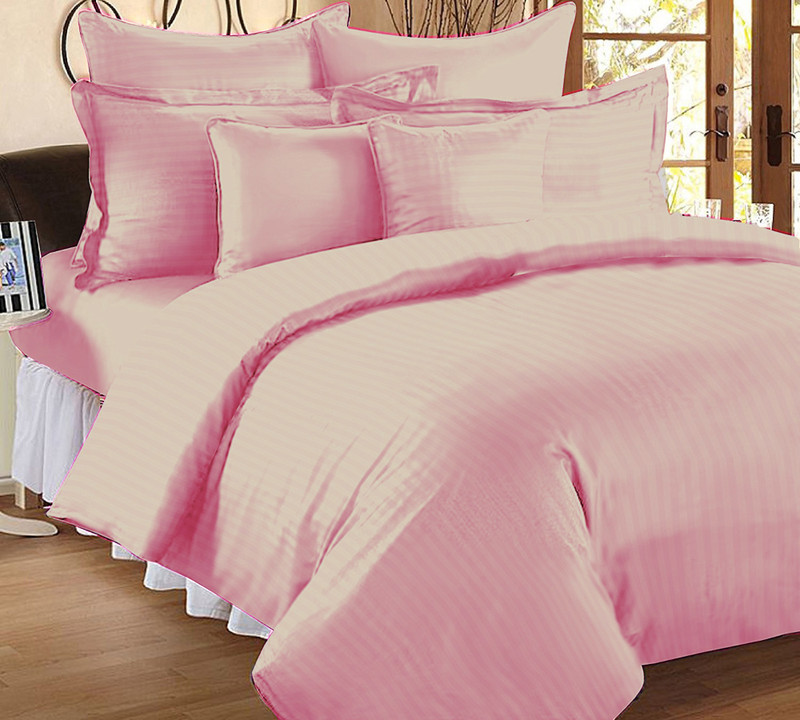
Buying Bedsheets? This Is How To Avoid Pilling And Keep Them Smooth Longer
Tired of bedsheets turning rough where you sleep most? Learn how fabric quality, weave, and care habits affect pilling, and how to choose sheets that stay smooth, comfortable, and long-lasting.

Here Is How To Buy Bedsheets That Don't Pill Where You Sit Or Sleep Most.
Bedsheets look harmless, folded on a shop shelf or glowing on a screen. Yet after a few months of use, many begin to shed tiny fabric balls, especially around the hips, shoulders, and feet. These pills form due to friction, poor-quality fibres, and rushed manufacturing. In warm, humid weather, the problem worsens as sweat and frequent washing stress the fabric even more.
Shopping for bedsheets often focuses on colour, thread count, or discounts. Comfort and durability deserve equal attention. A good bedsheet should feel smooth night after night, survive regular washes, and age gracefully without turning fuzzy. The right choice also saves money in the long run and spares the frustration of replacing sheets too often.
This article explores practical, everyday tips to help choose bedsheets that resist pilling where the body rests most. Expect clear explanations, relatable examples, and a few gentle reminders that good sleep starts with smart fabric choices.

How To Buy Bedsheets That Don't Pill Where You Sit Or Sleep Most; Photo Credit: Pexels
What Really Causes Bedsheets To Pill And How To Avoid It
1. Understand Why Bedsheets Pill in the First Place
Pilling happens when loose fibres rub together and twist into tiny knots on the fabric surface. This usually starts where the body applies the most pressure, such as the lower back, thighs, or shoulders. Low-quality fibres break easily, especially when blended with synthetic materials. Frequent movement during sleep adds friction, which speeds up the process.
Climate also plays a role. Warm nights lead to more tossing and turning. Sweat dampens the fabric and weakens fibres over time. Washing machines then finish the job by agitating already fragile threads. Bedsheets that look soft at first often hide short fibres that cannot handle daily use.
Understanding this process helps while shopping. Smoothness in the store does not guarantee long-term comfort. Focus should shift to fibre length, fabric strength, and weave structure. Once the basics make sense, spotting a sheet that resists pilling becomes far easier and far more satisfying.
2. Choose Long-Staple Cotton Over Everything Else
Cotton remains the most reliable choice for non-pilling bedsheets, but not all cotton behaves the same. Long-staple cotton uses longer fibres that twist together tightly. This creates a smoother, stronger yarn that resists breakage. Short-staple cotton sheds fibres faster, which leads to pilling within months.
Bedsheets made from long-staple cotton feel cool, crisp, and durable. They soften gradually rather than falling apart. Many shoppers chase high thread counts, yet fibre quality matters far more. A well-made 300-thread-count long-staple cotton sheet often outperforms a flashy 800-thread-count alternative.
Touch the fabric if possible. Long-staple cotton feels smooth without a fuzzy surface. It should not leave lint on the fingers. When shopping online, look for clear descriptions that mention fibre quality rather than vague marketing phrases. Paying a little extra upfront often saves repeated spending later, especially when prices range from ₹1,500 to ₹3,000 for a dependable set.
Also Read: 7 Best Cotton Bedsheets That Stay Soft After Every Wash
3. Be Careful With Polyester and Cotton Blends
Polyester often sneaks into bedsheets because it lowers costs and resists wrinkles. While it offers durability, it also increases the risk of pilling. Polyester fibres cling to broken cotton fibres, forming stubborn pills that refuse to disappear. Blends may feel smooth initially, but rarely age well.
Some blends claim to balance comfort and strength. In reality, areas under constant pressure suffer first. The fabric may stay intact, yet the surface turns rough and uneven. For people who sit on the bed often or read before sleeping, this becomes noticeable very quickly.
Pure cotton or linen remains a safer bet. If blends feel unavoidable due to budget limits, choose options with a higher cotton percentage and a tighter weave. Avoid extremely cheap sets priced under ₹800, as they often rely heavily on synthetic fibres. Comfort should never feel like a compromise every night.
4. Look Beyond Thread Count Marketing
Thread count numbers shout from packaging, yet they often mislead. High thread counts sometimes rely on thinner, weaker threads twisted together to inflate numbers. These multi-ply yarns break easily and contribute to pilling.
A moderate thread count between 300 and 500 works best for daily use. This range balances breathability and strength. The feel remains crisp without turning heavy or suffocating during warm nights. Fabric quality matters far more than numerical bragging rights.
Instead of chasing the highest number, inspect how the sheet feels. Does it drape smoothly? Does it feel sturdy when gently pulled? Trust touch and description over exaggerated claims. A well-made sheet should promise comfort for years, not just impress on day one.

How To Buy Bedsheets That Don't Pill Where You Sit Or Sleep Most; Photo Credit: Pexels
5. Pay Attention to the Weave
The weave determines how fibres interact under pressure. Percale and sateen dominate the bedsheet market. Percale uses a plain weave that creates a crisp, matte finish. This structure resists pilling because fibres stay locked in place. It also feels cool, making it ideal for warm sleepers.
Sateen offers a silkier feel with a slight sheen. While comfortable, it uses longer floats in the weave, which may pill faster if the fibre quality drops. High-quality sateen made from long-staple cotton performs well, but cheaper versions show wear quickly.
For everyday durability, percale stands out as the safest option. It may feel firm at first, but softens with use. The surface stays smooth even where the body rests the most. Weave knowledge transforms shopping from guesswork into confidence.
6. Avoid Overly Soft Sheets at the Store
That buttery-soft feel in the shop often comes from chemical finishes or enzyme washes. These treatments break down fibres to create instant softness. Unfortunately, they also weaken the fabric. After a few washes, pilling appears right where comfort matters most.
A good bedsheet should feel smooth yet slightly crisp at first. It should not feel limp or overly brushed. Natural softness develops over time through use and washing. This gradual change signals healthy fibres doing their job.
If a sheet feels too good to be true at ₹999, it probably is. Spending around ₹1,800 to ₹2,500 on a quality set often delivers better results. Think of it as investing in better sleep rather than chasing short-term comfort.
7. Check Fabric Weight and GSM
GSM refers to grams per square metre and indicates fabric weight. Lightweight sheets may feel airy but often lack durability. Extremely heavy sheets trap heat and feel uncomfortable during warmer months.
A balanced GSM between 120 and 160 suits most climates. This range offers strength without bulk. Sheets in this category resist wear and maintain shape even with regular washing. The fabric drapes well and handles nightly movement without shedding fibres.
Many brands skip mentioning GSM, yet customer reviews often hint at thickness and durability. Look for words like “substantial,” “crisp,” or “hotel-style.” These clues help identify sheets that stand up to daily use without pilling.

How To Buy Bedsheets That Don't Pill Where You Sit Or Sleep Most; Photo Credit: Pexels
8. Buy the Right Fit to Reduce Friction
Ill-fitting bedsheets move around too much. Excess fabric bunches up, while tight sheets stretch and strain fibres. Both situations increase friction, especially where the body rests most.
Measure the mattress depth carefully. Modern mattresses often exceed standard sizes due to toppers or padding. Deep-pocket fitted sheets prevent constant tugging and shifting. Elastic quality also matters. Strong elastic keeps the sheet in place throughout the night.
A secure fit reduces fabric stress and improves comfort. It also extends the life of the sheet significantly. Spending time on measurements feels tedious, yet it pays off every single night.
9. Wash and Care Habits Matter More Than Expected
Even the best bedsheets suffer from poor care. Hot water weakens fibres and encourages pilling. Overloading the washing machine increases friction. Harsh detergents strip natural oils from cotton.
Wash sheets in cold or lukewarm water using a gentle cycle. Turn them inside out to protect the surface. Skip fabric softeners, as they coat fibres and attract more friction later. Dry on low heat or line dry when possible.
These habits add years to a sheet's life. They also preserve softness without damaging the weave. A little extra care ensures that the smooth feeling lasts long after purchase.
10. Read Reviews With a Critical Eye
Customer reviews reveal long-term performance that labels never mention. Look for comments about pilling after months of use, not just first impressions. Pay attention to repeated complaints about rough patches or fuzziness.
Ignore reviews that focus only on colour or delivery speed. Seek feedback that mentions washing, durability, and comfort over time. Patterns often emerge quickly. If multiple buyers mention pilling near the hips or shoulders, trust that warning.
Smart shopping relies on shared experiences. Five minutes spent reading thoughtful reviews can prevent months of irritation. The goal remains simple: sheets that feel good night after night without unpleasant surprises.
Products Related To This Article
1. KLOTTHE Sacred Shells Grey Animal Polycotton 300 TC Fitted King Fine Bedsheet with 2 Pillow Covers
2. Sangria White & Pink Printed 210 TC Double Bedsheet With 2 Pillow Covers
3. SEJ by Nisha Gupta White Floral Pure Cotton 180 TC King Fine Bedsheet with 2 Pillow Covers
4. MYTRIDENT Purple Floral Pure Cotton 210 TC King Fine Bedsheet with 2 Pillow Covers
5. Haus & Kinder Percale Printed Breathable 210 TC Cotton Single Bedsheet With 1 Pillow Cover
Smooth, comfortable bedsheets do not come from luck or flashy packaging. They come from understanding fabric quality, weave, fit, and care. Pilling may seem inevitable, yet smart choices reduce it dramatically. Long-staple cotton, balanced thread counts, sturdy weaves, and gentle washing habits work together to protect comfort where the body rests most.
Bedsheets form the foundation of good sleep. Choosing wisely turns bedtime into a pleasure rather than a compromise. With the right knowledge, every night can feel as inviting as the first, without those annoying little fabric balls stealing comfort and peace.
(Disclaimer: This article may include references to or features of products and services made available through affiliate marketing campaigns. NDTV Convergence Limited (“NDTV”) strives to maintain editorial independence while participating in such campaigns. NDTV does not assume responsibility for the performance or claims of any featured products or services.)