Height Adjustable Desks That Improve Posture While Working
Long hours at a desk often lead to poor posture and back pain. Height adjustable desks help workers switch between sitting and standing, encouraging better alignment, movement, and comfort throughout the workday.
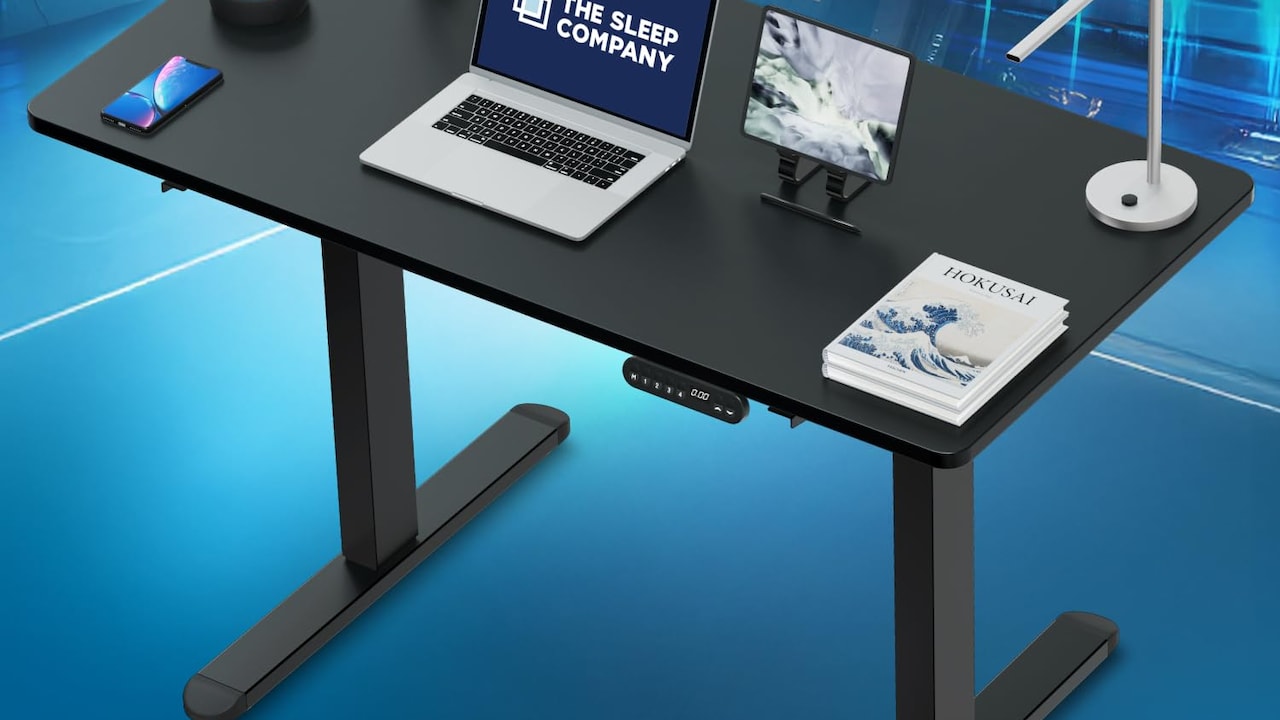
Height Adjustable Desks That Improve Posture While Working: A Smarter Way To Work Comfortably.
A typical workday often begins with good intentions. A straight back, a properly placed chair, perhaps even a quick stretch before opening the laptop. Yet by mid-morning, posture slowly collapses. Shoulders round forward, the neck leans toward the screen, and the spine settles into a tired curve.
This pattern has become almost universal in the age of laptops and long digital work hours. Remote work, office desks, café workstations, and even dining tables have turned into makeshift workspaces. The result appears familiar: stiff backs, tight shoulders, and reduced energy.
Height-adjustable desks step into this picture as a surprisingly simple answer. Instead of forcing the body to stay in one position for hours, these desks allow smooth transitions between sitting and standing. That small change encourages movement, improves spinal alignment, and keeps muscles active.
Modern workplaces increasingly recognise that productivity grows when the body feels comfortable. Adjustable desks reflect that shift. They combine ergonomics with flexibility, allowing workers to adapt the desk to their body rather than forcing the body to adapt to the desk.
Beyond comfort, posture affects confidence, breathing, and concentration. A desk that encourages better alignment can subtly transform the entire work experience. From freelancers working in small city flats to professionals in corporate offices, adjustable desks now play a growing role in creating healthier work habits.
The following sections explore how height-adjustable desks improve posture while working and why they deserve a place in today's workspaces.
How Height-Adjustable Desks Support Better Posture At Work
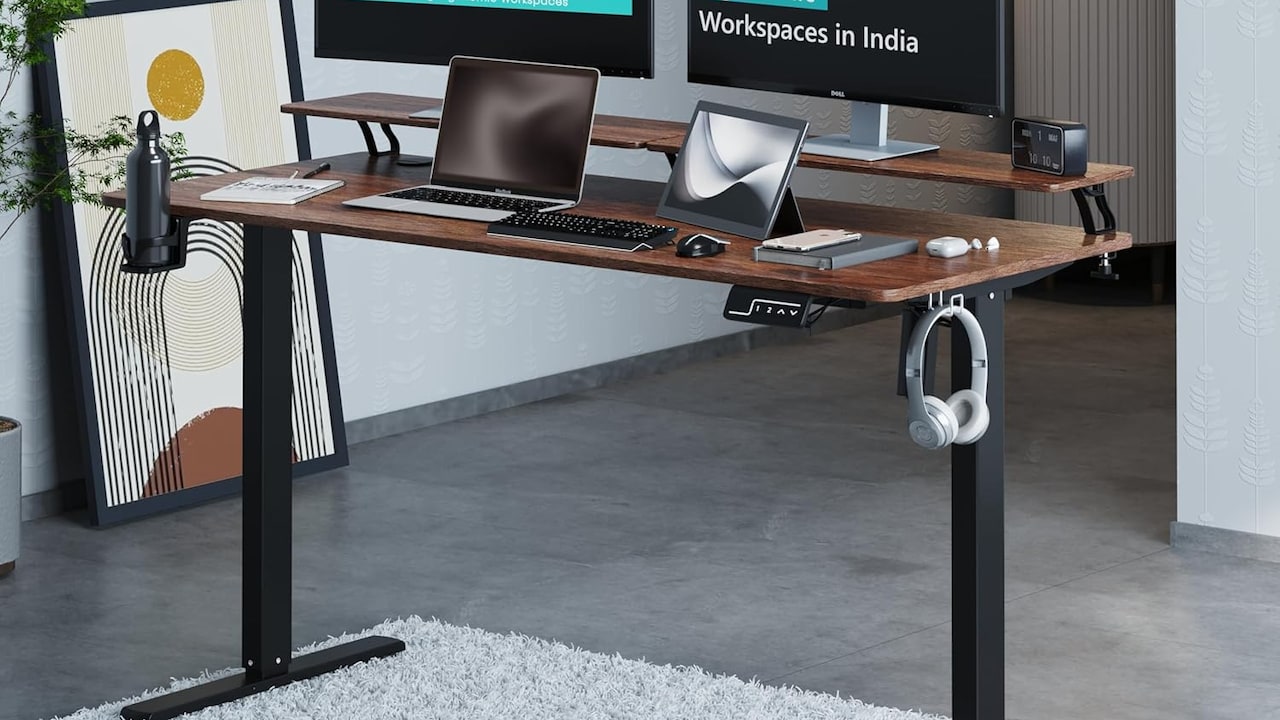
Height Adjustable Desks That Improve Posture While Working
Photo Credit: Amazon
Encouraging Natural Spine Alignment
Posture begins with the spine. When a desk sits too low or too high, the body automatically compensates. Shoulders hunch, the neck bends forward, and the lower back strains to maintain balance. Over time, these small adjustments create persistent discomfort.
Height-adjustable desks restore control over that alignment. By allowing precise changes in height, the desk can match the natural posture of the body. The screen aligns with eye level, arms rest comfortably at right angles, and the spine maintains its gentle S-curve.
Many workers notice this difference within days. Instead of leaning toward the screen, the body relaxes into a neutral position. Muscles no longer struggle to support awkward angles.
Consider a typical home workspace where a laptop sits on a dining table. The screen often falls far below eye level. Within minutes, the neck bends downward. An adjustable desk eliminates that mismatch by lifting the workspace to the correct height.
Better spinal alignment also reduces fatigue. When muscles do less compensating, the body preserves energy throughout the day. Work becomes smoother, and discomfort fades into the background rather than dominating attention.
Promoting Movement Throughout The Day
The human body thrives on movement. Yet desk work often demands the opposite: long hours of stillness. Even the most comfortable chair cannot replace the benefits of regular motion.
Height-adjustable desks break that cycle. With a simple adjustment, the workspace transforms from seated to standing within seconds. This flexibility encourages natural shifts in posture during the workday.
A standing session after lunch often feels refreshing. Blood circulation improves, the body wakes up, and the mind sharpens. Many workers discover that tasks requiring focus or creativity feel easier while standing.
Movement does not require dramatic exercise routines. Small changes already make a difference. Standing for a short call, stretching while reading documents, or switching positions every hour keeps muscles engaged.
Workplaces across major cities increasingly embrace this concept. Instead of rigid desk setups, adjustable workstations promote gentle activity during the day.
That steady rhythm of movement helps maintain posture. Muscles stay active, joints remain flexible, and stiffness struggles to build up.
Reducing Neck And Shoulder Strain
Neck and shoulder tension ranks among the most common complaints in modern workplaces. Hours spent looking down at screens gradually tighten muscles around the upper spine.
Height-adjustable desks address this issue by improving screen positioning. When the desk rises to the correct level, the monitor aligns with the user's gaze. The neck remains upright rather than bent forward.
This simple change dramatically reduces strain. The shoulders relax, and the upper back no longer carries unnecessary tension.
Picture a programmer working late into the evening. With a standard desk, the neck gradually tilts toward the laptop. By the end of the day, stiffness spreads from the shoulders to the base of the skull.
An adjustable desk lifts the screen closer to eye level. The head stays balanced over the spine rather than leaning forward. Over time, this alignment prevents the gradual build-up of discomfort.
The result feels subtle yet powerful. Fewer headaches, reduced muscle tightness, and a calmer upper body transform the workday.
Supporting A Balanced Sitting And Standing Routine
Standing desks alone cannot solve posture issues. Standing all day creates its own challenges. The real benefit lies in balance.
Height-adjustable desks allow workers to alternate between sitting and standing according to comfort. This balance prevents the body from locking into a single position.
A common rhythm involves sitting for focused tasks, then standing during calls or reading sessions. This pattern spreads physical effort across different muscle groups.
Balance also improves endurance. Sitting provides rest for the legs, while standing activates the core and improves circulation.
Over time, workers develop an intuitive routine. The body signals when it needs a change, and the desk responds instantly.
Such flexibility proves especially helpful in home workspaces where traditional ergonomic furniture may not exist. Adjustable desks adapt easily to different tasks, body types, and room layouts.
That adaptability keeps posture dynamic rather than rigid.
Improving Core Muscle Engagement
Good posture relies on strong core muscles. The abdomen, lower back, and hips work together to stabilise the spine.
Height-adjustable desks naturally encourage this engagement, particularly while standing. Unlike sitting, standing requires the body to maintain balance and alignment.
During standing sessions, the core activates to support the spine. This gentle muscle activity strengthens stability over time.
The effect becomes noticeable after several weeks. Workers often report lower back fatigue and better posture even outside the workplace.
Standing does not require rigid stillness. Shifting weight, adjusting stance, or using a footrest keeps muscles active without strain.
A stronger core improves posture throughout daily activities. Walking, lifting bags, or sitting in meetings all benefit from improved stability.
Adjustable desks, therefore, extend their benefits beyond the workspace.
Increasing Energy And Mental Focus
Posture influences more than physical comfort. It also affects mental energy.
Slouched positions compress the chest and restrict breathing. Oxygen intake decreases, and the body gradually feels sluggish.
Standing restores openness in the chest and improves breathing patterns. This increased oxygen flow supports sharper thinking and alertness.
Many professionals notice a clear difference during afternoon work hours. Instead of battling drowsiness after lunch, a standing session restores momentum.
Creative tasks often benefit from this change. Writing, brainstorming, and planning feel more dynamic while standing.
The connection between posture and mood also plays a role. Upright positions often feel more confident and engaged.
Height-adjustable desks, therefore, support productivity by aligning physical posture with mental clarity.
Adapting To Different Body Types And Workspaces
Standard desks follow fixed measurements that rarely suit everyone. Height differences, chair designs, and monitor sizes all influence comfort.
Height-adjustable desks remove this limitation. Users can fine-tune the desk height to match their individual needs.
This adaptability proves especially valuable in shared workspaces. One desk can accommodate multiple users without discomfort.
Home offices benefit as well. Small apartments often require flexible furniture. Adjustable desks adapt easily to compact spaces and multifunctional rooms.
Even growing teenagers studying for exams can adjust the desk to maintain proper posture.
Customisation transforms the workspace into a personalised environment rather than a rigid setup.
That freedom encourages consistent ergonomic habits.
Encouraging Better Work Habits
Posture rarely improves through furniture alone. Habits play an equally important role.
Height-adjustable desks encourage healthier routines simply by making change easier. When switching positions requires only a quick adjustment, workers feel more motivated to move.
This convenience removes common excuses. Instead of remaining seated for hours, workers naturally alternate between positions.
The desk becomes a subtle reminder to maintain awareness of posture.
Some professionals even schedule standing intervals during the day. A 20-minute standing session after each hour of sitting keeps the body active.
Over time, these habits become second nature. The body begins to resist prolonged slouching and seeks better alignment.
Such behavioural changes create lasting improvements in posture.
Enhancing Long-Term Musculoskeletal Health
Years of poor posture can lead to chronic discomfort. Lower back pain, stiff shoulders, and repetitive strain injuries often develop gradually.
Height-adjustable desks reduce these risks by encouraging better alignment and movement.
Regular posture changes prevent muscles from remaining under constant tension. Joints experience less stress, and circulation improves.
Physiotherapists often recommend ergonomic workstations as part of preventive care. Adjustable desks form a key element of such setups.
Investing in posture today can prevent expensive treatments later. Many high-quality adjustable desks cost between ₹20,000 and ₹60,000, depending on features and build quality.
Compared with long-term medical expenses or productivity loss, that investment feels reasonable.
Healthy work habits often begin with the right environment.
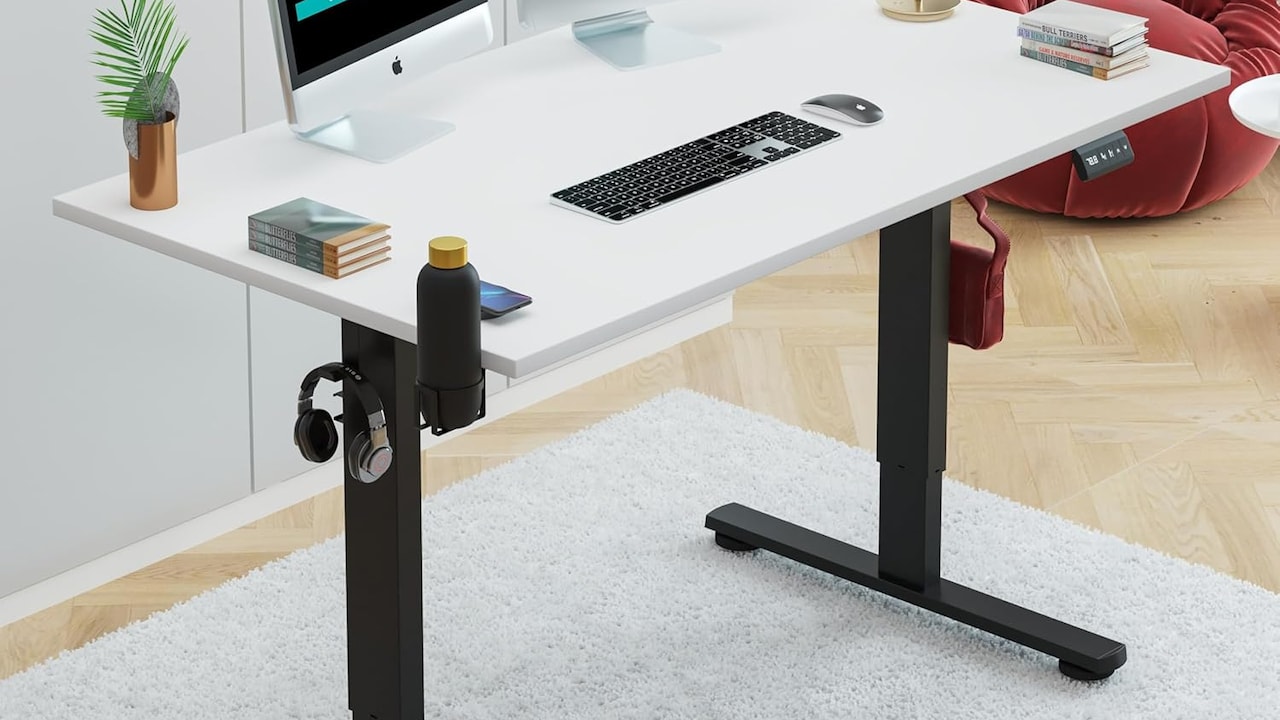
Height Adjustable Desks That Improve Posture While Working
Photo Credit: Amazon
Creating A Modern And Flexible Workspace
Workspaces continue to evolve. Remote work, hybrid schedules, and flexible office layouts now shape modern professional life.
Height-adjustable desks align perfectly with this shift. Their adaptable design suits both corporate offices and home setups.
Many contemporary workspaces now feature adjustable desks as standard equipment. Employees appreciate the freedom to customise their environment.
Even freelancers working from compact apartments find value in this flexibility. A desk that adapts to both sitting and standing fits easily into multi-purpose rooms.
Beyond health benefits, adjustable desks also contribute to a modern aesthetic. Sleek frames, smooth motors, and minimal designs complement contemporary interiors.
A well-designed workspace influences motivation. When the environment feels comfortable and thoughtfully arranged, productivity often follows naturally.
Products Related To This Article
1. JIN OFFICE Zenith Electric Height Adjustable Table
2. The Sleep Company - Electric Height Adjustable Desk
3. Jin Office Octave Neo Electric Height Adjustable Table
4. Green Soul Elevate Height Adjustable Engineered Wood Table with Monitor Riser
5. Lukzer Electric Height Adjustable Desk with USB & Type-C Ergonomic Work from Home Study Table
Posture may seem like a small detail in the daily routine of work. Yet it quietly influences comfort, focus, energy, and long-term health.
Height-adjustable desks offer a practical solution to one of the most common challenges of modern work life: sitting for too long. By allowing smooth transitions between sitting and standing, these desks encourage movement, support spinal alignment, and reduce physical strain.
The benefits extend far beyond comfort. Improved posture enhances breathing, concentration, and confidence throughout the day.
From home offices to corporate workplaces, adjustable desks represent a shift toward healthier work environments. Instead of forcing the body into static positions, the workspace adapts to the body's natural rhythm.
In a world where work increasingly revolves around screens, small ergonomic changes can create meaningful improvements. A desk that moves with the worker rather than against them might seem like a simple innovation, yet its impact on posture and wellbeing proves surprisingly powerful.
(Disclaimer: This article may include references to or features of products and services made available through affiliate marketing campaigns. NDTV Convergence Limited (“NDTV”) strives to maintain editorial independence while participating in such campaigns. NDTV does not assume responsibility for the performance or claims of any featured products or services.)
















![Steam Iron Teflon Shoe Cover for ES-300,ST-96 [Only For ES-300 and ST-96 Model Electric Steam Irons]](https://m.media-amazon.com/images/I/51wwkttondL._SL160_.jpg)