Can Ceramic Knives Cut Everything? 10 Kitchen-Knife Myths That Can Ruin The Blade
Ceramic knives stay sharp for longer, but they are far from indestructible. Discover 10 common kitchen-knife myths that can chip, dull or damage your blade, and the simple habits that help it last longer.
Can Ceramic Knives Cut Everything? 10 Kitchen-Knife Myths That Can Ruin The Blade
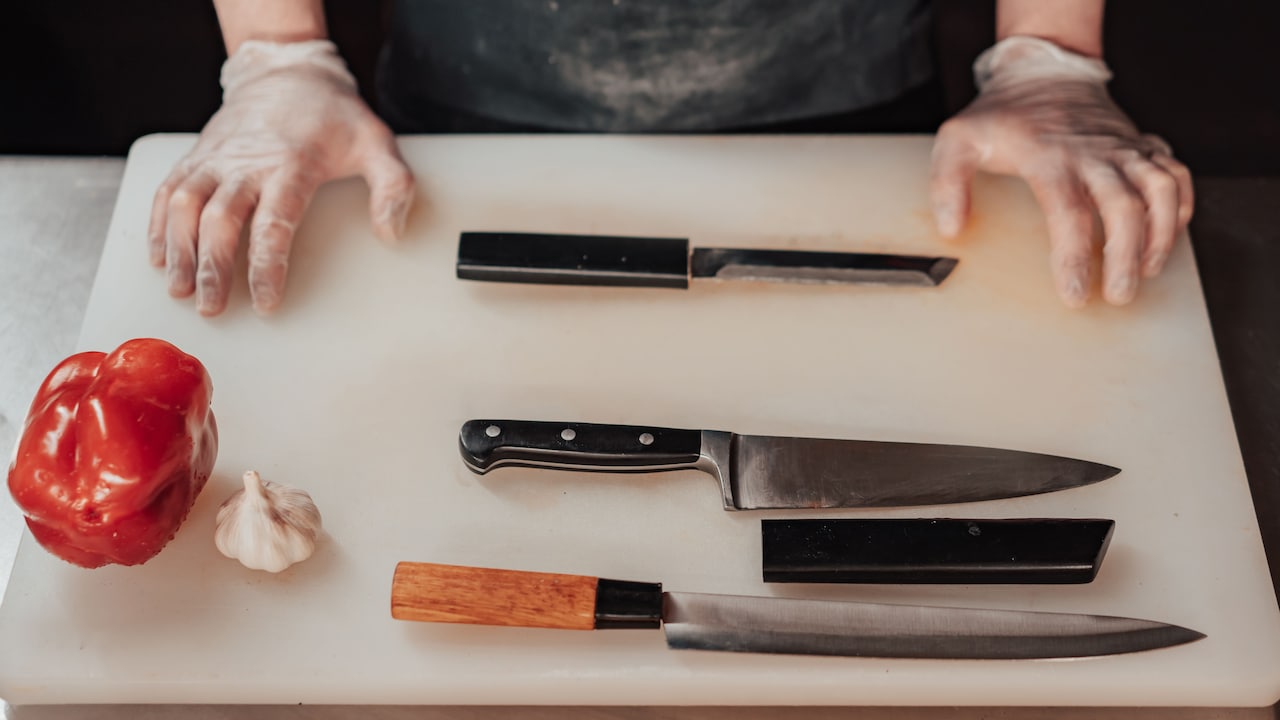
Every kitchen has at least one knife with a complicated history. Perhaps it once sliced tomatoes so cleanly that the pieces looked ready for a food magazine. A few months later, it struggles with a soft brinjal and needs three determined strokes to get through a cucumber. The obvious suspect is usually the knife itself. Maybe it was cheap. Maybe the brand exaggerated its sharpness. Maybe ceramic knives simply do not last. Quite often, though, the blade is only half the story. Kitchen knives live a rough life. They meet hard chopping boards, frozen packets, stubborn coconut shells and the occasional dishwasher cycle. Some get thrown into drawers beside peelers and steel spoons. Others face the famous thumbnail sharpness test or get pressed into service as makeshift screwdrivers.
Can Ceramic Knives Cut Everything? 10 Kitchen-Knife Myths That Can Ruin The Blade; Photo Credit: Pexrls
Ceramic knives require even more care. Their lightweight feel and impressive sharpness can create the illusion that they can tackle anything. They cannot.
Separating myth from sensible knife care can save money, prevent accidents and make daily cooking much easier. Here are ten familiar beliefs that deserve a closer look.
10 Kitchen-Knife Myths That Could Be Damaging Your Blade
1. Ceramic Knives Can Cut Absolutely Everything
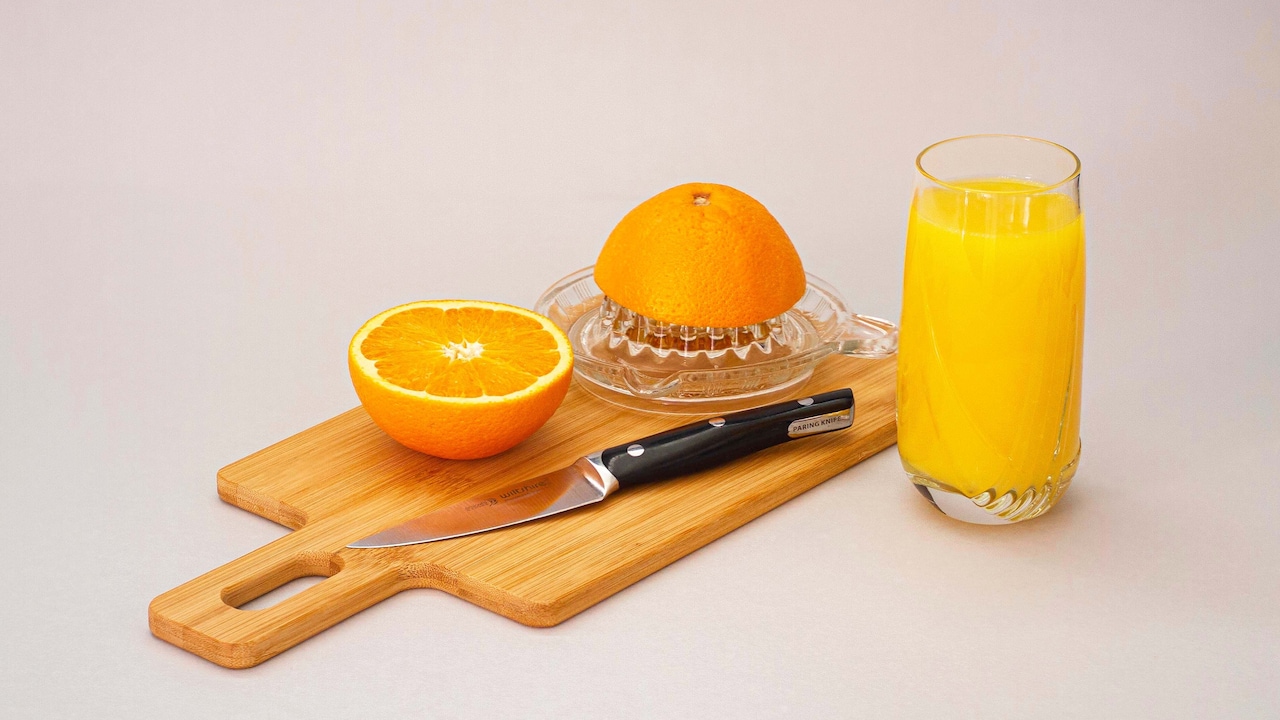
A ceramic knife can feel almost magical the first time it meets a ripe tomato. The blade glides through the skin without squashing the flesh, and suddenly it seems capable of conquering the entire vegetable basket.
That confidence can become expensive.
Ceramic blades excel at slicing soft, boneless foods such as fruit, vegetables and cooked meat. Their hardness allows them to hold a sharp edge for a long time. However, hardness does not mean toughness. Ceramic has far less flexibility than many steel blades.
Try forcing one through bones, frozen meat, coconut shells or a hard block of jaggery and the edge may chip. Twisting the knife while cutting can cause even greater damage.
Think of ceramic as a precision tool rather than a kitchen warrior. It works beautifully for neat slicing but dislikes brute force.
For jobs involving joints, bones or hard ingredients, reach for a sturdy steel chef's knife or cleaver instead. A knife lasts much longer when its job matches its design.
2. A Sharper Knife Is More Dangerous Than A Dull One
A gleaming, razor-sharp knife can look intimidating, which explains why some home cooks feel safer using a slightly blunt blade. The logic sounds sensible: less sharpness must mean less chance of injury.
In practice, the opposite often happens.
A dull knife needs extra pressure. When a blade refuses to bite cleanly into an onion, tomato or pumpkin, the hand naturally pushes harder. That extra force makes slips more difficult to control. A sharp knife needs less pressure and follows the intended cutting line more easily.
Of course, sharp knives still demand proper handling. Fingers should stay curled away from the edge, and rushed chopping rarely ends well.
Ceramic knives add another wrinkle. Their edges can remain sharp long after users expect them to dull, so casual handling can surprise anyone accustomed to softer steel.
The safest knife is not necessarily the least sharp one. It is a well-maintained knife used with attention, proper technique and a stable cutting surface.
3. Glass Chopping Boards Keep Knives Cleaner And Safer
Glass chopping boards certainly look tidy. They resist stains, wipe clean easily and can make a kitchen counter appear polished enough for an advertisement.
Knife blades, unfortunately, are less impressed.
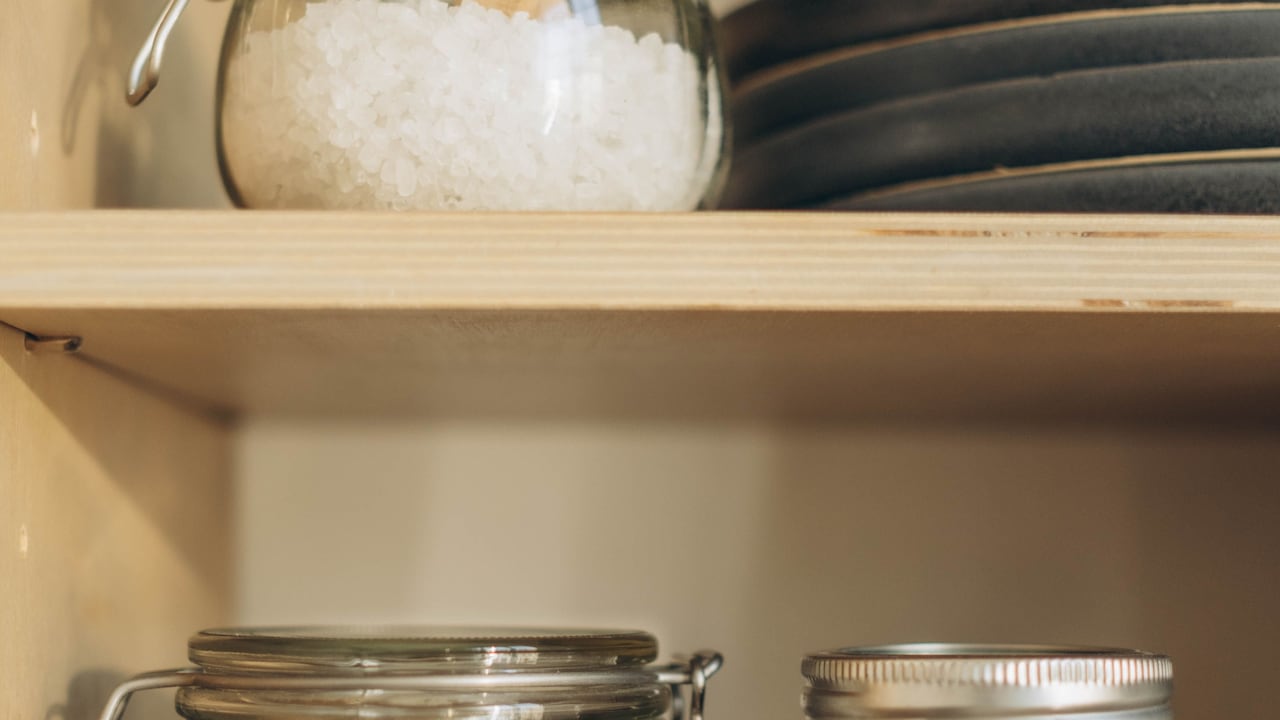
Every chopping motion ends with the knife edge meeting the board. On glass, marble, granite or ceramic surfaces, that impact takes a toll. Steel blades lose their edge faster, while ceramic knives face an even greater risk of tiny chips.
A wooden or good-quality plastic chopping board treats the edge more gently because the surface has a little give. That difference may seem minor during one meal, but hundreds of chopping sessions quickly add up.
The loud tapping sound of a knife hitting glass offers a useful clue. A cutting board should support the blade, not fight it.
Those beautiful glass boards still have uses. They can hold cheese, snacks or serving bowls during a gathering. For actual chopping, though, save the knife some punishment and choose wood or plastic.
Your blade will remain sharper, and meal prep will feel noticeably smoother.
4. The Dishwasher Cannot Harm A Good Kitchen Knife
A dishwasher can handle plates covered in dal, oily kadai lids and a mountain of spoons, so slipping a kitchen knife into the same load feels harmless.
It is not ideal knife care.
Inside a dishwasher, strong detergents, heat and water act on the blade and handle for an extended period. More importantly, knives can knock against cutlery, racks or other utensils during the wash cycle. That contact can dull a steel edge and chip a ceramic one.
Handles may also suffer. Wood can swell, crack or lose its finish, while adhesives used in some knife constructions can deteriorate over time.
Hand-washing takes barely a minute. Use mild washing-up liquid, clean the blade carefully with a soft sponge and dry it soon afterwards.
Do not leave sharp knives hidden under soapy water in the sink either. Reaching blindly into a bowl full of utensils turns washing up into an unnecessary adventure.
A dishwasher may save time, but a decent knife deserves the old-fashioned treatment: wash, rinse, dry and store.
5. Ceramic Knives Never Need Sharpening
One of the biggest attractions of ceramic knives is edge retention. Compared with many ordinary steel knives, a good ceramic blade can stay sharp for an impressively long period.
That has created a stubborn myth: ceramic knives never need sharpening.
They do.
Ceramic material wears slowly, but regular use eventually reduces cutting performance. Tiny chips may also appear along the edge. The difference lies in how these knives need sharpening.
A standard honing steel designed for metal blades will not restore a ceramic knife properly. Ceramic usually requires diamond-coated sharpening tools because diamond is hard enough to work on the material. Some manufacturers also recommend professional sharpening.
Before sharpening anything, check the knife maker's care instructions. Aggressive DIY sharpening can do more harm than good.
There is also no prize for waiting until a knife becomes frustratingly blunt. Notice how it behaves. If a blade once sailed through tomatoes but now drags at the skin, the edge needs attention.
Long-lasting does not mean everlasting. Even excellent tools eventually ask for maintenance.
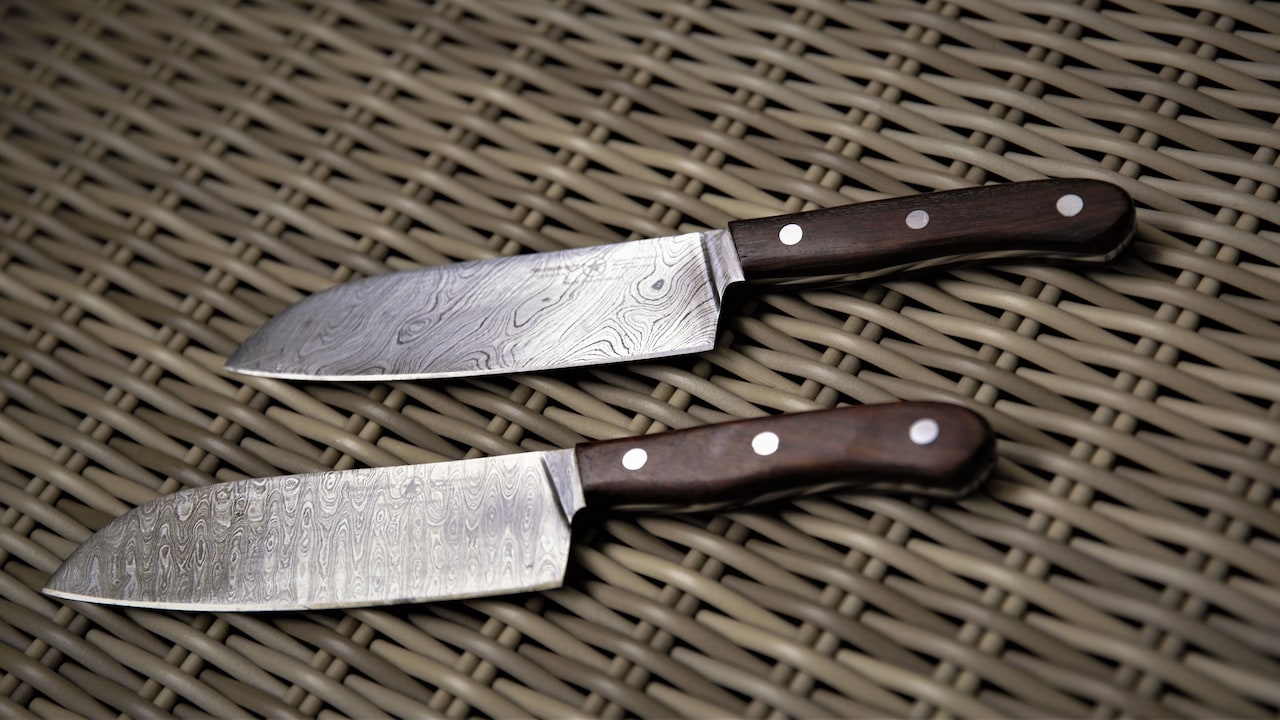
Can Ceramic Knives Cut Everything? 10 Kitchen-Knife Myths That Can Ruin The Blade
Photo Credit: Pexels
6. Any Knife Can Handle Frozen Food
The freezer often creates moments of culinary impatience. Dinner needs to start, the chicken is still solid and waiting for it to thaw feels like a luxury.
So out comes the knife.
Forcing a normal kitchen knife through frozen food can damage both the blade and the cook's fingers. Frozen meat, vegetables and tightly packed food behave more like hard material than fresh ingredients. A thin edge can roll, dull or chip under the pressure.
Ceramic knives face particular danger because they do not flex like many steel blades. One awkward sideways movement can take a small piece out of the edge.
A safer approach is simple: thaw the food enough for cutting or use a knife specifically designed for heavy frozen-food work.
The same caution applies to hacking apart tightly frozen packets. A knife that slips off a solid block can travel in a direction nobody planned.
Dinner can survive another few minutes of thawing. A chipped ₹2,000 knife or an injured hand makes a far more annoying evening.
7. Storing Knives Loose In A Drawer Does No Damage
The cutlery drawer often becomes kitchen real estate for everything that lacks a proper home. Spoons, peelers, scissors, bottle openers and knives all end up sharing the same cramped neighbourhood.
The arrangement seems practical until the drawer opens and every metal object slides into another.
Loose storage damages knife edges through repeated contact. Steel knives gradually lose sharpness, while ceramic blades can develop chips if they strike hard objects. Reaching into the drawer also creates an obvious safety risk when sharp edges hide beneath utensils.
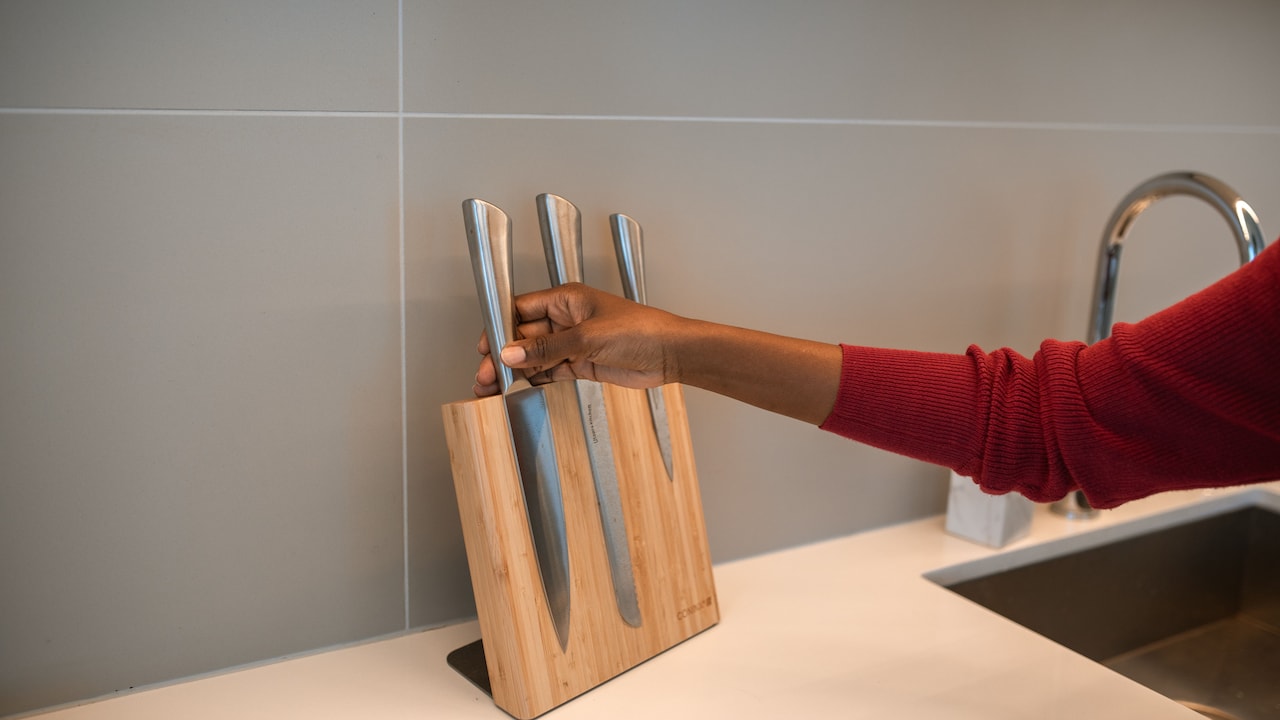
Better storage does not need a restaurant-style kitchen. A knife block, magnetic strip, drawer organiser or protective blade sheath can keep edges separated.
Ceramic knives benefit especially from individual protection because a knock against another utensil may cause more damage than everyday slicing.
Avoid tossing a freshly washed knife into a drawer and calling the job finished. Storage forms part of knife maintenance just as much as cleaning and sharpening.
A sharp blade should spend its downtime somewhere calm, not fighting with three teaspoons and a vegetable peeler.
8. Cutting Sideways With The Blade Is Completely Fine
Watch someone chop coriander or onions quickly and a familiar movement often follows. The cook turns the knife sideways and scrapes everything across the chopping board into a bowl.
Convenient? Absolutely. Great for the edge? Not quite.
Dragging the sharpened edge sideways against a board puts unnecessary stress on it. Steel edges can gradually roll or lose sharpness. Ceramic knives may chip, particularly if the blade catches on the surface.
The simple solution involves turning the knife over and scraping with the spine, the dull upper edge of the blade. Better still, use a bench scraper when moving larger piles of chopped food.
Twisting inside ingredients causes similar trouble. If a knife gets stuck halfway through a hard vegetable, resist using it as a lever. Pull it out and begin another cut.
Knives work best when moving forwards, backwards or down through food. Sideways force asks the blade to perform a job it never signed up for.
That tiny change in habit can preserve an edge for much longer.
Also Read: 5 Kitchen Knife Set For Under Rs. 1000 - Check Them Out!
9. Expensive Knives Do Not Need Much Care
A ₹10,000 knife can certainly offer better materials, balance and craftsmanship than a bargain blade. What the higher price cannot buy is immunity from bad habits.
Premium knives still dislike glass boards. They can still rust, chip, dull or develop damaged handles. A costly ceramic blade will not survive enthusiastic coconut chopping merely because the receipt looked impressive.
In fact, expensive knives often deserve more disciplined care because repairing or replacing them hurts the wallet far more.
Price also does not automatically determine usefulness. A well-maintained ₹1,500 knife may perform better in daily cooking than a neglected luxury model with a damaged edge.
Choose knives according to the jobs they need to perform, then maintain them properly. Keep them clean, dry and securely stored. Sharpen them using the correct method and avoid tasks that exceed their design.
Kitchen equipment has no concept of prestige. A blade reacts to force, impact and friction regardless of the logo printed near the handle.
Respect the tool, not merely the price tag.
10. A Kitchen Knife Makes A Handy Tool For Other Jobs
A sealed packet refuses to open. A screw needs tightening. A paint tin has a stubborn lid. The nearest useful object happens to be a kitchen knife.
That is where trouble begins.
Using a knife as a screwdriver, pry bar, can opener or package punch puts sideways pressure on a blade designed for cutting food. Steel tips can bend or snap. Ceramic tips can break almost instantly under leverage.
Opening plastic packaging with a good kitchen knife also creates another risk. The blade can suddenly slide through the material and continue towards the hand holding it.
Use scissors for packets, a screwdriver for screws and a proper opener for tins and bottles. It sounds almost comically obvious, yet multipurpose misuse ruins plenty of perfectly good knives.
A kitchen knife earns its place by slicing, chopping and preparing ingredients. It does not need a second career in household repairs.
When a blade receives the right job, it stays sharper, lasts longer and makes cooking far less stressful.
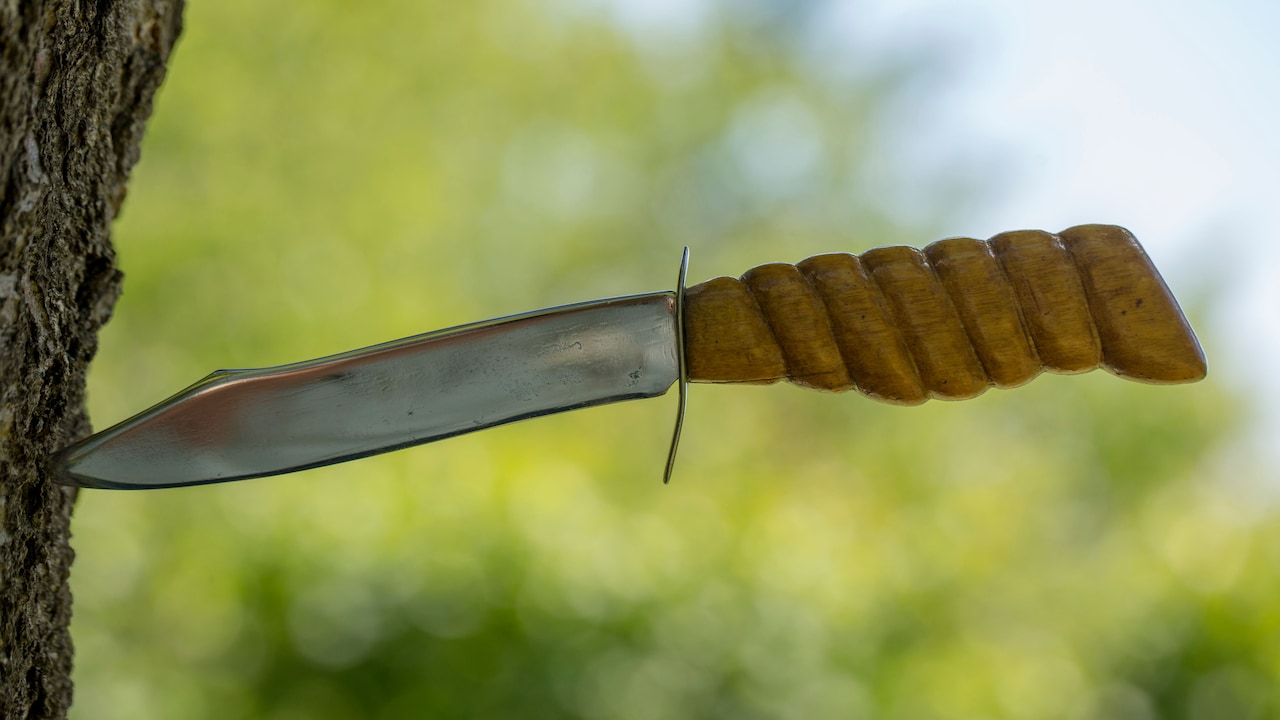
Can Ceramic Knives Cut Everything? 10 Kitchen-Knife Myths That Can Ruin The Blade
Photo Credit: Pexels
Products Related To This Article
1. KAI Premium Kitchen Knife Set of 4, Stainless Steel Nakiri Knife
2. amazon basics Stainless Steel Knife Set with High-carbon Blades and Pine Wood Block
3. SNMMIFER Kitchen Knife Set, 3 Piece, High Carbon Stainless Steel
4. AGARO Majestic 3 Pcs Knife Set for Kitchen, High Carbon Stainless Steel
5. KAI Premium Kitchen Knife Set of 4, Stainless Steel Nakiri Knife, Santoku Knife
6. Bergner Olive Garden Stainless Steel 7 Pcs Knife Set
7. E-COSMOS® Professional 3-Piece Kitchen Knife Set
Kitchen knives rarely lose their edge because of one dramatic mistake. More often, damage arrives quietly: one glass chopping board, one frozen chicken breast, one careless scrape across the counter and one night rattling around in a crowded drawer.
Ceramic knives make these habits especially important because their greatest strength also creates their main weakness. Their hard material produces an exceptionally sharp, long-lasting edge, but it does not tolerate twisting, impact or heavy-duty chopping particularly well.
Steel knives have their limits too. No blade becomes indestructible simply because it costs more, looks professional or carries an impressive brand name.
Good knife care comes down to surprisingly ordinary habits. Match the knife to the food, choose a forgiving chopping surface, clean it gently, store it properly and stop asking it to behave like a screwdriver.
Do that, and the difference becomes obvious at the next meal. Tomatoes slice instead of squash, onions chop without a wrestling match and dinner preparation feels quicker.
Sometimes the secret to a sharper kitchen is not buying another knife. It is treating the one already in the drawer a little better.
(Disclaimer: This article may include references to or features of products and services made available through affiliate marketing campaigns. NDTV Convergence Limited (“NDTV”) strives to maintain editorial independence while participating in such campaigns. NDTV does not assume responsibility for the performance or claims of any featured products or services.)