How To Prevent Bitter Orange Or Lemon Juice: 10 Fixes For Peel, Pith And Juicing Pressure
Learn how to prevent bitter orange or lemon juice with 10 simple fixes. Control peel, pith, seeds and juicing pressure to keep every glass fresh, bright and balanced.
How To Prevent Bitter Orange Or Lemon Juice: 10 Fixes For Peel, Pith And Juicing Pressure
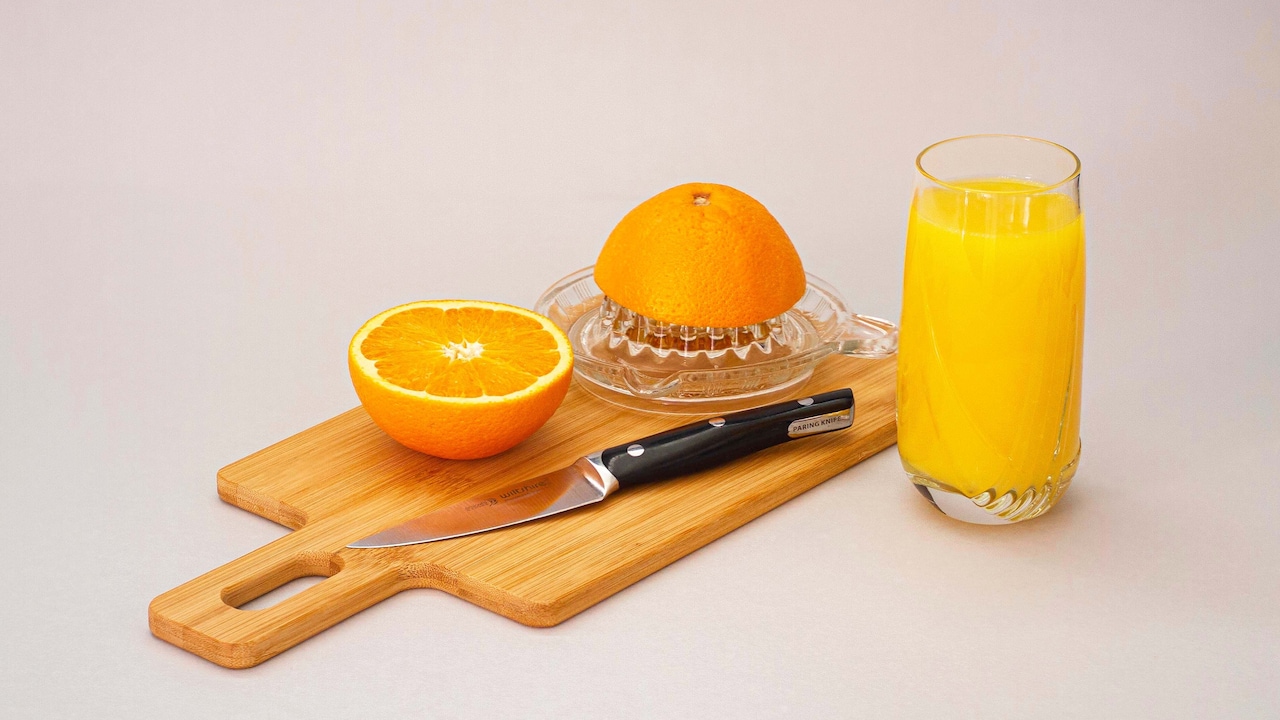
There is something wonderfully optimistic about cutting open a fresh orange or lemon. The fragrance arrives first, sharp and cheerful, followed by the promise of clean, juicy freshness. Then comes the first sip. Sometimes, instead of bright citrus flavour, the tongue meets an unpleasant bitter edge that lingers far longer than invited. That bitterness does not always mean the fruit has gone bad. Citrus fruits contain naturally bitter compounds in their peel, pith, seeds and membranes. During juicing, especially when the fruit is pressed aggressively or processed for too long, some of those compounds can slip into the juice. Even perfectly sweet oranges can turn slightly bitter when handled roughly.
How To Prevent Bitter Orange Or Lemon Juice: 10 Fixes For Peel, Pith And Juicing Pressure
Photo Credit: Pexels
Fortunately, preventing the problem is easier than rescuing an already bitter jug. The secret lies in gentler preparation, sensible fruit selection and knowing which parts of the citrus deserve to stay well away from the glass. Here are ten simple fixes that help oranges and lemons taste the way they should: fresh, fragrant and pleasantly punchy.
Why Citrus Juice Turns Bitter And How To Stop It
1. Choose Ripe, Heavy Fruit
Good juice starts long before the first squeeze. When buying oranges or lemons, pick fruits that feel surprisingly heavy for their size. That extra weight usually means more juice inside. The skin should feel firm but not rock-hard, while a slight natural give can suggest good ripeness.
Avoid fruit with large soft patches, deep wrinkles or signs of drying. Older citrus often produces less juice and may develop a harsher flavour. Extremely thick-skinned oranges can also contain more pith, which increases the chance of bitterness if the fruit gets squeezed too enthusiastically.
Colour alone can mislead. A bright orange peel does not automatically guarantee sweetness, and a lemon with a little green tint may still taste perfectly good. Weight, aroma and firmness often tell a better story.
At the fruit stall, gently smell the citrus near the stem. A fresh, clean fragrance usually signals good flavour. When juice is the goal, choosing well-ripened fruit gives sweetness and acidity a better natural balance, meaning fewer kitchen tricks become necessary later.
2. Roll The Fruit Gently Before Juicing
Rolling citrus on the kitchen counter can help release more juice, but there is a catch. Too much pressure can bruise the peel and encourage bitter oils to enter the fruit.
Place the orange or lemon on a clean counter and roll it beneath the palm for a few seconds using gentle, even pressure. The goal is simply to loosen the internal membranes, not flatten the poor fruit as though it owes someone money.
This small step can make hand-squeezing noticeably easier, particularly with firm lemons. Softer internal segments release their juice with less force, so there is less temptation to crush the peel during squeezing.
For refrigerated citrus, allow the fruit to come closer to room temperature first. Cold fruit often feels firmer and may require greater pressure. A slightly warmer lemon or orange generally releases juice more freely.
The important word here is gently. Aggressive rolling can damage the rind, while excessive squeezing later may extract unwanted oils. Treating the fruit kindly usually rewards the glass with cleaner flavour and a little more juice.
3. Remove Excess White Pith
The white layer between the colourful outer peel and the juicy flesh is called pith. It performs an important job inside the fruit, but it is not particularly welcome in fresh juice.
Pith contains bitter compounds that can become noticeable when crushed or blended. This is especially relevant when making juice in a mixer-grinder, where whole peeled citrus segments may get pulverised far more thoroughly than they would during hand-squeezing.
If preparing oranges for blending, remove the thickest strands of white pith before adding the segments to the jar. There is no need to perform delicate surgery on every piece. Simply pull away obvious thick strips and the central white core where practical.
Lemons require similar care, particularly when using peeled wedges for drinks or syrups. The colourful zest can provide lovely aroma in controlled amounts, but the white layer underneath contributes bitterness rather than fragrance.
A little pith will not ruin the juice. The trouble begins when large amounts get crushed into the liquid. Removing the obvious excess keeps the flavour brighter without turning citrus preparation into a twenty-minute kitchen project.
4. Keep Seeds Out Of The Juice
Citrus seeds look harmless, but crushing them can introduce a distinctly bitter taste. One or two intact seeds falling into a glass may not cause much trouble. A mixer blade breaking several of them apart is a different matter.
Before blending oranges or lemons, quickly check the segments and remove visible seeds. For hand-squeezing, use a small strainer over the glass or bowl. It catches seeds without slowing the process and also traps larger pieces of membrane.
Seed removal becomes particularly important when preparing larger batches. Imagine squeezing twelve lemons for a jug of nimbu pani and discovering later that crushed seeds have given the entire batch a medicinal edge. That is the sort of kitchen surprise nobody needs five minutes before guests arrive.
Seedless citrus varieties can make life easier, although even fruits labelled seedless may occasionally contain a few.
The habit takes only seconds. Cut the fruit, inspect the exposed flesh and flick out obvious seeds before juicing. Keeping them away from blades and heavy pressure protects the fresh citrus taste with almost no extra effort.
Also Read: Upgrade Your Kitchen: Top 5 Juicer Mixer Grinders In India
5. Avoid Crushing The Peel While Squeezing
Citrus peel contains fragrant essential oils. In tiny amounts, they smell wonderful. In larger quantities, they can taste sharp, bitter and almost perfumed.
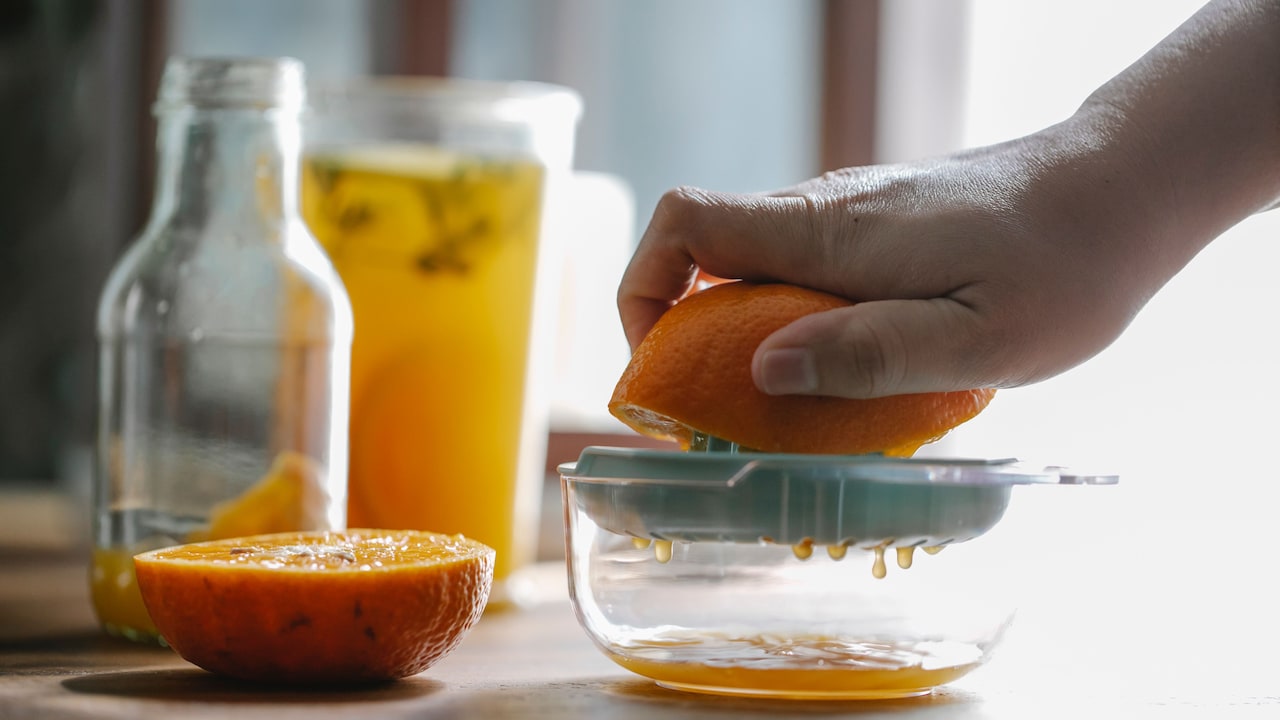
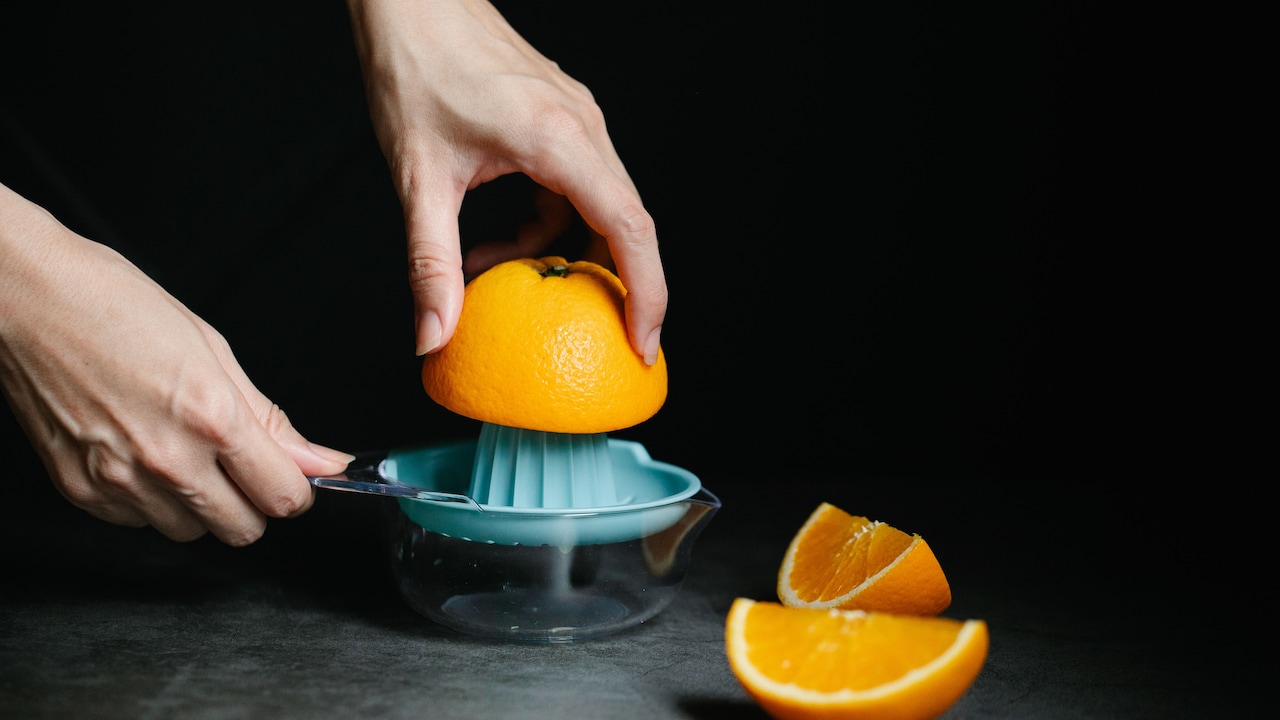
This becomes a common problem with handheld citrus presses. When the handles are squeezed with maximum force, the device may flatten not only the juicy flesh but also the rind. That releases more peel oil into the liquid.
Instead, press steadily until the main flow of juice slows down. There is little reward in applying one final heroic squeeze to extract every last drop. Saving half a teaspoon of juice is rarely worth turning the whole glass bitter.
The same rule applies when squeezing oranges by hand. Once the fruit half feels mostly empty, stop. Repeated twisting, folding and crushing of the peel increases the chance of harsh flavours entering the juice.
A good squeeze should extract the fruit, not interrogate it.
If making juice regularly, experiment with slightly lighter pressure. The yield may fall by a tiny amount, but the flavour often improves. Sometimes the best kitchen technique involves knowing exactly when to stop.
How To Prevent Bitter Orange Or Lemon Juice: 10 Fixes For Peel, Pith And Juicing Pressure
Photo Credit: Pexels
6. Do Not Over-Ream The Fruit
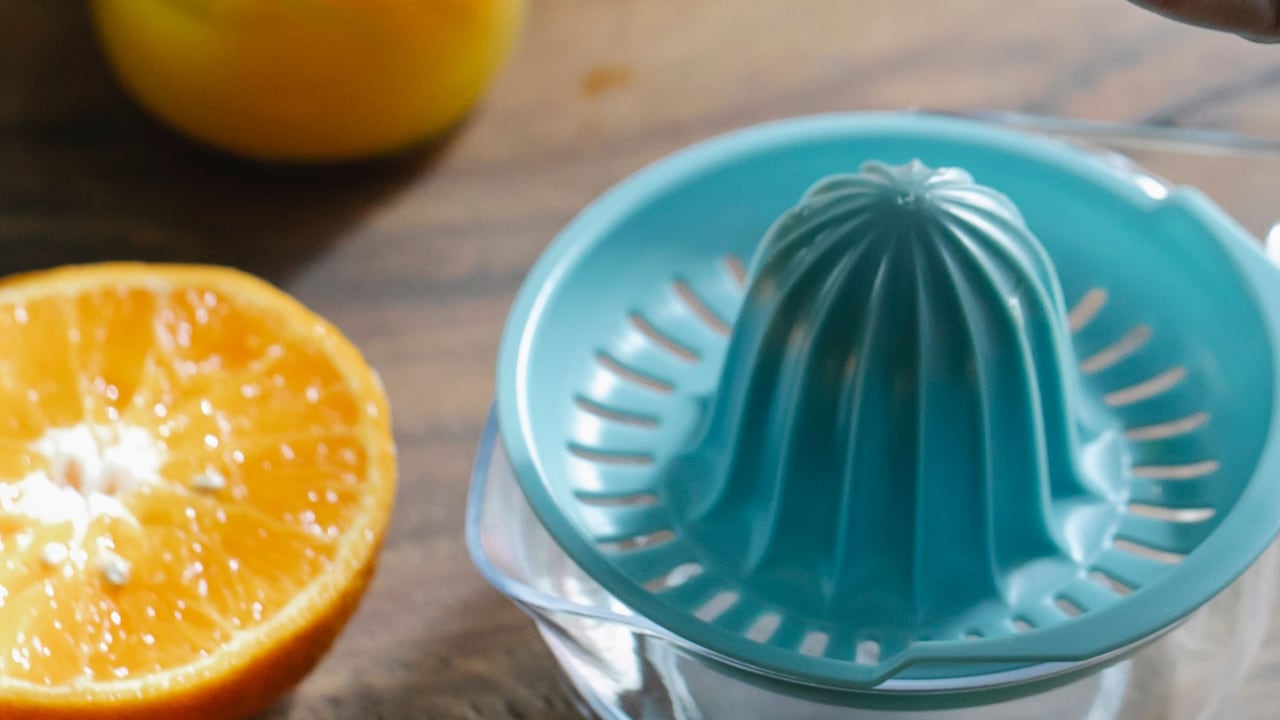
Traditional citrus reamers work beautifully because they break the membranes and release juice without requiring electricity. Problems appear when the fruit gets twisted repeatedly against the reamer after most of the liquid has already drained.
Over-reaming scrapes deeper into the inner rind and white pith. That increases bitterness, particularly with lemons and thick-skinned oranges.
Place the cut side of the fruit over the reamer and rotate it with moderate pressure. Once the flesh looks mostly collapsed and the juice flow becomes minimal, move on to the next half. Avoid scraping until the rind looks almost polished from the inside.
Electric citrus juicers deserve similar restraint. Allow the machine to do the work and remove the fruit when the flow drops. Pressing down harder does not necessarily improve the useful yield.
This matters even more when preparing juice for children or guests who prefer mild flavours. A fresh orange can taste naturally sweet, yet a few extra twists against the bitter inner rind may change the entire character of the drink.
Efficient juicing is not about extracting everything. It is about extracting the right things.
7. Use A Strainer For Cleaner Flavour
Fresh citrus pulp can be delicious, but crushed membranes and tiny peel fragments sometimes carry unwanted bitterness. A simple strainer offers an easy way to keep those rougher elements out.
After squeezing the fruit, pour the juice through a fine or medium mesh strainer into a clean jug. Do not press the collected pulp aggressively with a spoon. That defeats the purpose by forcing bitter compounds from membranes and peel pieces back into the liquid.
Instead, allow the juice to drain naturally. A gentle shake of the strainer is enough.
People who enjoy pulpy orange juice can still keep some clean pulp. Scoop back a small amount of soft orange flesh after straining, avoiding thick membranes or white fragments.
Straining becomes particularly useful when several fruits are being squeezed together. Tiny pieces that seem insignificant in one glass can accumulate in a large jug and affect the overall taste.
The technique also produces smoother juice for mocktails, lemon soda and chilled summer drinks. It takes less than a minute and gives better control over texture and flavour, proving that sometimes the humblest kitchen tool earns its drawer space.
8. Juice Citrus Fresh Instead Of Blending It For Too Long
A mixer-grinder can turn citrus preparation into a speedy affair, but speed comes with one major risk: over-processing.
When orange or lemon segments spin at high speed for too long, the blades do more than release juice. They crush membranes, pith and sometimes seeds. These parts contain compounds that can make the drink noticeably bitter.
If using a blender, remove as much thick pith and as many seeds as practical first. Pulse briefly rather than running the machine continuously. Once the fruit has broken down, strain it promptly.
For pure citrus juice, a manual press or citrus juicer often produces a cleaner flavour because it separates liquid without pulverising every part of the fruit.
Blenders work better when citrus forms part of a larger drink containing ingredients such as watermelon, mint or cucumber. Even then, short blending times help.
The temptation to keep the machine running until everything looks perfectly smooth can be strong. Unfortunately, perfect smoothness may bring imperfect flavour. Citrus generally prefers a quick introduction to the blender rather than a long-term relationship.
9. Drink Or Chill The Juice Soon After Squeezing
Fresh citrus juice changes after it sits. Exposure to air, warmth and light gradually alters its flavour and aroma. Some orange juices can develop stronger bitterness over time because naturally occurring compounds continue changing after extraction.
For the brightest flavour, drink freshly squeezed juice soon after making it. When preparing it in advance, transfer it into a clean, tightly covered glass bottle or container and refrigerate promptly.
Avoid leaving a jug on the kitchen counter through a long breakfast, especially during warm weather. Heat accelerates flavour changes and also reduces freshness.
If preparing lemon juice for later use, refrigerate it without unnecessary peel pieces floating inside. Lemon slices left soaking in drinks for many hours can release bitterness from the rind and pith.
A chilled bottle prepared earlier in the day can still taste refreshing, but fresh remains the gold standard. There is a reason roadside citrus stalls squeeze fruit only after an order arrives. Citrus tastes most cheerful when it has not spent half the day waiting around.
10. Balance Mild Bitterness Without Overloading Sugar
Sometimes bitterness slips through despite careful juicing. Perhaps the orange had unusually thick pith, or the lemon press received one squeeze too many. Mild bitterness can often be balanced rather than throwing the juice away.
For orange juice, a little extra sweet orange juice can soften the harsh edge naturally. Chilling the drink may also make bitterness feel less aggressive.
For lemon-based drinks, water and a modest amount of sugar can restore balance. A pinch of salt works particularly well in nimbu pani because it rounds out sharp flavours. Fresh mint, roasted cumin or a touch of ginger can add complexity without simply burying everything beneath sweetness.
Avoid pouring in large amounts of sugar immediately. Excess sweetness may hide bitterness temporarily but can leave the drink heavy and cloying.
If the juice tastes intensely bitter, however, rescue attempts may not be worthwhile. Strong bitterness from crushed peel, seeds or excessive pith rarely disappears completely.
The better approach remains prevention. Still, when the bitterness is only slight, thoughtful balancing can turn a disappointing glass into something pleasantly refreshing.
How To Prevent Bitter Orange Or Lemon Juice: 10 Fixes For Peel, Pith And Juicing Pressure
Photo Credit: Pexels
Products Related To This Article
1. PHILIPS Citrus Press Juicer HR2788/00, Black & Transparent
2. Lifelong Electric Citrus Juicer
3. Braun Electric Citrus Juicer, CitrusQuick 1
4. Juicer For Home LUMONY® Manual Hand Press Juicer Manual citrus juicer
5. Rico 350W Electric Juicer made with Japanese Technology
6. Sujata Citromatic Juicer|40 Watts|110 RPM|Direct Flow for Unlimited Capacity
7. BTC INDIA HPJ Aluminum Hand Press Juicer
Bitter orange or lemon juice usually comes down to one simple problem: too much of the wrong part of the fruit has entered the drink. Peel oils, thick pith, crushed seeds and heavily damaged membranes can all spoil the fresh flavour that makes citrus so appealing.
The solution does not require expensive equipment. Choose ripe, juicy fruit, handle it gently, remove obvious pith and seeds, and avoid squeezing as though there is a prize hidden inside the rind. Strain when necessary, keep blender time short and enjoy the juice while it still tastes fresh.
These habits may seem small, but together they make a noticeable difference. A glass of citrus juice should wake up the palate, not challenge it to a duel. With gentler juicing and a little attention to peel and pressure, oranges stay sweet, lemons remain lively and that unwanted bitter aftertaste can finally stay out of the glass.
(Disclaimer: This article may include references to or features of products and services made available through affiliate marketing campaigns. NDTV Convergence Limited (“NDTV”) strives to maintain editorial independence while participating in such campaigns. NDTV does not assume responsibility for the performance or claims of any featured products or services.)