Do Smart Doorbells With Motion Alerts Reduce Package Theft? Find Out Now
Package theft is rising as doorstep deliveries become routine. Smart doorbells with motion alerts promise better security, but do they really deter thieves? Here’s a closer look at how these devices work and whether they actually protect parcels.
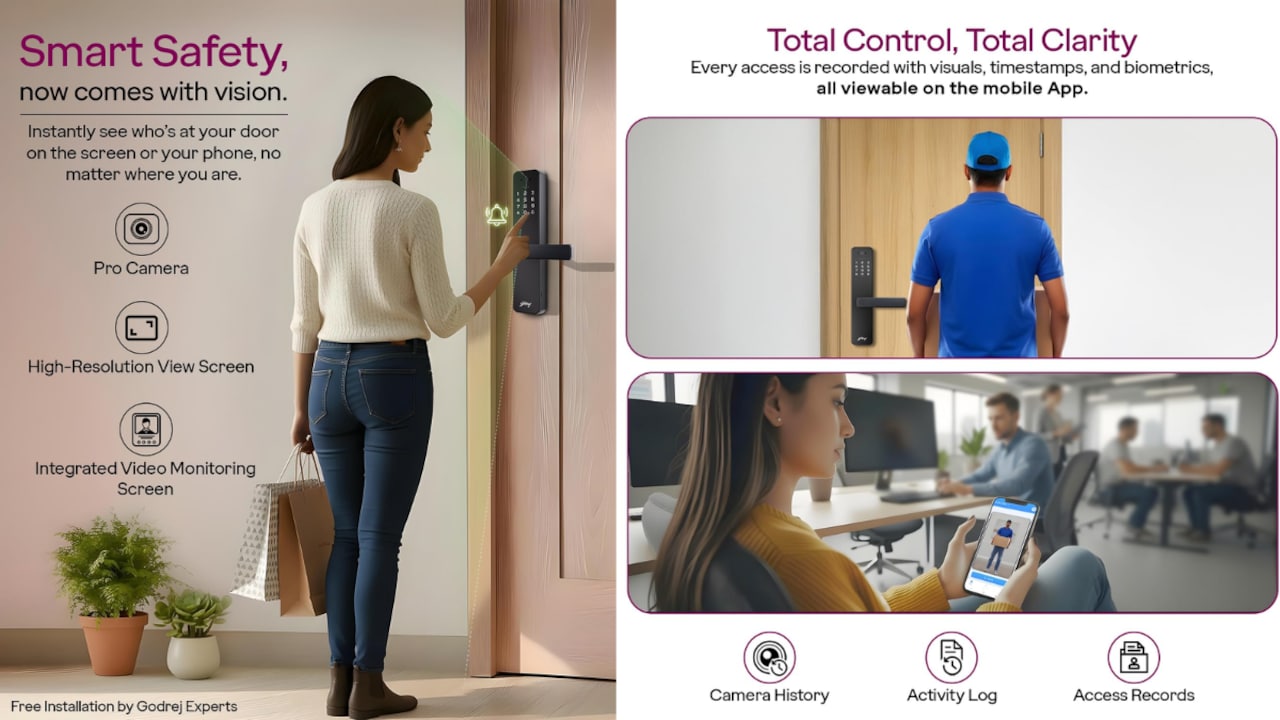
Can Smart Doorbells With Motion Alerts Stop Package Theft? What Homeowners Should Know.
Online shopping has transformed everyday life. Groceries, electronics, clothing, and even last-minute gifts arrive neatly packed at the doorstep within days, sometimes hours. Yet this convenience has created a new problem that many households now recognise instantly: the disappearing package.
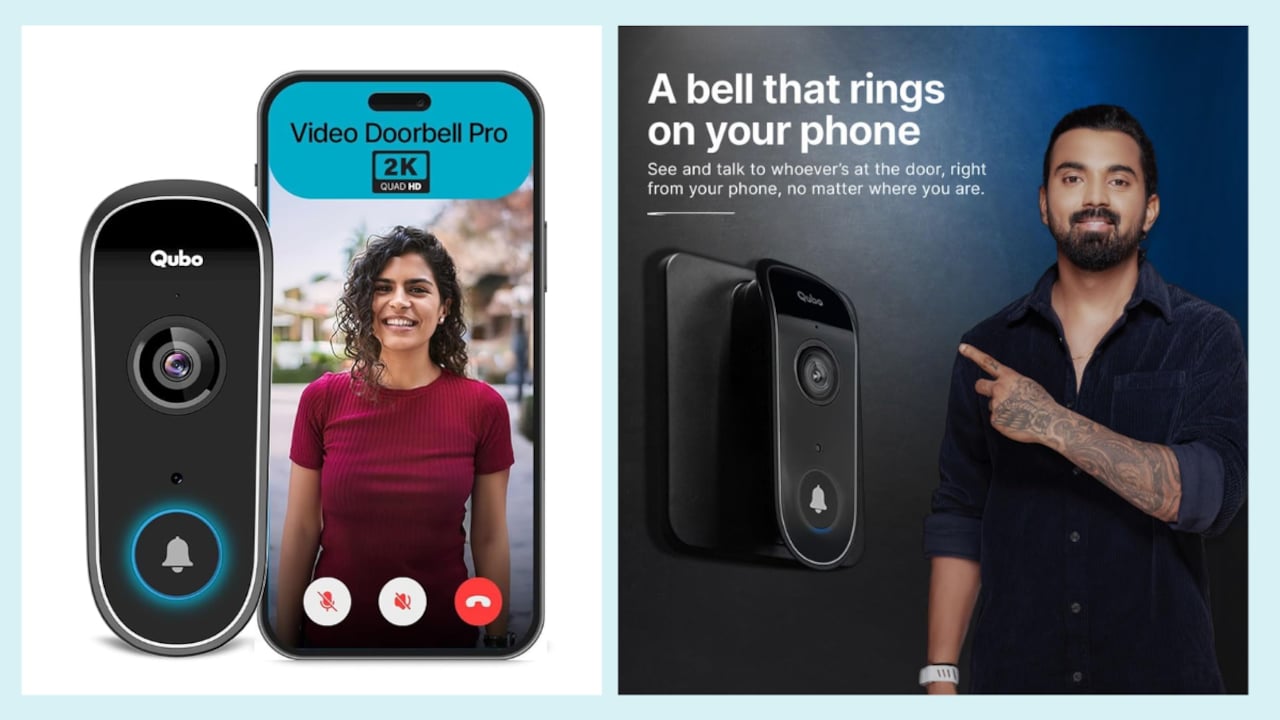
Read how smart doorbells can reduce package theft; Photo Credit: Amazon
A delivery notification appears on the phone, excitement builds, and then comes the unpleasant surprise. The parcel that should be waiting at the door is gone. Security camera footage shared online shows the same pattern again and again: someone casually walking up to a home, grabbing a package, and leaving within seconds.
This is where smart doorbells enter the conversation. Devices equipped with motion detection, cameras, and instant alerts promise to add a protective layer to the doorstep. Many households now install them, hoping they can discourage theft or at least catch the culprit on video.
But do these devices truly reduce package theft, or are they simply another gadget promising more than it delivers? The answer lies somewhere between technology, behaviour, and a bit of common sense. Understanding how smart doorbells work, and how thieves respond to them, reveals whether they genuinely help keep parcels safe.
Also Read: Best Smart Doorbells With Camera Under ₹20000 That Let You Screen Visitors Safely
Key Ways Smart Doorbells Reduce The Risk Of Package Theft
Visible Cameras Often Act As A Strong Deterrent
The first line of defence offered by smart doorbells is visibility. Most modern units include a clearly noticeable camera lens and an LED indicator that signals recording. For many opportunistic thieves, that alone can make a difference.
Package theft often relies on speed and anonymity. Someone walks past a house, notices a parcel unattended, and grabs it quickly. When a visible camera is present, that quick decision suddenly feels riskier. Being recorded creates a psychological barrier.
Even individuals who might otherwise consider taking a package tend to hesitate when a camera points directly at the entrance. Many recorded incidents online show thieves covering their faces or abandoning attempts once they realise a camera is active.
Visibility also sends a broader message. A home equipped with security devices suggests that the occupants pay attention to safety and may have additional systems such as alarms or CCTV cameras.
In that sense, the smart doorbell functions less like a traditional lock and more like a warning sign. It signals that actions at the doorstep will be documented, which often proves enough to push would-be thieves toward easier targets.
Motion Alerts Help Residents Respond Quickly
Another major feature of smart doorbells is motion detection. The device monitors activity near the entrance and immediately sends alerts to the homeowner's smartphone.
This simple function changes how people interact with deliveries. Instead of discovering a package hours later, residents receive real-time notifications whenever someone approaches the door.
Imagine receiving a notification during work hours showing a courier leaving a parcel outside. That quick alert allows a neighbour to be contacted, a family member to collect the package, or even a short message to be sent to the delivery person requesting a safer placement.
Speed matters in preventing theft. Many packages disappear within minutes of delivery. Motion alerts shrink the window of opportunity by ensuring someone knows about the parcel almost instantly.
Even when residents are away, they remain connected to the front door. That ability to monitor activity in real time transforms the doorstep from an unattended space into something closer to a monitored entry point.
Two-Way Audio Creates The Illusion Someone Is Home
One of the most underrated features of smart doorbells is two-way communication. Many models allow homeowners to speak through the doorbell using their phone.
This feature proves surprisingly effective in discouraging suspicious activity. A person approaching the entrance may suddenly hear a voice saying, “The package can be left near the gate, thank you.”
To anyone outside, it appears as though someone is inside the house watching closely. In reality, the homeowner could be miles away at work or travelling.
The psychological impact is powerful. Thieves rely on empty homes and unattended deliveries. When a voice suddenly responds through the doorbell, uncertainty replaces confidence.
Delivery personnel also benefit from this feature. If instructions are unclear or a parcel needs a safer spot, quick communication solves the problem without multiple delivery attempts.
In many ways, two-way audio transforms the doorbell from a passive camera into an interactive security tool. The ability to respond instantly creates the impression of constant presence, even when the house is empty.
Recorded Footage Helps Identify Repeat Offenders
Even when theft occurs, smart doorbells provide valuable evidence. High-definition cameras record activity at the doorstep, often capturing faces, clothing, and movements clearly.
This footage serves several purposes. First, it helps residents understand exactly what happened. Instead of uncertainty, there is a clear record of the event.
Second, recorded video can assist law enforcement if the theft becomes part of a larger pattern in the neighbourhood. Many cases involve repeat offenders who target multiple homes in the same area.
Footage also proves useful when filing delivery claims. Retailers and courier companies increasingly request proof that a package was taken after delivery.
Beyond legal uses, video recordings often circulate within local communities through messaging groups or neighbourhood forums. Sharing clips alerts others to suspicious individuals operating nearby.
While cameras alone cannot stop every theft, they make anonymity harder. And when anonymity disappears, the risk for thieves increases significantly.
Smart Alerts Encourage Better Delivery Habits
Interestingly, smart doorbells also influence delivery behaviour. Couriers become more careful when they know their actions are being recorded.
Instead of leaving parcels in obvious spots, many delivery personnel place them behind planters, inside gates, or near less visible corners of the entrance.
Some even announce the delivery through the camera or ring the bell to ensure the resident receives the motion alert.
These small adjustments make a noticeable difference. Packages that remain hidden from street view are far less likely to attract attention from passers-by.
Technology, therefore, changes not only homeowner behaviour but also how deliveries happen in the first place.
In neighbourhoods where smart doorbells are common, this effect multiplies. Delivery staff grow accustomed to cameras and often take extra care when leaving parcels at any home.
Over time, the entire delivery process becomes slightly more secure simply because recording devices are present.
Smart doorbells can influence improved delivery behaviour; Photo Credit: Amazon
Community Awareness Strengthens Security
Smart doorbells rarely work in isolation. Many homeowners connect them to neighbourhood groups or local security networks.
Video clips of suspicious activity can be shared quickly through messaging apps or resident associations. A person seen checking doorsteps in one street may appear again in another nearby lane.
When information spreads quickly, communities become more alert. Residents keep an eye out for unfamiliar activity and collect packages for neighbours who are away.
Some neighbourhoods even coordinate informal watch systems using doorbell footage. If multiple homes capture similar activity, it becomes easier to identify patterns.
This collective awareness acts as an additional layer of defence. Instead of each home operating independently, security becomes a shared effort.
Technology, therefore, strengthens the human element of safety. Cameras provide information, but it is the community response that often stops theft from spreading across an area.
Placement And Camera Angles Matter More Than Expected
Installing a smart doorbell is not always enough. The effectiveness of the device depends heavily on placement and viewing angles.
A camera that captures only the upper half of the entrance may miss someone bending down to grab a package. Similarly, poor lighting can reduce video clarity at night.
Positioning the device correctly ensures it captures the entire doorstep area where parcels typically sit. Some homeowners add additional lights to improve visibility after sunset.
The field of view also plays a role. Wide-angle lenses help capture activity across the entryway, including side approaches that might otherwise remain hidden.
Proper setup transforms the doorbell from a simple gadget into a practical security tool. Without thoughtful placement, even the most advanced device may fail to record critical moments.
Taking time to adjust angles, lighting, and motion sensitivity greatly improves how effectively the system protects deliveries.
Smart Doorbells Work Best With Simple Habits
Technology alone rarely solves security problems. Smart doorbells perform best when paired with practical habits.
For instance, scheduling deliveries for times when someone is home dramatically reduces risk. Using parcel lockers or gated entryways also adds protection.
Many households now request delivery instructions that place packages out of sight. A doorbell camera ensures those instructions are followed.
Some residents even install small lockboxes near the entrance where couriers can leave parcels safely.
When combined with these everyday strategies, the smart doorbell becomes part of a broader security routine rather than the only defence.
Small adjustments in behaviour, supported by technology, create the strongest protection against doorstep theft.
Not All Thieves Are Easily Deterred
Despite their advantages, smart doorbells are not foolproof. Determined thieves sometimes ignore cameras entirely.
In some cases, individuals cover their faces or move quickly enough to make identification difficult. Others simply accept the risk, especially if the parcel appears valuable.
Urban areas with heavy foot traffic can also make monitoring more challenging. Motion alerts may trigger frequently due to passing pedestrians, creating notification fatigue.
That said, even when theft occurs, the presence of recorded footage often helps resolve disputes with retailers or courier companies.
Understanding these limitations is important. Smart doorbells reduce risk but cannot eliminate it entirely.
They work best as part of a layered approach that combines technology, awareness, and thoughtful delivery practices.
Smart Doorbells Are Becoming A Standard Home Feature
What once felt like a luxury gadget is quickly turning into a common household device. Prices have dropped significantly over the past few years, making smart doorbells accessible to many families.
Some entry-level models cost less than a weekend dinner at a restaurant, while premium versions include advanced features such as facial recognition and cloud storage.
As online shopping continues to grow, protecting deliveries becomes increasingly important. Smart doorbells offer a convenient solution that integrates easily with everyday life.
Installation usually takes only a few minutes, and the devices connect directly to smartphones through simple apps.
For many households, the peace of mind alone justifies the investment. Knowing that the doorstep is monitored, even when no one is home, adds a reassuring layer of security.
Products Related To This Article
1. Qubo Smart Wi-Fi Video Doorbell Pro 2K from Hero Group
2. Native by Urban Company Lock Pro Smart Door Lock with in-Built HD Camera & Home Doorbell Connect
3. Godrej Smart Lock | Neo Pro View Digital Lock for Wooden Doors with Camera
4. TP-Link Tapo D230S1 2K 5Mp/1920p Smart Wireless Security Video Doorbell
5. Godrej Security Solutions ST NeX Pro 7" SeeThru Video Door Phone
Smart doorbells with motion alerts do not completely eliminate package theft, but they significantly reduce the chances of it happening. Their greatest strength lies in a combination of visibility, instant alerts, recorded evidence, and interactive communication.
Together, these features transform the doorstep from an unmonitored space into a semi-secure entry point. Opportunistic thieves often look for easier targets when cameras are present, while residents gain the ability to monitor deliveries in real time.
The technology works best when combined with practical habits such as safer delivery instructions, neighbour cooperation, and thoughtful camera placement.
As online shopping continues to shape modern living, protecting deliveries becomes part of everyday home security. Smart doorbells offer a simple yet effective way to stay connected to the front door, no matter where the day takes you.
(Disclaimer: This article may include references to or features of products and services made available through affiliate marketing campaigns. NDTV Convergence Limited (“NDTV”) strives to maintain editorial independence while participating in such campaigns. NDTV does not assume responsibility for the performance or claims of any featured products or services.)