Can You Wash An Electric Blanket? A Safe, Step-by-Step Guide
Washing an electric blanket doesnt have to be risky. Learn safe, simple steps to clean it properly without damaging wires, heating elements, or comfort.
Know All About How to Wash An Electric Blanket Without Actually Breaking It?
Cold mornings and chilly evenings often come with one loyal companion: the electric blanket. It warms beds quickly, saves energy, and feels like a quiet luxury during winter. Over time, though, dust, sweat, and everyday spills settle in. That's when the big question appears: how to wash an electric blanket without breaking it?
Many believe these blankets should never come into contact with water. Others treat them like regular bedding and regret it later. The truth sits comfortably in the middle. Electric blankets need cleaning, and they can handle it well when treated with care.
This article walks through everything needed to wash an electric blanket safely. Each step keeps the wiring intact and the warmth reliable. The tone stays simple, practical, and rooted in everyday life. Because a clean blanket should feel just as comforting as a warm cup of chai on a foggy morning.
How to Wash An Electric Blanket Without Breaking It?; Photo Credit: Pexels
Step-by-Step Guide To Washing An Electric Blanket Safely
1. Read the Label Like It's a Recipe
Every electric blanket comes with a care label, and that label holds more power than any online advice. Manufacturers design blankets differently. Some allow machine washing, while others insist on hand washing only. Ignoring these instructions often leads to damaged wires or uneven heating.
Think of the label like a cooking recipe. Skipping steps ruins the dish. The same logic applies here. Look for details on water temperature, washing method, and drying instructions. Some labels even suggest how often washing should happen.
A quick read takes less than a minute and saves hours of regret. It also clears confusion around detergents and spin cycles. When in doubt, follow the most cautious option listed. Gentle care always beats aggressive cleaning.
This small habit protects the internal wiring and extends the blanket's lifespan. A little attention at the start prevents costly replacements later.
2. Unplug and Detach Everything First
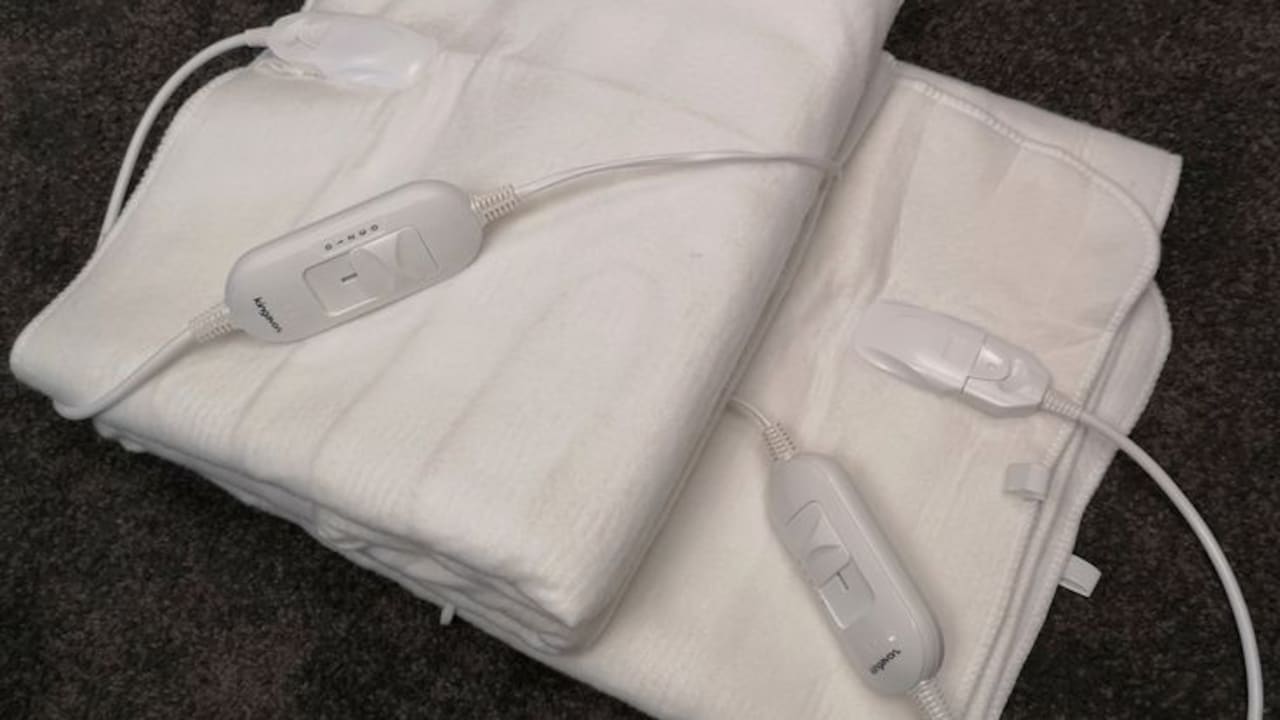
Before water enters the picture, electricity must leave it completely. Always unplug the blanket from the socket. If the blanket has detachable controllers or cords, remove them carefully.
Leaving cords attached risks water seeping into connectors. That moisture can damage circuits or create safety hazards later. Place controllers in a dry, safe spot away from the washing area.
This step may sound obvious, yet many skip it during rushed laundry sessions. A moment of care here protects both the blanket and the household.
Treat the blanket like a delicate electronic device rather than ordinary bedding. Once detached, inspect the connectors briefly. Any visible damage signals that washing should stop until repairs happen.
Also Read: Explore Electric Blankets For Winter Under ₹1,500 On Amazon
3. Spot Clean Small Stains First
Not every mark calls for a full wash. Small spills from evening snacks or morning tea often sit on the surface. Spot cleaning handles these messes quickly and safely.
Use a soft cloth, mild detergent, and cold water. Dab gently instead of rubbing hard. Harsh scrubbing strains the fabric and stresses the wiring underneath.
This method works well for fresh stains and light dirt. It also reduces how often full washes become necessary. Less washing means less wear on the internal heating elements.
Spot cleaning also suits busy schedules. A quick fix keeps the blanket fresh without committing to a full laundry cycle. Simple care often proves the smartest solution.
4. Choose the Right Detergent
Detergent choice matters more than many realise. Strong chemicals and bleach weaken fabric and harm wiring insulation. Mild detergent works best for electric blankets.
Look for gentle formulas designed for delicate fabrics. These clean effectively without leaving harsh residues. Avoid fabric softeners completely. They coat fibres and interfere with heat distribution.
A small amount of detergent does the job well. Excess soap traps itself in the fabric and becomes difficult to rinse out. Clean does not mean heavily scented or foamy.
This approach keeps the blanket soft, safe, and evenly warm. Cleanliness should support comfort, not compromise it.
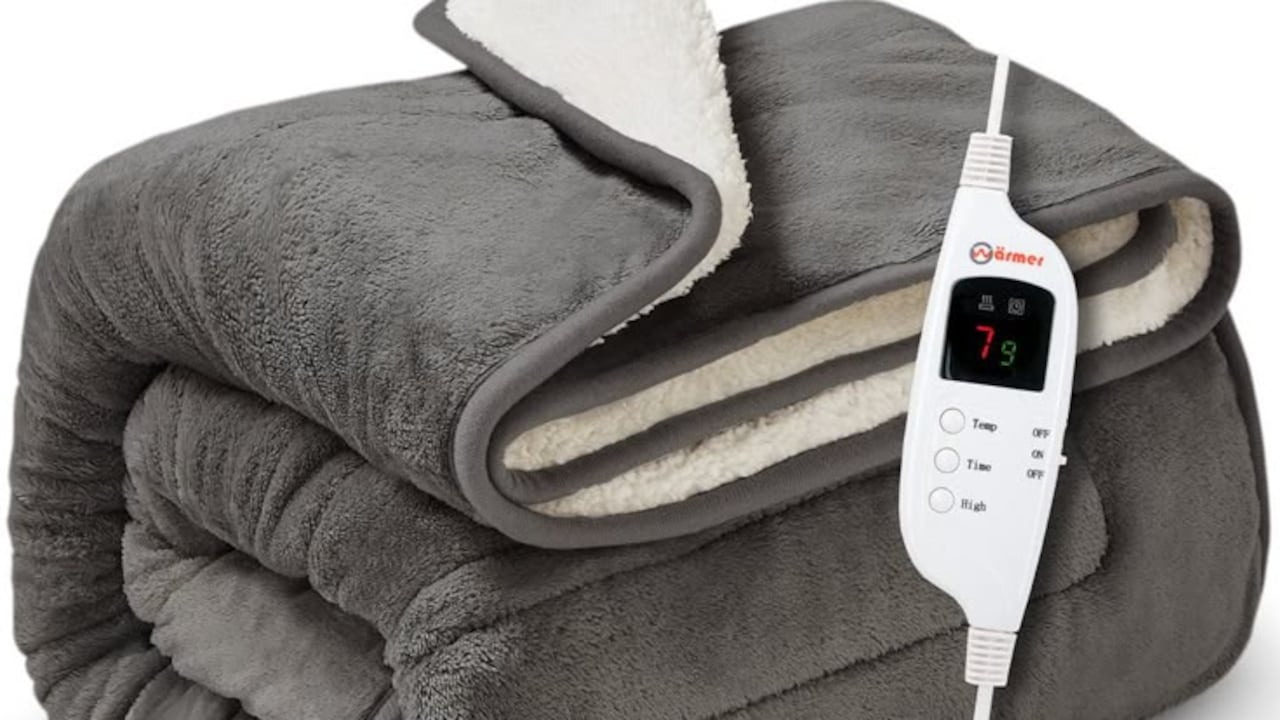
How to Wash An Electric Blanket Without Breaking It?; Photo Credit: Pexels
5. Machine Wash Only on Gentle Settings
Many modern electric blankets allow machine washing, but only on specific settings. Always choose a gentle or delicate cycle with cold or lukewarm water.
Hot water damages insulation and weakens wiring over time. High-speed spins stretch the fabric and pull at internal elements. A slow, careful wash keeps everything in place.
Place the blanket alone in the machine. Mixing it with heavy clothes creates unnecessary friction. Think of the blanket as a guest that prefers quiet company.
This gentle approach cleans thoroughly while protecting the structure inside. The blanket emerges fresh without losing its warmth or safety.
6. Hand Washing for Extra Caution
Some prefer hand washing for peace of mind, especially with older blankets. This method offers full control and reduces mechanical stress.
Fill a tub with cool water and add mild detergent. Submerge the blanket and press gently. Avoid twisting, wringing, or folding tightly. Let the water do the work.
After a few minutes, drain the soapy water and rinse with clean water until the detergent disappears. Support the blanket fully when lifting it out.
Hand washing takes more effort, but it suits those who value careful handling. It also works well when labels advise against machine washing. Patience here rewards longevity.
7. Never Wring or Twist the Blanket
Wringing might feel instinctive, but it causes the most damage. Twisting bends the wires and creates weak points that lead to uneven heating.
Instead, press excess water out gently. Lay the blanket flat on a towel and roll it up. The towel absorbs moisture without stressing the fabric.
This step feels slow but proves essential. Many blankets fail not during washing, but during rough handling afterwards.
Gentle drying starts with gentle water removal. Treat the blanket like a delicate garment rather than a thick quilt.
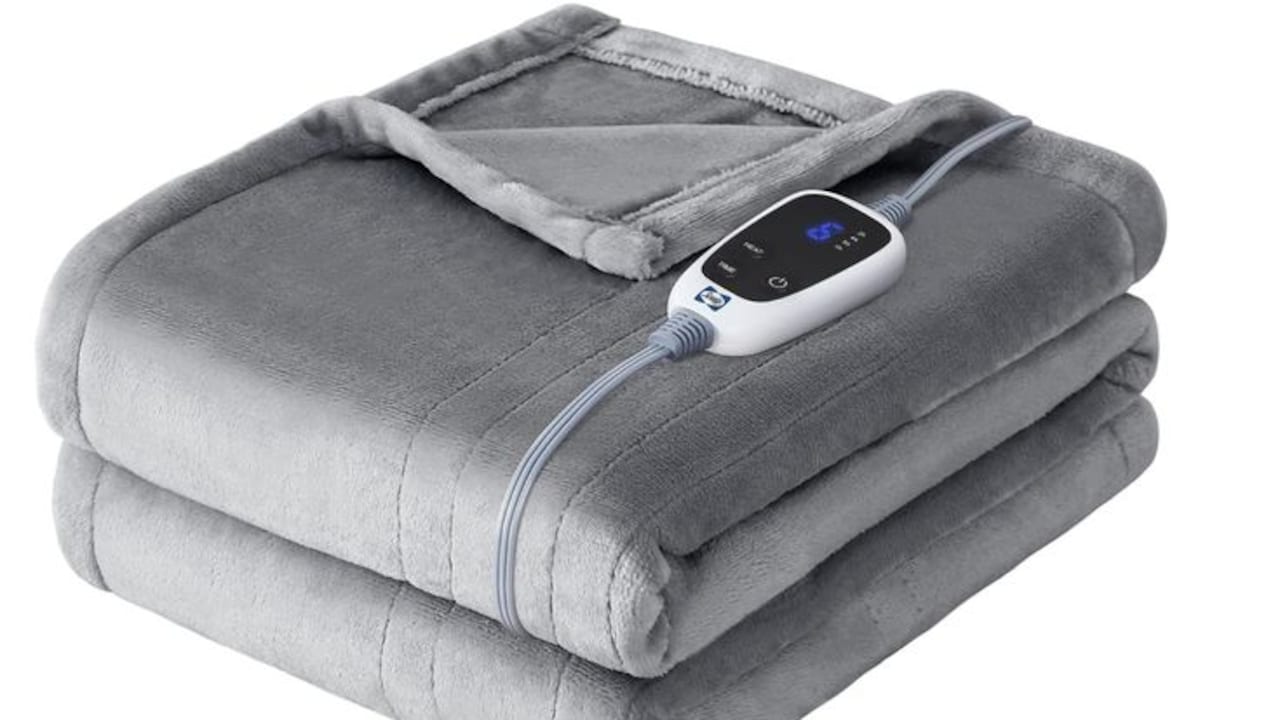
How to Wash An Electric Blanket Without Breaking It?; Photo Credit: Pexels
8. Drying: Air Is the Best Friend
Air drying works best for electric blankets. Lay the blanket flat on a clean surface or hang it evenly over a clothesline. Avoid sharp folds and direct sunlight.
Sunlight fades fabric and weakens fibres over time. Heat from dryers poses an even greater risk. Tumbling shifts wires and damages connectors.
Some labels allow low-heat tumble drying for short periods, but air drying remains the safest option. Patience pays off here.
A properly dried blanket feels just as soft and warm as before. Rushing this stage often leads to regret later.
9. Check the Blanket Before Plugging It Back
Once dry, inspect the blanket carefully. Look for damp spots, uneven areas, or damaged cords. Plugging in a wet or damaged blanket risks safety.
Run hands over the surface to feel for lumps or twists. These signal-shifted wiring. If anything feels off, avoid using the blanket until checked.
This habit builds trust in the blanket's performance. It also ensures peace of mind during use.
A few minutes of inspection protects nights of comfortable sleep.
10. Store It Smartly After the Season Ends
Proper storage matters as much as proper washing. Fold the blanket loosely and avoid tight rolls. Sharp creases strain wiring over time.
Store it in a breathable bag away from moisture and heavy objects. Avoid placing it under mattresses or boxes. Weight damages internal elements slowly.
Before storing, ensure the blanket stays completely dry. Moisture invites mould and odours that linger into the next season.
Smart storage keeps the blanket ready for use when winter returns. Care does not end with washing; it continues quietly through the year.
Products Related To This Article
1. Amazon Basics Single Bed Electric Bed Warmer
2. Beurer TS15 Ecologic+ Heated Underblanket
3. Bell electric blankets - Premium Zed Certified Electric Blanket for Single Bed
4. Zennovate Superior ISO Certified Electric Under Blanket
5. Utopia Bedding Electric Blanket for Double Bed with 6 Heating Levels and 2-10 Hours Time Settings
Washing an electric blanket does not need fear or guesswork. With the right steps, it becomes a simple routine that protects comfort and safety. Gentle washing, careful drying, and mindful storage extend the blanket's life and keep nights warm and worry-free.
A clean electric blanket feels better, smells fresher, and works reliably. It supports restful sleep during cold months without unexpected breakdowns. Treat it kindly, and it returns the favour every winter night. Warmth, after all, should come without stress.
(Disclaimer: This article may include references to or features of products and services made available through affiliate marketing campaigns. NDTV Convergence Limited (“NDTV”) strives to maintain editorial independence while participating in such campaigns. NDTV does not assume responsibility for the performance or claims of any featured products or services.)