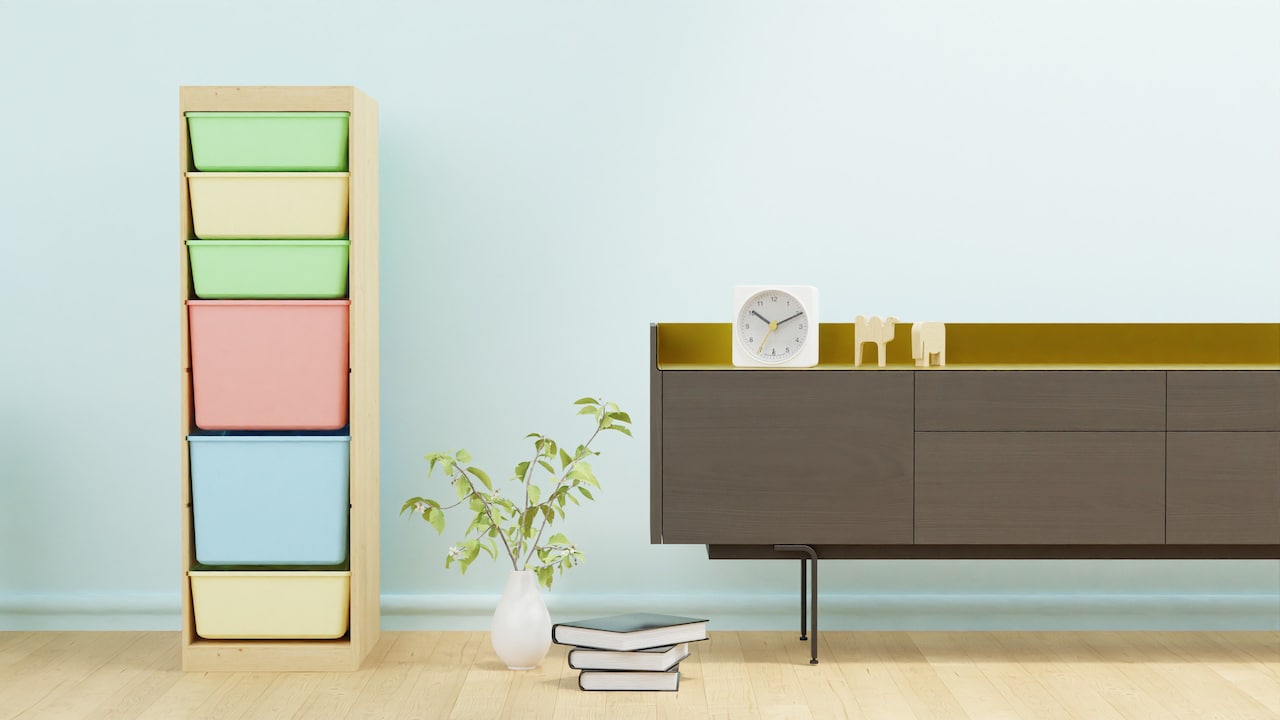
Struggling With Unstable Wall Décor? This Is How To Mount It Properly
Tired of crooked frames and falling décor? Learn simple, effective ways to mount wall pieces securely and keep them perfectly in place, no more guesswork, no more wobbles.
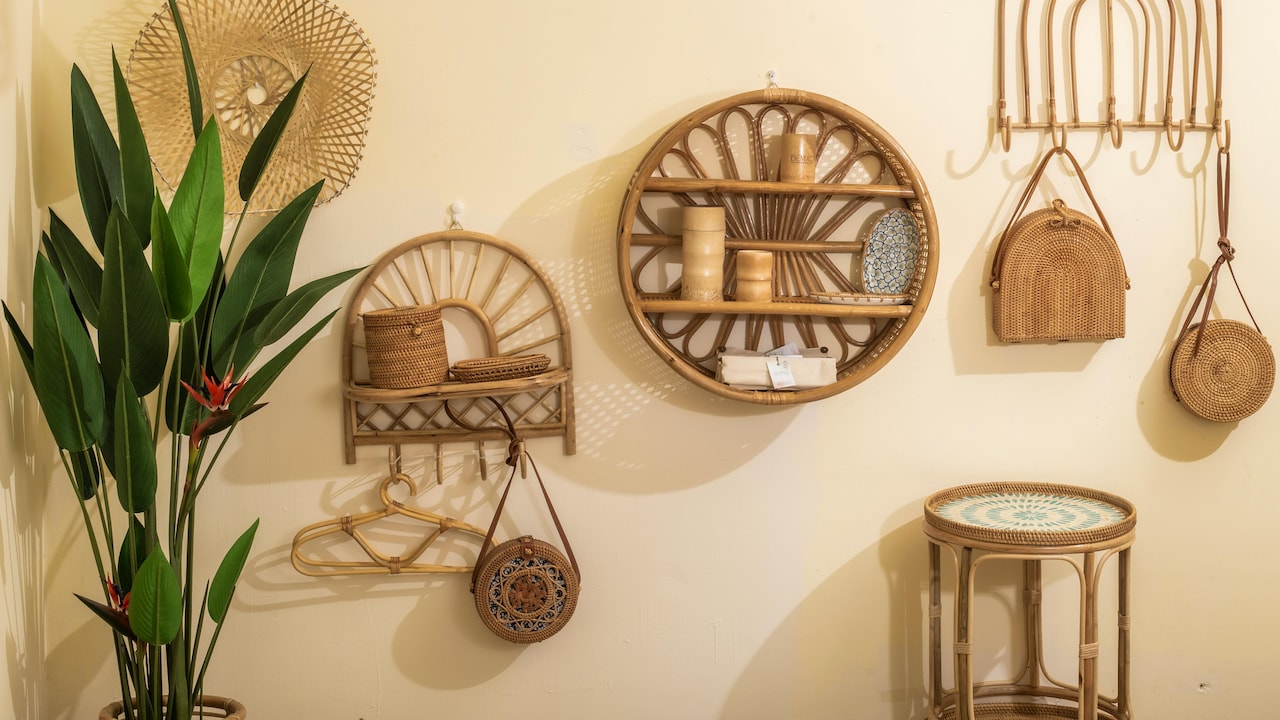
Easy and beginner-friendly ways to mount frames and shelves
A thoughtfully decorated wall can transform a plain room into something warm and expressive. Yet, the moment a frame tilts or a shelf sags, that charm fades. Many households face this issue more often than they admit. A newly bought ₹2,500 painting ends up leaning awkwardly within days, or a decorative clock develops a permanent tilt that no one notices until guests point it out. The root of the problem rarely lies in the décor itself. Instead, it comes down to how it gets mounted. Walls differ, tools vary, and often, a rushed job leads to unstable results. Fixing this does not require expert-level skills or expensive tools. With the right approach, even heavy décor can sit securely and look effortlessly aligned.
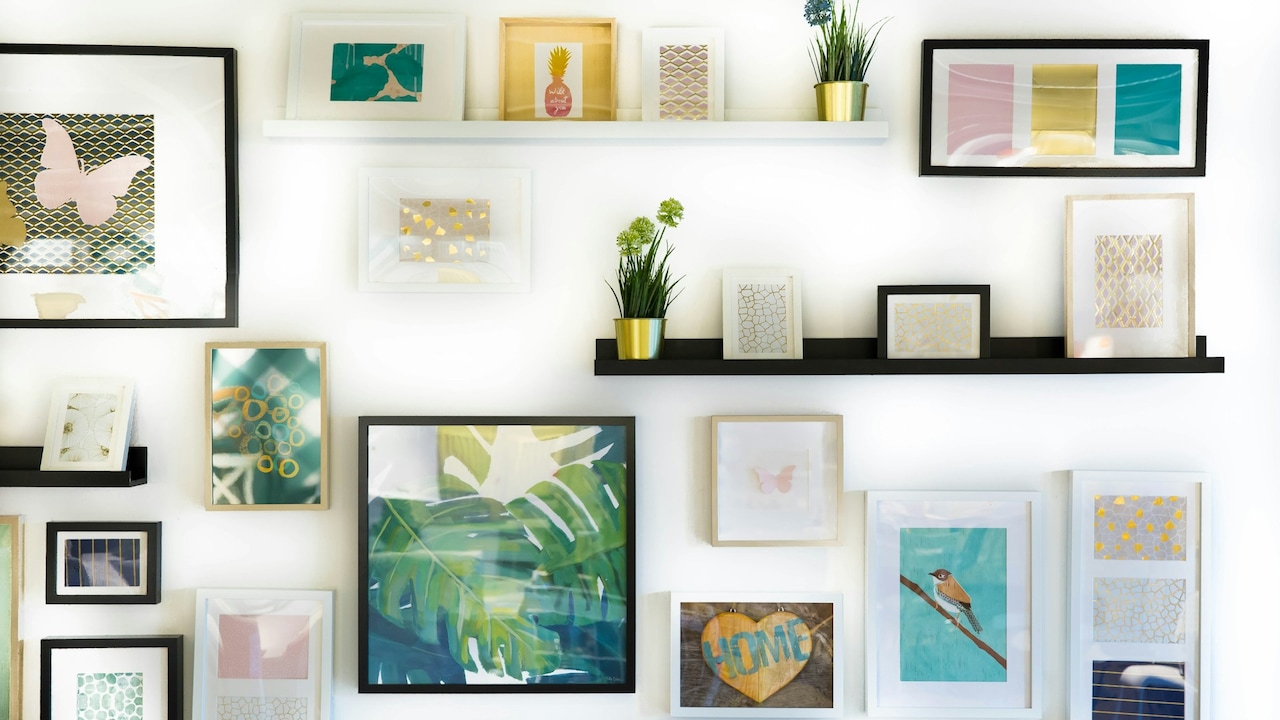
Different ways to mount wall decor to prevent it from falling; Photo Credit: Unsplash
This guide walks through ten essential aspects of mounting wall décor properly. Each section offers practical insight, real-life scenarios, and a few gentle reminders that even small adjustments can make a big difference.
Also Read: Wall Art Decor Under ₹1,000: Want To Know How To Fake An Expensive Look In Your Home?
Getting Your Wall Decor Right Starts Here
Understanding Your Wall Type First
Every wall tells a different story. Concrete walls, common in many homes, demand a completely different approach compared to plaster or drywall surfaces. Ignoring this detail often leads to loose fittings or damaged walls. A nail that holds perfectly in one surface might crumble on another.
Concrete walls require drilling and sturdy anchors, while softer walls can manage with simple hooks or adhesive solutions. Identifying the wall type before picking tools prevents unnecessary effort later. Many discover this the hard way after struggling with a stubborn drill or watching a hook slip out within hours.
Testing a small area helps. Observing how the wall reacts to pressure or tapping lightly can reveal its nature. Once the wall type becomes clear, choosing the right hardware becomes much easier. This small step sets the foundation for everything that follows, ensuring décor stays stable instead of becoming a recurring annoyance.
Choosing The Right Mounting Hardware
Hardware often gets overlooked, yet it plays the most crucial role. Using the wrong screws or hooks can undo even the most careful effort. Lightweight photo frames need basic nails, but heavier pieces demand anchors, wall plugs, or brackets.
Hardware stores offer a wide range of options, often priced modestly between ₹50 and ₹300. Investing in the right one prevents repeated fixes. A heavy mirror mounted with a flimsy hook might look fine at first, but can fall unexpectedly.
Matching the hardware to both the wall type and décor weight is essential. Asking for guidance at a local store helps, especially when unsure. Choosing quality over convenience saves time and avoids damage. Once the correct hardware goes in, everything else becomes easier and far more reliable.
Measuring And Marking With Precision
Crooked décor often starts with careless marking. A slight miscalculation can result in frames hanging unevenly, no matter how secure the mounting feels. Precision does not require fancy tools, just a steady approach.
Using a measuring tape and a simple pencil ensures accurate placement. Marking both sides before drilling helps maintain balance. Taking a moment to step back and visually check alignment can prevent obvious mistakes.
Many skip this step in a hurry, only to redo the entire process later. Spending a few extra minutes up front saves effort. Proper marking creates a clean, organised look where each piece feels intentional rather than randomly placed.
Using The Right Tools For The Job
Tools can make or break the experience. A good drill, a sturdy hammer, and a reliable level turn a difficult task into something manageable. Using improper tools often leads to uneven holes or weak fittings.
Basic toolkits, available for around ₹1,500, cover most needs. Even borrowing tools from a neighbour works better than improvising with unsuitable alternatives. A level, in particular, ensures that décor sits straight, avoiding that slightly tilted look that bothers the eye.
Handling tools with care also matters. Rushing can damage walls or lead to inaccurate placement. Taking time to use each tool correctly results in a smoother process and a far more polished finish.
Considering Weight Distribution Carefully
Weight plays a significant role in stability. A single hook might hold a frame initially, but uneven weight distribution can cause it to tilt over time. This issue becomes more noticeable with larger décor pieces.
Using multiple hooks or brackets helps distribute weight evenly. For example, a wide painting benefits from two support points instead of one central hook. This prevents shifting and keeps the piece aligned.
Ignoring weight distribution often leads to repeated adjustments. Proper planning ensures the décor remains stable for years rather than weeks. A balanced setup not only looks better but also reduces the risk of damage.
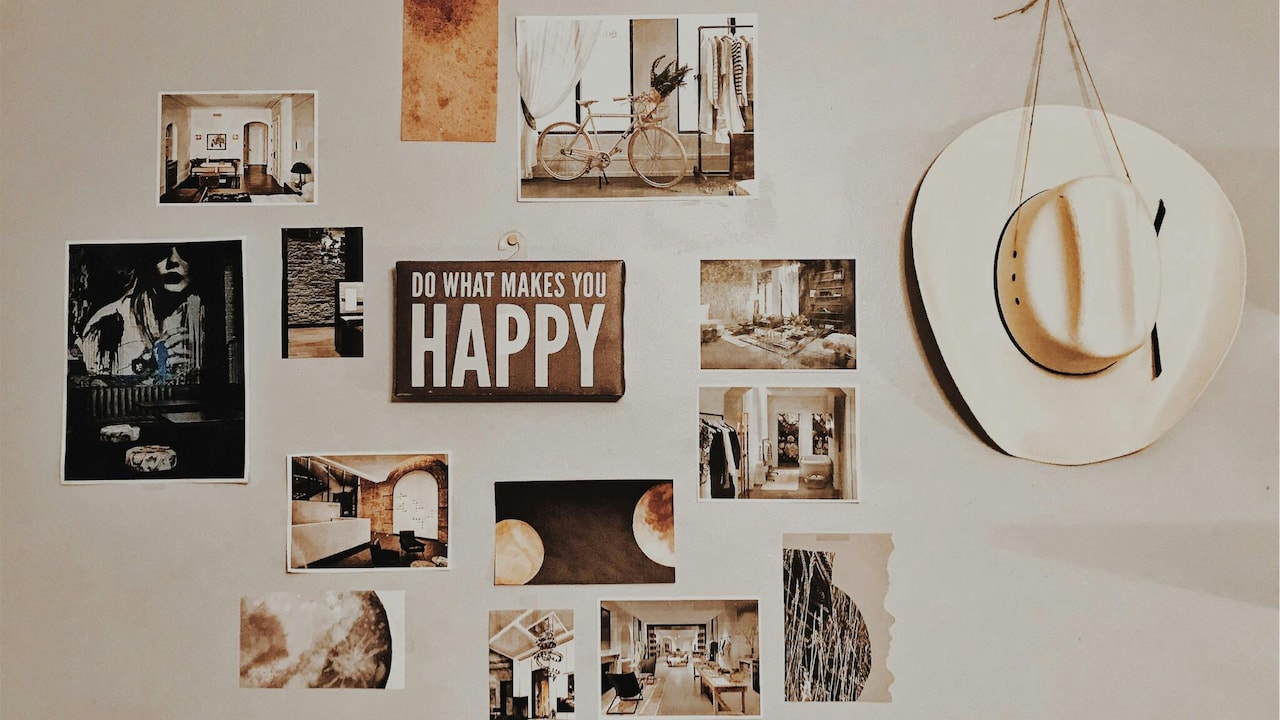
Use multiple hooks or brackets to distribute weight evenly; Photo Credit: Pexels
Exploring Adhesive Solutions For Light Décor
Not every wall allows drilling. Rental homes often restrict permanent changes, making adhesive solutions a practical alternative. Modern adhesive hooks and strips offer surprising strength for lightweight décor.
These options work well for small frames, fairy lights, or decorative items under moderate weight. Prices usually range from ₹100 to ₹400, making them affordable and convenient. The key lies in following instructions carefully.
Applying adhesive on a clean surface ensures a better grip. Pressing firmly and allowing time to set improves durability. While not suitable for heavy items, adhesive solutions provide flexibility without damaging walls, making them ideal for temporary setups.
Maintaining Proper Spacing And Layout
A cluttered wall can feel overwhelming, even when each piece is securely mounted. Proper spacing creates harmony and enhances visual appeal. Random placement often leads to a chaotic look.
Planning the layout before mounting helps. Arranging décor on the floor first allows experimentation without commitment. This step helps identify the best combination of spacing and alignment.
Maintaining consistent gaps between pieces creates a balanced effect. Whether it's a gallery wall or a single statement piece, thoughtful spacing transforms the entire room. It turns décor from a collection of items into a cohesive visual story.
Checking Stability After Installation
Mounting décor does not end once it goes up. Checking stability ensures everything remains secure. A gentle shake test reveals whether the piece sits firmly or needs adjustment.
Many skip this step, assuming the job is done. However, minor corrections at this stage prevent future issues. Tightening screws or adjusting hooks takes only a few minutes but adds long-term reliability.
Regular checks, especially after a few days, help confirm that everything remains in place. This habit ensures décor stays stable, avoiding sudden surprises or damage.
Avoiding Common Mounting Mistakes
Mistakes often repeat across households. Using undersized hooks, skipping measurements, or ignoring wall type leads to similar problems. Awareness helps avoid these pitfalls.
Another common mistake involves overloading a single hook. Even sturdy hardware has limits. Respecting weight capacity ensures safety and stability. Rushing the process also leads to errors that require redoing.
Learning from these common issues saves time and effort. A careful approach prevents frustration and ensures the decor looks as intended from the start.
Adding A Personal Touch To Your Wall Setup
Mounting décor is not just about stability. It also offers an opportunity to express personality. Thoughtful placement can highlight favourite pieces and create a welcoming atmosphere.
Mixing frames, adding small shelves, or incorporating decorative elements brings variety. A well-mounted wall becomes a reflection of style and creativity. Even simple arrangements can feel unique with the right touch.
Personalising the setup makes the effort worthwhile. It transforms walls into meaningful spaces rather than just functional surfaces. A stable, well-arranged display adds character and warmth to any room.
Products Related To This Article
1. Zulaxy Photo Frame Hooks for Wall Without Drilling
2. Dime Store Engineered Wood Floating Shelves for Wall Decor Wall Shelf Storage Organizer
3. UHUD CRAFTS Hanging Shelves - Adjustable Rope Hanging Shelf
4. Jansburg Floating Shelves 15 inch Acrylic Wall Ledge Shelves Clear 4 Pack Invisible Display Bookshelf
5. Love N Beyond Macrame Indoor Wall Hanging Floating Shelves for Wall Decor
Unstable wall décor can feel like a minor annoyance, yet it affects the overall feel of a space more than expected. The good news is that fixing it does not require professional help or complicated techniques. A clear understanding of walls, the right tools, and a bit of patience can make all the difference.
Each step, from choosing hardware to checking stability, contributes to a secure and polished result. Small adjustments lead to lasting improvements, ensuring décor stays exactly where it belongs.
With these insights, mounting wall décor becomes less of a chore and more of a satisfying task. A steady frame, a perfectly aligned mirror, or a balanced gallery wall can quietly elevate a room, creating a space that feels both comfortable and complete.
(Disclaimer: This article may include references to or features of products and services made available through affiliate marketing campaigns. NDTV Convergence Limited (“NDTV”) strives to maintain editorial independence while participating in such campaigns. NDTV does not assume responsibility for the performance or claims of any featured products or services.)