Are Cervical Pillows Worth It Or Do They Feel Too Rigid For Daily Sleep?
Cervical pillows can ease neck strain and improve sleep posture, but they may feel firm at first. The right fit depends on your sleeping position, pillow height, and comfort preference.
Are Cervical Pillows Worth It Or Do They Feel Too Rigid For Daily Sleep?
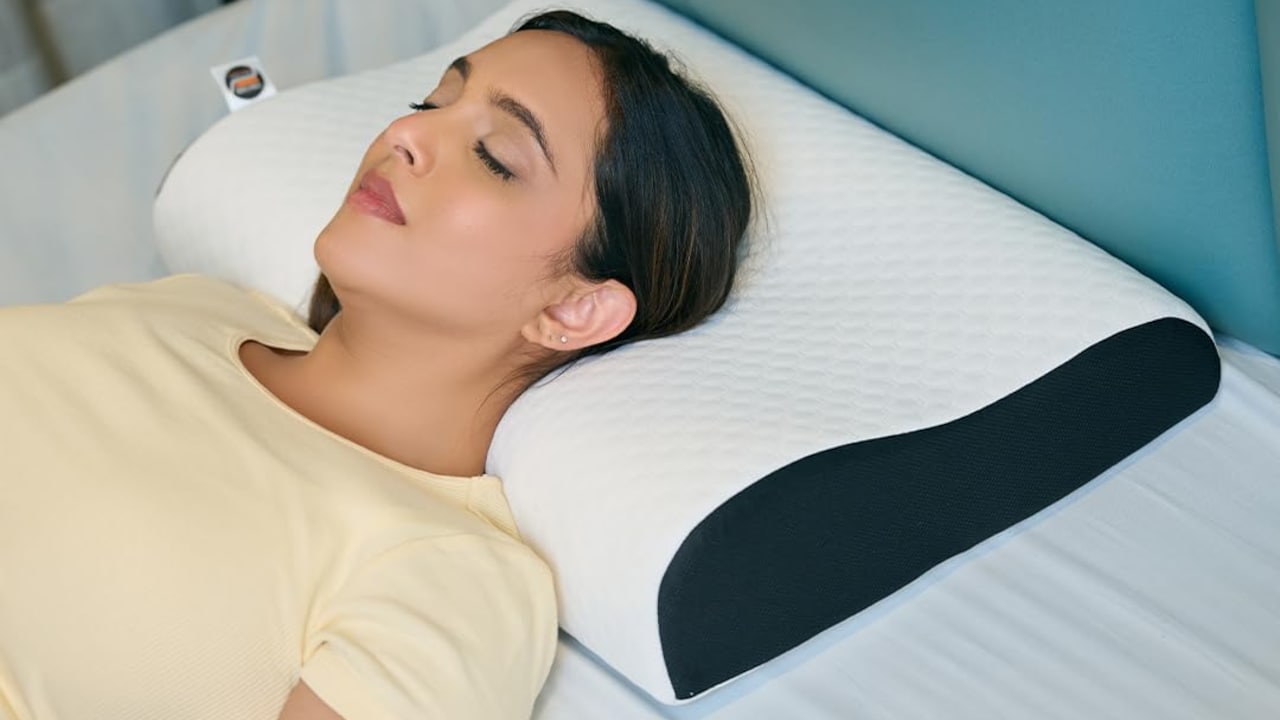
A good pillow rarely gets the respect it deserves. People spend hours choosing a mattress, comparing bedsheets, and debating air-conditioning temperatures, yet the pillow often remains an afterthought. It gets folded, punched, stacked, or replaced only when it becomes flatter than a tawa. Then neck pain arrives. A dull pull near the shoulder. A headache that starts at the base of the skull. A strange stiffness after what should have been a full night's rest. That is when cervical pillows enter the conversation. These pillows claim to support the natural curve of the neck. They usually have a contoured shape, firmer edges, and a dip for the head. Some users swear by them. Others try one night and declare it too hard, too high, or too strange.
Cervical Pillows For Daily Sleep: Benefits, Comfort And Buying Tips
Photo Credit: Amazon
The truth sits somewhere in the middle. A cervical pillow can help many sleepers, especially those who wake up with neck discomfort. But it is not magic. It needs the right size, the right firmness, and a short adjustment period. Most importantly, it should suit the way a person actually sleeps, not the way product photos suggest they should.
Key Things To Know Before Choosing A Cervical Pillow
What Makes A Cervical Pillow Different?
A regular pillow usually focuses on softness. It lifts the head and offers comfort, but it may not always keep the neck aligned. A cervical pillow works with a different goal. It supports the neck's natural curve and tries to keep the head, neck, and spine in a straighter line.
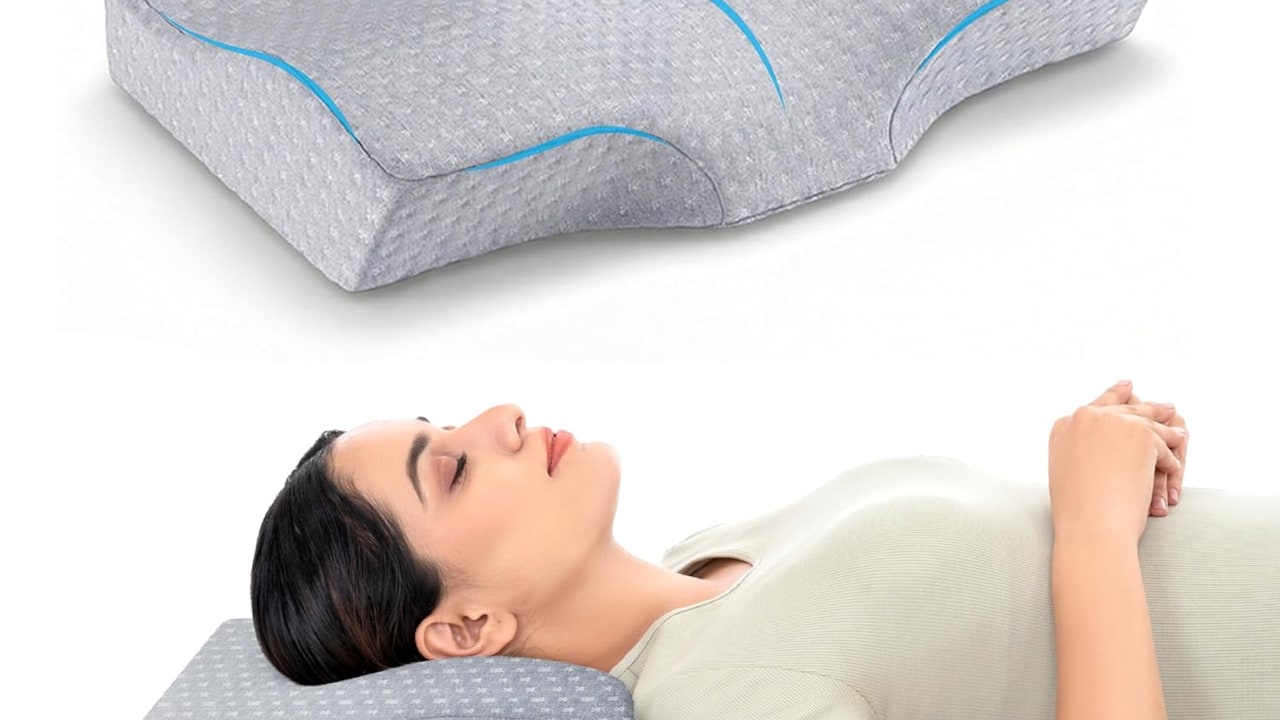
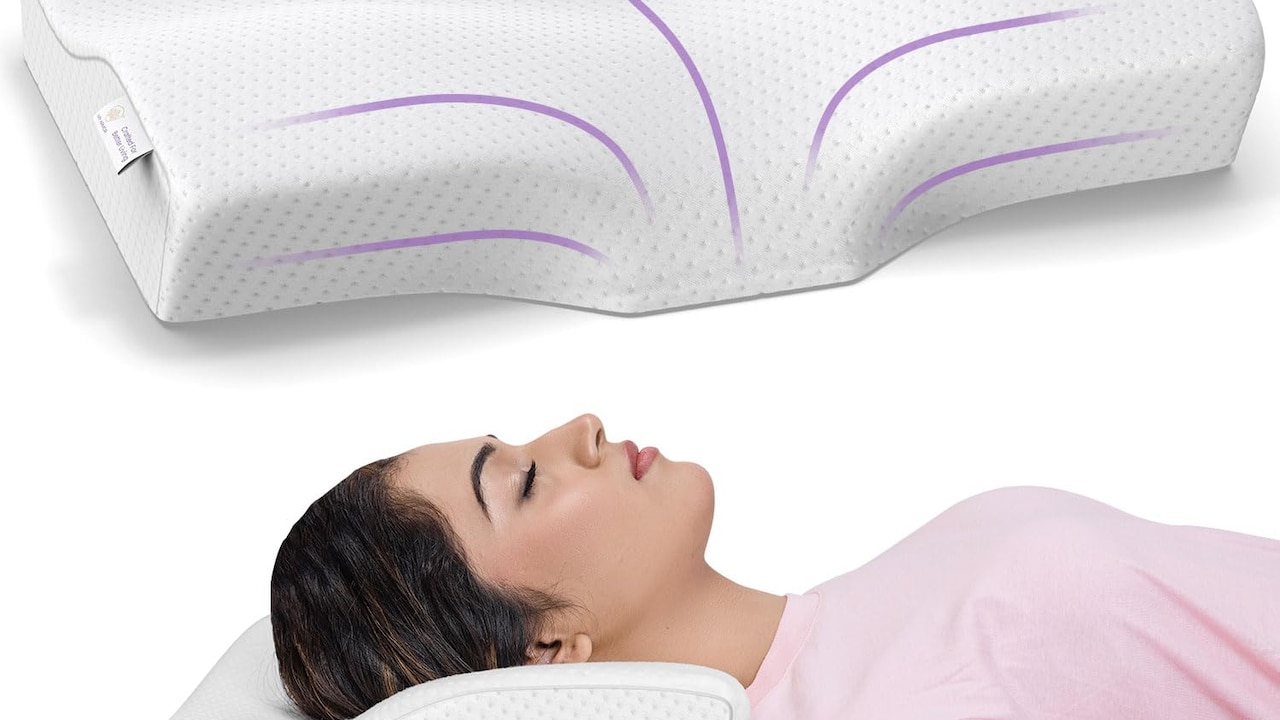
Most cervical pillows have a raised edge and a lower centre. The raised part rests under the neck, while the head settles into the dip. This shape can feel unusual at first, especially for someone used to fluffy pillows that sink and shift through the night.
The design aims to reduce pressure on the neck muscles. When the neck bends too much while sleeping, the muscles stay under tension for hours. By morning, even a simple turn towards the alarm clock can feel like a gym injury.
Cervical pillows come in memory foam, latex, fibre, and hybrid designs. Some feel firm and structured. Others feel softer but still supportive. The real difference lies in how they guide posture. They do not simply cushion the head. They try to train the neck to rest in a healthier position.
Why Neck Support Matters During Sleep
Sleep looks peaceful from outside, but the body keeps working quietly. Muscles recover, joints relax, and the spine needs a neutral position. If the pillow pushes the head too far forward or lets it drop too low, the neck spends the night in an awkward angle.
This matters because the neck carries more strain than most people realise. Long hours on phones, laptops, office chairs, scooters, and kitchen counters already test those muscles. By bedtime, the neck deserves rest, not another shift of poor posture.
A pillow that supports the neck well can reduce morning tightness. It can also help people who feel discomfort after sleeping on their side or back. The right support keeps the head from tilting like a sleepy passenger in a bus window seat.
However, support does not mean rock-hard firmness. A pillow can feel gentle and still hold the neck properly. The key is balance. Too soft, and the neck sinks. Too firm, and the pillow feels like punishment. A cervical pillow works best when it offers steady support without making sleep feel like a medical procedure.
Do Cervical Pillows Feel Too Rigid At First?
Many people find cervical pillows firm during the first few nights. That reaction is normal. The body has habits, and sleep posture becomes one of them. A person who has used soft pillows for years may feel as if the new pillow refuses to cooperate.
The shape also adds to the surprise. A standard pillow allows plenty of movement. It can be folded, turned, hugged, or adjusted without thought. A cervical pillow has a clear structure. It asks the sleeper to place the neck in a certain spot. That can feel restrictive at first.
Yet firmness and discomfort are not the same thing. Some pillows feel rigid because they do not match the sleeper's body. A pillow that is too high can strain the neck. One that is too low may fail to support it. Material also matters. Dense memory foam feels different from soft fibre fill.
Most users need a short adjustment period. The first night may feel odd. The second may feel better. By the end of a week or two, the neck often adapts. But if pain increases or sleep becomes worse, the pillow may simply be the wrong fit.
Best Sleeping Positions For Cervical Pillows
Cervical pillows usually suit back and side sleepers best. Back sleepers often benefit from the neck roll because it supports the curve behind the neck while keeping the head from falling too far backwards. This can create a calmer, more balanced sleeping position.
Side sleepers need a slightly higher pillow. The pillow must fill the space between the shoulder and the head. If it fails to do that, the neck bends downwards. If it rises too much, the neck tilts upwards. Both positions can cause stiffness by morning.
Stomach sleepers may struggle with cervical pillows. Sleeping on the stomach already twists the neck for long hours. A contoured pillow can make that twist stronger, especially if it lifts the head too much. For stomach sleepers, a very low, soft pillow may feel better.
The usual desi sleep acrobatics also matter. Some people begin on the side, roll to the back, and wake up diagonally as though they fought a wrestling match in a dream. Such sleepers need a cervical pillow with gentle contours, not extreme curves. A flexible design suits mixed sleepers better than a highly sculpted one.
Also Read: 7 Pillows That Stay Cool Even During Humid Summer Nights
Choosing The Right Height And Firmness
Height can make or break the cervical pillow experience. A pillow may have excellent material, smart design, and glowing reviews, but if the height is wrong, the neck will complain. Pillow height should match shoulder width, mattress firmness, and sleeping position.
People who sleep on their side often need a medium to high pillow because the shoulder creates more distance between the head and mattress. Back sleepers usually need a lower height. A soft mattress may allow the body to sink, so the pillow should not be too tall. A firm mattress may need slightly more pillow height.
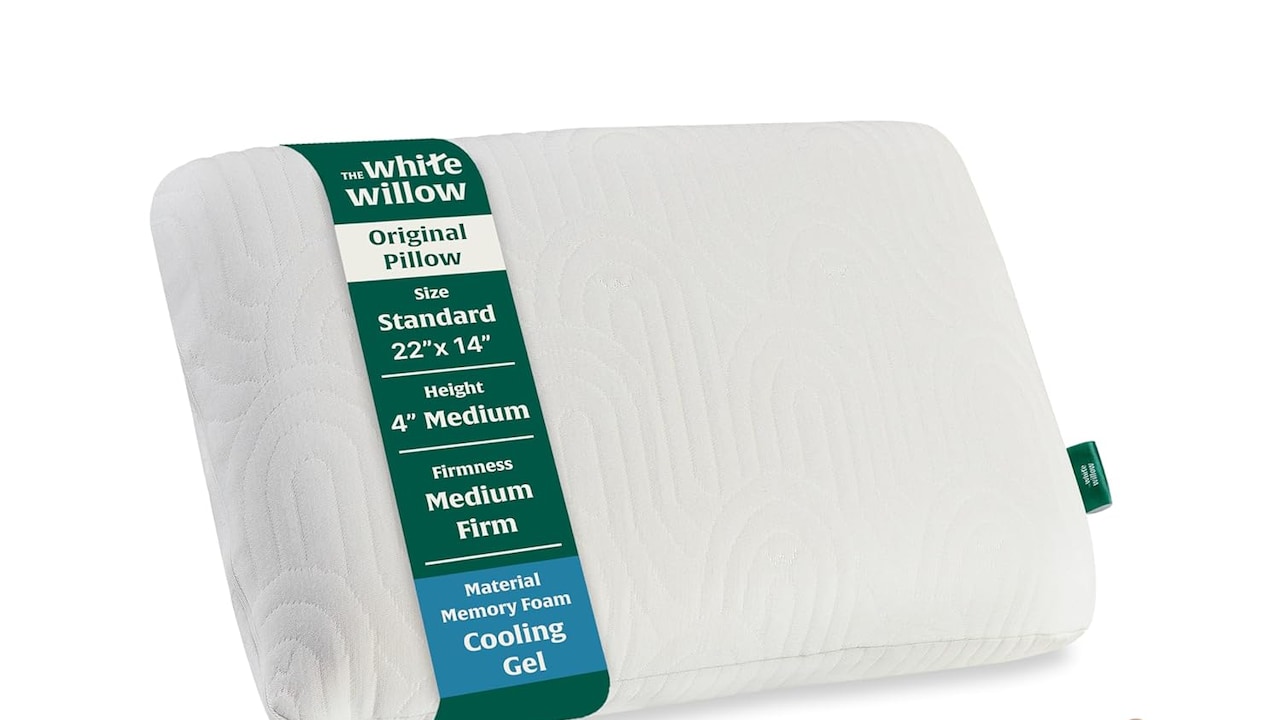
Firmness also deserves attention. A very soft cervical pillow may lose shape quickly. A very hard one may create pressure behind the neck. Medium-firm pillows often suit daily use because they hold the neck without feeling harsh.
Price is not the only guide. Cervical pillows in the market can range from around ₹800 to ₹4,000 or more, depending on brand, material, and features. The costliest pillow does not automatically become the best one. Comfort comes from fit, not fancy packaging or dramatic promises printed on the box.
Cervical Pillows For Daily Sleep: Benefits, Comfort And Buying Tips
Photo Credit: Amazon
Memory Foam, Latex, Or Fibre: Which Feels Better?
Memory foam cervical pillows are popular because they mould around the head and neck. They feel firm at first, then soften slightly with body heat. This can give a snug, cradled feeling. Some people love that slow sinking effect. Others feel trapped by it.
Latex pillows usually feel springier. They push back gently and hold their shape well. They may suit people who dislike the dense feel of memory foam. Latex can also feel cooler than some memory foam pillows, which matters in warm cities where even the fan seems to negotiate during May nights.
Fibre-filled cervical pillows feel more familiar. They are often lighter and softer. They may suit beginners who want neck support without a dramatic change from a regular pillow. However, fibre can flatten over time, so durability varies.
Each material has a different personality. Memory foam feels close and steady. Latex feels responsive. Fibre feels soft and approachable. The best choice depends on what the sleeper values most. Someone seeking strong support may prefer memory foam or latex. Someone nervous about firmness may start with a softer contoured fibre pillow.
Who May Benefit Most From A Cervical Pillow?
Cervical pillows may help people who wake up with neck stiffness, shoulder tightness, or mild discomfort linked to sleeping posture. They can also suit those who spend long hours at desks, on phones, or driving through traffic. These daily habits often push the head forward and strain the neck.
People who sleep on their back or side may notice the biggest difference. A good cervical pillow keeps the head from rolling into awkward positions. It can make the neck feel better supported through the night.
Those with frequent headaches that begin near the neck may also consider trying one, especially if poor pillow support seems involved. However, persistent pain needs medical advice. A pillow can improve sleep posture, but it cannot diagnose or cure a health condition.
Cervical pillows may not suit everyone. People with certain spine issues, recent injuries, or severe pain should speak to a doctor or physiotherapist before switching. A helpful pillow should reduce strain, not create new discomfort. The body gives clear feedback. If mornings become easier, the pillow is doing its job.
Common Mistakes While Using Cervical Pillows
One common mistake is using the pillow the wrong way around. Many cervical pillows have two raised edges of different heights. The higher edge may suit side sleeping, while the lower edge may suit back sleeping. Using the wrong side can make the pillow feel uncomfortable.
Another mistake is giving up after one night. The first night can feel strange because the neck adjusts to a new position. Unless the pillow causes sharp pain, a few nights of trial can offer a fairer judgement.
Some people place another pillow under the cervical pillow. That usually ruins the alignment. The neck rises too much, and the whole purpose disappears. Others choose a pillow based only on online reviews. Reviews help, but body size and sleep style matter more.
A pillow cover can also change the feel. A tight cover may compress the pillow and make it harder. A loose, breathable cotton cover usually feels better for daily sleep.
The biggest mistake is expecting instant miracles. A cervical pillow supports better posture, but sleep quality also depends on mattress condition, screen habits, stress, and how late dinner stretched during a family function.
Are Cervical Pillows Comfortable For Daily Sleep?
Yes, cervical pillows can feel comfortable for daily sleep once the body adjusts and the fit is right. The word “comfortable” does not always mean soft like a hotel pillow. Sometimes comfort means waking up without stiffness, sleeping with fewer adjustments, and not needing to rotate the neck like a slow ceiling fan in the morning.
A good cervical pillow should feel supportive, not forceful. The neck should rest naturally on the raised portion. The head should settle without pressure. Shoulders should stay relaxed. If the pillow creates a gap, pushes the chin towards the chest, or makes the head tilt, it is not the right one.
Daily comfort improves when the pillow matches the sleeper's usual position. Back sleepers may enjoy a gentle neck roll. Side sleepers may prefer a firmer and slightly taller design. Mixed sleepers may need softer contours that allow movement.
The first few nights may involve some negotiation. The pillow feels new, the neck feels suspicious, and sleep may take longer. But when the match works, the pillow becomes less noticeable. That is often the best sign. Good support quietly does its work.
How To Decide If One Is Worth Buying
A cervical pillow is worth considering if regular pillows leave the neck stiff, the head unsupported, or the shoulders tense. It becomes especially useful when discomfort appears often after sleep rather than after exercise or injury.
Before buying, check the return or trial policy whenever possible. Pillows are personal. What suits one person may feel awful to another. A trial period gives the body time to decide without turning the purchase into a gamble.
Look at pillow height, material, firmness, and sleeping position. Avoid buying only because a celebrity, influencer, or enthusiastic cousin praises it. Comfort has no universal formula. The right pillow should support the neck's curve and allow natural breathing, turning, and relaxation.
A budget between ₹1,200 and ₹3,000 can offer many decent options for regular use. Premium pillows may last longer, but the basics matter more than luxury tags.
The worth becomes clear in the morning. If the neck feels lighter, sleep feels deeper, and the pillow no longer demands attention, the purchase makes sense. If discomfort continues after a fair trial, a different shape or softer support may suit better.
Cervical Pillows For Daily Sleep: Benefits, Comfort And Buying Tips
Photo Credit: Amazon
Products Related To This Article
1. MYARMOR Cervical Pillow for Neck Pain
2. CareFoam Contour Cervical Memory Foam Pillow
3. betterhood PosturePro Premium Cervical Pillow for Neck Pain and Shoulder Pain
4. Dr.Ortho Premium Orthopedic Cervical Memory Foam Neck Pillow For Pain Relief Sleep
5. FOVERA Cervical Pillow for Neck Pain
6. Sleepsia Cervical Pillow for Neck Pain
7. WELLGIVER Ergonomic Memory Foam Pillow for Neck Pain
Cervical pillows are neither miracle workers nor unnecessary gimmicks. They sit in that useful middle space where design, posture, and personal comfort meet. For many people, they can reduce neck strain and make mornings feel less creaky. For others, they may feel too firm, too shaped, or too different from the familiar softness of a regular pillow.
The real question is not whether cervical pillows are good or bad. The better question is whether a particular cervical pillow suits a particular sleeper. Height, firmness, material, mattress type, and sleeping position all matter.
A cervical pillow should not feel like a brick wrapped in a pillowcase. It should support the neck with quiet confidence. Some firmness is normal. Pain is not. A short adjustment period makes sense, but ongoing discomfort deserves attention.
For daily sleep, the right cervical pillow can be worth it, especially for back and side sleepers who wake up with stiffness. Choose carefully, give the body time to adapt, and listen to how the neck feels in the morning. After all, sleep should not end with a battle between the pillow and the person using it.
(Disclaimer: This article may include references to or features of products and services made available through affiliate marketing campaigns. NDTV Convergence Limited (“NDTV”) strives to maintain editorial independence while participating in such campaigns. NDTV does not assume responsibility for the performance or claims of any featured products or services.)