Stainless Steel Vs Hard-Anodised Cookwear: Which One Works Better For Indian Cooking?
Stainless steel or hard-anodised cookware? Here's a clear guide to which material suits daily cooking, from tadka and frying to cleaning, durability, and value.
Key differences to know before choosing stainless steel and hard-anodised cookware
Every kitchen has its own rhythm. Some mornings begin with soft dosas, some with poha tossed in mustard seeds, and some with parathas that demand a sturdy tawa and full attention. Lunch may bring dal, rice, sabzi, and a quick fry. Dinner often needs one more round of reheating, tempering, or rescuing leftovers from the fridge. In all this lovely chaos, cookware matters more than people admit. A good pan can make onions brown evenly, keep food from sticking, and save precious minutes on a weekday. A poor one can turn a simple upma into a scraping session.
Stainless steel vs hard-anodised cookware which one is better for everyday use
Photo Credit: Pexels
Stainless steel and hard-anodised cookware both promise strength, durability, and better cooking. Yet they behave very differently. Stainless steel brings classic shine, long life, and a clean cooking surface. Hard-anodised cookware brings quick heating, easy handling, and better stick resistance. For masala-heavy meals, deep frying, slow simmering, and everyday tadka, the choice deserves a closer look.
Also Read: Vinod Induction Cookware Sets: Top 6 Durable, Non-Stick Pots And Pans That Resist Scratching
Stainless Steel Vs Hard-Anodised Cookware: 10 Key Differences For Everyday Cooking
1. Heat Distribution And Everyday Cooking
Heat decides the mood of a dish long before the masala goes in. Stainless steel looks tough, but plain stainless steel does not spread heat very well on its own. Good-quality pieces usually come with an aluminium or copper core, especially at the base. This helps the pan heat more evenly and reduces hot spots. Without that layer, one part may scorch onions while another barely sizzles.
Hard-anodised cookware usually starts with aluminium, which conducts heat beautifully. The anodising process strengthens the surface, so the vessel heats quickly and spreads warmth well. This helps during busy mornings when someone wants besan chilla on one burner and tea on another.
For daily cooking, hard-anodised pans often feel faster and more forgiving. They suit quick sabzis, omelettes, stir-fried poha, and light frying. Stainless steel works wonderfully too, but it asks for patience. Preheating matters. Oil temperature matters. Once mastered, it gives lovely browning and depth. For cooks who enjoy control, stainless steel rewards skill. For cooks juggling breakfast, tiffin, and doorbells, hard-anodised cookware feels kinder.
2. Masala Cooking And Browning
A proper masala needs heat, time, and a little drama. Onions must soften, tomatoes must lose their raw edge, and spices must bloom without burning. Stainless steel shines in this department. It creates excellent browning, especially when the pan reaches the right temperature before oil goes in. Those golden bits that stick lightly to the base add flavour once deglazed with water, curd, tomato puree, or stock.
Hard-anodised cookware also handles masalas well, but it does not always create the same deep fond at the bottom. Its smoother surface reduces sticking, which makes cooking easier but sometimes softens that rich roasted taste. This difference becomes noticeable in dishes like chole, rajma, korma-style gravies, and dry bhindi masala.
For cooks who love the slow bhunao stage, stainless steel offers better control over caramelisation. It allows masalas to catch just enough without becoming a nightmare. Hard-anodised pans suit those who prefer less sticking and less scrubbing. So, for flavour-building, stainless steel takes the lead. For convenience during everyday masala cooking, hard-anodised cookware stays very close behind.
3. Tadka, Tempering, And High Heat
Few kitchen sounds bring as much comfort as mustard seeds crackling in hot oil. Add curry leaves, cumin, garlic, dried chillies, or hing, and suddenly the whole house knows lunch has begun. Tadka needs a vessel that handles sudden heat well. Both stainless steel and hard-anodised cookware can do the job, but their personalities differ.
Stainless steel tolerates high heat with confidence. It does not mind sharp temperature changes, and it works well for ghee, oil, spices, and quick tossing. A small stainless steel tadka pan can last for years if treated properly. It also does not react with sour ingredients, so adding tamarind water or tomato-based dal causes no worry.
Hard-anodised cookware heats fast, which helps when the tadka needs to happen in seconds. However, very high heat over long periods can reduce its surface life, especially if the vessel also has a non-stick coating. Medium heat usually gives better results. For quick tempering, hard-anodised pans perform well. For repeated high-heat use, stainless steel feels more dependable and less fussy.
4. Roti, Dosa, Cheela, And Breakfast Staples
Breakfast cookware has no patience for theory. A tawa must prove itself every morning. For rotis, stainless steel can work, but many people find it tricky. The surface needs proper heating, and dough can stick if the temperature sits too low. Once the technique improves, stainless steel handles phulkas well, but it rarely feels as effortless as a seasoned iron tawa.
Hard-anodised tawas suit many breakfast dishes better. Dosa, cheela, uttapam, pancakes, and egg preparations release more easily, especially with a thin layer of oil. The surface does not demand the same level of preheating discipline as stainless steel. This makes it popular in homes where breakfast needs speed, not a lecture on cookware science.
For crisp dosas, a well-seasoned cast iron tawa still has its own fan club. Between stainless steel and hard-anodised options, though, hard-anodised cookware wins for convenience. It gives fewer sticky disasters and works better for varied batters. Stainless steel suits reheating, light roasting, and skilled hands, but hard-anodised pieces make rushed mornings less dramatic.
5. Deep Frying And Snacks
From pakoras during the first rain to pooris on festive mornings, deep frying needs stable heat. The vessel must hold enough oil, recover temperature quickly, and avoid burning crumbs at the base. Stainless steel kadhais perform very well here, especially heavy-bottomed ones. They tolerate high heat, handle repeated frying, and do not absorb smells. A good stainless steel kadhai can move from pakoras to gulab jamun syrup duty without fuss.
Hard-anodised kadhais also fry well because they heat quickly and spread heat evenly. They often weigh less than thick stainless steel pieces, which helps when pouring oil out after cooking. The darker surface can make it slightly harder to judge oil colour or browning at a glance, though regular cooks adjust quickly.
For heavy frying, stainless steel has the advantage of durability. It does not worry about metal strainers or long exposure to hot oil. Hard-anodised cookware works nicely for occasional frying, shallow frying, and snacks like cutlets or tikki. For frequent batches of pooris, samosas, and pakoras, stainless steel feels like the sturdier long-term partner.
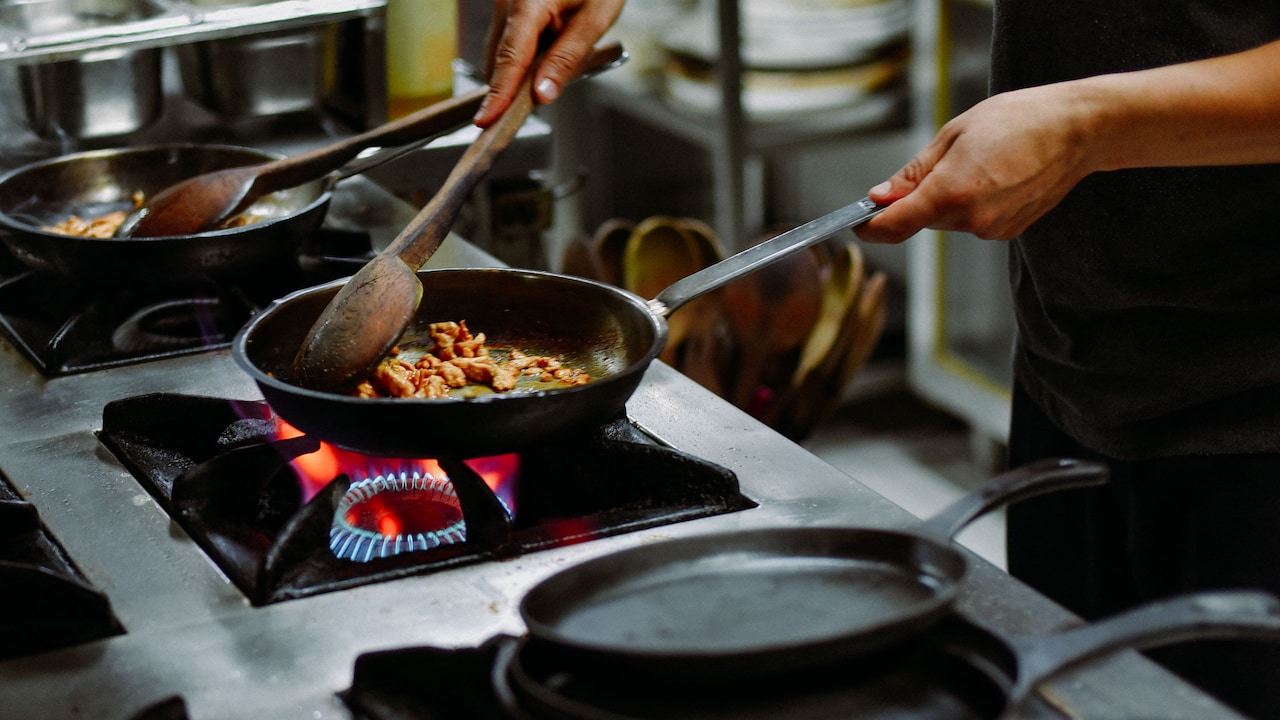
Stainless steel kadhais are best for deep frying as they can easily tolerate high heat; Photo Credit: Pexels
6. Cleaning, Stains, And Kitchen Reality
Cookware advertisements love sparkling vessels. Real kitchens have turmeric stains, burnt milk, dal overflow, and that one mysterious mark nobody accepts responsibility for. Stainless steel can look gorgeous, but it shows everything. Water spots, rainbow stains, and burnt patches appear easily. The good news: most marks can go with baking soda, vinegar, lemon, or a stainless steel scrubber. It allows firm cleaning without much fear.
Hard-anodised cookware hides stains better because of its dark surface. Turmeric does not announce itself loudly, and light marks stay less visible. Food also sticks less, so cleaning often takes less effort. However, abrasive scrubbers can damage the surface over time. Wooden, silicone, or nylon tools suit it better. Harsh cleaning powders may also dull its finish.
For families with busy sinks and quick wash routines, hard-anodised cookware feels easier day to day. For people who like vessels that can survive strong scrubbing, stainless steel wins. It may demand more elbow grease, but it forgives rough treatment. In a practical kitchen, that forgiveness counts.
7. Health, Safety, And Food Reaction
Food safety often enters the cookware debate, and rightly so. Stainless steel has a major advantage here. Good-quality food-grade stainless steel does not react with most ingredients. Sour gravies, tomato rasam, tamarind-heavy sambhar, lemon rice, curd-based marinades, and vinegar-based preparations all sit comfortably in stainless steel. It also does not need a coating, so there is no layer to peel away.
Hard-anodised cookware goes through a process that makes aluminium harder and less reactive. Quality pieces from trusted brands usually stay safe for regular cooking when used properly. The anodised layer prevents direct contact between food and raw aluminium. Problems can arise when the surface gets deeply scratched, worn, or paired with very rough cleaning habits. Some hard-anodised pans also include non-stick coatings, which need gentler use.
For long simmering of sour dishes, stainless steel offers greater peace of mind. For quick cooking, sautéing, and everyday meals, hard-anodised cookware remains a practical choice. The key lies in buying from reliable brands and replacing damaged vessels when the surface starts looking tired. No pan deserves lifelong service after its best years have clearly passed.
8. Durability And Long-Term Value
A cookware purchase should not feel like a short romance. It should stay through festivals, house shifts, surprise guests, and countless Sunday lunches. Stainless steel earns respect because it lasts. A thick, well-made stainless steel kadhai, saucepan, or handi can serve for decades. It may scratch, dull, or collect tiny scars, but it keeps working. That ageing has a certain charm, like an old pressure cooker whistle everyone recognises.
Hard-anodised cookware lasts well too, but not always as long as stainless steel. Its surface can wear down with harsh scrubbers, metal spoons, overheating, or careless stacking. Good-quality hard-anodised pieces may serve many years, especially with gentle use. Still, they rarely match the lifespan of heavy stainless steel.
Price matters too. Basic stainless steel starts low, while premium tri-ply pieces can cost ₹2,000 to ₹6,000 or more depending on size and brand. Hard-anodised pans often sit in a friendly middle range, with many everyday pieces available between ₹1,000 and ₹3,500. For long-term value, stainless steel wins. For affordable ease, hard-anodised cookware makes a strong case.
9. Looks, Weight, And Handling
Cookware may not need glamour, but nobody complains when a kitchen looks tidy and bright. Stainless steel brings that classic shine. It looks clean, modern, and festive even on an ordinary Tuesday. Many people like serving directly from stainless steel because it suits both daily meals and guests. The downside is weight, especially with tri-ply or heavy-bottomed pieces. A large filled kadhai can test wrist strength during transfer.
Hard-anodised cookware has a matte, dark finish. It looks sleek in a quieter way and hides daily wear better. It also tends to feel lighter than thick stainless steel, though this varies by brand and design. For older family members or anyone who cooks large quantities, lighter cookware can make a real difference.
Handles also matter. Stainless steel handles can heat up, especially on gas stoves. Hard-anodised cookware often comes with stay-cool handles, though they may loosen over time. For presentation, stainless steel wins. For easy lifting, quick cooking, and low-maintenance looks, hard-anodised cookware feels more practical.
10. Which One Suits Your Kitchen Better?
The best choice depends on cooking style, not just material. A home that cooks dal, sabzi, rice, snacks, and gravies every day may benefit from both. Stainless steel works beautifully for boiling milk, simmering dal, cooking rice, making rasam-style broths, frying snacks, and preparing rich masalas. It suits dishes that need high heat, sour ingredients, or long cooking.
Hard-anodised cookware suits quick weekday meals. It handles upma, poha, sautéed vegetables, eggs, cheela, light frying, and fast reheating with ease. It helps newer cooks build confidence because food sticks less. It also saves time during cleaning, which matters when the sink already has tea cups, lunch boxes, and three spoons nobody remembers using.
For a starter kitchen, one stainless steel saucepan, one heavy stainless steel kadhai, and one hard-anodised tawa or fry pan can cover most needs. For an upgrade, add tri-ply stainless steel for gravies and a hard-anodised sauté pan for everyday vegetables. The smartest kitchen does not pick sides blindly. It builds a small, useful team.
Products Related To This Article
1. Steel Heavy Induction Patila Set with LID
2. Hawkins Futura 2 Litre Cook n Serve Bowl
3. Vinod Platinum Triply Stainless Steel Kadai with Lid
4. Sumeet 3Mm Hardanodised Deep Kadhai
5. Bergner Argent Saira Saiba Triply Stainless Steel 3 Pcs Cookware Set
6. Vinod Black Pearl Hard Anodised Non Stick Handi with Lid
7. ENSIS Triply Stainless Steel Frying pan
Stainless steel and hard-anodised cookware both deserve space in a busy desi kitchen. Stainless steel wins on durability, high-heat cooking, sour dishes, deep frying, and long-term value. It rewards technique and stays loyal for years. Hard-anodised cookware wins on convenience, quick heating, easier cleaning, lighter handling, and breakfast-friendly cooking. It makes daily meals feel less sticky, literally and emotionally.
For cooks who enjoy slow masala browning and want cookware that lasts for decades, stainless steel makes the better investment. For households that need speed, simple cleaning, and reliable everyday performance, hard-anodised cookware fits beautifully.
The wisest answer sits somewhere in the middle. Use stainless steel where strength and flavour matter most. Use hard-anodised cookware where ease and speed matter more. After all, a good kitchen does not need one hero. It needs the right vessel at the right moment, especially when the tadka starts spluttering and someone shouts, “Is lunch ready yet?”
(Disclaimer: This article may include references to or features of products and services made available through affiliate marketing campaigns. NDTV Convergence Limited (“NDTV”) strives to maintain editorial independence while participating in such campaigns. NDTV does not assume responsibility for the performance or claims of any featured products or services.)


![Steam Iron Teflon Shoe Cover for ES-300,ST-96 [Only For ES-300 and ST-96 Model Electric Steam Irons]](https://m.media-amazon.com/images/I/51wwkttondL._SL160_.jpg)