Cotton vs Microfiber Quilts: What's Actually Better?
Choosing the right quilt often feels like a small decision. Cotton and microfiber dominate the bedding aisles, each promising comfort, durability, and value for money. Let us unravel the facts and settle the debate once and for all.

Cotton Vs Microfiber Quilts: Which Is Better For Comfort, Climate And Budget?
Few things shape daily comfort like the quilt that waits at the end of a long day. After crowded commutes, endless meetings, and late-night scrolling, that soft layer becomes more than bedding. It turns into a quiet refuge. Walk into any home store or scroll through an online sale, and two choices pop up again and again: cotton and microfiber. Both claim softness. Both promise durability. Both sit at tempting price points, from ₹1,500 to ₹5,000 and beyond.
Yet the real question lingers. Which one actually delivers better sleep? Climate, budget, skin sensitivity, and even laundry habits all influence the answer. Cotton bedsheets carry a familiar, old-school charm. Microfiber, on the other hand, boasts modern performance and easy care. Marketing blur often muddies the water, leaving buyers confused.
This guide breaks down the differences in plain language. No jargon, no exaggerated claims. Just a clear look at how each quilt performs in real homes and real weather.
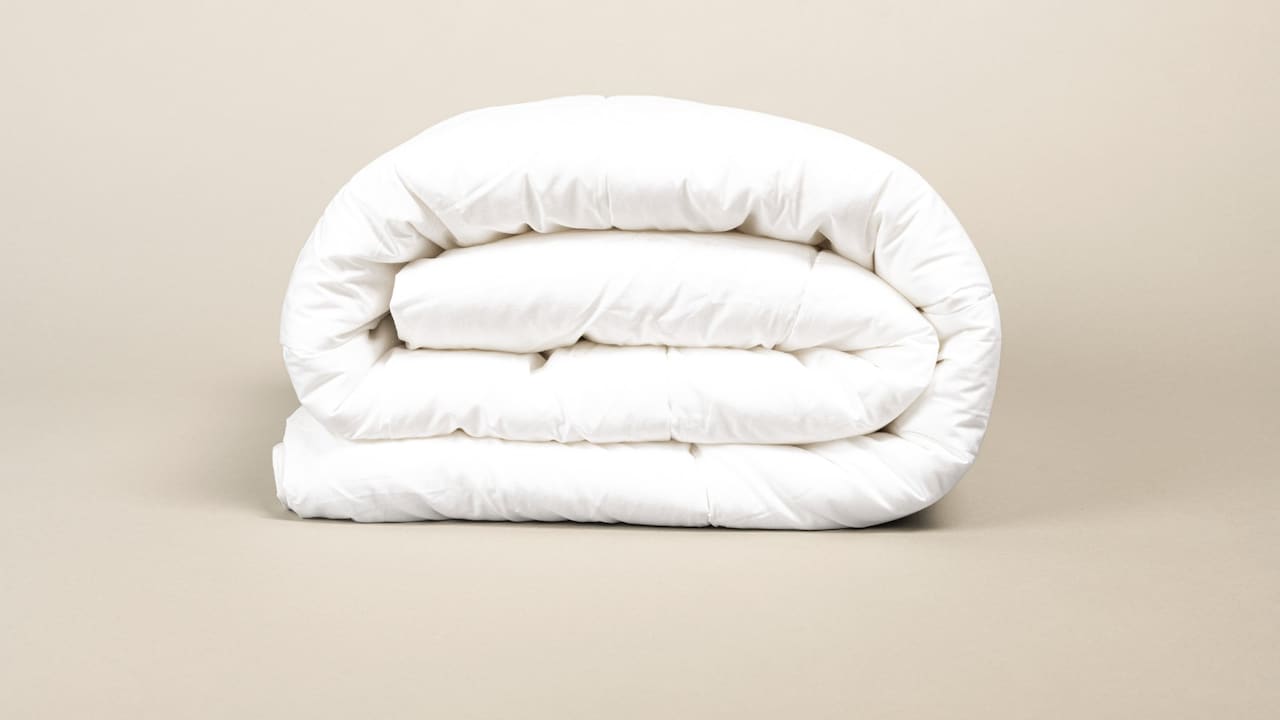
Cotton vs Microfiber Quilts: What's Actually Better?; Photo Credit: Pexels
Breathability And Comfort In Warm Weather
Hot nights demand a quilt that allows air to circulate rather than trapping heat like a pressure cooker lid. Cotton excels in this department. Natural fibres create tiny gaps that allow airflow, which keeps the body cool even when temperatures rise above 35°C. During peak summer, when ceiling fans whirl at full speed, cotton feels light and breathable instead of suffocating.
Microfiber behaves differently. It consists of tightly woven synthetic fibres that hold warmth more efficiently. That quality suits air-conditioned rooms but feels uncomfortable in humid weather. Sweat may linger rather than evaporate quickly, which leaves a slightly sticky feeling by morning.
Homes in coastal cities, where humidity rarely takes a break, often benefit more from cotton quilts. They help regulate body temperature and reduce night-time discomfort. Microfiber may suit cooler hill stations or homes where air conditioning runs through the night. Comfort depends less on trend and more on climate reality.
Softness And Texture Against The Skin
Softness sells quilts. A quick touch in the store aisle often decides the purchase. Cotton offers a natural, gentle feel that improves with every wash. Over time, the fibres relax and develop a lived-in softness that many associate with childhood bedding and familiar comfort.
Microfiber feels smooth and almost silky at first touch. The synthetic weave creates a sleek surface that glides across the skin. Some appreciate that hotel-like finish. Others find it slightly artificial or slippery, especially during warmer months.
Sensitive skin plays a role here. Cotton tends to feel kinder and less irritating because it allows the skin to breathe. Microfiber, while soft, may trap heat and cause minor discomfort for those prone to rashes.
Texture preference remains personal. Some enjoy the crisp freshness of cotton sheets and quilts. Others prefer the polished smoothness of microfiber. The key lies in noticing how the fabric feels after several washes rather than judging it only in brand-new condition.
Also Read: Top 5 Soft Microfiber Blankets For The Winter Season
Durability And Long-Term Wear
A quilt should survive more than one festive season. Cotton quilts generally hold up well with proper care. Strong stitching and quality fabric prevent tearing, though frequent washing may cause gradual thinning over the years.
Microfiber scores high in durability. Synthetic fibres resist shrinking and maintain shape even after repeated washes. Colours often stay vibrant for longer periods. Families with children or pets may appreciate this resilience. Spilt milk or muddy paw prints rarely spell disaster.
However, durability is also linked to fabric quality. A cheap cotton quilt priced at ₹1,200 may wear out faster than a well-made microfiber quilt costing ₹3,500. Thread count, stitching, and filling matter more than labels alone.
Cotton ages gracefully but may fade. Microfiber maintains structure but can develop small fibre balls if quality falls short. Choosing a reputable brand and inspecting stitching often matters more than choosing between natural and synthetic fibres.
Maintenance And Ease Of Washing
Laundry habits influence quilt choice more than most realise. Cotton requires a bit of care. It benefits from mild detergent and moderate temperatures. Excess heat during drying may cause shrinkage. Still, most washing machines handle cotton quilts without fuss.
Microfiber thrives on convenience. It dries quickly and resists wrinkles. Busy households that juggle work, school, and social commitments often prefer fabrics that demand minimal attention. Microfiber rarely needs ironing and retains shape after spinning cycles.
During monsoon months, when sunlight plays hide and seek, drying time becomes crucial. Cotton takes longer to dry because it absorbs more moisture. Microfiber dries faster and reduces the risk of damp odours.
Those who prioritise low maintenance may lean towards microfiber. Those who value natural fibres may accept the extra effort. Neither option proves difficult, but lifestyle rhythms can tip the scale.
Allergy Concerns And Skin Sensitivity
Allergies disrupt sleep and affect overall health. Cotton, being natural, generally suits sensitive skin. It allows air circulation and reduces the build-up of heat and moisture. That environment discourages irritation.
Microfiber often markets itself as hypoallergenic. Its tight weave resists dust mites to some extent. However, synthetic materials may trap heat and sweat, which sometimes aggravates skin issues.
Homes in dusty urban areas need quilts that handle pollution and frequent washing. Cotton handles high-temperature washes well, which helps maintain hygiene. Microfiber also tolerates washing but may require careful temperature control.
For families with young children or elderly members, skin comfort often becomes the deciding factor. Cotton offers reassurance through familiarity and breathability. Microfiber provides convenience and resistance to certain allergens. The final choice depends on individual sensitivity rather than a universal rule.

Cotton vs Microfiber Quilts: What's Actually Better?; Photo Credit: Pexels
Climate Suitability Across Seasons
Weather changes dramatically across regions. Winters in the north demand warmth, while southern summers test patience. Cotton adapts well to warm and moderate climates. It layers easily with blankets during colder months.
Microfiber traps heat more effectively. It suits cooler nights and air-conditioned rooms. Some quilts even combine microfiber outer layers with heavier fillings to provide extra insulation.
Seasonal versatility matters. A cotton quilt may serve comfortably from spring through autumn. Microfiber may shine in winter but feel excessive in peak summer.
Households that prefer one quilt year-round often favour cotton. Those who rotate bedding according to season may keep both types handy. Climate rarely follows a single pattern, so flexibility proves useful.
Environmental Impact And Sustainability
Sustainability has moved from buzzword to genuine concern. Cotton, as a natural fibre, biodegrades more easily. However, conventional cotton farming consumes significant water and pesticides unless sourced responsibly.
Microfiber stems from synthetic materials derived from petroleum. Production consumes fewer natural resources in some cases, yet the fabric sheds microplastics during washing. These tiny fibres enter water systems and contribute to pollution.
Shoppers who care about environmental footprint often examine labels more closely. Organic cotton or responsibly sourced materials may cost more, sometimes around ₹4,000 or higher. Yet many consider that price a long-term investment in sustainability.
Microfiber's durability reduces frequent replacement, which also lowers waste. Environmental impact, therefore, depends on manufacturing practices and consumer behaviour. Conscious washing habits and mindful purchasing choices matter regardless of material.
Cost And Value For Money
Budget influences nearly every purchase. Cotton quilts range widely in price. Simple designs start around ₹1,500, while premium options climb above ₹6,000. Fabric quality, thread count, and brand reputation affect pricing.
Microfiber often costs slightly less at the entry level. Attractive designs and bright patterns appear at affordable rates, sometimes under ₹2,000 during festive sales. Durability adds to perceived value, especially for families on tight budgets.
However, cheaper does not always mean better. A low-quality quilt may lose shape or comfort within a year. Spending ₹3,000 on a well-constructed quilt often proves wiser than replacing a ₹1,200 option repeatedly.
Value depends on longevity, comfort, and maintenance. Cotton may justify a higher cost through breathability. Microfiber may justify its price through resilience. Smart shoppers look beyond discounts and assess long-term satisfaction.
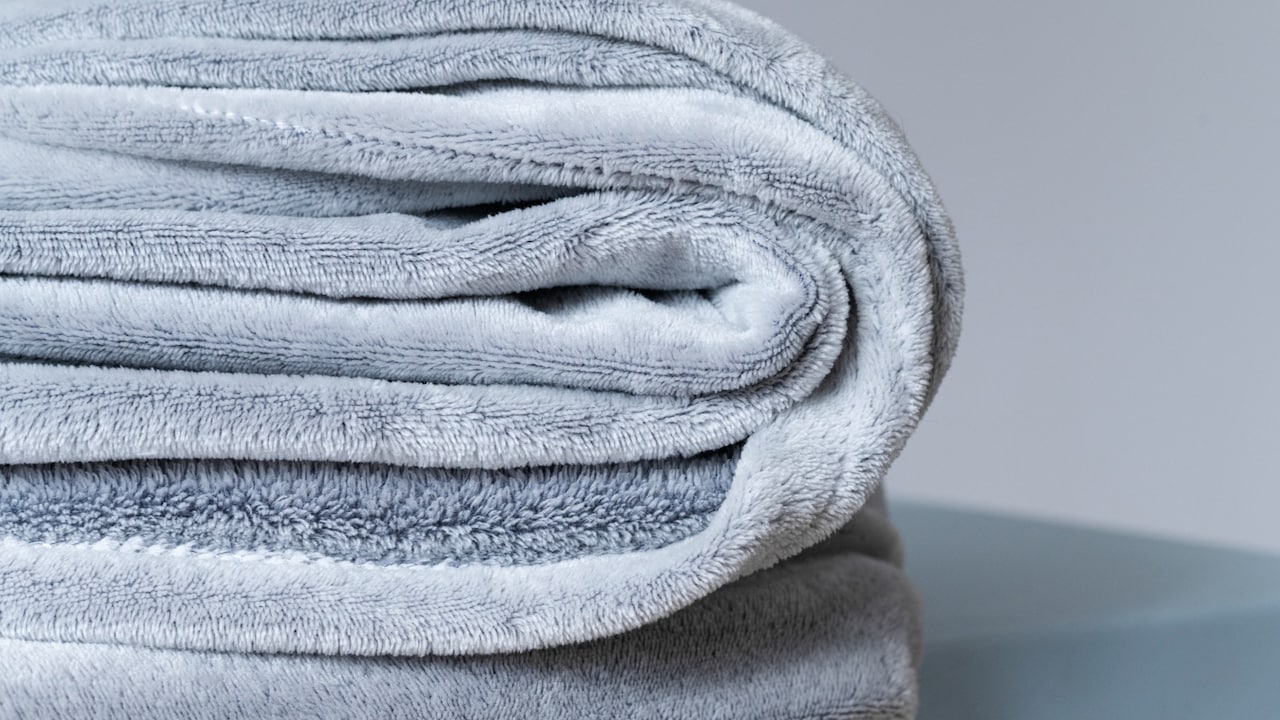
Cotton vs Microfiber Quilts: What's Actually Better?; Photo Credit: Pexels
Aesthetic Appeal And Design Variety
Bedroom décor reflects personality. Cotton quilts often showcase traditional prints, block patterns, and earthy tones. They blend effortlessly with wooden furniture and handloom curtains. Many designs echo heritage and craft traditions.
Microfiber embraces bold colours and modern prints. Digital patterns, geometric designs, and glossy finishes attract younger buyers who enjoy contemporary interiors. The fabric holds colour well, which keeps prints vibrant for longer.
Texture also influences appearance. Cotton offers a matte, understated charm. Microfiber presents a polished, slightly glossy finish. Lighting changes how each fabric looks in the room.
Style preferences vary widely. Some appreciate subtle elegance. Others gravitate towards striking designs. Fortunately, both materials provide ample choice across price brackets. Personal taste often outweighs technical differences in this category.
The Overall Sleep Experience
Sleep quality rarely depends on one factor alone. Temperature, softness, weight, and even emotional comfort shape the experience. Cotton often delivers a balanced feel. It breathes, absorbs moisture, and settles gently around the body.
Microfiber feels lighter in some cases and warmer in others. Its smooth surface creates a snug sensation that many find comforting during colder nights. Yet during humid evenings, it may feel less forgiving.
Emotional connection also plays a part. Cotton quilts often remind families of familiar routines and simple comforts. Microfiber reflects modern convenience and easy upkeep.
Ultimately, sleep thrives on comfort that aligns with climate and habit. A quilt should disappear into the background, not demand attention through discomfort. When that balance occurs, mornings begin with clarity rather than grogginess.
Products Related To This Article
1. haus & kinder Yellow & Red Floral Pure Cotton AC Room 300 GSM Reversible Double Bed Dohar
2. Sangria Olive Green Pure Microfibre Reversible 150 GSM Double AC Room Comforter
3. RRC White & Pink Floral AC Room 120 GSM Single Bed Dohar
4. URBAN SPACE Jodhpur Blue Ethnic Printed Microfiber AC Room 300 GSM Double Bed Blanket
5. Huesland Pink & Brown Floral Printed Pure Cotton Reversible AC Room Single Bed Dohar
So, what's actually better? Cotton or microfiber? The honest answer refuses to fit into a single sentence. Cotton shines in breathability, natural comfort, and year-round usability. Microfiber excels in durability, low maintenance, and vibrant design.
Homes that face intense heat and humidity often lean towards cotton. Busy households that prioritise easy washing may prefer microfiber. Budget, skin sensitivity, and décor preferences all shape the final decision.
Instead of chasing trends or flashy packaging, consider daily habits and climate realities. A quilt should support restful sleep, not complicate it. Whether choosing the familiar softness of cotton or the sleek resilience of microfiber, thoughtful selection ensures comfort that lasts well beyond one season.
In the end, better sleep rarely depends on marketing claims. It depends on choosing what feels right when the lights go off and the world finally quiets down.
(Disclaimer: This article may include references to or features of products and services made available through affiliate marketing campaigns. NDTV Convergence Limited (“NDTV”) strives to maintain editorial independence while participating in such campaigns. NDTV does not assume responsibility for the performance or claims of any featured products or services.)









![Steam Iron Teflon Shoe Cover for ES-300,ST-96 [Only For ES-300 and ST-96 Model Electric Steam Irons]](https://m.media-amazon.com/images/I/51wwkttondL._SL160_.jpg)