How To Choose Dinnerware That Survives Daily Meals Without Chipping Quickly
Learn how to choose durable dinnerware that resists everyday chips. From materials and rim thickness to glazing and stacking, discover what to check before buying plates and bowls that can withstand regular meals, washing and storage.
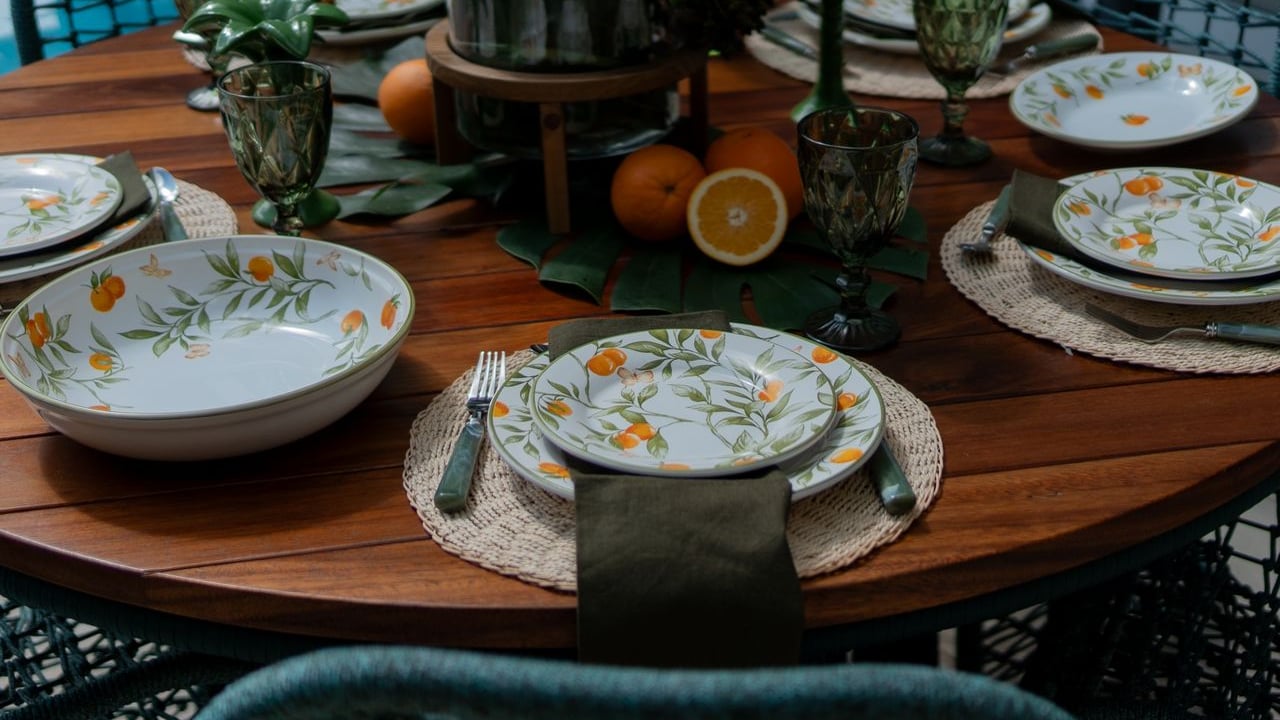
How to choose the right dinnerware that resists cracking and chipping
A dinner set rarely gets an easy life. Breakfast plates meet hurried spoons, bowls get stacked before they're completely dry, and dinner plates travel repeatedly between cupboards, dining tables and kitchen sinks. Add the occasional knock against a granite counter or stainless-steel sink, and those pretty edges suddenly have a lot to survive. That's why choosing dinnerware purely by colour, pattern or the number of pieces in the box can lead to disappointment. A set may look beautiful enough for festive dinners yet prove frustrating for everyday dal, rice, rotis, pasta and evening snacks. Tiny chips start appearing along the rims. Glaze develops scratches. One plate eventually cracks, leaving the rest of the set mismatched.
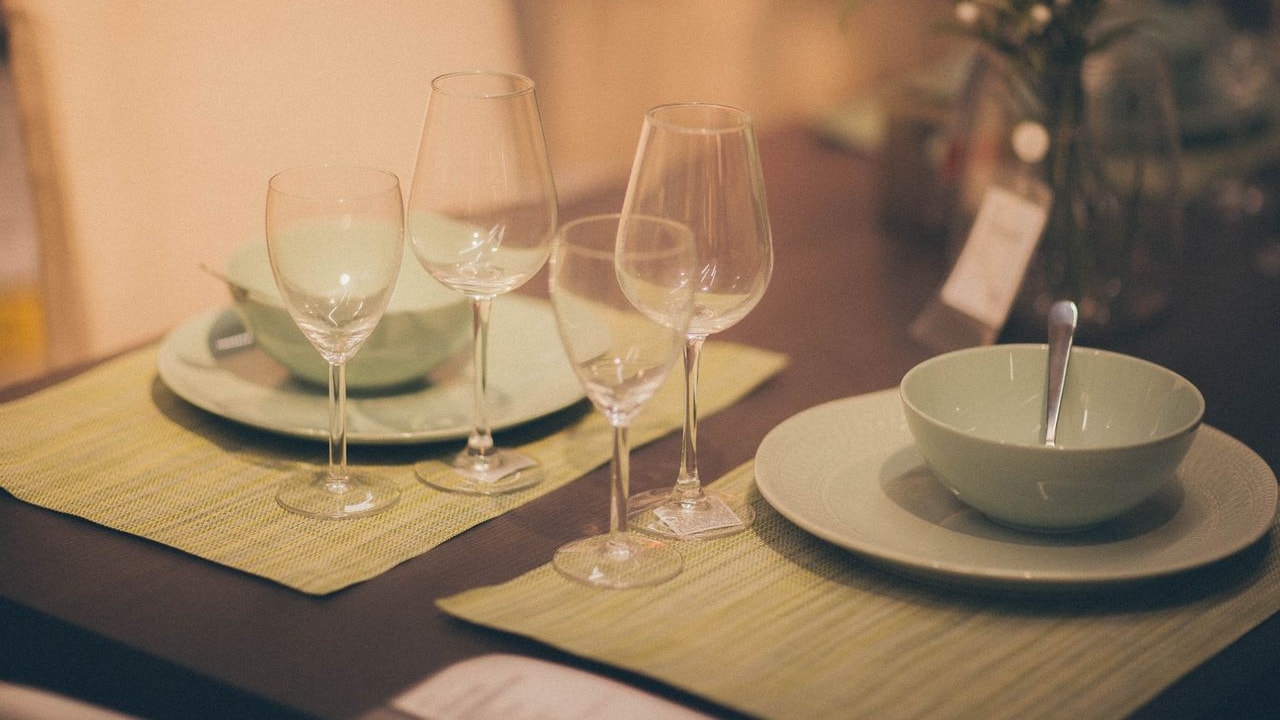
Tips to select dinnerware for everyday use
Photo Credit: Pexels
Durability depends on much more than simply choosing a “strong” material. Shape, thickness, glazing, weight, foot design and even how easily pieces stack can affect how well a dinner set ages.
Also Read: Made In France: 5 Dining Picks That Will Take Your Hosting Game To Next Level
So, before bringing home another set because the floral print looks lovely, check how it will behave on an ordinary Tuesday night. These ten considerations can help you choose dinnerware that stays presentable through hundreds of everyday meals.
What Makes Everyday Dinnerware Tough Enough For Real Life?
1. Start With The Material, Not The Pattern
The prettiest dinner plate in the shop may not necessarily be the most practical one. Material should come first because it largely determines how a plate reacts to bumps, temperature changes and repeated washing.
Porcelain and good-quality stoneware often work well for everyday dining, although their performance depends heavily on manufacturing quality. Porcelain tends to feel comparatively refined while offering decent strength. Stoneware usually feels heavier and substantial, which many households prefer for regular meals.
Bone china can also offer surprising strength despite its delicate appearance, though some families may prefer other materials for personal or cultural reasons. Earthenware often delivers lovely handmade textures and rustic colours, but it can prove more vulnerable to chips and cracks.
Melamine brings a completely different advantage. It handles drops better than ceramic dinnerware and works particularly well around children or outdoor dining. However, it doesn't provide the same feel as glazed ceramic pieces.
Think beyond appearance. Ask how often the dinnerware will leave the cupboard. Daily plates need resilience more than decorative drama.
2. Look Closely At The Rim Before Buying
Most dinnerware damage starts around the edge. That makes rim design one of the easiest durability clues to inspect before buying a set.
Very thin, sharply tapered rims can feel elegant, but they often have less material protecting them when plates bump together. A slightly thicker or reinforced edge usually handles ordinary kitchen knocks better.
Shape matters too. Plates with dramatically flared rims may collide with neighbouring pieces when stacked. Deep bowls with thin outward-curving lips face a similar problem. One careless movement while unloading the dish rack can create that familiar little missing triangle along the edge.
Run a finger gently around the rim when shopping in person. It should feel even rather than noticeably thin in certain sections. Also look for tiny imperfections or rough spots. Those weak areas may become the first places to deteriorate.
This doesn't mean choosing dinnerware that resembles canteen crockery. Plenty of attractive designs use gently rounded or subtly reinforced rims. For everyday dining, a few extra millimetres of protection can matter more than an ultra-fine silhouette.
3. Avoid Assuming Heavier Always Means Stronger
Pick up a thick plate and it immediately feels reassuring. Surely all that weight means durability? Not necessarily.
Heavy dinnerware can feel sturdy, but excessive weight creates problems of its own. Imagine lifting six dinner plates from an overhead shelf every evening. More weight also means more force when one plate knocks against another. A heavy plate landing awkwardly inside the sink can still chip.
At the other extreme, extremely light ceramic dinnerware may feel wonderfully convenient but could have thin vulnerable edges. The better choice usually sits somewhere between these extremes.
Look for pieces that feel substantial without becoming cumbersome. Hold a dinner plate as though you're carrying a meal. Then imagine stacking five more underneath it. The experience shouldn't turn into an accidental arm workout.
Weight consistency matters as well. Plates from the same set should feel relatively uniform. Strange variations can sometimes indicate inconsistencies in construction.
Everyday dinnerware gets handled constantly, often while someone is distracted, hungry or rushing. Comfortable weight makes careful handling easier, and careful handling quietly extends the life of the entire set.
4. Check Whether The Glaze Covers Vulnerable Areas Properly
Glaze does more than make dinnerware glossy. It creates a protective surface over ceramic material, helps resist stains and reduces direct exposure to moisture.
Inspect plates under good light. The glazed surface should look relatively even, without obvious pinholes, rough patches or areas where the underlying ceramic appears exposed unexpectedly. Handmade pieces naturally show more variation, but daily-use dinnerware still needs a well-finished surface.
Pay particular attention to edges. Chips often become more noticeable once the darker or lighter ceramic body underneath the glaze appears. Poorly finished rims may also feel unpleasant against the lips when drinking soup or eating from bowls.
The underside deserves attention too. Most ceramic plates have an unglazed foot ring so they can sit securely during firing. That's normal. However, the ring should feel reasonably smooth. A very rough base can scratch the plate underneath while stacking.
Beautiful glaze colours certainly make a table more inviting. But good finishing determines whether that colour remains attractive after months of washing, serving gravies and surviving hurried weekday dinners.
5. Choose Shapes That Stack Without Fighting Each Other
Stacking sounds like a storage issue, but it can quickly become a durability issue.
When dinner plates nest neatly, their weight spreads more evenly. When oddly shaped pieces rest against one another at a few pressure points, the edges can knock together every time someone takes a plate out.
This becomes especially relevant in compact kitchens where crockery often lives in tall stacks. Eight stylish irregular plates might look fantastic individually but behave like a ceramic puzzle inside the cupboard.
Before buying, check product images showing the pieces stacked. If you're shopping in a store, place two or three together. They shouldn't wobble dramatically or scrape against each other.
Bowls deserve the same test. Deep bowls that wedge tightly together can become surprisingly difficult to separate. Pull too aggressively and one may suddenly release with enough force to hit another bowl.
Good dinnerware should cooperate with your cupboard, not require delicate negotiations every morning. Clean, stackable shapes usually prove easier to store, move and protect over the years.
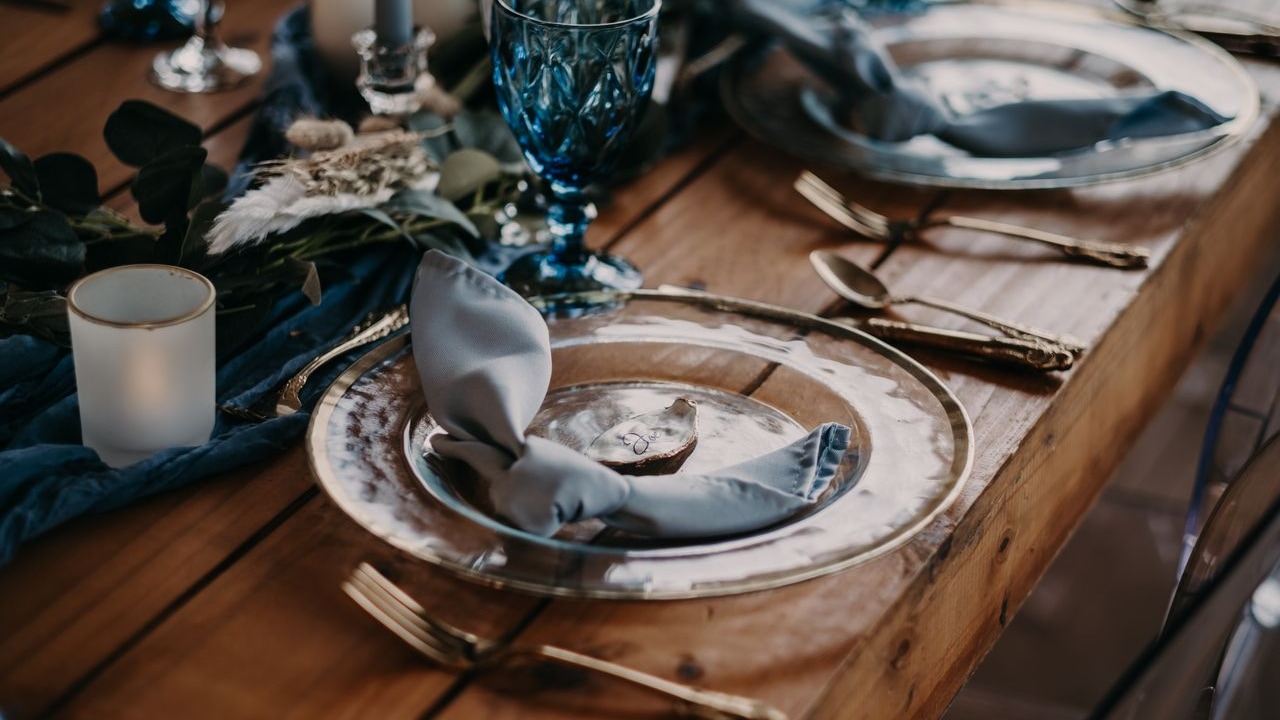
Choose space-saving stackable designs
Photo Credit: Pexels
6. Match Plate Size To Your Sink And Storage Space
An oversized dinner plate looks impressive until it meets a small kitchen sink.
Large plates often strike taps, sink walls and countertop edges simply because they have less room to move during washing. They may also stick out from drying racks or squeeze awkwardly into cabinets.
Before choosing a set, measure the shelves where it will live. Dishwasher owners should also check rack dimensions. A plate that barely fits can lean against other pieces, increasing the chance of contact during a wash cycle.
Kitchen sink dimensions matter just as much for households that wash dishes by hand. A comfortable amount of clearance gives you room to turn a plate without constantly tapping the rim against steel or granite.
This is one of those practical details that gets ignored when shopping online. A 28 cm dinner plate may sound only slightly larger than a 25 cm version, but those extra centimetres become noticeable in a crowded sink.
Dinnerware lasts longer when the kitchen around it can accommodate it comfortably. Sometimes choosing a slightly smaller plate does more for longevity than choosing a supposedly stronger material.
7. Be Careful With Highly Textured And Sculpted Edges
Texture can transform simple crockery into something memorable. Rippled edges, embossed patterns and handcrafted irregularities add character to the table. Yet some decorative details also create vulnerable points.
A dramatically scalloped rim, for example, has multiple raised sections that can take the impact when plates touch. Sharp corners on square plates face similar risks because force concentrates around those points.
Texture can also complicate cleaning. Food residue may settle into deep grooves, encouraging harder scrubbing than a smooth plate would need. Over time, aggressive cleaning can dull decorative surfaces.
None of this means everyday dinnerware must look plain. Choose decoration strategically. A textured outer border with a smoother eating surface often balances personality and practicality. Soft curves generally cope better with knocks than pronounced corners.
Think about how the set will actually live. If it comes out only during celebrations, an elaborate design may work beautifully. If someone will pile parathas onto it at breakfast and wash it twenty minutes later, simpler geometry often makes life considerably easier.
Durability sometimes comes down to choosing fewer places for trouble to begin.
8. Pay Attention To Microwave And Dishwasher Compatibility
A dinner set may survive physical knocks yet struggle with the way your household heats and cleans food.
If plates regularly go into the microwave, confirm that the manufacturer identifies them as microwave-safe. Decorative metallic rims or gold detailing usually don't belong inside a microwave. Some materials can also become unexpectedly hot even when the food itself doesn't seem particularly warm.
Dishwasher compatibility matters for similar reasons. Repeated high-temperature cycles and strong detergents may affect certain finishes or decorative prints. When a manufacturer recommends handwashing, treating that suggestion as optional can shorten the attractive life of the set.
Temperature changes deserve attention too. Moving a chilled ceramic bowl directly into intense heat can stress some materials. Likewise, pouring extremely hot liquid into a very cold dish may encourage thermal shock.
A useful dinner set should match existing habits. If reheating leftovers directly on the plate happens every day, choosing microwave-friendly crockery makes far more sense than promising that everyone will suddenly transfer food to another bowl first.
The strongest dinnerware is often the set that fits your routine without demanding special treatment.
9. Buy A Design That Can Be Replaced Piece By Piece
Dinner sets don't always fail dramatically. Often, one bowl chips while the other fifteen pieces remain perfectly usable.
This is where replaceability becomes surprisingly valuable.
Before purchasing an expensive set, check whether the brand sells individual plates, bowls and mugs separately. Open-stock collections make it easier to replace one damaged piece instead of purchasing an entire dinner set again.
Classic colours can also make replacements simpler. White, ivory, muted blue and other long-running shades are easier to pair with new pieces than an unusual seasonal print that disappears within months.
There's another advantage: mix-and-match dining looks perfectly natural when colours and shapes coordinate. If one original plate breaks years later, a complementary replacement doesn't necessarily make the table look incomplete.
For larger households, buying one or two extra dinner plates at the beginning may also prove sensible, particularly when the design seems unlikely to remain available forever.
Dinnerware should serve meals, not create anxiety every time someone carries a plate towards the sink. Knowing that one accident won't retire the entire set makes everyday use considerably more relaxed.
10. Consider How The Dinnerware Will Be Handled Every Day
The final decision isn't really about the dinnerware. It's about the household using it.
A couple who usually eats at the table may treat crockery very differently from a busy household where plates constantly move between rooms, children help clear dinner, and snacks appear throughout the day.
Think about washing habits too. Does crockery sit piled in the sink after meals? Are plates washed immediately? Does the drying rack have proper separators, or do pieces lean against one another? These small routines create more wear than most people realise.
A delicate set isn't automatically a poor choice. It simply needs an environment that suits it. Likewise, a household with hectic mornings may appreciate robust, easy-to-stack pieces far more than ultra-thin designer plates.
Everyday dinnerware should remove friction from meals. You shouldn't have to remind everyone to “be careful with those plates” every evening.
Choose according to the least careful moment of a normal day, not the most elegant dinner you can imagine. That's usually the difference between crockery that remains beautiful in the cupboard and crockery that actually survives being used.
Products Related To This Article
1. P-TAL Brass Thali 11" Serving Tableware 100% Pure Brass Plate Dinner Thali
2. The Earth Store Handcrafted Creme Matte Brown Ceramic Dinner Set
3. Happy Cove Earth Friendly 10 Inch Husk Dinner Plate & Bowl 9 Pc Set
4. CELLO Tropical Lagoon Dazzle Series Opalware Dinner Set of 18 Pieces For Family of 6
5. Embossed Emerald Hand Painted Studio Pottery Ceramic Plates for Dinner
6. La Opala Novo Collection Opal Glass Crockery
7. 14 Pieces Dinnerware Set, Ceramic Kitchen Floral Dinner Set
Good everyday dinnerware doesn't need to be indestructible. It simply needs to suit the way your household eats, washes and stores dishes. Check the material, rims, glaze, weight, shape and compatibility before getting distracted by patterns. When practicality and design work together, plates can survive years of hurried breakfasts, family dinners, second helpings and the occasional kitchen mishap without looking tired long before their time.
(Disclaimer: This article may include references to or features of products and services made available through affiliate marketing campaigns. NDTV Convergence Limited (“NDTV”) strives to maintain editorial independence while participating in such campaigns. NDTV does not assume responsibility for the performance or claims of any featured products or services.)






![Steam Iron Teflon Shoe Cover for ES-300,ST-96 [Only For ES-300 and ST-96 Model Electric Steam Irons]](https://m.media-amazon.com/images/I/51wwkttondL._SL160_.jpg)