Decoding The Pantry: Which Containers And Sizes Work Best For Different Pantry Staples
From spices and lentils to rice and flour, discover which container types and sizes work best for different pantry staples.
Easy tips to choose the right containers for rice, flour, spices, and other essentials
Over the years, minimal and clean aesthetics have taken over every part of modern spaces. From lamps for warm lighting to neutral colour palettes, every element is chosen with careful consideration. Similarly, these trends have also made their way into contemporary kitchens, often considered the heart of every home. Today, one can find new appliances, counter organisers, and, most importantly, aesthetically coordinated jars. But the real efficiency lies not just in aesthetics, but in choosing the right container type and size to make staples easily accessible while helping maintain their quality.
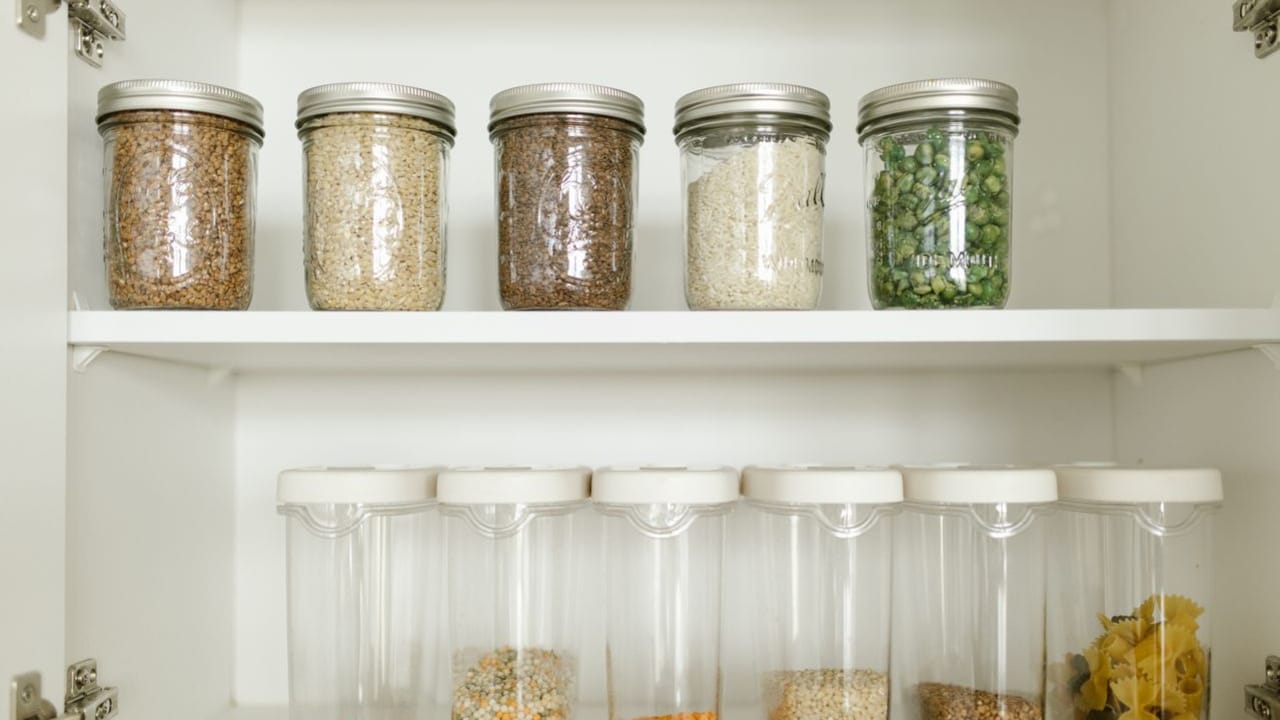
How to choose the right container for different pantry staples
Photo Credit: Pexels
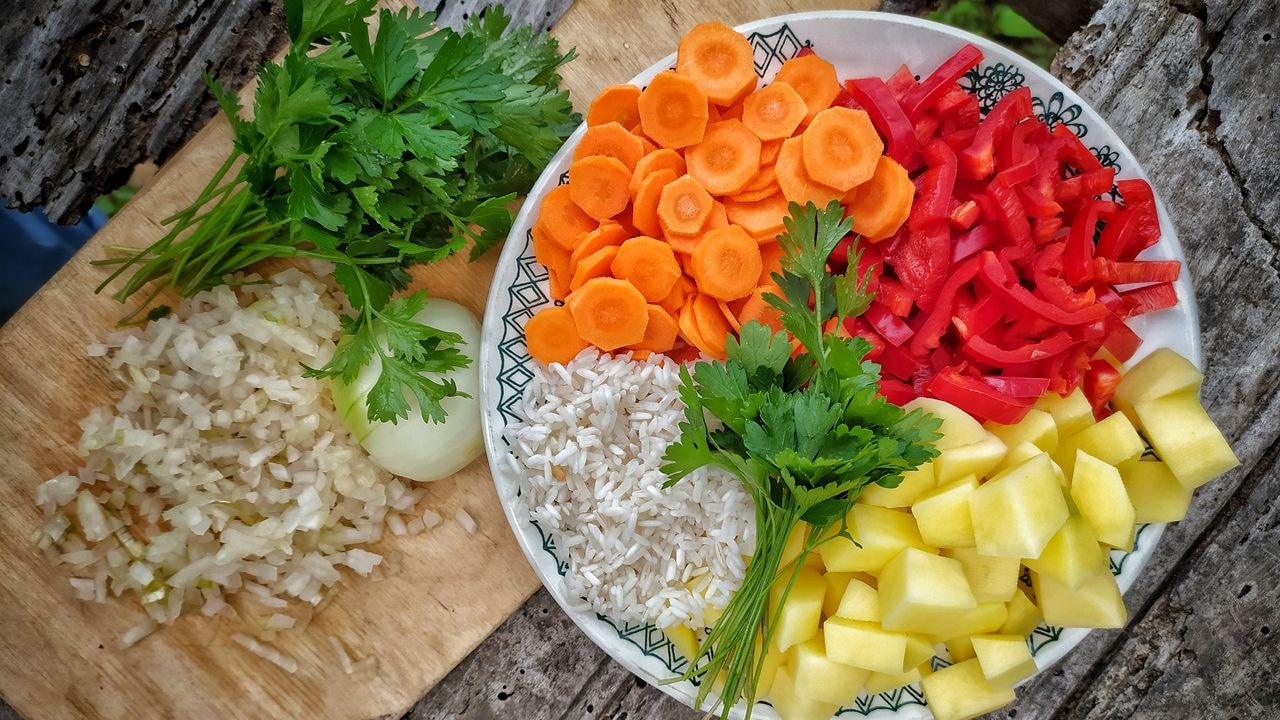
Dry pantry staples like rice, sugar, and spices are considered shelf-stable foods, meaning they can be stored at room temperature. However, exposure to dampness can affect dry foods and may lead to mould growth. Thus arises an important question: Which container type and size should be used for each pantry staple?
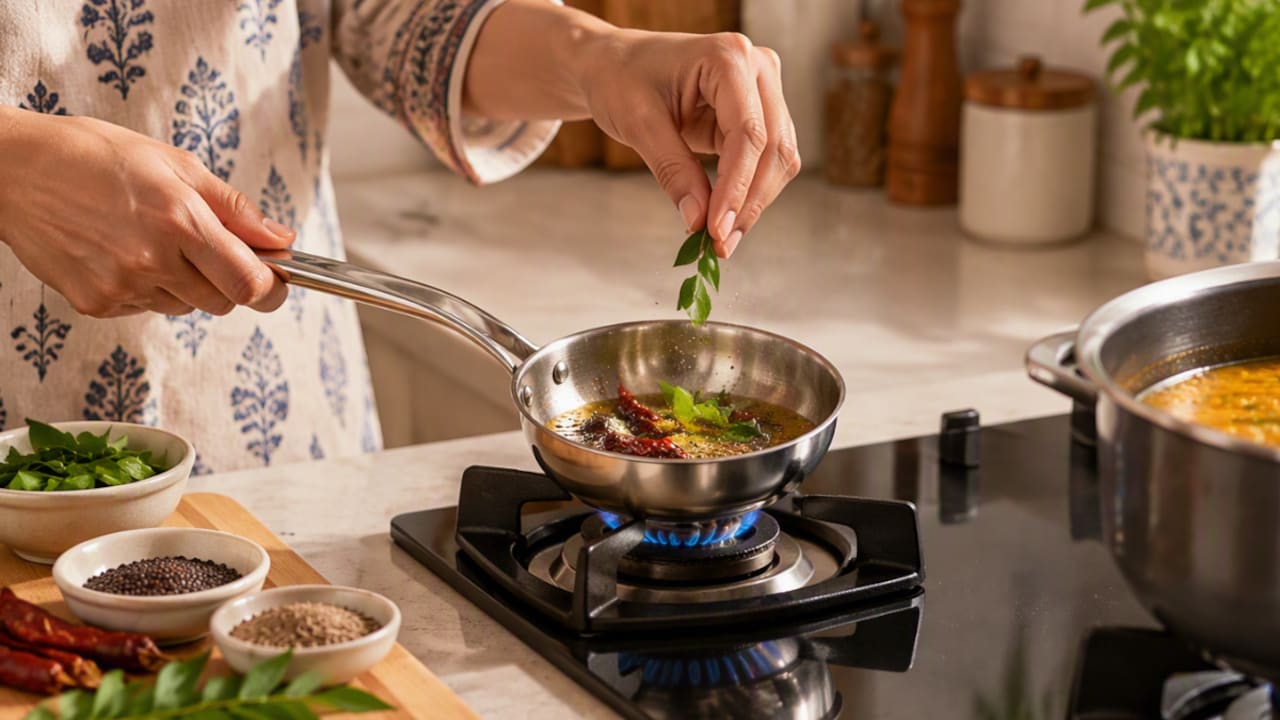
Also Read: Upgrade Your Tempering Game: Explore Tadka Pans With Induction Base
Which Container Type And Size Works Best For Pantry Staples
Using a matching set of containers can add an aesthetic touch to the kitchen. However, it may not always help create an efficient pantry space. For instance, everyday spices don't need the same storage capacity as rice, flour, or sugar.
1. Flour And Rice
Flour and rice are among the most commonly used staples in everyday cooking routines. Thus, it's best to store them in large plastic or stainless steel containers made of food-grade materials and airtight lids. Clear containers also make it easier to keep track of the remaining quantity easily. While the size depends on individual cooking habits, choosing a container that can accommodate regular pack sizes can help reduce frequent refilling.
Apart from this, it's also important to choose containers with a wide mouth. This makes it easier to insert and remove a measuring cup without spilling the contents.
2. Lentils
Lentils hold a special place in Indian kitchens in their various forms. From whole black urad dal for dal makhni to moong dal for khichdi, every variety brings comfort, nourishment, and a unique taste. 1-2 litre containers made of BPA-free plastic or food-grade stainless steel are best choices to store lentils. These containers should be easy to stack and close securely to help protect the contents inside from moisture.
3. Spices
Spices are the heart and soul of Indian recipes. From fragrant cumin seeds to Kashmiri lal mirch for vibrant colour and salt for basic seasoning, every spice brings its own unique flavour. However, spices are also the perfect example of why a one-size-fits-all system cannot work in Indian kitchens.
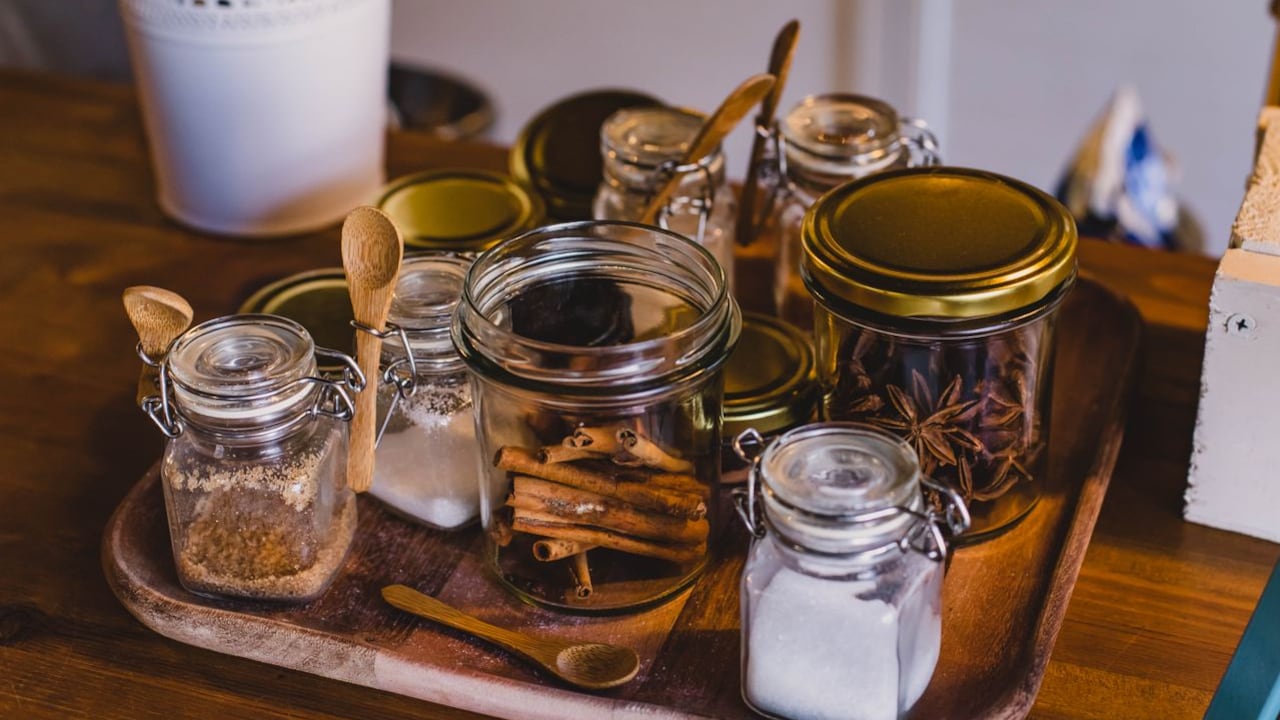
For spices, glass jars are a practical choice, particularly when you want the contents to remain visible. Stainless steel containers are opaque and offer great storage when visibility is not a priority. Despite the material, it's important to store spice containers in a cool, dry place.
For spices used every day, small-sized 250ml containers are generally more practical than large containers that occupy unnecessary space in the spice cabinet. Additionally, it's best to store spices depending on the frequency of usage and opt for stackable containers to utilise vertical space.
4. Pasta And Noodles
Pasta and noodles are widely loved in Indian households. But storing them wisely involves considering the shape as much as the volume. For instance, small varieties such as macaroni and penne are easier to store in medium or large containers.
However, long pasta shapes and noodles are better suited to tall, cyclindrical containers that can accommodate them without bending or breaking. Borosilicate glass and BPA-free plastic containers can offer protection for dry pasta once the packets have been opened.
5. Cereals
Lightweight, durable, and BPA-free containers can be practical choices for storing cereals. Rectangular and square shapes help make efficient use of cabinet space, while additional features like a pouring spout can make it easier to dispense the required quantity. A 1-2.5 litre container offers ideal storage space to fit standard boxes easily.
6. Dry Fruits And Nuts
Dry fruits and nuts are another popular staple in Indian households. Although they may occupy less pantry space than rice and flour, half-open packets can easily make any well-organised kitchen look messy and cluttered.
Small to medium-sized glass or stainless steel containers can be an ideal choice for storing dry fruits and nuts. These materials do not affect the flavour or aroma of ingredients and help ensure long lasting freshness.
Glass, Plastic Or Steel: Which Container Material Works Best?
Size undoubtedly plays an important role in selecting kitchen storage containers. However, the type of material chosen also determines how practical a container is for everyday use. Glass, plastic, and stainless steel are popular choices, with each option offering distinct benefits.
| Parameter | Glass Containers | Stainless Steel Containers | Plastic Containers |
|---|---|---|---|
| Visibility | Transparent | Opaque and needs labelling | Transparent or transluscent design |
| Weight | Heavier and requires careful handling | Lightweight and ideal for daily use | Lightweight and suitable for daily use |
| Durability | Prone to breakage | Durable, but can develop scratches with use | Durable construction |
| Odour | Non-porous, resistant to odours | Non-porous | May develop a foul odour |
A well-planned pantry isn't simply one filled with aesthetic, matching jars. Instead, it's one that strikes the right balance between efficiency and aesthetics. While large containers may be more practical for staples such as flour and rice, smaller containers are better suited to everyday spices. Compare different options and choose sizes that suit your storage requirements and buying habits. Look for sturdy construction and secure lids to protect dry staples from moisture and keep the pantry organised.
Frequently Asked Questions (FAQs)
1. What are the different types of storage containers for kitchen?
Kitchen storage containers come in various materials, such as plastic, glass, and stainless steel.
2. What are the common sizes in kitchen storage containers?
Common sizes for kitchen storage containers range from small (200ml to 500ml) containers, medium (1l - 2l) containers, and large (3l - 7l) containers.
3. Which is the best container to store rice?
Stainless steel or plastic containers with a secure lid are a practical choice for storing rice and protecting it from moisture and pests.
4. How to clean kitchen containers?
The best way to clean kitchen containers is to use warm soapy water and a soft sponge to gently scrub and remove residue. Next, always wipe the containers dry before refilling to prevent damage from moisture.
5. What is the best way to organise kitchen containers?
An ideal way of storing kitchen organisers is to keep everyday staples in the front and within easy reach. Stackable designs also help make better use of pantry space.
(Disclaimer: This article may include references to or features of products and services made available through affiliate marketing campaigns. NDTV Convergence Limited (“NDTV”) strives to maintain editorial independence while participating in such campaigns. NDTV does not assume responsibility for the performance or claims of any featured products or services.)