Diyas Vs Fairy Lights: Which To Choose For Diwali
Not sure whether to pick diyas or fairy lights this Diwali? Try these simple tips to light up your doorway, balcony, and rooms safely and beautifully this year.
How to choose between diya vs fairy lights for Diwali
The beauty of Diwali evenings is different when the homes begin to light up. You will witness rows of diyas at the doorsteps, strings of lights at the balconies, and people walking out to gaze. Well, you want your home to look just as wonderful. Deciding between the two can be a little perplexing. Diyas are gorgeous, but the wind may snuff them out in seconds. Fairy lights are still dazzling, yet can seem bland.
Begin With What Makes Them Different
Photo Credit: iStock
You don't need a huge budget for these decorations. Most of the work may be done with a few clay diyas and one string of lights, if placed in the appropriate positions. So if you have a modest balcony or a front porch, you don't have to worry about a thing. This post will give you some easy methods to help you decide, without making Diwali decor feel like a chore.
Also Read: LED Strip vs Fairy Lights: Which Is Better For Festive Decor
Begin With What Makes Them Different
Don't run out and buy something before you know what each one does best. Knowing which duty belongs to the flame and which belongs to the lights makes it so much easier to decorate.
1. Select Diyas For The True Flame
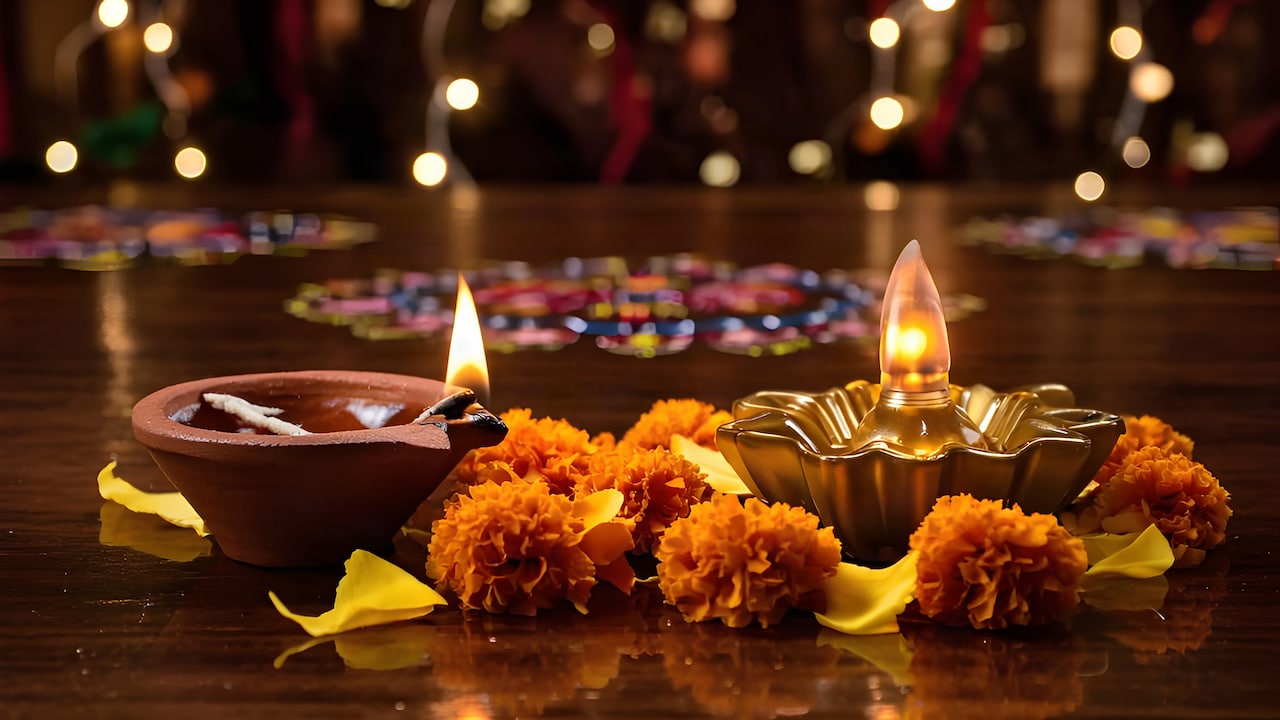
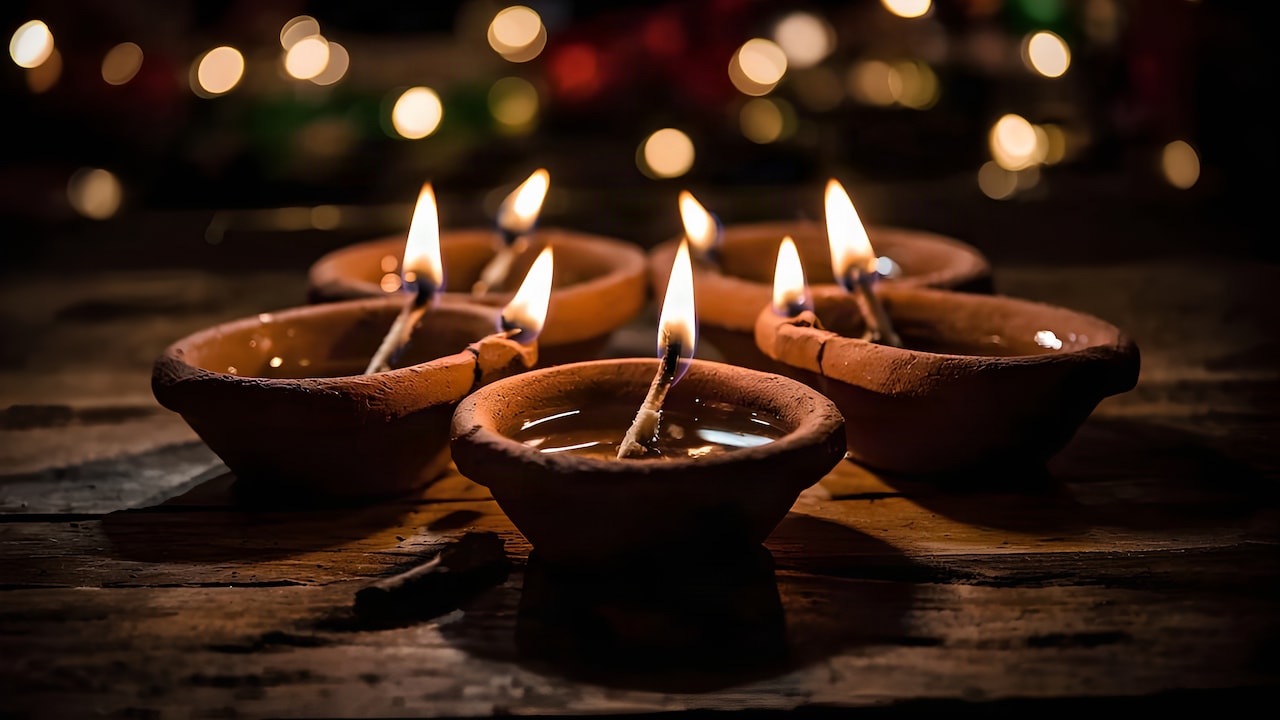
A diya is a little clay cup that retains a flame, flickering quietly and giving off the smell of ghee or oil. That smell and that movement are what make puja feel like puja.
No string of LEDs can rival that during Lakshmi puja; therefore, save at least a few actual diyas for the rite itself. They burn for an hour or two, but that is part of their attractiveness.
2. Choose Fairy Lights That Glow Consistently
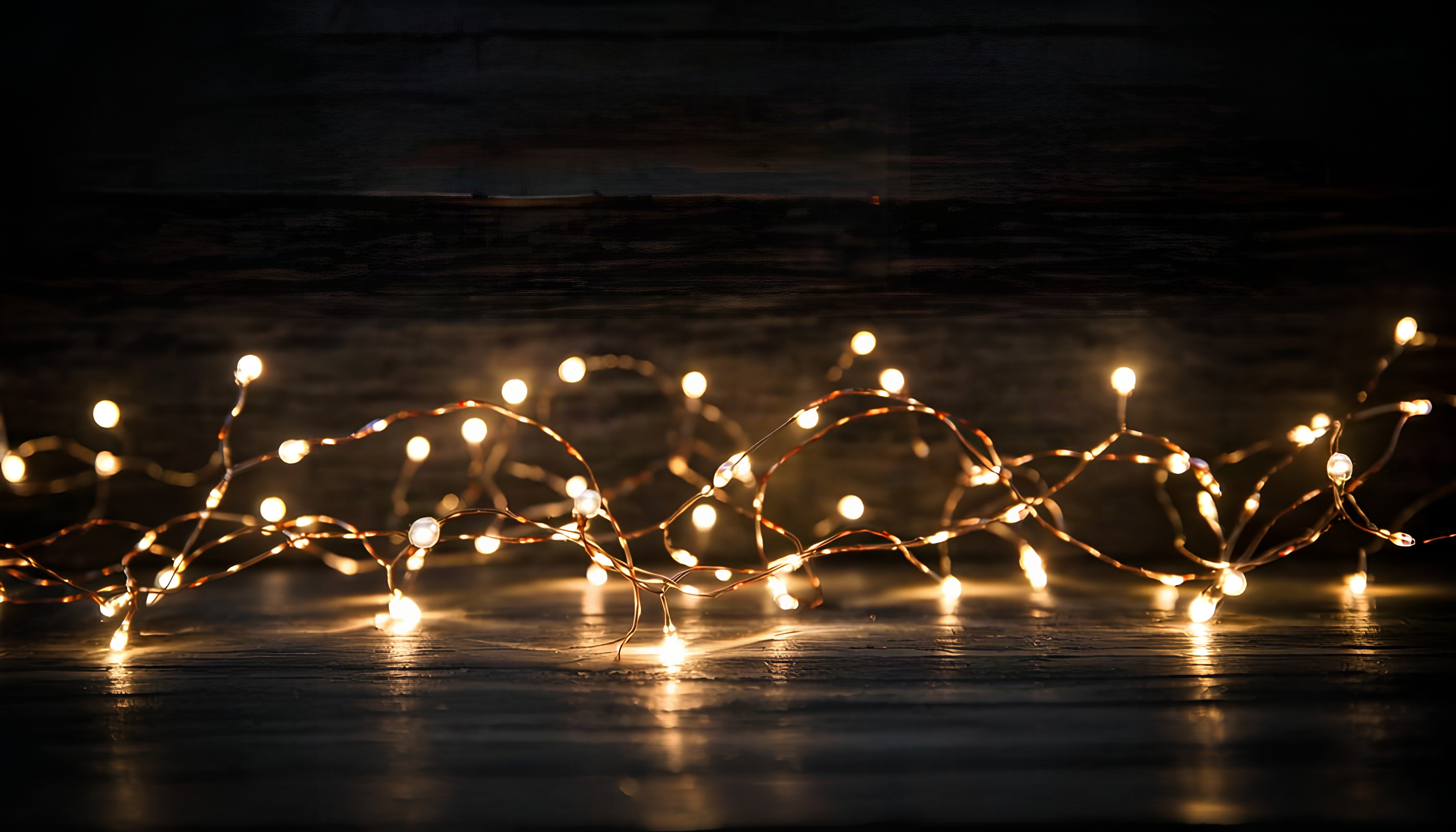
Fairy lights are the antithesis of a diya: you plug them in once and they stay on all night. They live effortlessly, with no oil to top up and no wick to trim.
They are much more effective than flames. The light is constant and even; it gets to places that a flame cannot reach, including window frames, railings, and the top of a door.
Use Diyas Where They Will Look the Best
Diyas are preferably placed next to the puja and close to the floor. Just shifting them a bit can improve the total display quite a lot.
1. Line Diyas Along The Main Door
Having a row of diyas beside the entryway is one of the oldest ways to welcome guests. And people slow down when they see that warm, moving light. The whole doorway seems friendlier.
Put the row on a shallow dish, or the oil will pour onto your doormat. A plain clay diya also retains heat well, so soak new ones in water for an hour before use, and they'll burn longer.
2. Flame The Rangoli
A rangoli may look a little flat in daylight, but at night it comes to life. The colours seem to move when you place a diya at each corner, which is the exact impression you seek. Keep a space of about the width of your hand between the flame and the powder. Hot clay can quickly degrade brilliant colours, so keep the diyas a little away from the pattern.
Use Fairy Lights Where Fires Can't Go
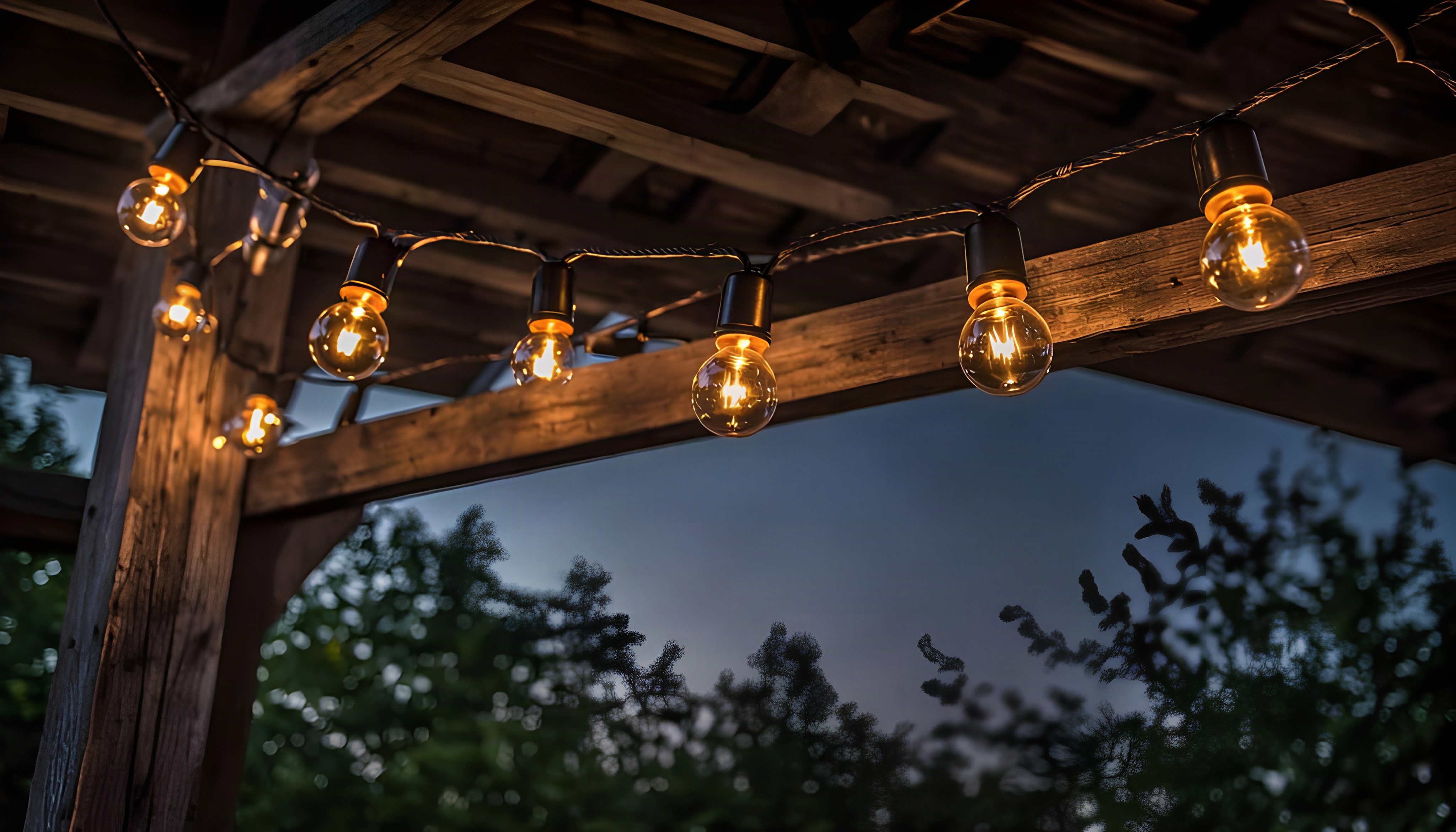
Fairy lights are ideal where a flame isn't possible. They handle height, wind, and long hours without anyone having to watch them.
1. Cover The Railing Of The Balcony
Hence the lights, because wind can extinguish diyas on a balcony in minutes. A copper strand goes on, and those walking in the street below can see it plainly. Go for a waterproof plug-in strand, because rain can appear without warning in late October. Warm white is closest to the hue of a flame, while multicolour looks livelier against dark paint or brick.
2. Design Your Windows and Doors
A basic wall might look festive from outside with the glow around a window. It also continues to work long after the last diya has gone out. You can also put up a curtain of lights behind the puja corner. It is incredibly inexpensive, and it sets the mood before you burn a single flame. Pick a string with a dimmer so it doesn't ruin the quiet.
Keep Children Safe Around Cords
Open flames and eager youngsters don't go together, and that's the one rule worth obeying every year. A few minor behaviours can help keep the evening stress-free.
1. Use Lights Around Children's Play Areas
Low LED strands mean you get the same festive look without the worry of burns. That's why most families have lights in the entryway and the living room and reserve the flames for one tray near the door. That said, you don't have to give up using diyas altogether. Place the tray on a high table away from drapes and keep it where an adult can see it.
2. Inspect Cords And Plugs Before Hanging
Tape the cords flat to the wall so no one trips on them. Do not put plugs where they can get into water or spilt oil. A mixture of the two can cause significant trouble. And examine each strand for exposed wire before hanging it, as last year's lights tend to fray in storage. If a strand appears damaged, it's preferable to replace it rather than risk it.
A Few Diya And Fairy Light Items You May Like
Photo Credit: iStock
A Few Diya And Fairy Light Items You May Like
1. Saudeep India Pack Of 21 Traditional Handmade Terracotta Clay Painted Diyas
2. Kraftskala Clay Diya for Diwali Decoration Set of 24 Earthen Oil Lamps
3. Gwan Natural Clay Traditional Diwali Ke Diye Earthen Clay Diye Set Of 24
4. Hem Aradhana Pure Cow Ghee Diya With Batti Pack Of 100
5. One94Store 20-Meter 56 LED Serial String Lights Plug-In Waterproof Copper Wire
6. VELOCIOUS 10-Metre 36 LED Warm White Fairy String Lights
7. DesiDiya 35 Feet Long LED Power Pixel Serial String Light
8. Gesto 25-Metre LED String Lights Multicolour Fairy Lights With 8 Mode Changer
Common Questions FAQS
1. Can I use diyas in open air?
No, not in a windy place. Fairy lights can blow the flame out or push it onto neighbouring cloth if you're using them outside, so use fairy lights instead.
2. How much time does a clay diya last?
Depending on the size of the wick, it will burn for around one to two hours. First, soak the clay in water, and you get a little extra time.
3. Are fairy lights safe to leave on all night?
Most LED strings are fine: they run cool and require very little power. But turn them off when you leave the house or go to bed.
4. What hue fairy lights are appropriate for Diwali?
Warm white is closest to a diya flame, so it's a good choice. Multicolour is livelier and looks fantastic on a balcony but can feel cluttered inside.
5. Can I use diyas with fairy lights?
Yes, and most households should. Keep cables away from all flames, and leave a clean space around each diya so nothing catches.
(Disclaimer: This article may include references to or features of products and services made available through affiliate marketing campaigns. NDTV Convergence Limited (“NDTV”) strives to maintain editorial independence while participating in such campaigns. NDTV does not assume responsibility for the performance or claims of any featured products or services.)