Do Blackout Curtains Guarantee A Fully Dark Room? 10 Light-Blocking Myths Explained
Blackout curtains can dramatically darken a bedroom, but fabric alone cannot guarantee complete darkness. From curtain gaps and window placement to colour and lining, here are 10 common light-blocking myths worth clearing up.
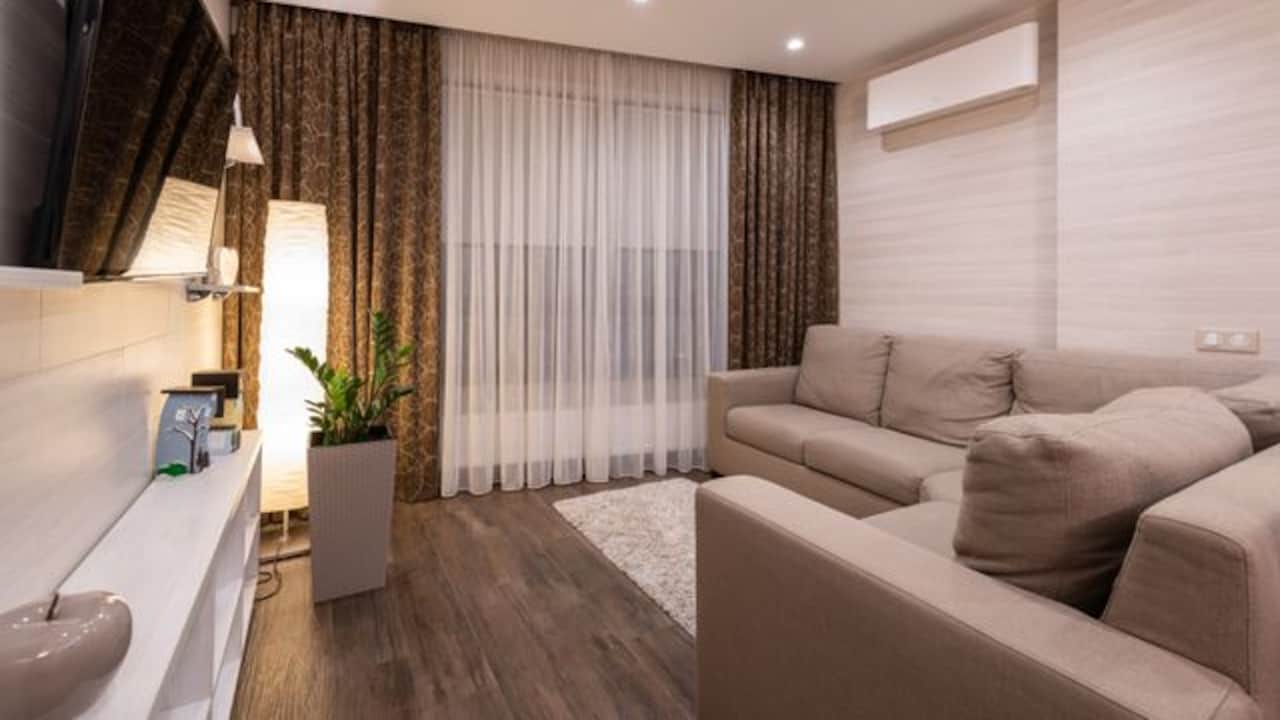
Things to know about blackout curtains before installing them in your home
Blackout curtains sound wonderfully straightforward. Hang them up, pull them shut and suddenly your bedroom should resemble a cinema before the trailers begin. Except that anyone who has tried sleeping past sunrise knows the reality can look rather different. A narrow beam sneaks through the middle. Light glows around the curtain rod. The bottom edge seems determined to announce that morning has arrived.

How well do blackout curtains work to block light
Photo Credit: Unsplash
That doesn't necessarily mean the curtains are poor quality. Creating a genuinely dark room involves more than choosing fabric labelled “blackout”. Window dimensions, curtain width, installation height, lining, wall colour and even where a streetlight sits outside can change the result.
Also Read: From Basic To Five-Star: Explore 5 Bed Furnishings For Better Sleep
This matters beyond weekend lie-ins. Darker rooms can make daytime naps more comfortable, reduce television glare and help shift workers control their sleeping environment. They can also make nurseries, bedrooms and home-theatre spaces feel calmer.
So, before replacing perfectly good curtains because a sliver of sunlight escaped around one corner, it helps to separate what blackout curtains actually do from what clever marketing sometimes makes them sound capable of doing.
What Blackout Curtains Can And Cannot Do
1. Myth: Blackout Curtains Automatically Make A Room Completely Dark
The word “blackout” creates an understandable expectation: no light whatsoever. Yet blackout curtains mainly describe a fabric's ability to prevent significant amounts of light from passing directly through it. They cannot automatically seal every possible route through which light enters a room.
Imagine covering the centre of a window perfectly while leaving a few centimetres exposed along both sides. The curtain fabric may block light brilliantly, but those uncovered strips still glow. The same thing happens around the curtain rod, between two panels and underneath curtains that finish just above the floor.
Room darkness therefore depends on the entire window treatment, not simply the material hanging in front of the glass.
A properly installed blackout setup can make a room dramatically darker. Complete darkness, however, usually requires controlling gaps as carefully as the fabric itself.
That distinction explains why two homes using similar blackout curtains can produce completely different results. One room feels almost pitch-black at noon; another still has bright outlines around the window.
2. Myth: Thicker Curtains Always Block More Light
It seems logical that heavier fabric should mean better darkness. Sometimes it does, but thickness alone tells us surprisingly little about how effectively a curtain blocks light.
A bulky woven curtain can still contain tiny spaces between fibres. Hold it against strong daylight and light may filter through. Meanwhile, a comparatively slim curtain with a specialised blackout coating or tightly constructed lining may stop substantially more light.
Construction matters more than simply how heavy the curtain feels in your hand.
Many blackout curtains use multiple layers. The decorative outer fabric handles appearance, while a dense backing or coated layer does most of the serious light-blocking work. Thermal curtains may also contain insulating layers designed primarily for temperature control rather than total darkness.
So, squeezing fabric between your fingers in a shop isn't a reliable blackout test.
If possible, hold a sample against a bright light source. That simple check often reveals more than fabric weight, luxurious texture or impressive-sounding descriptions ever will.
3. Myth: Dark-Coloured Curtains Block More Light Than Light-Coloured Ones
Black curtains look as though they should defeat sunlight more effectively than cream, beige or pale grey curtains. Visually, the assumption makes sense. Technically, colour isn't always the deciding factor.
A light-coloured curtain with an effective blackout backing can outperform a dark decorative curtain that lacks proper lining. The internal construction determines how much light passes through the material.
Colour does influence what happens inside the room, though. Dark fabrics tend to absorb more visible light, while pale surfaces reflect more of it. That can change how bright a small amount of leaked light appears once it enters.
Still, choosing charcoal curtains purely because they look “more blackout” may unnecessarily limit your décor choices.
Someone furnishing a soft, neutral bedroom doesn't need to abandon ivory curtains for midnight black. Look for genuine light-blocking construction instead.
The good news is that modern blackout options come in plenty of lighter shades, so a darkened bedroom no longer needs to look permanently ready for a thunderstorm.
4. Myth: If Light Comes Around The Edges, The Curtains Are Faulty
Few things are more frustrating than buying blackout curtains and discovering a glowing border around the entire window. Yet that bright outline often points to an installation issue rather than defective curtains.
Light takes the easiest available route. If the curtain sits several centimetres away from the wall, sunlight can travel around its edges even when absolutely none passes through the fabric.
Curtain dimensions play a major role here. Panels that barely match the width of the window leave little room for overlap. Curtains should generally extend beyond the window frame so that light doesn't simply escape around either side.
Height matters too. A rod mounted directly above the window may leave a bright horizontal strip near the ceiling-facing edge. Hanging the curtains higher can reduce this problem.
For stubborn side gaps, wraparound curtain rods or tracks that position fabric closer to the wall can help.
Before blaming the material, stand inside the darkened room and identify exactly where the brightness originates. The answer often becomes obvious.
5. Myth: Curtains The Same Width As The Window Provide Enough Coverage
Matching curtain width exactly to window width sounds wonderfully tidy. Unfortunately, curtains rarely hang as a perfectly flat sheet.
Fabric needs fullness. Once curtains form folds, their effective horizontal coverage changes. Two panels whose combined width only just matches the window can stretch awkwardly when closed and leave troublesome gaps around the centre or edges.
Wider curtains provide enough extra material for the panels to overlap comfortably. They also create the gathered appearance most people expect from curtains rather than making them resemble fabric screens pulled under tension.
Extra width becomes particularly useful with blackout curtains because every opening matters.
Consider the centre seam. Even when both panels technically touch, movement from a ceiling fan, air conditioner or open door can separate them slightly. Suddenly, a bright vertical stripe appears exactly where you don't want it.
Generous overlap gives the setup a margin for error. It improves both appearance and light control without requiring complicated additions.
When darkness matters, curtain width should exceed the bare measurement of the glass.
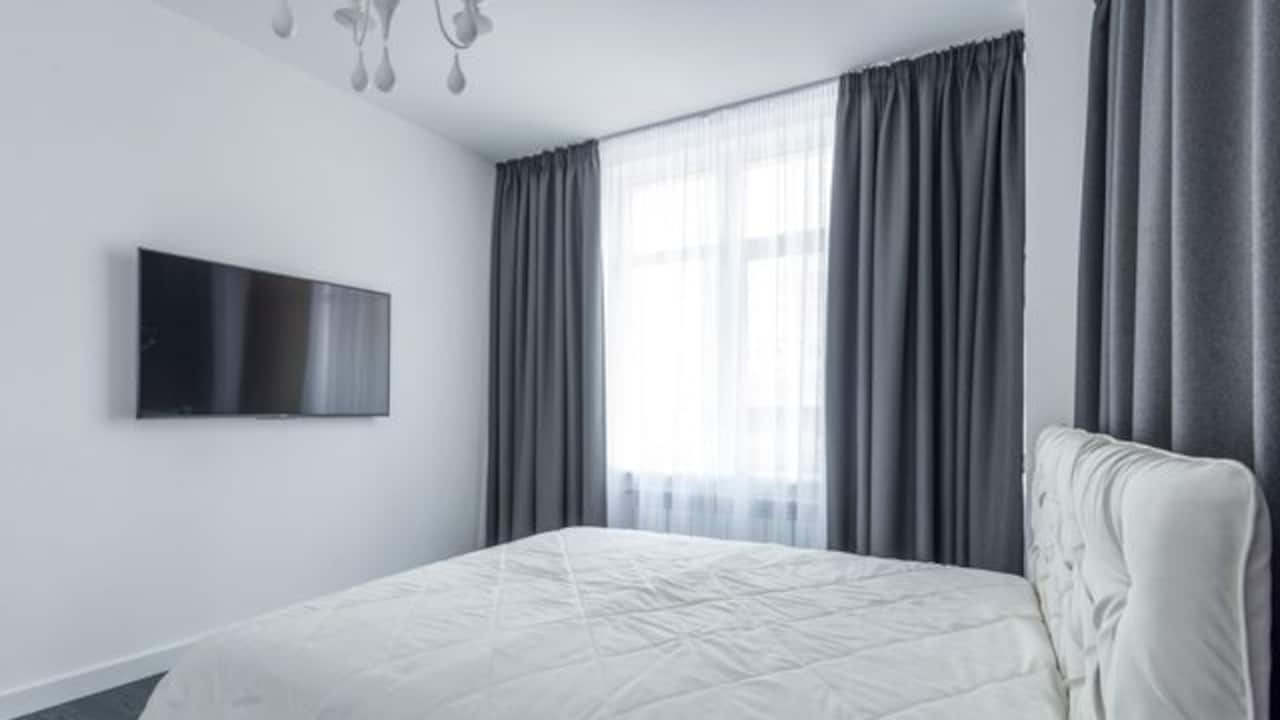
Matching the width of curtains to your windows may not give the best results
Photo Credit: Pexels
6. Myth: Floor-Length Curtains Always Stop Light From Entering Below
Floor-length curtains certainly sound long enough. Yet the phrase itself doesn't guarantee that the lower edge actually seals the window effectively.
A curtain that stops one or two centimetres above the floor may still allow light to travel underneath, particularly when sunlight strikes the window at a low angle. In an otherwise dark bedroom, even this narrow glow can look surprisingly bright.
Window design matters too. A sill may project from the wall, preventing the curtain from hanging close to the window. Air movement can also push lighter panels forwards and create temporary openings.
This doesn't mean curtains need to pool dramatically across the floor. That style collects dust and doesn't suit every household. Instead, accurate measurement matters.
For windows that finish well above floor level, extending curtains beyond the bottom of the frame usually improves light control considerably.
Think of blackout coverage as creating a border around the entire window. The more generous that border becomes, the fewer convenient escape routes daylight can find.
7. Myth: One Blackout Curtain Layer Is Always Enough
A good blackout curtain may be perfectly adequate for everyday bedrooms. But rooms requiring exceptionally strong light control can benefit from layers.
Consider someone who works nights and needs to sleep through a bright afternoon. Even small gaps that barely register during an ordinary morning can become irritating when the goal is near-total darkness.
Layering tackles different weaknesses at once.
A blackout roller blind positioned close to the glass can reduce direct light first. Curtains installed outside the window frame then cover gaps around the blind and soften whatever light remains.
The reverse approach works too. Existing decorative curtains can gain stronger light control through separate blackout liners rather than complete replacement.
This layered method also offers flexibility. During cooler, cloudy weather, one layer may be enough. During an intensely sunny afternoon, both can be closed.
The aim isn't to turn every bedroom into a sealed bunker. It's simply worth recognising that curtains form one part of a system. When one layer cannot handle every gap, another can quietly finish the job.
8. Myth: Blackout Curtains Work The Same On Every Window
A small recessed bedroom window and a huge sliding glass door create very different light-control challenges. Using identical curtain strategies for both can lead to disappointment.
Window position is especially important. A deep recess naturally shields some side light. A window sitting almost flush with the wall gives sunlight more opportunity to spread around curtain edges.
Orientation changes things too. Some windows receive intense direct sunlight during particular parts of the day, making even tiny gaps highly visible. Others mainly receive softer, indirect daylight.
Then there is the shape itself. Bay windows, corner windows, French doors and unusually wide windows often require more thoughtful curtain tracks or multiple panels.
Nearby reflective surfaces can add another complication. Pale tiles, mirrors or glossy furniture can bounce escaped light deeper into the room and make it appear brighter.
So, a curtain that creates excellent darkness in one bedroom may perform differently elsewhere.
Treat the window as part of the problem. Measuring its shape, surrounding wall space and likely light direction produces better results than simply buying the same curtain for every room.
9. Myth: Blackout Curtains Stop All Heat As Well As Light
Light blocking and heat control often appear together in product descriptions, which makes them easy to confuse. They are related, but they aren't identical.
A curtain that blocks sunlight can reduce some solar heat entering a room because direct rays no longer reach furniture and flooring as easily. Multiple fabric layers can also provide some insulation around windows.
However, blackout fabric doesn't magically turn ordinary glass into a high-performance thermal barrier.
Heat can still move through glass, window frames and gaps. A room facing strong afternoon sun may remain warm even when the curtains keep it pleasantly dark.
Thermal performance depends on factors such as curtain construction, lining, how closely the fabric sits against the window and whether air can circulate behind it.
So, blackout curtains can contribute to a more comfortable room, but expecting them to replace ventilation, shading or cooling will probably lead to disappointment.
Choose them first for light control. Treat any useful reduction in heat gain as an additional benefit rather than proof that darkness and insulation mean exactly the same thing.
10. Myth: Once Blackout Curtains Are Installed, Nothing Else Affects Room Darkness
After dealing with the window, you might reasonably expect the darkness mission to be complete. Then a glowing digital clock, charging indicator or light under the bedroom door ruins the effect.
Windows are usually the biggest source of daylight, but they aren't the only source of illumination.
Light from corridors can slip beneath doors. Air-conditioning units, televisions, extension boards and chargers may have surprisingly bright LEDs. Glass panels in doors can introduce light from neighbouring rooms.
Even wall colour changes perception. Pale walls reflect whatever small amount of light enters, spreading it around the room. Darker surfaces absorb more, making the same space appear dimmer.
Streetlights create another challenge at night. A window that seems perfectly dark during the day may reveal gaps once a lamp outside shines directly towards it.
For people who need stronger darkness, identifying these secondary sources can make a bigger difference than repeatedly upgrading curtain fabric.
Blackout curtains solve an important part of the puzzle. A truly dark room comes from controlling the whole environment rather than expecting one household product to do everything.
Products Related To This Article
1. Story@Home 100% True Blackout Door Curtains 7 Feet Long Set of 2
2. HOMEMONDE 100% True Blackout Curtains 7 Feet Door
3. LINENWALAS 100% True Blackout Door Curtains 7 Feet Long Set of 2
4. IVAZA Living Room Bedroom Room Darkening Thermal Insulated Polyester Solid Blackout Curtain Noise Reducation
5. Cloth Fusion Printed 100% Blackout Door Curtains 7 Feet Long Set of 2
6. Wakefit Solid Blackout Door Curtains 7 Feet | Set of 2
7. BFAM Floral Print 100% Blackout Curtain with Black Linning at Back
8. Urban Space 100% True Blackout Curtains for Door
Blackout curtains can transform a bright bedroom, but they don't possess supernatural powers. Fabric quality matters, yet installation, overlap, window shape and surrounding light sources matter just as much. Before replacing curtains that appear to “fail”, check where the light actually enters. Often, a wider panel, better-positioned rod or extra layer solves the problem. The darkest rooms come from good curtains combined with thoughtful coverage, not from a label alone.
(Disclaimer: This article may include references to or features of products and services made available through affiliate marketing campaigns. NDTV Convergence Limited (“NDTV”) strives to maintain editorial independence while participating in such campaigns. NDTV does not assume responsibility for the performance or claims of any featured products or services.)