Does Fabric Softener Keep Towels Soft? 10 Laundry Myths That Can Make Them Less Absorbent
Fabric softener can make towels feel smooth while quietly reducing absorbency. Discover 10 common laundry myths that can leave towels stiff, coated and less effective, plus simple habits that help keep them soft and absorbent.
Does Fabric Softener Keep Towels Soft? 10 Laundry Myths That Can Make Them Less Absorbent
There is something oddly disappointing about reaching for a freshly washed towel and finding that it feels stiff, slippery or strangely unwilling to absorb water. It smells clean. It looks clean. It has just completed an impressive tour of the washing machine. Yet somehow, it behaves more like a bedsheet than a towel. The problem may not be the towel at all. Laundry habits often build up over years through family advice, product advertising and those mysterious household rules nobody remembers starting. More detergent must mean cleaner clothes. Fabric softener must make towels better because “soft” sits right there in the name. Hot water must kill every possible germ. It all sounds perfectly sensible until the towel fibres start protesting.
Does Fabric Softener Keep Towels Soft? 10 Laundry Myths That Can Make Them Less Absorbent
Photo Credit: Pexels
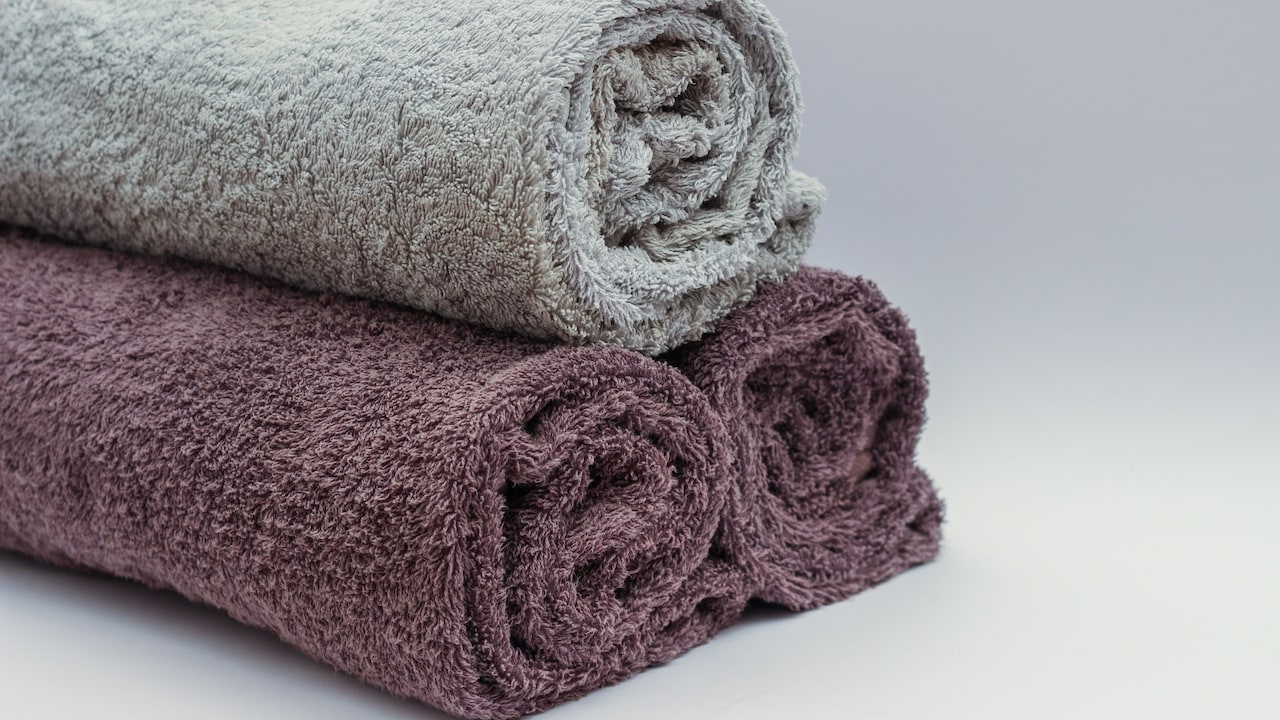
Towels need a slightly different kind of care from everyday clothing. Their tiny loops must remain open and free from residue so they can pull moisture away from the skin. Products and washing methods that coat, crush or clog those fibres can leave even premium towels performing poorly.
Before replacing an entire bathroom shelf of towels, it may be worth challenging a few laundry myths first.
10 Laundry Myths That Could Be Ruining Your Towels
1. Fabric Softener Always Makes Towels Softer
Fabric softener sounds like the obvious answer to rough towels, but the name can be misleading. Most liquid softeners work by coating fibres with lubricating ingredients that make fabrics feel smoother. That coating may create a pleasant first touch, yet it can also interfere with the towel's ability to absorb water.
Think of towel fibres as thousands of tiny hands reaching for moisture. Coat those hands regularly, and their grip becomes weaker. Over time, towels may feel silky while leaving more water behind on the skin.
Occasional use may not destroy a towel, but adding softener to every wash can encourage residue build-up. Thick bath towels and highly absorbent cotton varieties can show the effect particularly quickly.
For naturally softer results, proper rinsing and sensible drying usually matter more. Give towels enough room to move in the drum, avoid excessive detergent and shake them before hanging them out to dry. A breezy balcony on a warm afternoon can do more for towel texture than another capful of fragranced softener.
The irony is rather satisfying: sometimes the best way to keep towels soft is to use less “softening”.
2. More Detergent Means Cleaner Towels
A heavily used towel can inspire a generous hand with detergent. After all, more soap should mean more cleaning power. Unfortunately, washing machines do not work like a plate of greasy pakoras that simply needs another squirt of washing liquid.
Too much detergent can become difficult to rinse away, particularly in machines using relatively little water. Residue then settles between the towel fibres, making them feel stiff and reducing their ability to soak up moisture.
The problem can become more noticeable in hard-water areas, where minerals and detergent can combine into stubborn deposits. Towels may eventually develop that familiar “clean but somehow crunchy” personality.
Follow the detergent quantity recommended for the load size, machine type and water conditions rather than filling the cap out of habit. Concentrated detergents deserve particular attention because a surprisingly small amount may already be enough.
If towels regularly emerge slippery, unusually stiff or heavily scented, detergent residue could be responsible. An additional rinse cycle can help in some cases.
Clean laundry does not need to smell as though the detergent aisle has moved permanently into the bathroom. Freshness is about removing soil and residue, not drowning fabric in fragrance.
3. Hotter Water Always Cleans Towels Better
Hot water enjoys a heroic reputation in household cleaning. It feels powerful, serious and capable of dealing with everything from sweat to suspicious bathroom smells. Yet hotter is not automatically better for every towel or every wash.
Repeated washing at unnecessarily high temperatures can stress fibres, fade colours and shorten the life of some towels. Decorative borders, coloured cotton and blended materials may suffer particularly quickly.
Warm water, paired with a good detergent and suitable wash cycle, can handle many everyday towel loads perfectly well. The care label remains the best guide because fibre types and finishes differ.
There are occasions when a hotter wash may make sense, especially where hygiene needs require it and the manufacturer permits it. But turning the temperature dial upwards for every routine wash can become an expensive habit too, particularly if the machine heats its own water.
A towel does not need to feel as though it has survived a pressure-cooker test to become clean.
Choosing the right temperature protects the fabric while still removing body oils, everyday grime and odours effectively. Clean intelligently rather than aggressively, and towels usually remain comfortable for longer.
4. Towels Should Be Washed With Every Other Heavy Item
A half-empty laundry basket often tempts people into combining towels with jeans, bedsheets, sweatshirts and anything else that looks sturdy. It saves a wash cycle, but the towel may pay for that efficiency.
Heavy garments can rub against towel loops during washing. Zips, hooks and rough fabrics may snag the pile, while overcrowding prevents towels from tumbling freely. The result can be flattened fibres and poorer rinsing.
Towels also behave differently from many clothes because they absorb a remarkable amount of water. Add too many bulky items and the machine can struggle to move the load evenly.
Washing towels together, or with similarly suitable items, gives them space to release dirt and rinse properly. Avoid stuffing the drum until closing the door becomes a wrestling match worthy of prime-time television.
A practical rule is to leave enough room for laundry to move rather than packing every last hand towel into the machine.
Better circulation helps detergent reach the fabric and rinse away afterwards. It also reduces the chance of damp patches remaining trapped within a dense load.
One fewer item squeezed into the drum can sometimes mean one much better wash.
5. A Packed Washing Machine Saves Water And Money
Running fewer loads sounds economical, so filling the washing machine completely can feel responsible. There is only one problem: “full” and “overloaded” are not the same thing.
Towels become substantially heavier once soaked. When too many enter the drum together, they cannot move freely through the wash water. Detergent may fail to distribute properly, dirt may remain trapped and rinsing can become less effective.
That means the supposedly money-saving load may need another rinse or even another full wash. Suddenly, the clever shortcut looks less clever.
An overloaded machine can also leave towels tightly compressed. Their loops do not get the movement needed to loosen and lift, so the finished fabric may feel flatter and less absorbent.
A sensible load leaves visible space in the drum and follows the machine manufacturer's weight recommendations. Large bath sheets deserve more room than a collection of small hand towels.
There is no prize for fitting an entire household's weekend laundry into one heroic cycle.
Allowing towels enough room to tumble usually leads to cleaner fibres, better rinsing and more consistent drying. Sometimes efficiency means doing the job properly once rather than squeezing everything into one overloaded round.
6. Strong Fragrance Means The Towels Are Cleaner
Laundry fragrance has become almost inseparable from the idea of cleanliness. A towel that releases a cloud of perfume can feel reassuringly fresh, especially when cupboard storage or humid weather makes musty smells a concern.
But fragrance and cleanliness are not the same thing.
A strong scent may simply come from detergent, softener or laundry perfume left behind on the fabric. Excess residue can coat fibres and reduce absorbency, even while the towel smells magnificent.
Truly clean towels should have body oils, dirt and old product residue removed. They do not need to announce their arrival from the other end of the corridor.
If towels develop a persistent stale smell soon after washing, adding more fragranced products may only disguise the underlying problem. Damp storage, incomplete drying, detergent build-up or an unclean washing machine could be responsible.
Make sure towels dry completely before folding them. Clean the machine as recommended, including the detergent drawer and rubber seals where moisture can linger.
A freshly washed towel with a mild, neutral smell may actually be in better shape than one carrying enough perfume to compete with the dressing table.
Does Fabric Softener Keep Towels Soft? 10 Laundry Myths That Can Make Them Less Absorbent
Photo Credit: Pexels
7. Towels Should Dry Completely In Harsh Sun For Maximum Freshness
Sunlight can be brilliant for laundry. It is free, widely available and wonderfully effective at helping damp fabrics dry. Yet leaving towels to roast outdoors for hours after they are already dry can leave them stiff and rough.
Strong heat and prolonged exposure can draw every trace of moisture from the fibres. Coloured towels may also fade faster when repeatedly left under intense midday sun.
That familiar board-like texture after line drying does not necessarily mean the towel has been ruined. A quick shake before hanging, another shake after drying and a little movement can help loosen the loops.
Whenever possible, remove towels once they are properly dry rather than leaving them outside until evening simply because they went out after breakfast.
During monsoon weather or humid days, the opposite problem appears. Towels may remain damp for too long, creating the perfect setting for musty odours. Good airflow then becomes more important than sunshine alone.
Drying is a balancing act. Towels need to lose moisture fully, but they do not need to be baked into submission.
Fresh air helps. Scorching punishment is optional.
Also Read: Cotton, Microfibre Or Bamboo, Which Is The Best Towel For Your Skin?
8. Ironing Towels Makes Them Look And Feel Better
Few sights please a tidy linen cupboard quite like perfectly folded towels. Ironing them may seem like the final step towards hotel-level neatness, but it can work against absorbency.
A hot iron presses down the raised loops that give terry towels their fluffy texture. Those loops increase surface area and help the fabric collect water. Flatten them repeatedly and the towel may gradually feel smoother but perform less effectively.
There is also little practical benefit to ironing most everyday towels. Once wrapped around damp hair or used after a hurried morning shower, that pristine pressed finish disappears within minutes.
For a neater appearance, shake towels well after washing and smooth them before hanging or drying. Fold them once completely dry, and avoid cramming them into an overcrowded cupboard.
Good storage keeps towels presentable without crushing the pile.
The temptation to iron can be understandable when relatives are visiting and every cupboard suddenly needs to resemble a home décor catalogue. Still, towels deserve exemption from the ironing board.
Save the electricity, spare the fibres and enjoy the slightly fluffy edges. A towel's job is to absorb water, not stand to attention.
9. New Towels Are Already As Absorbent As They Will Ever Be
A brand-new towel can look irresistibly plush in the shop, yet the first shower sometimes brings an awkward surprise. Instead of soaking up water, it seems to glide over the skin.
That does not necessarily mean poor quality.
Some new towels contain finishes used during manufacturing to improve their appearance, softness or handling before sale. These treatments can temporarily reduce absorbency. Washing the towel before first use helps remove some surface residue and allows the fibres to open up.
Skip the fabric softener during those early washes. Adding another coating immediately can defeat the purpose.
New towels may become noticeably more absorbent after a few sensible wash-and-dry cycles. Always follow the care label, especially for speciality fibres, decorative towels or deeply coloured fabrics.
There is another good reason to wash new towels: they have travelled through manufacturing, packing, transport and store handling before reaching the bathroom.
That beautifully folded ₹800 bath towel may look ready for a luxury spa moment straight from the packet, but one proper wash first can make it both fresher and far more useful.
Sometimes towels simply need a little time to become themselves.
10. Rough Towels Always Need Replacing
When towels begin feeling stiff, many households assume their useful life has ended. Before turning them into floor cloths, however, check whether laundry residue is the real culprit.
Detergent, fabric softener, minerals from hard water and repeated inadequate rinsing can gradually cling to fibres. The towel becomes less fluffy, less absorbent and sometimes oddly waxy.
Changing the washing routine can often improve matters. Use the correct detergent amount, give towels enough room in the drum and consider an extra rinse when residue seems likely. Avoid automatically adding softener to every load.
Drying technique matters too. Shake towels firmly before hanging them so compressed fibres can loosen. When using a tumble dryer, follow the care label and avoid excessive heat.
Of course, towels do not last forever. Frayed edges, thinning fabric, torn loops and persistent odours despite proper washing can indicate genuine wear.
But roughness alone does not always justify a shopping trip.
Before spending ₹3,000 replacing an entire towel set, give the existing collection a few careful washes without the habits that may have caused the problem. A surprisingly respectable comeback may be hiding underneath all that residue.

Does Fabric Softener Keep Towels Soft? 10 Laundry Myths That Can Make Them Less Absorbent
Photo Credit: Pexels
Products Related To This Article
1. Rioware Bamboo laundry bag basket for clothes with lid toy storage organiser box
2. Mee Mee Baby Liquid Detergent 1 L
3. Large Laundry Basket, Woven Cotton Rope Rectangular Storage Basket for Clothes
4. Born Good Plant Based Japanese Cypress Fragrance Laundry Detergent
5. Happi Planet | Natural Laundry Liquid Detergent
6. Amazon Brand - Solimo Honey comb Laundry Basket
7. Ecosys 3-in-1 Dissolvable Magic Laundry Pods for 20 washes
Soft, absorbent towels depend less on fancy laundry products and more on leaving their fibres clean, open and free to do their job.
Fabric softener may make towels feel smooth at first, but repeated coatings can weaken absorbency. Excess detergent can create similar trouble, while overloaded machines, harsh drying and unnecessary ironing can flatten the loops that make towels effective in the first place.
The encouraging part is that towel care does not need an expensive shelf of specialist products. Often, it requires doing less: less detergent, less softener, less heat and less cramming into the washing machine.
Pay attention to care labels, allow towels enough room to wash and rinse, and dry them thoroughly without turning them into sun-dried cardboard.
A good towel should leave the bathroom feeling fresh rather than making the morning shower end with an argument against damp shoulders. Treat the fibres kindly, and even an ordinary everyday towel can stay soft, comfortable and absorbent for far longer.
(Disclaimer: This article may include references to or features of products and services made available through affiliate marketing campaigns. NDTV Convergence Limited (“NDTV”) strives to maintain editorial independence while participating in such campaigns. NDTV does not assume responsibility for the performance or claims of any featured products or services.)