10 Reasons Pillows Go Flat Within Months And How To Help Them Hold Their Shape
Pillows can lose their shape surprisingly fast. From moisture and poor washing habits to daily compression, discover 10 common reasons pillows go flat and simple ways to keep them fuller, supportive and comfortable for longer.
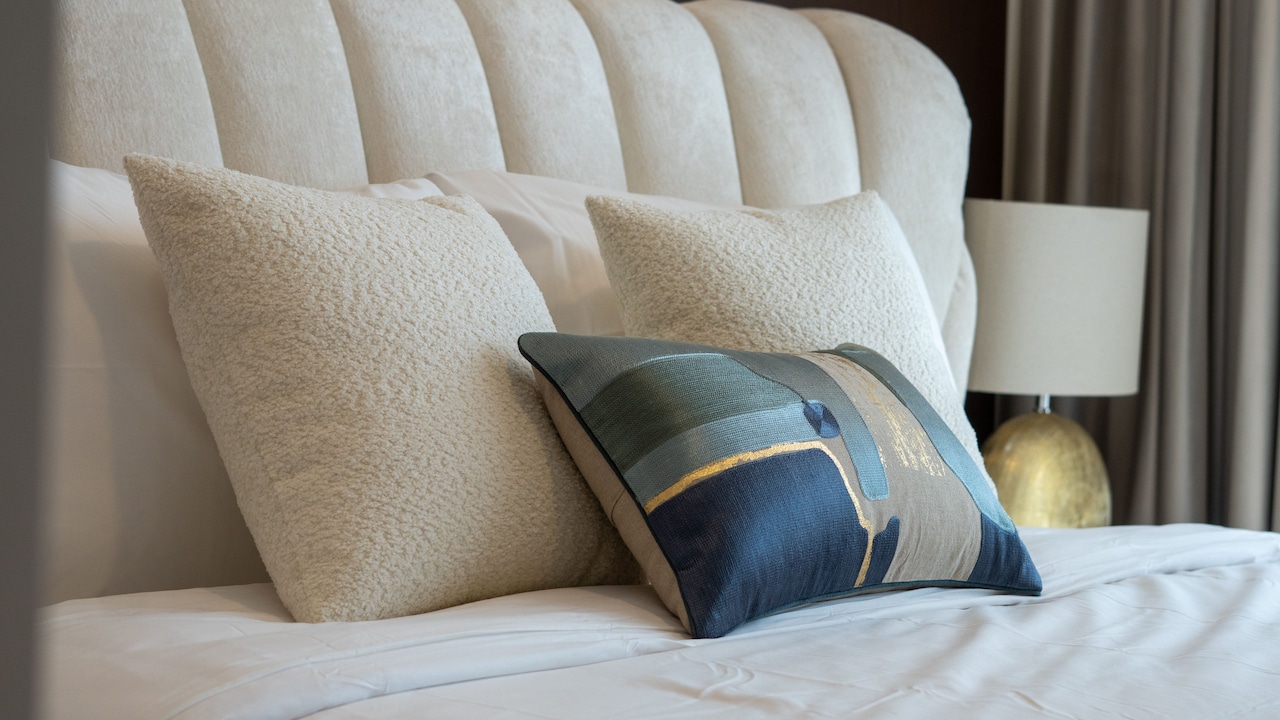
10 Reasons Your Pillows Go Flat So Quickly And How To Fix It
Few household disappointments feel quite as petty yet irritating as a pillow that gives up too soon. One month it feels cloud-like; a few months later, it has a permanent head-shaped crater in the middle. Fluffing helps for 5 minutes, then gravity appears to win again. A pillow does more than make a bed look finished. Its height and resilience affect how comfortably the head, neck, and shoulders rest through the night. Once the filling becomes compressed, clumped or uneven, the pillow can feel far less supportive. The problem does not always come down to poor quality. Everyday habits matter just as much. Sleeping in the same spot, going to bed with damp hair, washing a pillow incorrectly or squeezing it into a tight cover can gradually flatten even a decent one. Here are ten common reasons pillows lose their shape within months, along with practical ways to help them stay fuller for longer.
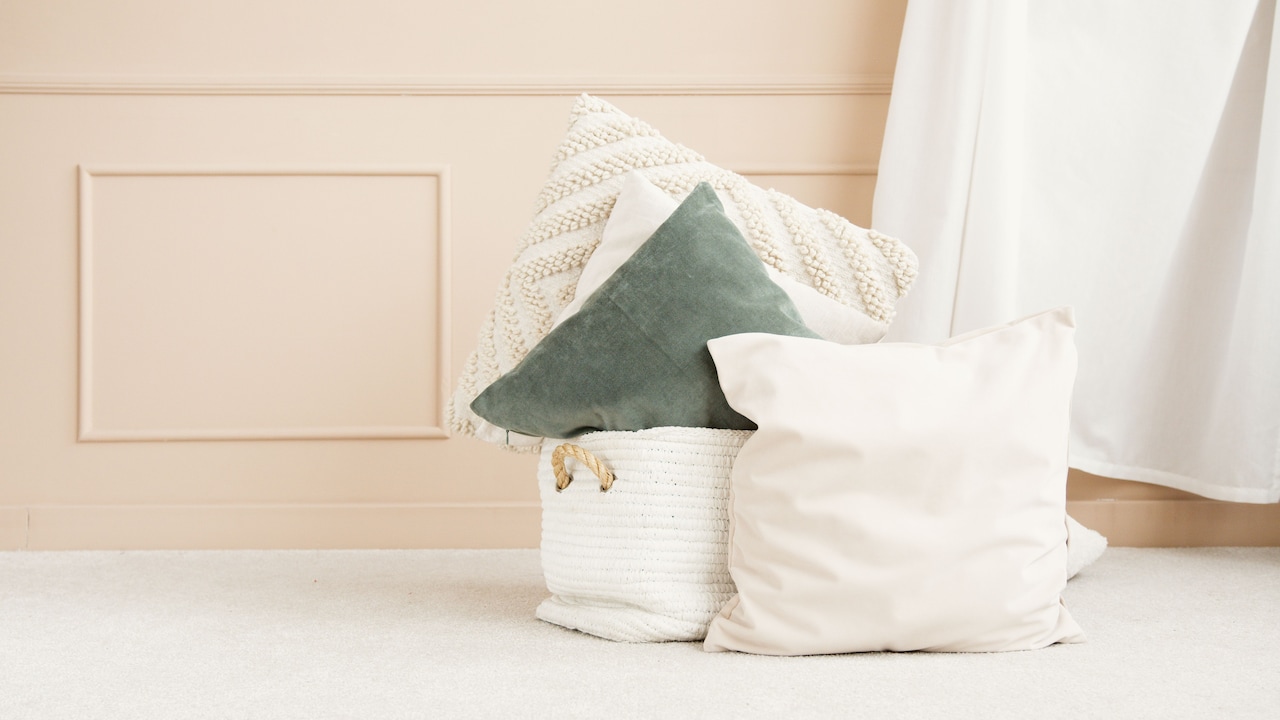
10 Reasons Your Pillows Go Flat So Quickly And How To Fix It; Photo Credit: Pexels
Why Pillows Lose Their Shape So Quickly
1. You Sleep In Exactly The Same Spot Every Night
Most people have a favourite sleeping position, and pillows quickly discover it. Night after night, the head settles into roughly the same area, usually the centre. That repeated pressure pushes the filling down and limits its ability to spring back.
Synthetic fibre fillings are especially prone to this problem because individual fibres can become tangled and compressed. Over time, the familiar little dip turns into a permanent hollow. Even a pillow that looked generously filled in the shop can start resembling a miniature valley.
Changing sleeping habits dramatically is neither realistic nor necessary. A simpler trick is to rotate the pillow every few nights. Turn it from top to bottom, and occasionally flip it over if the construction allows. This spreads pressure across different areas instead of exhausting one section.
A quick morning fluff also helps. Hold opposite sides, squeeze them towards the centre, then repeat from the other direction. It takes less time than making chai and gives compressed filling a chance to redistribute before another night's sleep.
Also Read: Top 5 Cool Gel Pillows For Summer Sleep Under ₹1000
2. Moisture Is Quietly Weighing The Filling Down
Pillows absorb more moisture than most people realise. Perspiration, damp hair, humid weather and even skincare products can gradually work their way through the pillowcase and into the filling.
Once moisture reaches the inner material, fibres may begin sticking together instead of remaining airy and separate. The pillow then feels heavier, denser and noticeably flatter. During humid months, the problem can become worse because moisture evaporates slowly.
Going to bed immediately after washing your hair may feel harmless, but a repeatedly damp pillow rarely stays fluffy for long. Drying hair thoroughly before bedtime can make a surprising difference.
Ventilation matters too. Instead of covering the bed immediately after waking, give pillows a little time to air. On dry, bright days, place them near an open window or in a well-ventilated area for a short period. Avoid prolonged harsh sunlight unless the care label allows it, as some materials can deteriorate.
A breathable pillow protector can also reduce how much moisture reaches the filling while keeping everyday maintenance much easier.
3. The Pillow Filling Was Never Designed For Long-Term Loft
Not every pillow filling behaves the same way. Some materials naturally bounce back after pressure, while others gradually compact.
Budget polyester fibre pillows often feel impressively plump when new because manufacturers can pack them loosely to create immediate volume. After repeated use, however, those fibres may compress and remain tangled together. A ₹500 pillow can therefore feel wonderfully soft at first yet lose its height faster than a better-constructed alternative.
That does not mean expensive automatically equals durable. Construction matters. Hollow fibre, microfibre, latex, memory foam, feather blends and other fillings all respond differently to pressure.
Before buying, consider how you sleep. Side sleepers usually need more consistent loft than stomach sleepers, while people who prefer a very soft surface may tolerate gradual compression better.
Check whether the manufacturer describes the filling as resilient, supportive or designed to recover its shape. Also read the care instructions. A pillow that suits both your sleeping position and maintenance routine has a much better chance of staying useful beyond its honeymoon period.

10 Reasons Your Pillows Go Flat So Quickly And How To Fix It; Photo Credit: Pexels
4. Your Pillowcase May Be Too Tight
A snug pillowcase can make bedding look crisp enough for a hotel photograph, but squeezing a pillow into a cover that is too small can work against its shape.
The filling needs room to expand after being compressed overnight. When the fabric pulls tightly around the pillow, that expansion becomes restricted. Over time, the filling may remain compressed rather than recovering fully.
The problem often appears when thick pillows are forced into standard covers because the labels technically match. Actual pillow dimensions and filling volume can vary widely between brands, so matching names do not always guarantee a comfortable fit.
After inserting the pillow, check whether the seams are being pulled or whether the pillow bulges awkwardly at the edges. A properly fitted cover should sit neatly without crushing the contents.
This is also worth remembering when using decorative cushion-style covers over sleeping pillows. They may look smart during the day but can squash softer fillings if left on constantly. Giving the pillow enough breathing space is one of the easiest ways to protect its natural loft.
5. Washing It The Wrong Way Damages The Filling
Sometimes the attempt to freshen a pillow is exactly what sends it into early retirement.
Washing methods that work perfectly for bedsheets can be far too harsh for pillows. Aggressive machine cycles, excessive detergent, very hot water and high-speed spinning can cause loose fibres to knot together. Once the filling forms dense clumps, restoring an even shape becomes difficult.
The first rule is simple: read the care label. Some synthetic pillows can go straight into a washing machine, while memory foam and latex usually require very different treatment.
When machine washing is allowed, use a gentle cycle and modest detergent. Too much detergent can remain trapped inside the filling and make it feel heavy. Washing two compatible pillows together may also help balance the drum.
Drying matters just as much. A pillow that appears dry on the outside may still contain moisture internally. Give it enough time to dry completely, turning and fluffing it during the process. Proper cleaning should revive a pillow, not transform it into one large, stubborn lump.
6. You Never Fluff The Pillow
Fluffing can sound like one of those unnecessary housekeeping rituals performed only in luxury hotel advertisements. In reality, it serves a practical purpose.
During sleep, body weight pushes air out from between fibres. If the pillow remains untouched all day, those compressed sections can gradually become more permanent. Regular fluffing separates the filling and encourages air back inside.
There is no need for an elaborate routine. Each morning, grab the shorter sides and push them towards one another several times. Then repeat using the longer sides. Finish by gently pulling apart any areas that feel noticeably dense.
For suitable fibre or feather pillows, giving them a few firm pats from different directions can also redistribute material. Avoid punching memory foam as though settling a family argument; foam needs gentler handling.
Fluffing will not rescue a pillow whose filling has already deteriorated, but it can slow down everyday compression. Think of it as tiny maintenance rather than emergency repair. Thirty seconds each morning may preserve the comfortable shape for months longer.
10 Reasons Your Pillows Go Flat So Quickly And How To Fix It; Photo Credit: Pexels
7. The Pillow Is Supporting More Than Your Head
Pillows often perform several jobs without officially applying for them. They support the head at night, prop up the back during television marathons, become laptop rests, cushion elbows, and occasionally serve as armrests during long phone calls.
All that extra pressure adds up.
Sitting or leaning heavily against a sleeping pillow compresses the filling much more forcefully than ordinary head weight. Folding it in half while reading in bed can also create permanent weak points, especially in fibre-filled designs.
Keeping separate pillows for different purposes can extend the life of your main sleeping pillow considerably. A firm cushion or older pillow can handle back support while the newer one remains reserved for sleep.
Children may also enjoy turning pillows into forts, stepping stones and wrestling equipment. Charming though the chaos may be, repeated jumping and folding does little for pillow longevity.
Treating a sleeping pillow as specialised bedding rather than an all-purpose soft furnishing may sound overly protective, but it reduces unnecessary compression and helps the filling recover properly between nights.
8. Dirt And Body Oils Are Making The Filling Heavy
Even with a pillowcase, everyday residue eventually works its way deeper into bedding. Sweat, hair oil, moisturiser and natural skin oils can slowly reach the pillow itself.
As these residues accumulate, fibres may begin sticking together. Instead of remaining loose and springy, the filling becomes heavier and more compact. The pillow can look flatter even though none of its material has disappeared.
A washable pillow protector provides an extra barrier and is easier to clean frequently than the pillow itself. Choose a breathable version rather than a thick plastic-feeling cover that traps heat and moisture.
Pillowcases should also be washed regularly, especially during warmer weather or if hair and skincare products are used heavily at night.
Cleanliness protects more than appearance. Keeping oils away from the inner filling helps preserve its texture and movement.
There is a small visual clue too: if the pillow has started developing noticeable yellow patches, the fabric has already absorbed a fair amount of moisture and residue. At that stage, proper cleaning becomes important, provided the care instructions allow it.
9. Your Storage Habits Are Crushing The Pillow
Spare pillows often spend months packed into cupboards, storage boxes or beds with hidden compartments. Unfortunately, saving space can come at the expense of loft.
When pillows remain tightly compressed under heavy blankets, suitcases or stacks of clothes, their filling may struggle to recover once unpacked. Vacuum storage bags create an even stronger effect. They are brilliant for reducing bulky bedding, but long-term compression may permanently flatten certain fibre and foam materials.
If storage space allows, keep pillows lying flat or standing loosely without heavy weight on top. Breathable fabric storage bags are usually kinder than airtight plastic for long periods, particularly in humid climates.
Before putting a pillow away, make sure it is completely clean and dry. Trapped moisture can create unpleasant odours and encourage mildew.
When bringing a stored pillow back into use, shake and fluff it thoroughly. Give it several hours to expand before judging its shape.
The cupboard may be short on space, but treating pillows like stuffed files rarely ends well. A little breathing room during storage can preserve much more volume.
10. The Pillow Has Simply Reached The End Of Its Useful Life
Sometimes no amount of fluffing, rotating or enthusiastic patting can bring a pillow back. Filling naturally deteriorates with use, and eventually the material loses its ability to recover.
A useful test is to fold a fibre or feather pillow in half and release it. A healthy pillow should generally begin springing back towards its original shape. If it remains folded or feels permanently lumpy, its resilience has weakened considerably.
Foam pillows show age differently. They may develop permanent indentations, cracks or areas that feel noticeably softer than others.
Comfort matters more than a strict calendar. If the pillow constantly needs folding, stacking or rearranging to feel supportive, replacement may be more sensible than another rescue attempt.
When shopping for the next one, avoid choosing purely by first-touch softness. Consider filling quality, washable covers, construction and sleeping position. Paying ₹1,500 for a pillow that keeps its shape for years may offer better value than repeatedly replacing ₹600 versions that flatten quickly.
Sometimes the kindest maintenance decision is simply knowing when to let go.
Products Related To This Article
1. Amazon Basics Hollow Fiber Sleeping Pillow with Zip
2. Dr.Ortho Premium Orthopedic Cervical Memory Foam Neck Pillow for Pain Relief Sleep
3. MY ARMOR Microfiber Pillows Set 2
4. GADDA CO Hollow Sleeping Fiber Pillow with Zip
5. SleepyCat Cloud Pillow
6. LA VERNE Cooling Gel Infused Pincore Technology Breathable Memory Foam Pillow with 3S Rebound
7. MY ARMOR Height Adjustable Microfiber Pillows Set of 2 for Sleeping
A flat pillow rarely becomes flat overnight. The change usually happens little by little through repeated pressure, trapped moisture, tight covers, rough washing and habits that barely seem worth noticing.
Fortunately, extending a pillow's life does not require complicated maintenance. Rotate it regularly, fluff it each morning, keep it dry, use a breathable protector and follow the washing instructions carefully. Reserve sleeping pillows for sleeping rather than turning them into backrests, laptop stands or living-room cushions.
Storage also deserves attention. Pillows need enough space to retain their structure instead of spending months crushed beneath heavier bedding.
Most importantly, recognise the difference between normal compression and genuine deterioration. A well-maintained pillow can remain comfortable for much longer, but no filling stays springy forever.
A few small habits can prevent that once-plump pillow from becoming a sad pancake before its time. And considering how many hours each week are spent resting on it, keeping it comfortable is hardly a trivial household victory.
(Disclaimer: This article may include references to or features of products and services made available through affiliate marketing campaigns. NDTV Convergence Limited (“NDTV”) strives to maintain editorial independence while participating in such campaigns. NDTV does not assume responsibility for the performance or claims of any featured products or services.)