Does Memory Foam Have The Same Firmness All Year? 10 Pillow Myths Explained
Memory foam can feel firmer in winter and softer in summer, but temperature is only part of the story. Explore 10 common memory foam pillow myths about firmness, comfort, support, heat, cleaning, durability and sleep positions.
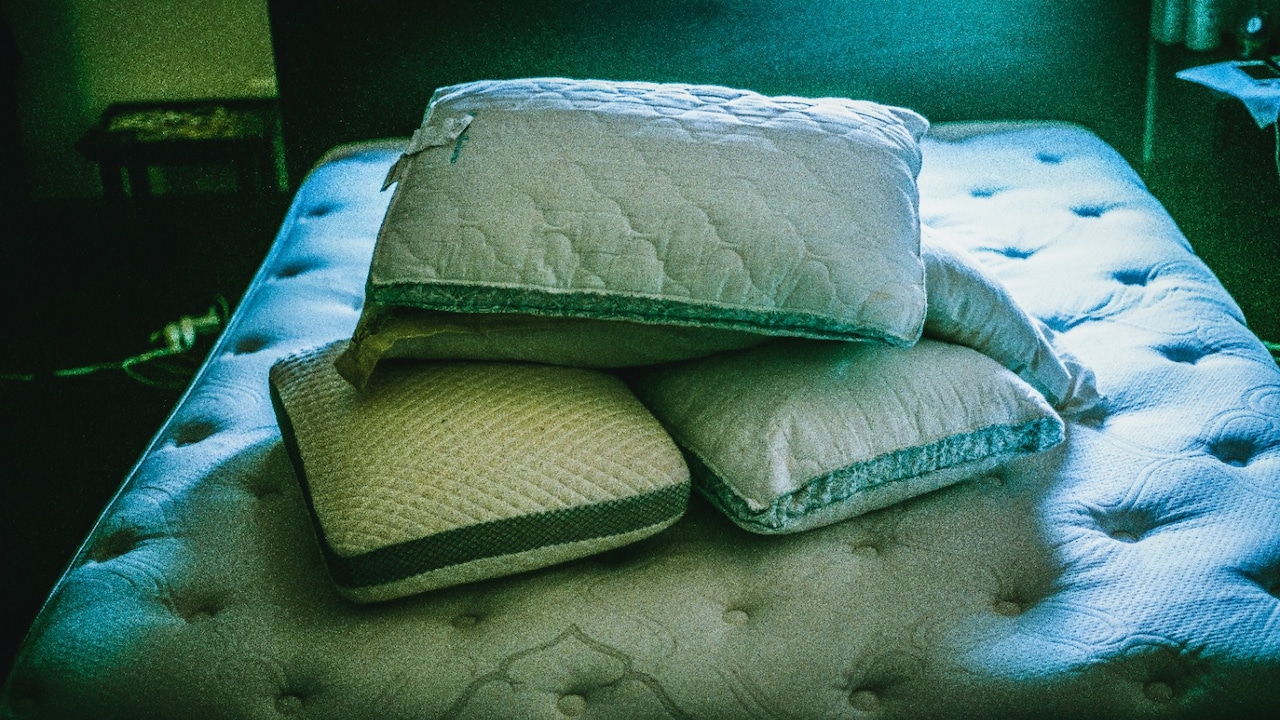
10 Memory Foam Pillow Myths About Firmness, Comfort And Support
A pillow rarely gets much attention until something goes wrong. One morning, the neck feels stiff. Another night the pillow seems strangely hard. Then summer arrives, the bedroom turns warm, and the same pillow suddenly feels softer than it did in January. Naturally, questions follow. Memory foam is different from ordinary fibre or cotton filling because temperature, pressure and material density can influence how it feels. That has helped create a surprising number of pillow myths. Some sound convincing enough to survive years of family advice, online discussions and mattress-shop conversations. The truth is more interesting. Memory foam can change its feel without actually changing its underlying firmness. A costly pillow does not automatically suit every sleeper. A thick pillow is not necessarily more supportive, either. Even the familiar advice to replace every pillow after a fixed number of years needs context. So, before blaming the weather, the bed or last night's extra episode of a favourite series, it helps to separate what memory foam really does from what people assume it does.
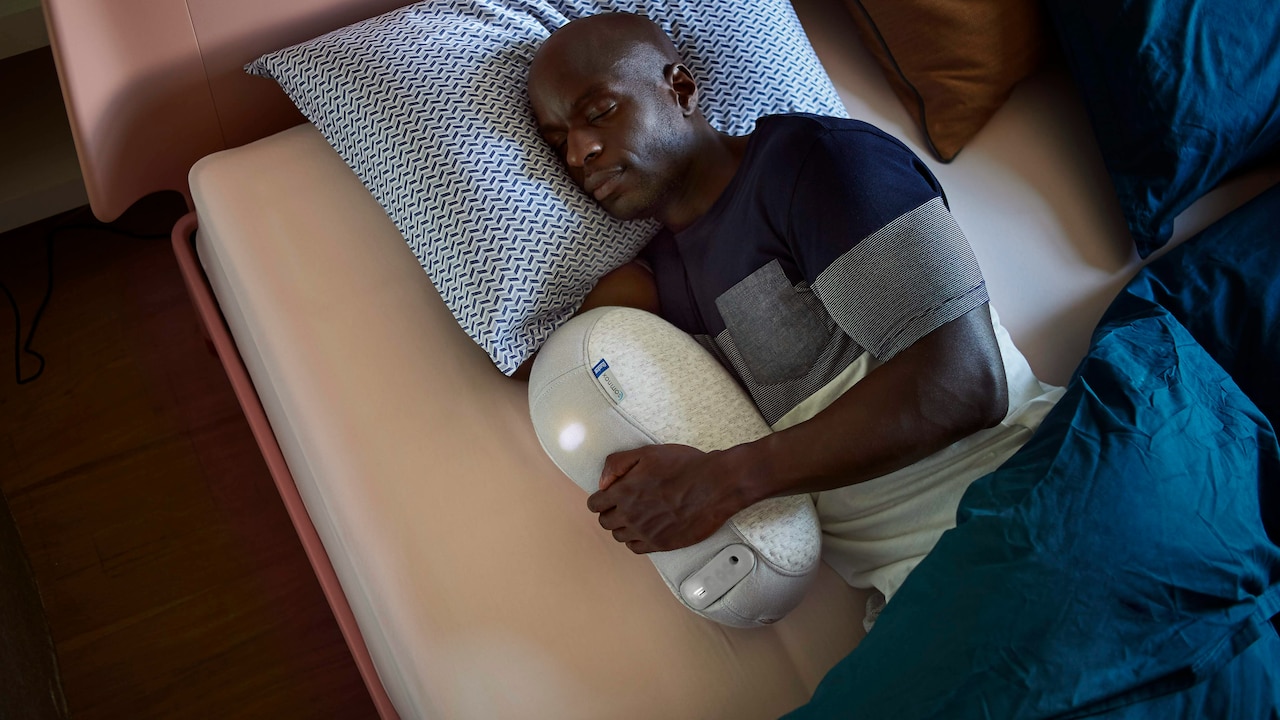
10 Memory Foam Pillow Myths About Firmness, Comfort And Support; Photo Credit: Pexels
Memory Foam Pillow Myths: What's Fact And What's Fiction?
1. Memory Foam Has The Same Firmness All Year
Not quite. Memory foam can feel noticeably different as temperatures rise and fall.
The material is viscoelastic, meaning it responds to both pressure and heat. During cooler months, a memory foam pillow may feel firmer when someone first lies down. In warmer weather, it may soften more quickly and allow the head to sink slightly deeper.
That does not necessarily mean the pillow's actual firmness specification has changed. Think of refrigerated butter compared with butter left on the kitchen counter. It is still the same product, but temperature changes how easily it yields.
Air conditioning can create the same effect. A pillow kept overnight in a strongly cooled bedroom may initially feel harder than expected. After a few minutes, body heat usually warms the foam and makes it more responsive.
This seasonal difference is often more noticeable with traditional memory foam than with newer formulations designed for quicker response or better temperature regulation. So yes, the weather can influence the experience, even when the pillow itself remains perfectly healthy.
Also Read: 5 Top-Rated Cervical Pillows For Neck Pain On Amazon To Make Your Life Better
2. Firmer Memory Foam Always Gives Better Neck Support
Firmness and support often get treated as the same thing, but they are not.
A pillow can feel firm yet place the neck at an awkward angle. Good support depends on whether the pillow keeps the head, neck and spine comfortably aligned. Sleeping position, shoulder width, body build and mattress firmness all play a part.
A side sleeper usually needs enough pillow height to fill the gap between the shoulder and head. Someone who sleeps on the back often needs less height. A stomach sleeper may feel more comfortable with a much thinner pillow.
This means an extremely firm memory foam pillow could actually create discomfort if it pushes the head too high. On the other hand, a softer pillow may still offer useful support if it has the right shape and does not collapse excessively.
The best pillow should not feel like a brick auditioning for bedroom furniture. It should cradle the head while allowing the neck to remain in a natural position. Firmness matters, but suitability matters far more.
3. Memory Foam Pillows Never Lose Their Shape
Memory foam is famous for returning towards its original form after pressure disappears, which probably explains this myth. Unfortunately, no pillow has discovered eternal youth.
Repeated compression gradually affects foam. Night after night, the same areas support the head and neck. Over time, the pillow may recover more slowly, develop softer zones or remain slightly flattened.
How quickly that happens depends on foam quality, density, usage, body weight, maintenance and bedroom conditions. A well-made pillow may retain its structure for several years, while cheaper foam may show wear much sooner.
There is also a difference between temporary compression and permanent deterioration. A pillow looking slightly squashed immediately after sleep is normal. If it expands again shortly afterwards, there is usually little reason for concern. If a permanent hollow remains where the head rests, the material may be reaching the end of its useful life.
Memory foam has excellent recovery compared with many traditional fillings, but "memory" should not be confused with immortality. Eventually, even the most loyal pillow deserves retirement.
10 Memory Foam Pillow Myths About Firmness, Comfort And Support; Photo Credit: Pexels
4. The More Expensive The Pillow, The Better It Will Feel
Price can indicate better materials or construction, but comfort refuses to follow a simple rupee-for-rupee formula.
A ₹5,000 pillow may use premium foam, cooling layers, specialised contours or removable covers. That does not guarantee it will suit someone better than a simpler ₹1,500 option. Pillow comfort is highly personal.
One person might adore a deeply contoured model while another spends the night fighting it like an inconvenient armrest. Some people enjoy the slow embrace of dense memory foam. Others prefer quicker rebound and less sinking.
Higher prices can also reflect branding, packaging, imported materials or extra features that may not matter to every sleeper. A cooling cover sounds appealing, for example, but someone sleeping comfortably in an air-conditioned room may value it less than somebody dealing with hot nights.
The sensible approach is to judge height, firmness, foam quality and sleeping position before looking at impressive price tags. Paying more can buy better features and durability, but the most expensive pillow in the shop is not automatically the most comfortable one on the bed.
5. Memory Foam Pillows Are Always Too Hot
Older memory foam earned this reputation for a reason. Traditional dense foam can hold heat because it contours closely around the head and allows less airflow than loose fibre fillings.
However, saying every memory foam pillow sleeps hot is now an exaggeration.
Manufacturers use several designs to improve temperature management. Some pillows contain perforated foam for better ventilation. Others use open-cell structures, gel-infused foam, breathable covers or shredded memory foam that allows more air to move through the filling.
The surrounding environment matters too. A pillow can feel warmer in a humid room with limited ventilation than in a cool, well-aired bedroom. Pillowcases also make a difference. Thick synthetic fabric may trap more warmth than breathable cotton.
People who naturally sleep hot should still pay attention to construction rather than assuming all memory foam feels identical.
Memory foam will rarely feel as airy as a feather-light fibre pillow, but modern designs have reduced the heat problem considerably. The old "memory foam equals instant sauna" rule has become more bedtime legend than universal truth.
6. Memory Foam Pillows Cannot Be Cleaned
They can be cleaned, but throwing a solid memory foam pillow into the washing machine is usually a poor idea.
Memory foam absorbs water easily, and vigorous machine washing can damage its internal structure. The real problem appears afterwards. Thick foam may take a long time to dry completely, creating conditions where unpleasant smells or moisture build-up can develop.
A gentler approach works better. Removable pillow covers can usually be washed according to their care labels. For the foam itself, light spot cleaning with a mild solution is generally more suitable. The pillow should then dry thoroughly in a well-ventilated area before returning to the bed.
Regular airing also helps keep it fresh. Using a pillow protector adds another useful barrier against sweat, hair oils and accidental chai disasters.
Different manufacturers use different foam formulations, though, so the care instructions supplied with the pillow should take priority.
Memory foam is not cleanable. It is simply less tolerant of the enthusiastic "everything goes in the washing machine on Sunday" approach.
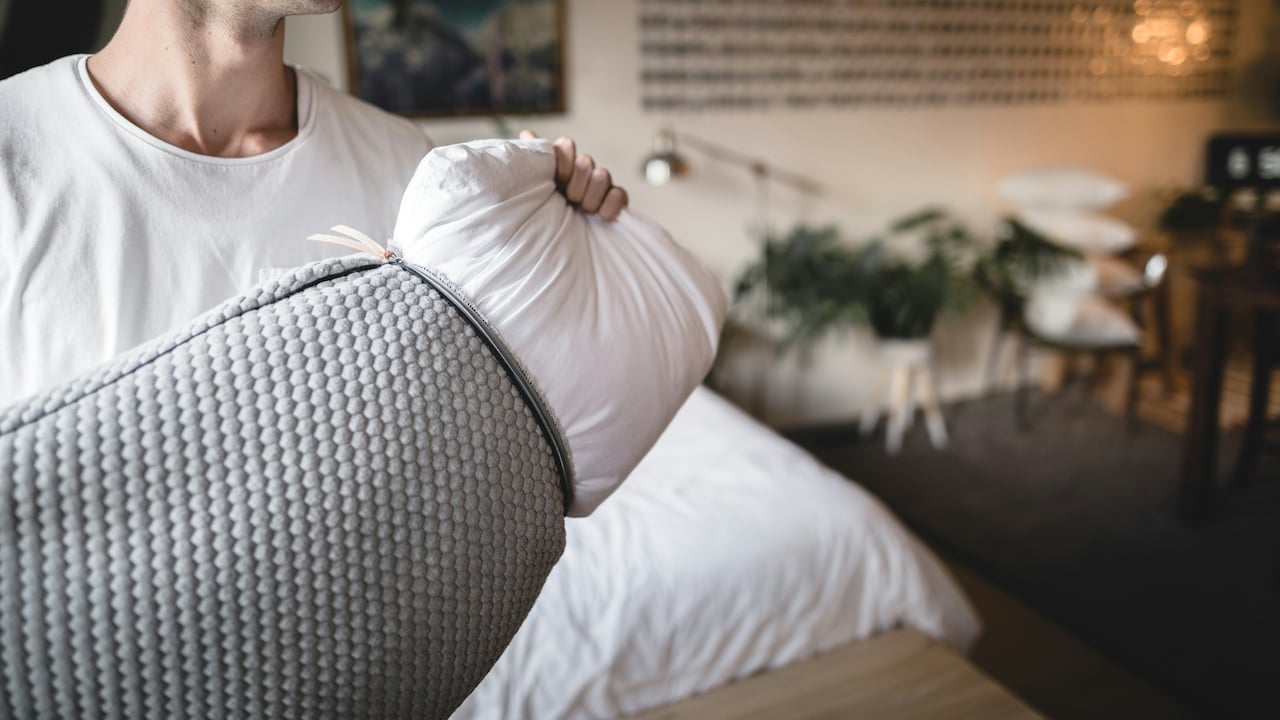
10 Memory Foam Pillow Myths About Firmness, Comfort And Support; Photo Credit: Pexels
7. A Thicker Memory Foam Pillow Is Automatically More Comfortable
A towering pillow may look luxurious on a neatly arranged bed, but height can quickly become uncomfortable once sleep begins.
Pillow thickness, often called loft, should match sleeping position and body proportions. Side sleepers commonly need greater loft because the pillow must bridge the space created by the shoulder. Back sleepers usually need moderate loft, while stomach sleepers often require something much flatter.
Too much height can tilt the head upwards or sideways. Too little may allow it to drop, creating strain around the neck and shoulders.
Mattress firmness adds another twist. On a soft mattress, the shoulders may sink deeper, reducing the amount of pillow height needed. On a firmer mattress, the body stays higher, so additional loft may feel more comfortable.
Adjustable shredded-memory-foam pillows can help because filling can often be removed or added until the height feels right.
Comfort is not a competition to build the tallest pillow mountain. A well-chosen pillow should quietly support the body, not leave the neck wondering why bedtime turned into a balancing exercise.
8. Memory Foam Is Only Suitable For Side Sleepers
Side sleepers often appreciate memory foam because its contouring properties can support the neck and fill the shoulder gap. That does not make it an exclusive club.
Back sleepers can also benefit from memory foam, especially when the pillow has medium loft or a shaped design that supports the natural curve beneath the neck. The key is avoiding excessive height that pushes the chin towards the chest.
Stomach sleepers need more caution because thick memory foam can lift the head too far. Still, thinner or softer memory foam pillows may suit some people perfectly well.
Combination sleepers present another challenge. Someone who changes position repeatedly during the night may prefer responsive foam that adjusts quickly instead of a very dense pillow with slow rebound.
The material matters less than the complete design. Loft, contour, firmness and responsiveness determine whether a particular pillow suits a particular sleep style.
So, memory foam does not belong only on the side sleeper's half of the bed. The right version can work across several sleeping positions when chosen thoughtfully.
9. Memory Foam Pillows Last Forever If They Still Look Fine
Appearance can be misleading. A pillow may look respectable under a fresh cover while the foam inside has already begun losing resilience.
Ageing memory foam can become softer, slower to recover or permanently compressed in heavily used areas. Sometimes the first clue is not visible damage but waking with discomfort that was not there months earlier.
There is no perfect replacement date for every pillow. Quality, density and usage vary too widely. Instead, regular checks are more useful. Press the foam and watch how it recovers. Look for permanent dips, cracks or crumbling. Notice whether the pillow still maintains a comfortable sleeping height.
Hygiene matters as well. Even with protective covers, pillows spend thousands of hours close to skin and hair, collecting moisture and natural oils over time.
Replacing a pillow simply because a calendar says so can be wasteful. Keeping one long after its support has disappeared makes little sense either.
A pillow's job is surprisingly demanding. When it stops doing that job well, appearances should not earn it another season.
10. Memory Foam Needs A Long Breaking-In Period
Some memory foam pillows feel unfamiliar during the first few nights, but the idea that every model needs weeks of uncomfortable "breaking in" is overstated.
Part of the adjustment comes from the sleeper rather than the foam. Switching from a soft fibre pillow to dense memory foam changes how the head and neck are supported. Even when alignment improves, the sensation can feel unusual at first.
Temperature can also affect early impressions. A newly unpacked pillow in a cool room may feel firmer until warmth makes the foam more responsive.
Another factor is packaging. Compressed pillows may need time to regain their intended shape after opening. Some new foam products also carry a temporary manufacturing smell, which often becomes less noticeable after airing.
However, persistent discomfort deserves attention. A pillow that remains painfully high, unusually hard or badly shaped should not require heroic endurance.
Sleep is not a training programme. A short adjustment period can be normal, but weeks of waking sore should never be treated as the compulsory membership fee for owning memory foam.
Products Related To This Article
1. Amazon Basics Memory Foam Knee Pillow for Side Sleeping
2. WELLGIVER Ergonomic Memory Foam Pillow for Neck Pain
3. CareFoam Orthopedic Memory Foam Pillow for Comfortable Sleep
4. FOVERA Wedge Pillow Memory Foam with Head Rest
5. MY ARMOR Cool Gel Cervical Pillow For Neck Pain Spondylitis Neck
6. SleepyCat Contour Natural Latex Pillow
7. Wakefit Memory Foam Pillow
Memory foam pillows are clever, but they are not mysterious. Their feel can shift with temperature, their shape changes under pressure and their comfort depends heavily on how well the pillow matches the person using it.
That explains why so many myths sound partly believable. A pillow can feel firmer in winter without becoming a different firmness. Expensive models can use better materials without being better for every neck. Memory foam can retain warmth, yet thoughtful designs can reduce that problem considerably.
The useful lesson is simple: judge the pillow by performance rather than reputation. Pay attention to sleeping position, loft, responsiveness, temperature and signs of wear. Follow sensible cleaning instructions and give a new pillow a little adjustment time without tolerating persistent discomfort.
After all, a pillow spends roughly a third of life remarkably close to the face. It deserves slightly more thought than choosing whichever one looks fluffiest on the shelf.
(Disclaimer: This article may include references to or features of products and services made available through affiliate marketing campaigns. NDTV Convergence Limited (“NDTV”) strives to maintain editorial independence while participating in such campaigns. NDTV does not assume responsibility for the performance or claims of any featured products or services.)










![Steam Iron Teflon Shoe Cover for ES-300,ST-96 [Only For ES-300 and ST-96 Model Electric Steam Irons]](https://m.media-amazon.com/images/I/51wwkttondL._SL160_.jpg)