Does Silicone Really Resist Oil And Odours? 10 Kitchen-Tool Myths Explained
Silicone resists heat, but what about oil and odours? From wooden spoons to non-stick pans, this guide busts 10 common kitchen-tool myths and explains what really matters.

Does Silicone Absorb Oil And Odours? 10 Kitchen-Tool Myths Busted
Every kitchen has a few unwritten rules. Someone insists that a wooden spoon must never touch raw ingredients. Someone else treats a scratched non-stick pan as though it has become radioactive overnight. Then there is the silicone spatula that somehow carries the memory of garlic, ghee and masala long after washing. Kitchen-tool myths spread easily because they often start with a grain of truth. Heat does affect materials. Oils can cling to surfaces. Scratches matter. Certain foods can react with metals. The problem begins when a sensible precaution turns into a sweeping rule.
Does Silicone Really Resist Oil And Odours? 10 Kitchen-Tool Myths Explained
Photo Credit: Pexels
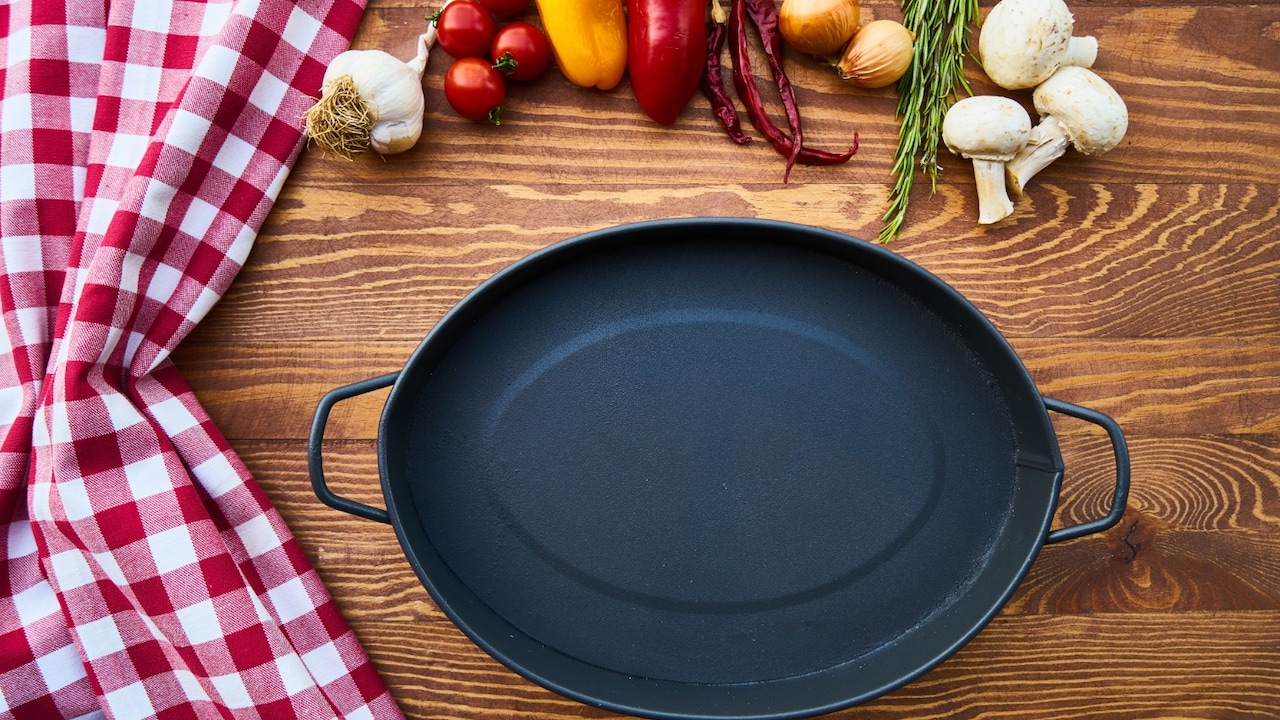
Modern kitchens also mix materials more than ever. Steel kadais sit beside silicone ladles, wooden chopping boards, plastic containers, ceramic-coated pans and cast-iron tawas. Each behaves differently, so one-size-fits-all advice rarely helps.
Understanding those differences makes cooking easier and can save perfectly usable tools from an unnecessarily early trip to the bin. Here are ten kitchen-tool myths that deserve a closer look.
10 Kitchen-Tool Myths You Should Stop Believing
1. Silicone Never Absorbs Oil Or Odours
Silicone often gets marketed as practically indestructible: heat-resistant, stain-resistant and incapable of holding smells. Reality has slightly more masala in it.
Good-quality food-grade silicone does not absorb liquids in the same way that porous wood or fabric does. However, its surface can hold onto oily compounds, especially after repeated exposure to strongly flavoured foods. Garlic, mustard oil, hing, curry leaves and heavily spiced gravies can leave a noticeable aroma behind.
That lingering smell does not automatically mean the utensil has become unsafe. Often, a microscopic greasy film remains after ordinary washing. Warm water and regular dishwashing liquid may not remove every trace.
A paste of bicarbonate of soda and water can help tackle stubborn smells. Thorough rinsing and air-drying also make a difference. Some silicone utensils can tolerate higher-temperature cleaning, although the manufacturer's instructions should always guide that decision.
So, silicone resists oil and odours better than many materials, but “resists” does not mean “repels forever”. A spatula that has spent months stirring tadka may eventually carry a little culinary history.
2. Wooden Spoons Are Naturally Unhygienic
Wooden spoons often receive suspicious looks because wood appears porous. The assumption sounds logical: if moisture can enter the surface, bacteria must settle there permanently.
Yet well-maintained wooden utensils can work perfectly well in everyday cooking. Hygiene depends far more on cleaning, drying and condition than on the mere fact that a spoon comes from a tree.
Problems begin when wooden tools remain damp for long periods. Deep cracks, rough surfaces and trapped food residues create better conditions for microbial growth. A spoon left soaking overnight beside the sink will naturally fare worse than one washed promptly and dried in open air.
Wood also dislikes extremes. Long dishwasher cycles, prolonged soaking and aggressive scrubbing can cause swelling, splitting or warping. Gentle handwashing usually gives it a longer life.
The practical rule remains simple: keep wooden utensils clean, dry and smooth. Replace them once deep cracks, persistent odours or significant damage appear.
That old wooden belan or stirring spoon does not need retirement simply because it is wooden. Good care matters more than kitchen folklore.
3. Stainless Steel Can Never Stain Or Rust
The name “stainless steel” sounds like a lifetime guarantee. Then one morning, a steel pan develops rainbow marks, cloudy patches or tiny brown spots, causing mild panic before breakfast.
Stainless steel resists corrosion remarkably well, but it is not completely immune to staining. Its protective chromium-rich surface helps prevent rust. Harsh conditions, however, can weaken that protection.
Salt provides one common example. Leaving concentrated salt sitting in a damp stainless-steel vessel can encourage pitting. Strong cleaning chemicals may also damage the surface. Brown marks can occasionally appear after contact with rusty utensils, contaminated scrubbers or minerals in water.
Rainbow discolouration usually looks more alarming than it is. Heat can create thin oxide layers that reflect light in different colours. Vinegar or another gentle acidic cleaner often removes these marks.
Steel remains one of the most dependable materials in the kitchen, but dependable does not mean maintenance-free. Wash it properly, avoid leaving salty residues for hours and choose non-abrasive cleaners where possible.
“Stainless” really means highly stain-resistant, not blessed with supernatural immunity.
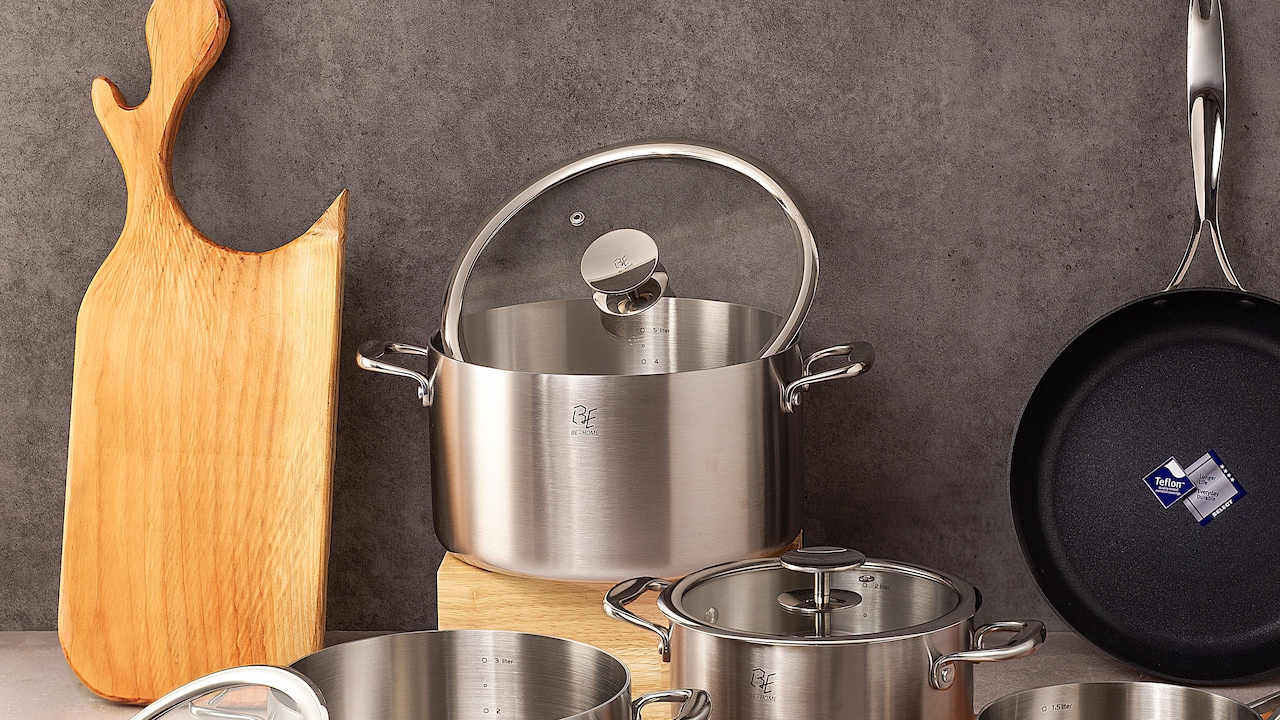
4. Scratched Non-Stick Cookware Becomes Instantly Dangerous
Few kitchen discoveries create more anxiety than finding a scratch across a favourite non-stick frying pan. Advice online can quickly turn one small mark into a full-scale health scare.
A scratch does not transform the pan into an immediate hazard. However, damaged non-stick cookware deserves attention because continued wear can reduce performance and cause the coating to deteriorate further.
The bigger everyday concern involves overheating. Non-stick pans work best at low to medium temperatures. Leaving an empty pan over strong heat can damage the coating far more quickly than ordinary cooking.
Metal utensils can also shorten its life. Wooden, silicone or suitable nylon tools reduce scratching and help preserve the surface.
A lightly marked pan may still function, but widespread peeling, flaking, blistering or serious coating loss provides a sensible reason for replacement. At that point, the issue becomes less about panic and more about using cookware as intended.
A decent replacement need not cost a fortune either. Many everyday non-stick pans sit within the ₹1,000 to ₹3,000 range, depending on size and build quality.
Treat damage sensibly, not dramatically.
5. Cast Iron Should Never Touch Soap
The no-soap rule surrounding cast iron has survived generations. Mention washing a cast-iron tawa with dish soap and someone nearby may react as though a family heirloom has been insulted.
This advice dates partly from a time when soaps could contain harsher ingredients. Modern mild dishwashing liquids behave differently. A small amount generally will not strip away a properly developed layer of seasoning.
Cast iron seasoning comes from polymerised oil bonded to the metal through heat. It does not vanish instantly when a drop of mild detergent touches the pan.
The greater enemies are prolonged soaking, moisture and neglect. Cast iron rusts when water remains on its surface. After washing, dry the pan thoroughly. Gentle heating can remove residual moisture, followed by a very light coating of oil if needed.
Heavy scrubbing should stay reserved for stubborn residues rather than becoming a daily ritual.
So yes, cast iron can meet soap without triggering a culinary catastrophe. Clean it sensibly, dry it quickly and keep the surface seasoned.
The dosa will survive. So will the tawa.
Does Silicone Really Resist Oil And Odours? 10 Kitchen-Tool Myths Explained
Photo Credit: Pexels
6. Metal Utensils Are Fine On Every Pan
A steel spoon feels sturdy, familiar and reassuring. Unfortunately, that does not make it suitable for every cooking surface.
Metal utensils work beautifully with stainless steel, cast iron and many traditional metal vessels. Problems arise when they meet softer coatings. Non-stick and some ceramic-coated pans can scratch under sharp or repeated contact with metal edges.
Even without deep gouges, constant scraping gradually wears cooking surfaces. Turning an omelette should not sound like someone sharpening a knife.
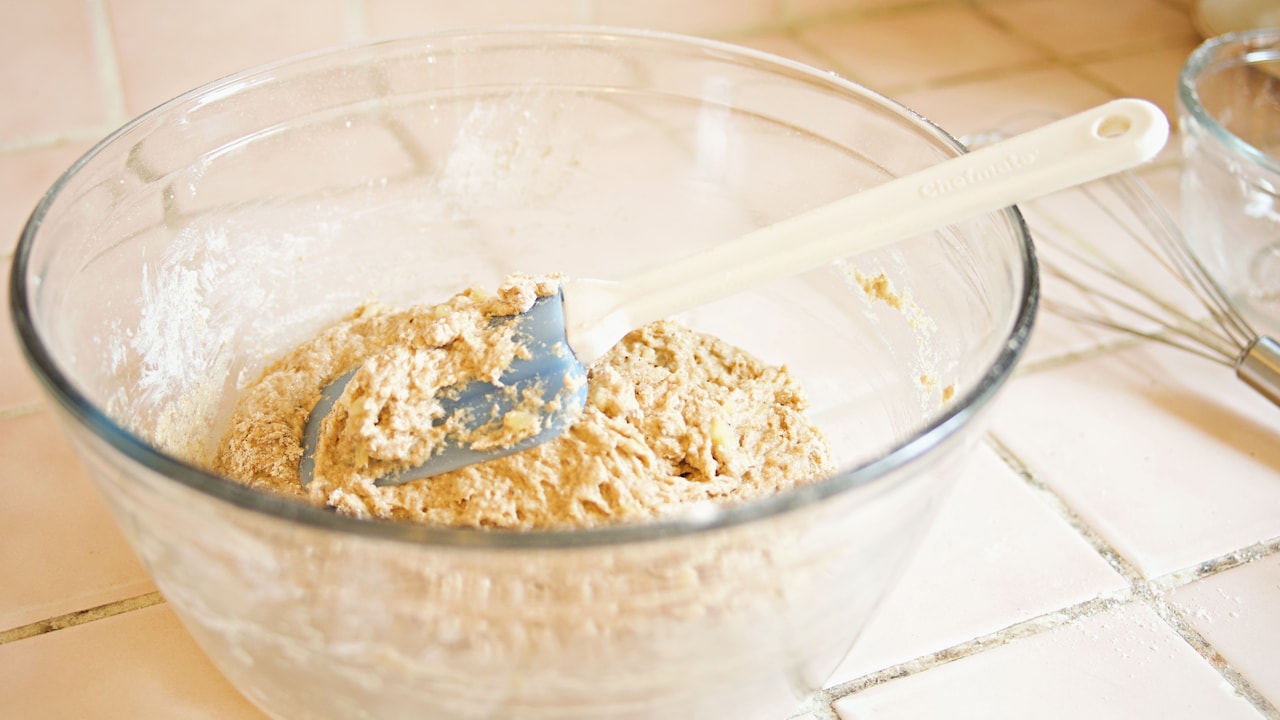
Silicone, wood and heat-safe nylon usually offer gentler alternatives. Silicone spatulas work particularly well when scraping sauces or folding delicate foods because their flexible edges reach corners without attacking the pan.
That does not mean metal utensils belong in exile. A stainless-steel turner can be ideal for flipping dosas on a sturdy iron tawa or lifting fried snacks from a steel kadai.
The key lies in matching the tool to the surface. Kitchen equipment behaves much like footwear: sturdy trekking shoes and soft slippers both have their place, but swapping their jobs makes little sense.
Choose compatibility over habit.
7. Plastic Chopping Boards Are Always Safer Than Wooden Ones
Plastic chopping boards often seem more hygienic because they look smooth, washable and modern. Wooden boards, meanwhile, can appear suspiciously rustic.
Neither material automatically wins the hygiene contest.
Plastic boards clean easily and many can go into a dishwasher. Yet repeated knife cuts create grooves where food residue can collect. Once a board becomes heavily scarred, cleaning those narrow channels becomes harder.
Wooden boards require more careful drying but can remain serviceable for years when maintained correctly. Hardwoods with tight grain structures tend to perform better than soft, easily damaged varieties.
Food-handling habits matter more than choosing a fashionable material. Using separate boards for raw meat and ready-to-eat foods reduces cross-contamination. Washing boards promptly after use and allowing them to dry completely also matters.
A board covered with deep cuts, stubborn stains, unpleasant smells or warped areas deserves replacement regardless of material.
So the real question is not “wood or plastic?” It is “clean, intact and properly used, or neglected?”
Even the fanciest chopping board loses the argument when yesterday's coriander remains trapped in a groove.
8. Silicone Utensils Cannot Melt Or Burn
Heat-resistant does not mean fireproof.
Silicone kitchen tools often tolerate temperatures far beyond what ordinary plastic can handle, which explains their popularity near hot pans. Yet direct flames, extremely hot metal surfaces and prolonged exposure to intense heat can still damage them.
A silicone spatula resting against the rim of a very hot kadai may survive dinner without complaint. Leave its edge touching a gas flame, though, and the outcome may involve scorching, deformation or an unpleasant burnt smell.
Quality matters as well. Cheap utensils sometimes contain fillers or combine silicone heads with internal materials that tolerate heat poorly. A product may look thick and sturdy while hiding weaker construction underneath.
Check the stated temperature limit from the manufacturer rather than assuming every silicone utensil behaves identically.
Visible cracking, sticky surfaces, melting or permanent deformation signal that the utensil has reached retirement age.
Silicone deserves its reputation as a useful heat-resistant material, but it still expects sensible treatment. Keeping it away from direct flame requires no special expertise.
A spatula belongs in the curry, not in the burner.
Also Read: Cooking Made Easier: Top 5 Kitchen Essentials To Grab On Shopsy Today
9. Expensive Kitchen Tools Always Last Longer
A ₹4,000 spatula does not automatically stir dal four times better than a ₹1,000 one. Price can indicate quality, but it can also reflect branding, design, imported packaging or a particularly photogenic shade of sage green.
Durability depends on construction and suitability.
A sturdy stainless-steel ladle with a securely joined handle may outlive a fashionable premium utensil with decorative parts. Similarly, a thick chopping board that receives sensible care can remain useful longer than a costly board constantly left wet beside the sink.
The best purchase often comes from matching the tool to cooking habits. Someone making rotis daily benefits from a solid rolling pin and stable chakla. Frequent baking may justify better silicone spatulas and accurate measuring tools. A once-a-month avocado slicer probably does not require luxury engineering.
Look at joints, handles, weight, heat resistance, maintenance needs and warranties where relevant. Reviews can reveal whether handles loosen or coatings wear quickly.
Price should support a buying decision, not make it.
Good kitchen tools earn their place through repeated useful service. A fancy logo cannot rescue a badly designed peeler during a mountain of potatoes.
10. One Utensil Material Can Handle Every Cooking Job
The dream of one perfect kitchen-tool material sounds wonderfully convenient. Buy everything in silicone, steel or wood and never think about compatibility again.
Real kitchens refuse to cooperate with that idea.
Stainless steel offers strength and durability but can scratch delicate coatings. Wood feels gentle against cookware but needs careful drying. Silicone handles heat and flexible scraping well, yet sharp blades can damage it. Plastic works for lightweight tasks but may warp near high temperatures. Cast iron excels at heat retention but brings weight and maintenance demands.
Each material solves a different problem.
That explains why an efficient utensil drawer often looks wonderfully mismatched. A wooden spoon sits beside a silicone spatula. Steel tongs share space with a plastic rice paddle. An iron tawa does jobs that a non-stick frying pan should never attempt.
Instead of searching for one miracle material, build a small collection of tools suited to common cooking styles.
The smartest kitchen does not demand loyalty to one material. It treats utensils like a cricket squad: different players, different strengths and a much better result when everyone handles the right role.
Does Silicone Really Resist Oil And Odours? 10 Kitchen-Tool Myths Explained
Photo Credit: Pexels
Products Related To This Article
1. Zollyss Silicone Spatula Set
2. AGARO Silicone Spatula Set of 6, Large Heat Resistant Spatula for Cooking
3. 12-Piece Silicone Kitchen Utensil Set with Wooden Handles & Holder
4. Fruitalite Silicone Spatula Set- 5 Pcs
5. Silicone Spatula Turner Set for Nonstick Cookware
6. FiABLE Premium Steel and Silicone Tongs for Airfryer
7. Gadget Deals Silicone Trivets Mats - Hot Mats for Dining Table
Kitchen myths survive because they simplify complicated questions. “Never use soap on cast iron” sounds easier than discussing seasoning. “Silicone never holds smells” sounds cleaner than admitting that garlic has remarkable staying power.
In practice, materials behave according to heat, moisture, food, cleaning methods and everyday wear. Silicone can retain oily aromas. Stainless steel can stain. Wood can remain hygienic. Non-stick cookware can tolerate ordinary use without demanding panic at the first tiny mark.
The most useful habit involves paying attention to condition rather than relying on sweeping rules. Keep tools clean, dry them properly, respect temperature limits and match utensils to cookware surfaces. Replace anything that develops serious cracks, peeling, warping or damage.
A well-run kitchen does not need a drawer full of expensive gadgets or a collection of rigid commandments. It needs reliable tools, sensible care and enough curiosity to question advice that sounds suspiciously absolute.
And when a silicone spatula still smells faintly of garlic after three washes, there is no need for an identity crisis. Sometimes dinner simply leaves a strong impression.
(Disclaimer: This article may include references to or features of products and services made available through affiliate marketing campaigns. NDTV Convergence Limited (“NDTV”) strives to maintain editorial independence while participating in such campaigns. NDTV does not assume responsibility for the performance or claims of any featured products or services.)






![Steam Iron Teflon Shoe Cover for ES-300,ST-96 [Only For ES-300 and ST-96 Model Electric Steam Irons]](https://m.media-amazon.com/images/I/51wwkttondL._SL160_.jpg)