Does Seasoning Make Cast Iron Rust-Proof? 10 Tawa-Care Myths Explained
Seasoning protects a cast iron tawa, but it does not make it rust-proof. Discover 10 common tawa-care myths, from soap and oil to rust, cleaning and non-stick performance.
10 Cast Iron Tawa-Care Myths About Seasoning, Rust and Cleaning
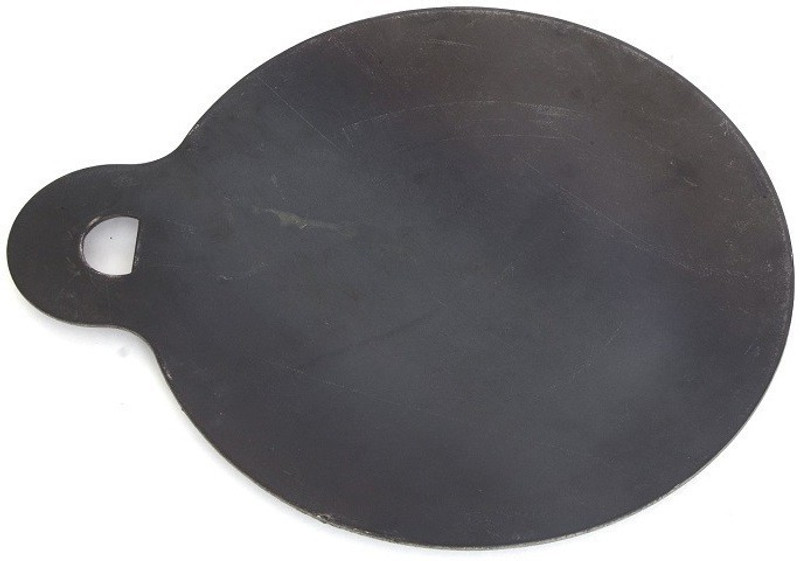
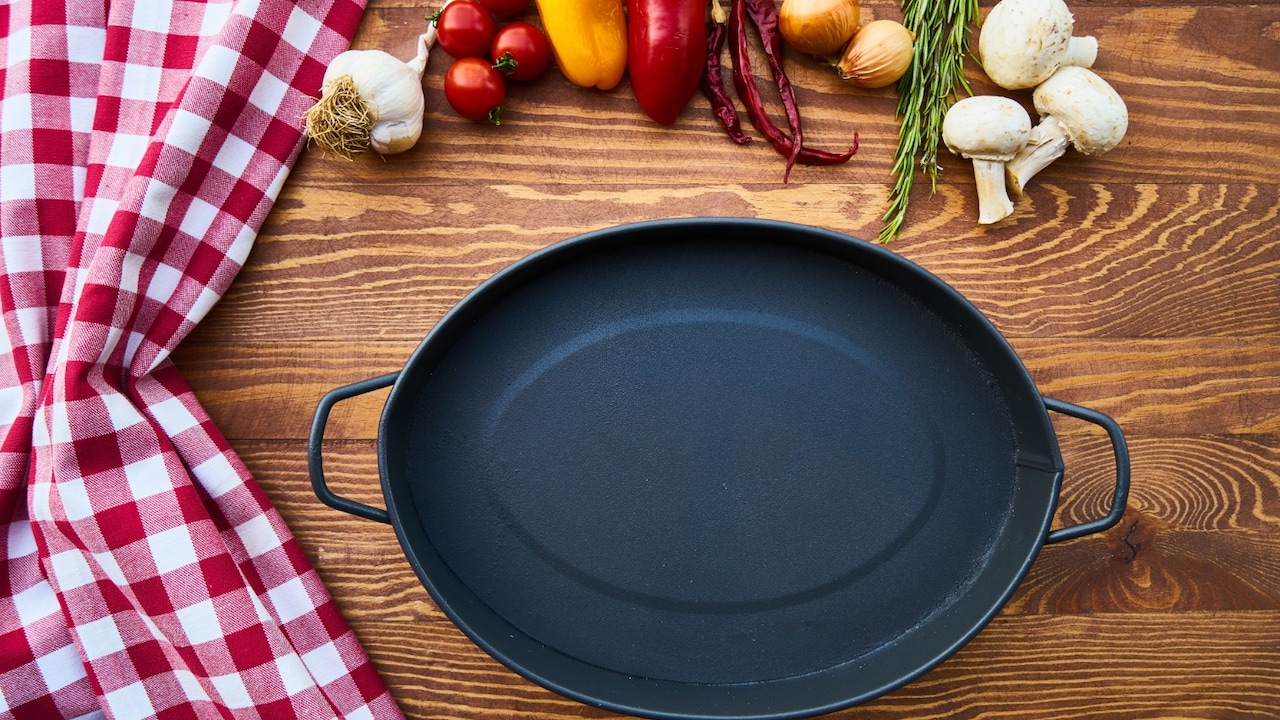
A cast iron tawa often enters the kitchen with a reputation bigger than the utensil itself. Someone says it must never see soap. Someone else insists that the darker it gets, the healthier it becomes. A relative may recommend coating it with enough oil to make it shine like a festival diya. Then comes the biggest promise of all: once seasoned properly, cast iron will never rust. That would certainly make kitchen life easier. Unfortunately, seasoning is protective, not magical. Cast iron lasts because it is tough, repairable, and wonderfully forgiving when cared for sensibly. Seasoning forms when a thin layer of oil bonds with the iron during heating. This creates a smoother cooking surface and slows contact between bare metal, moisture, and air. However, it does not turn the tawa into stainless steel. Understanding what seasoning can and cannot do makes cast iron much easier to live with. No elaborate rituals, no nervous scrubbing, and certainly no need to panic over every dull patch. Here are ten common tawa-care myths, explained without the kitchen folklore.
10 Cast Iron Tawa-Care Myths About Seasoning, Rust and Cleaning; Photo Credit: Pexels
10 Cast Iron Tawa-Care Myths You Should Stop Believing
1. Seasoning Makes Cast Iron Completely Rust-Proof
Seasoning offers useful protection against rust, but it does not make a cast iron tawa waterproof. Think of it more like a raincoat than a concrete roof. It creates a barrier between the iron and moisture, yet that barrier can wear thin, scratch, crack or develop weak spots.
Rust appears when iron stays exposed to water and oxygen. A seasoned tawa left damp beside the sink can still develop those familiar orange patches. The same thing can happen when water collects around the rim or underside, areas that often receive less oil during routine care.
The good news is that a little surface rust rarely means the tawa has reached the end of its life. Scrubbing away the rust, drying the pan thoroughly and rebuilding a light seasoning layer usually brings it back. The real rust prevention habit is surprisingly ordinary: keep the tawa dry.
After washing, place it over low heat for a few minutes so hidden moisture evaporates. Once cool enough to handle safely, rub on an extremely thin coat of oil. That simple routine protects cast iron far better than assuming one seasoning session has made it invincible forever.
Also Read: Cast Iron, Stainless Steel, And More: 5 Types Of Tawas For Everyday Cooking
2. More Oil Creates Better Seasoning
A generous splash of oil might feel like extra protection, but cast iron seasoning works best when the oil layer is almost impossibly thin.
Too much oil does not create a stronger coating. Instead, it can leave the tawa sticky, patchy and unpleasant to touch. Anyone who has lifted a supposedly clean cast iron pan and found a gummy surface knows the feeling. It is less “beautifully seasoned heirloom” and more “why does this handle feel like old syrup?”
Seasoning forms when oil heats and undergoes polymerisation, creating a hard film bonded to the metal. For that process to work evenly, excess oil needs to be wiped away before heating.
After applying oil, buff the tawa with a clean cloth or kitchen paper until the surface looks almost dry. A faint sheen is enough.
Regular cooking also builds seasoning gradually. Making parathas, chillas, dosas or sautéed vegetables with modest amounts of fat can strengthen the surface over time.
So resist the temptation to pour half a katori of oil over the tawa before storing it. Cast iron appreciates restraint. When it comes to seasoning, the thinnest coat often does the heaviest work.
3. Soap Will Destroy A Seasoned Tawa
This may be the most stubborn cast iron myth of them all.
A small amount of ordinary mild dishwashing liquid will not automatically strip away a properly developed seasoning layer. Modern detergents can remove grease and food residue without destroying the bonded coating every time the tawa meets a sponge.
The confusion comes partly from older cleaning products that were much harsher. Strong lye-based soaps could attack seasoning far more aggressively. That history has survived in kitchen advice long after everyday dishwashing products changed.
There is still no reason to drown the tawa in detergent. If hot water and a brush remove the residue, that may be enough. However, after cooking something oily, sticky or strongly spiced, a little mild washing liquid can make cleaning easier.
The bigger enemies are prolonged soaking, harsh abrasion and poor drying.
Leaving the tawa submerged in a sink while finishing dinner is far more likely to encourage rust than quickly washing it with a drop of soap.
Clean it, rinse it, dry it over heat and lightly oil it when needed. Cast iron does not require fear. It simply rewards sensible habits.
10 Cast Iron Tawa-Care Myths About Seasoning, Rust and Cleaning; Photo Credit: Pexels
4. A Cast Iron Tawa Should Never Touch Water
Water is not forbidden. Lingering water is the problem.
A cast iron tawa can absolutely be rinsed and washed. In fact, trying to clean stubborn masala residue with nothing but a dry cloth can turn an ordinary job into an unnecessary wrestling match.
Warm water helps loosen food, especially when the tawa is still slightly warm rather than stone cold. A soft brush, wooden scraper or non-aggressive scrubber can then remove most residue without damaging good seasoning.
Trouble begins when the tawa remains wet for too long. Cast iron reacts quickly to moisture, particularly when seasoning is thin. Leaving it to “air-dry” on the kitchen counter can produce tiny rust spots before anyone notices.
Drying over the flame solves that problem neatly. Place the washed tawa over low heat until every trace of moisture disappears.
Pay attention to the underside too. It is easy to polish the cooking surface while allowing droplets to remain near the base.
Water is therefore not the villain in this story. Neglect is.
Wash the tawa when it needs washing. Just avoid soaking it like a pressure cooker filled with last night's dal.
5. The Blacker The Tawa, The Better The Seasoning
A dark cast iron tawa often signals years of use, but colour alone does not tell the whole story.
Good seasoning usually darkens with time. A new greyish surface may gradually become brown, deep brown and eventually black. That change is normal. However, a black tawa can still have sticky oil deposits, burnt residue or uneven layers.
What matters more is how the surface behaves.
A healthy cooking surface should feel relatively smooth and dry rather than greasy or tacky. Food should release more easily as the seasoning develops. The coating should also remain fairly stable instead of flaking dramatically into food.
Sometimes people mistake burnt-on carbon for “extra seasoning”. That thick crust may look impressively black, but it can make heating uneven and eventually chip away.
There is no prize for owning the darkest tawa in the neighbourhood.
Focus instead on clean, thin, well-bonded seasoning. If the surface looks patchy but cooks beautifully, there may be no problem at all. Cast iron often develops character before it develops cosmetic perfection.
A good tawa earns its reputation at breakfast, not in a beauty contest.
6. You Must Season The Tawa After Every Single Use
Seasoning after every meal sounds disciplined, but it is often unnecessary.
Once a cast iron tawa has developed a reliable surface, normal cooking can help maintain it. Foods prepared with a little oil or ghee naturally contribute to the protective layer. Constantly performing a full seasoning cycle after every roti session can become more ritual than requirement.
What the tawa does need after use is proper cleaning and complete drying.
A tiny wipe of oil after washing can be helpful, particularly in humid weather or if the pan will remain unused for several days. However, this should be a whisper-thin coating, not a visible pool.
A full seasoning session becomes useful when the surface starts sticking unusually badly, looks stripped, develops rust, or has been scrubbed down to exposed metal.
New cookware may also benefit from a few early seasoning rounds before regular cooking takes over.
Treat seasoning as maintenance rather than punishment. Nobody wants to finish washing dinner plates at 10.30 pm and suddenly discover that the tawa apparently demands a ceremonial hour in the kitchen.
Good cast iron care should fit into everyday life. If it feels exhausting, the routine has probably become more complicated than necessary.
7. Acidic Foods Can Never Be Cooked On Cast Iron
Tomatoes, tamarind and other acidic ingredients often receive dramatic warnings around cast iron. The reality is more nuanced.
Acid can react with exposed iron and may weaken seasoning during long cooking periods. That means simmering a highly acidic tomato gravy for an hour on a poorly seasoned tawa is not the wisest experiment.
But brief contact is different.
A well-seasoned tawa can usually handle a little tomato in a filling, a squeeze of lime after cooking or small amounts of mildly acidic ingredients without collapsing into culinary tragedy.
The key factors are seasoning quality and cooking time.
Long exposure to acidic food may create a metallic taste or leave the surface looking duller. For slow-cooked tangy dishes, stainless steel or another suitable vessel makes more sense.
A tawa, however, is generally used for quicker cooking. That lowers the risk considerably.
There is no need to treat one chopped tomato falling onto the surface like a chemical emergency. Wipe the tawa clean afterwards, dry it properly and continue using it.
Cast iron prefers moderation, not paranoia.
10 Cast Iron Tawa-Care Myths About Seasoning, Rust and Cleaning; Photo Credit: Pexels
8. Metal Spatulas Always Damage Seasoning
Metal spatulas have somehow earned the reputation of being tiny bulldozers waiting to destroy cast iron. Used sensibly, they are usually far less dramatic.
A well-bonded seasoning layer is tougher than many people assume. A flat metal spatula can even help keep the surface smooth by gently lifting stuck food and reducing raised carbon deposits.
Problems arise when someone attacks the tawa with sharp corners, excessive force or repeated scraping in the same area.
Technique matters.
Slide the spatula underneath food rather than hacking at the surface. A broad stainless steel turner can work particularly well for dosas, pancakes, eggs or shallow-fried snacks.
In fact, the fear of metal tools sometimes leads to another problem: people leave stubborn burnt bits attached because they are afraid to scrape them away. Those deposits then build into rough patches.
Wooden and silicone tools remain perfectly good choices, of course. There is simply no universal rule demanding them.
Cast iron was built for heavy cooking. It does not need to be handled like a non-stick pan coated with delicate synthetic material.
Respect the surface, but do not treat it as fragile glass.
9. Rust Means The Tawa Must Be Thrown Away
Seeing rust on a favourite tawa can produce a small kitchen heartbreak, particularly when the pan has been used for years. Fortunately, surface rust is usually repairable.
Cast iron can tolerate restoration remarkably well.
Start by scrubbing away the rust with an abrasive pad, coarse salt or another suitable scrubber. More stubborn rust may require stronger abrasion until clean metal appears. Wash away the residue, then dry the tawa immediately and thoroughly.
Next comes re-seasoning.
Apply a very thin coat of cooking oil across the surface, including vulnerable edges where appropriate. Heat the tawa so the oil can begin forming a new protective layer. Several light coats often work better than one thick one.
Deep cracks, severe structural damage or extensive pitting deserve closer attention, but ordinary orange surface rust is not a reason to send a tawa to the scrap dealer.
That recoverability is one of cast iron's greatest strengths.
A pan may look miserable after a forgotten monsoon week in a damp cabinet, yet still return to dosa duty after a little work. Few kitchen utensils offer such forgiving second chances.
10. A Seasoned Tawa Is Basically Non-Stick Forever
A beautifully seasoned cast iron tawa can release food impressively well, but it does not behave exactly like a factory-coated non-stick pan. Nor does its performance remain identical forever.
Heat management matters enormously.
Pour dosa batter onto a barely warm tawa and sticking may follow. Overheat the surface until oil smokes aggressively and the result may be equally disappointing. Cast iron holds heat well, which is useful once the right temperature is reached, but it often needs a little patience during preheating.
Oil quantity matters too. Certain foods naturally require more fat than others, particularly while the seasoning is still developing.
The surface also changes with use. Scrubbing, moisture, acidic cooking and long periods in storage can affect how easily food releases.
That does not mean the seasoning has “failed”. It may simply need a little maintenance.
Cast iron works best when treated as responsive cookware rather than magical cookware. Learn its heat, notice how food behaves and adjust.
Soon enough, flipping a crisp dosa cleanly from the surface feels less like luck and more like kitchen instinct.
Products Related To This Article
1. SOLARA Cast Iron Tawa for Roti and Dosa 12 Inch, Pre-Seasoned Cookware
2. The Indus Valley Pre-Seasoned Cast Iron Cookware Set
3. Lifelong Cast Iron Cookware Combo Set | 4-Piece Pre-Seasoned
4. The Indus Valley Pre-Seasoned Cast Iron Cookware Set
5. SOLARA Cast Iron Frying Pan 8 Inch with Handle
6. KNOBON 7 Layer Pre-Seasoned Cast Iron Cookware Set
7. AGARO Royal Pre-Seasoned Cast Iron Grill Pan, 24cm Diameter
Cast iron tawa care attracts myths because the cookware itself can last for generations. When something survives that long, every household adds its own rule to the story.
Some of those rules help. Others make cast iron sound far more demanding than it really is.
Seasoning does not make a tawa rust-proof, permanent or completely non-stick. It creates a protective cooking surface that improves through thoughtful use. Moisture can still cause rust. Thick oil can still turn sticky. Acid can still affect the coating. Yet most everyday mistakes can also be fixed.
The most reliable routine remains wonderfully simple: cook with it, clean it without fear, dry it thoroughly and use very thin layers of oil when protection needs refreshing.
A good cast iron tawa does not need to look perfect. It may carry uneven dark patches, tiny scratches and the marks of hundreds of breakfasts. That is part of its charm.
Care for it sensibly, and it may continue turning out crisp dosas and hot rotis long after today's kitchen myths have been replaced by entirely new ones.
(Disclaimer: This article may include references to or features of products and services made available through affiliate marketing campaigns. NDTV Convergence Limited (“NDTV”) strives to maintain editorial independence while participating in such campaigns. NDTV does not assume responsibility for the performance or claims of any featured products or services.)