10 Reasons Ice Cubes Pick Up Freezer Smells And How To Keep Them Tasting Fresh
Ice cubes can absorb freezer odours from uncovered food, old trays and poor storage. Discover 10 common causes of smelly ice and simple ways to keep every cube fresh, clean and neutral-tasting.

10 Reasons Ice Cubes Absorb Freezer Odours And How To Keep Them Fresh
There are few kitchen disappointments quite as strange as dropping sparkling ice cubes into a glass of nimbu soda, taking a sip and catching the unmistakable whiff of frozen peas, onions or that box of kebabs hiding behind the ice tray. Ice looks innocent. It is only frozen water, after all. Yet it behaves rather like the quiet guest at a crowded dinner table who somehow remembers every conversation in the room. Odours circulating inside a freezer can settle on exposed ice, while old food spills and strong-smelling ingredients make matters worse. The good news is that fresh-tasting ice rarely requires expensive equipment or elaborate cleaning rituals. A few storage habits, regular freezer maintenance and a little attention to the water itself can make a noticeable difference. Whether the cubes are destined for cold coffee, sharbat, mocktails or plain water after a humid afternoon, these ten common causes explain why freezer ice develops strange smells and how to stop it.
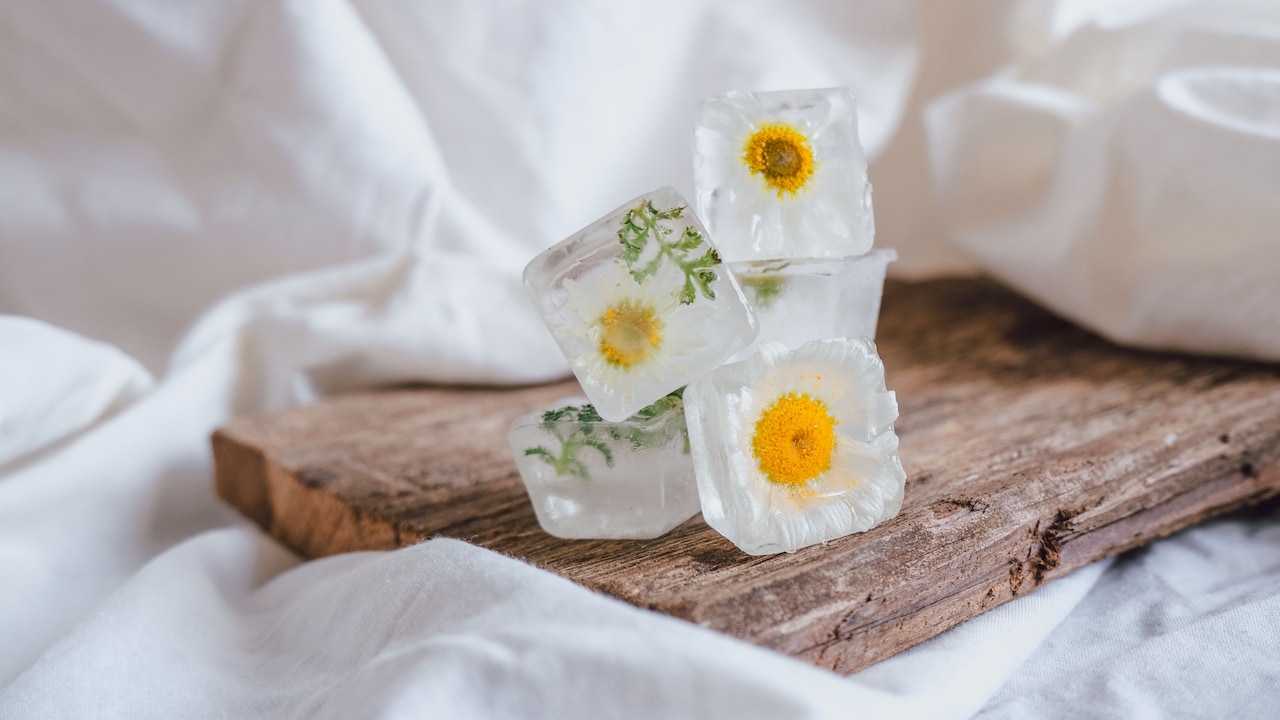
10 Reasons Ice Cubes Absorb Freezer Odours And How To Keep Them Fresh; Photo Credit: Pexels
Why Your Ice Cubes Smell Strange And What You Can Do About It
1. Strong-Smelling Foods Sit Too Close To The Ice
A freezer may seem like a sealed world where every food stays neatly in its own lane. In reality, aromas travel. Garlic paste, fish, meat marinades, chopped onions and richly spiced gravies can all release strong smells, especially when containers do not seal properly.
An open ice tray sitting next to such foods has little protection. Over time, the cubes can take on those surrounding aromas. The effect may seem mild at first, but it becomes obvious once the ice begins melting into a drink.
Keep strong-smelling foods in airtight boxes or freezer-safe zip pouches. Double-wrap especially pungent ingredients such as fish or garlic-heavy preparations. Position ice trays away from these items whenever freezer space allows.
A covered ice tray offers even better protection. Many affordable versions come with fitted lids, and they also make stacking easier in packed freezers.
Think of ice as the freezer's gossip collector. Give it enough exposure and it picks up more than anyone wanted to know. A little distance and a proper lid can keep the cubes blissfully uninformed.
Also Read: 6 Unique Ice Molds Online: Fun Ice Shapes Your Guests Will Love In Drinks
2. The Ice Tray Stays Uncovered
Open ice trays remain common because they are simple, familiar and easy to fill. Unfortunately, they also leave the water completely exposed to the freezer environment.
Before the water freezes, it can collect airborne smells from nearby foods. Even after freezing, exposed cubes remain vulnerable because their surfaces can trap odour-producing compounds over time. This often explains why freshly made cubes taste acceptable but develop an odd flavour after several days.
Using a tray with a lid solves much of the problem. If buying a new tray feels unnecessary, a clean freezer-safe container can also protect the cubes once they freeze. Transfer the finished ice into the container, close it tightly and return it to the freezer.
Avoid covering trays loosely with newspaper, ordinary plastic bags or random kitchen sheets. These may not seal properly and can create more mess than protection.
Covered trays also prevent crumbs, frozen vegetable bits and mysterious freezer flakes from landing on the ice. Nobody wants a coriander leaf frozen inside a cube unless a fancy restaurant planned it that way.
3. Old Ice Has Been Sitting Around Too Long
Ice cubes do not spoil in the same way milk or fresh food does, but that does not mean they stay perfect forever. Cubes left in the freezer for weeks can gradually absorb surrounding odours and develop a flat or stale taste.
The longer they remain exposed, the greater the chance of unwanted flavours creeping in. Ice can also shrink through sublimation, a process in which frozen water slowly turns into vapour without first becoming liquid. Those tired-looking, shrunken cubes at the back of the freezer have usually been there far too long.
Make smaller batches if the household does not use ice regularly. Empty old cubes every couple of weeks and start again rather than endlessly topping up the same tray.
For homes that use plenty of ice during summer, rotation happens naturally. During cooler months, however, trays may quietly sit untouched.
Fresh ice should taste like almost nothing. That blankness is exactly the point. If a cube smells like the freezer before it even reaches the glass, consider it a polite request for retirement.

10 Reasons Ice Cubes Absorb Freezer Odours And How To Keep Them Fresh; Photo Credit: Pexels
4. Food Containers Are Not Sealed Properly
Freezer containers often look closed even when their lids do not create a proper seal. A slightly loose corner, cracked lid or overfilled box can allow food aromas to escape into the surrounding air.
This becomes particularly noticeable with dishes containing ginger, garlic, garam masala, seafood or strong pickles. Once those aromas circulate through the freezer, exposed ice can collect them surprisingly quickly.
Check container lids before storing food. If a box has warped after repeated use, replace it rather than forcing the lid into place. Freezer-safe glass containers with secure lids work well for leftovers, while good-quality zip pouches help with smaller portions.
Try not to fill containers right to the brim. Frozen food expands, and an overcrowded box may push against its lid and weaken the seal.
Labelling also helps. A forgotten container tends to remain in the freezer longer than planned, giving it more time to release smells.
A freezer does not need to smell like a spice cupboard to prove that good food lives there. Tight lids keep the flavour where it belongs: inside the meal, not inside Tuesday evening's iced lemonade.
5. The Freezer Needs A Proper Clean
Sometimes the ice tray is innocent. The freezer itself causes the trouble.
Small spills from curry, milk, meat juices or melted frozen foods can dry onto shelves and corners. Tiny food fragments may also hide beneath baskets or inside drawer grooves. Cold temperatures slow bacterial activity, but they do not magically remove smells.
Start by emptying the freezer and checking for spills, damaged packets and forgotten food. Wipe the interior using warm water with a little bicarbonate of soda. Avoid strong cleaning products with heavy perfumes because their scent can linger and create a different ice problem.
Dry every surface thoroughly before returning food. Moisture left behind may freeze into inconvenient patches.
A small open bowl of bicarbonate of soda can also help absorb mild lingering odours. Replace it regularly rather than leaving the same bowl there for months.
Freezer cleaning rarely ranks among the weekend's most thrilling plans, but the reward arrives with the first neutral-tasting cold drink. Sometimes fifteen minutes of wiping beats wondering why every glass of water tastes faintly of Sunday lunch.
6. The Water Already Has An Unusual Taste
Not every unpleasant ice flavour starts inside the freezer. Sometimes the water carries minerals, chlorine or other noticeable tastes before it ever reaches the tray.
Freezing can make certain flavours seem more obvious, especially as the cube melts slowly into a drink. If tap water tastes slightly metallic or strongly chlorinated at room temperature, ice made from the same source may carry that character too.
Taste the water before freezing it. If the flavour seems unusual, consider using water from a reliable purifier or filtration system. Boiling and cooling water can also improve taste in some situations, although filtration usually tackles a wider range of common flavour issues.
Keep purifier filters maintained according to the manufacturer's instructions. An overdue filter can defeat the purpose and may even introduce unpleasant tastes.
Clean water also creates better cubes visually. Depending on mineral content and freezing conditions, filtered water may produce clearer-looking ice.
The freezer often gets blamed simply because that is where the flavour becomes noticeable. Before launching a full kitchen investigation, taste the water. The mystery may have entered the tray before the tray entered the freezer.
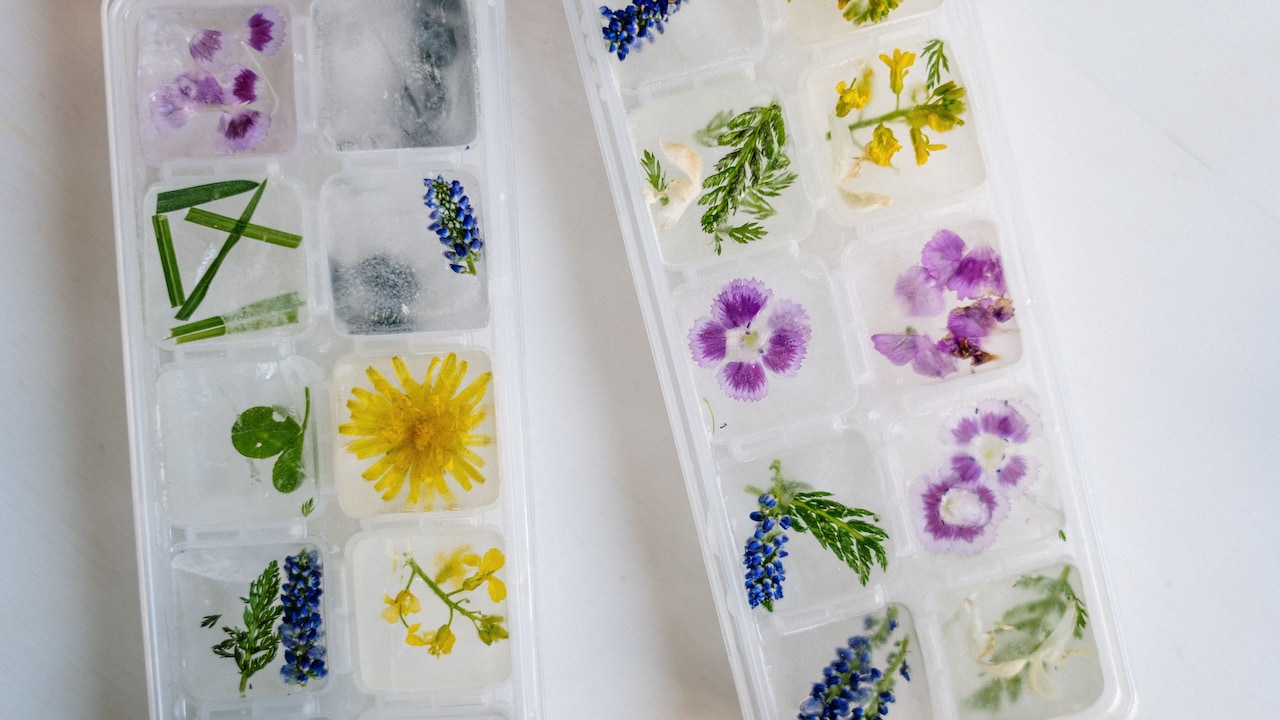
10 Reasons Ice Cubes Absorb Freezer Odours And How To Keep Them Fresh; Photo Credit: Pexels
7. The Ice Tray Has Absorbed Old Odours
Plastic ice trays can hold on to smells after months or years of regular use. Garlic, spices and freezer odours may settle into scratched or ageing plastic, especially if the tray has spent long periods near uncovered food.
A quick rinse may not remove those stubborn smells. The tray then passes them back to every fresh batch of water.
Wash ice trays thoroughly with warm water and mild washing-up liquid. For lingering odours, soak them briefly in water mixed with bicarbonate of soda, then rinse and dry them well before refilling.
Avoid using harsh cleaners or strongly scented dishwashing products. Any residue can create another unwanted flavour.
Inspect older trays for deep scratches, cracks or cloudy patches. Once plastic becomes badly worn, replacement makes more sense than endless scrubbing. Silicone or good-quality covered trays can offer a useful upgrade.
The simplest test involves smelling the empty tray after washing and drying it. If it still carries a clear freezer scent, fresh water will not magically fix the problem. Sometimes the cube is only as fresh as the mould that shaped it.
8. Defrosting And Refreezing Affect The Ice
Frequent temperature changes inside a freezer can affect both food quality and ice freshness. Power cuts, an overcrowded freezer, a door left open too long or a weak seal can cause partial thawing followed by refreezing.
During these fluctuations, condensation and food aromas may circulate more freely. Ice surfaces can become wet, collect odours and then freeze again with those smells trapped in place.
Check whether the freezer door closes firmly. A packet sticking out by just a few centimetres can prevent a proper seal. Avoid opening the door repeatedly while deciding what to cook, especially during hot weather.
If a long power cut causes ice cubes to melt significantly, discard them and make a new batch once the freezer returns to a stable temperature. Refrozen cubes may look harmless but can taste stale or carry freezer odours.
Keeping the freezer reasonably full can help maintain a steady temperature, although air still needs room to circulate.
Ice enjoys consistency. It prefers a cold, boring life. Give it repeated tropical holidays and sudden returns to winter, and freshness starts slipping away.
9. Ice Shares A Container With Other Frozen Items
Loose ice cubes often end up in whatever container happens to have space. That may mean a box previously used for frozen snacks, chopped vegetables or even meat. While the container may look clean, lingering oils and aromas can cling to its surface.
Ice stored directly beside other frozen foods can also absorb smells, especially when the container does not seal completely.
Dedicate one clean, airtight box exclusively to ice. Wash and dry it thoroughly before the first use, then avoid repurposing it for food with strong flavours. When cubes freeze in trays, transfer them directly into this container and close the lid.
Do not scoop ice with spoons or hands that have just handled food. Tiny traces of oil, masala or chutney can contaminate the remaining cubes.
A dedicated ice box also proves useful during gatherings. Guests can take cubes without repeatedly opening several trays, and the freezer stays more organised.
It may sound slightly fussy to reserve an entire container for frozen water, but nobody considers it fussy after tasting mango cooler without a surprise hint of frozen samosa.
10. The Freezer Has Poor Airflow Or Maintenance Issues
A freezer needs proper air circulation to maintain a stable temperature and keep odours from collecting in warm pockets. Packing every available centimetre with boxes, bags and forgotten packets can block vents and reduce airflow.
Poor circulation may create uneven temperatures, which can contribute to condensation and stronger freezer smells. It can also make the appliance work harder than necessary.
Keep vents clear and leave small gaps between larger containers. Organise food into sections so items remain easy to find without leaving the freezer door open for ages.
Check door seals regularly. Dirt, crumbs or damage around the rubber gasket can allow warm air to enter. Clean the gasket gently and make sure the door closes evenly.
If the freezer develops a persistent smell despite thorough cleaning and careful food storage, inspect the drainage area and appliance manual. Mechanical or drainage problems may require professional attention.
A tidy freezer is not about achieving social-media perfection with matching boxes and handwritten labels. It simply allows cold air to move properly. Fresh ice benefits from that calm environment, and so does everything else stored nearby.
Products Related To This Article
1. Ice Cube Molds with Lid,Big Silicone Ice Cube Tray for Whiskey
2. GRAYSON Face Ice Bowl | Ice Cube Tray For Face Dip
3. Crystal Ice Tray, Perfect Etched Large Cubes, Slow Melting for Whiskey and Cocktails
4. Silicone Ice Cube Tray (2 Pieces), Large Ice Cube Trays & Round Ice Mold with Funnel
5. Zollyss Ice Trays for Freezer Silicone
6. CLOUDVALLEY 4 Pack Silicone Ice Cube Trays with Lids Easy-Release Hexagon Ice Maker for Freezer
7. ARABIZ Plastic Mini Round Ice Cube Tray with Lid Ball Maker for Fresh Juice
Fresh-tasting ice comes down to three things: clean water, clean storage and a clean freezer. Strong food smells, uncovered trays, ageing ice and neglected spills can all turn a simple cube into a tiny carrier of unwanted flavour.
Fortunately, most fixes require very little effort. Cover the ice, seal pungent foods properly, rotate older ice cubes, clean trays regularly and give the freezer an occasional inspection. A dedicated ice container can make an especially noticeable difference in a busy kitchen.
It is easy to ignore ice because it looks so plain. Yet one odd-smelling cube can change an entire glass of cold coffee, juice or nimbu soda. On the other hand, clean ice quietly does its job without announcing itself at all. That is exactly how good ice should behave: cold, crisp and completely forgettable in the best possible way.
(Disclaimer: This article may include references to or features of products and services made available through affiliate marketing campaigns. NDTV Convergence Limited (“NDTV”) strives to maintain editorial independence while participating in such campaigns. NDTV does not assume responsibility for the performance or claims of any featured products or services.)