Drawer Organisers, Shelf Baskets Or Storage Boxes: What Works Best For Each Room?
Drawer organisers, shelf baskets or storage boxes, which suits each room best? Discover practical storage choices for kitchens, wardrobes, bathrooms, living rooms and more.
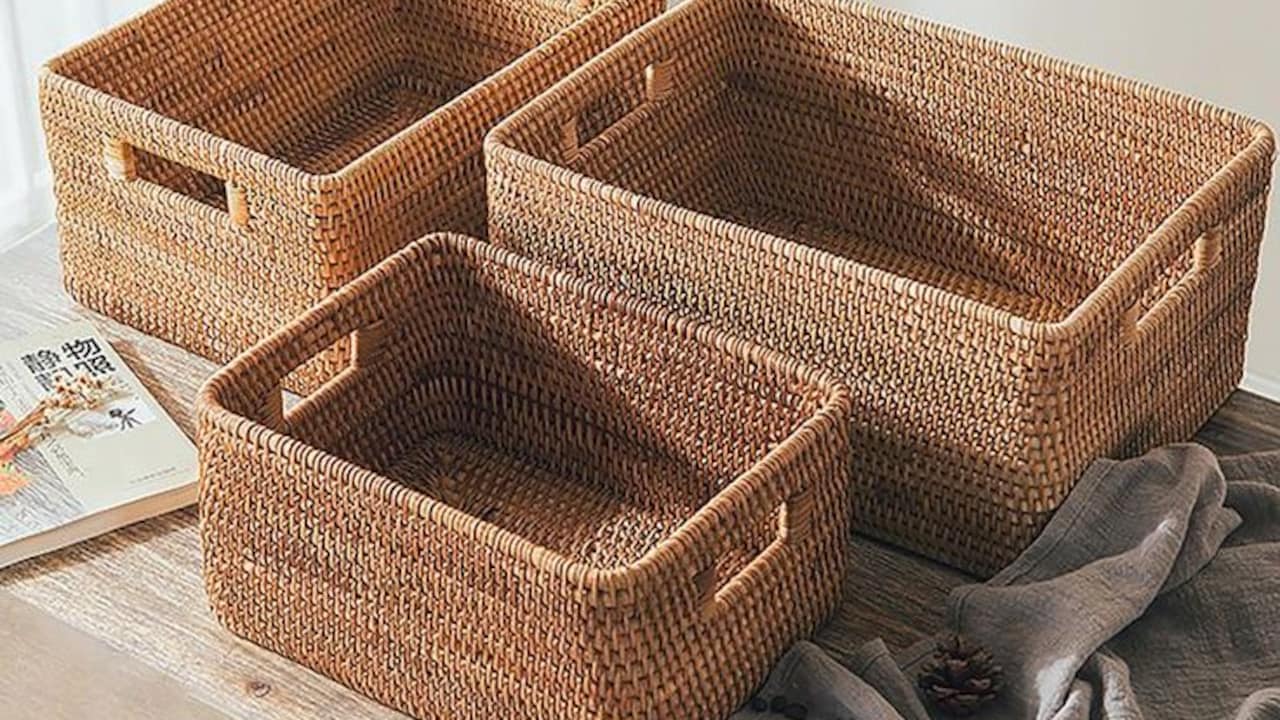
Drawer Organisers Vs Shelf Baskets Vs Storage Boxes: Which Is Best?
Every home has at least one space where objects seem to multiply overnight. A kitchen drawer refuses to close because three ladles have allied. The wardrobe shelf holds a leaning tower of festive clothes. Chargers gather in corners like they have nowhere else to be. The usual response involves buying a few storage products and hoping for the best. Yet storage works only when the organiser matches the room, the items, and the way people use them. A deep storage box may look neat, but it becomes frustrating when used for everyday socks. A drawer organiser may separate spoons beautifully, but it cannot rescue a shelf full of bulky towels. The real question is not which storage product looks best. It is what makes daily life easier.
Drawer Organisers Vs Shelf Baskets Vs Storage Boxes: Which Is Best?; Photo Credit: Pexels
Drawer organisers suit small items that need quick access. Shelf baskets help group medium-sized objects while keeping them visible. Storage boxes handle bulky, seasonal or rarely used belongings. The following room-by-room guide explores where each option earns its place and where it may create more trouble than order.
Choosing The Right Storage Solution For Every Room
1. Kitchen Drawers Need Clear Divisions
Kitchen drawers are prime territory for drawer organisers. Without sections, spoons, peelers, tongs and measuring cups soon create a metallic maze. Finding one teaspoon can feel like searching for a lost earring during a power cut.
A fitted cutlery tray works well for everyday spoons, forks and knives. Adjustable dividers suit deeper drawers that hold serving tools, foil rolls, tea strainers or spice packets. Smaller compartments also prevent bottle openers and clips from disappearing beneath larger utensils.
The key is to organise according to frequency. Everyday tools should sit near the front, while occasional items can stay at the back. Avoid forcing every utensil into a narrow section. Large ladles and rolling pins need breathing room, not strict discipline.
Drawer organisers also make cleaning easier. Instead of wiping around scattered tools, lift the tray, clean the drawer and place it back. For a modest spend of around ₹300 to ₹1,200, depending on material and size, the improvement can feel immediate. In the kitchen, clear divisions usually beat deep boxes or loose baskets.
Also Read: 5 Best Storage Organizers For Monsoon Prep Under ₹2000
2. Pantry Shelves Work Best With Baskets
Pantry shelves often look organised for exactly two days. Then snack packets collapse, lentil bags slide behind flour containers, and someone opens three packets of the same ingredient.
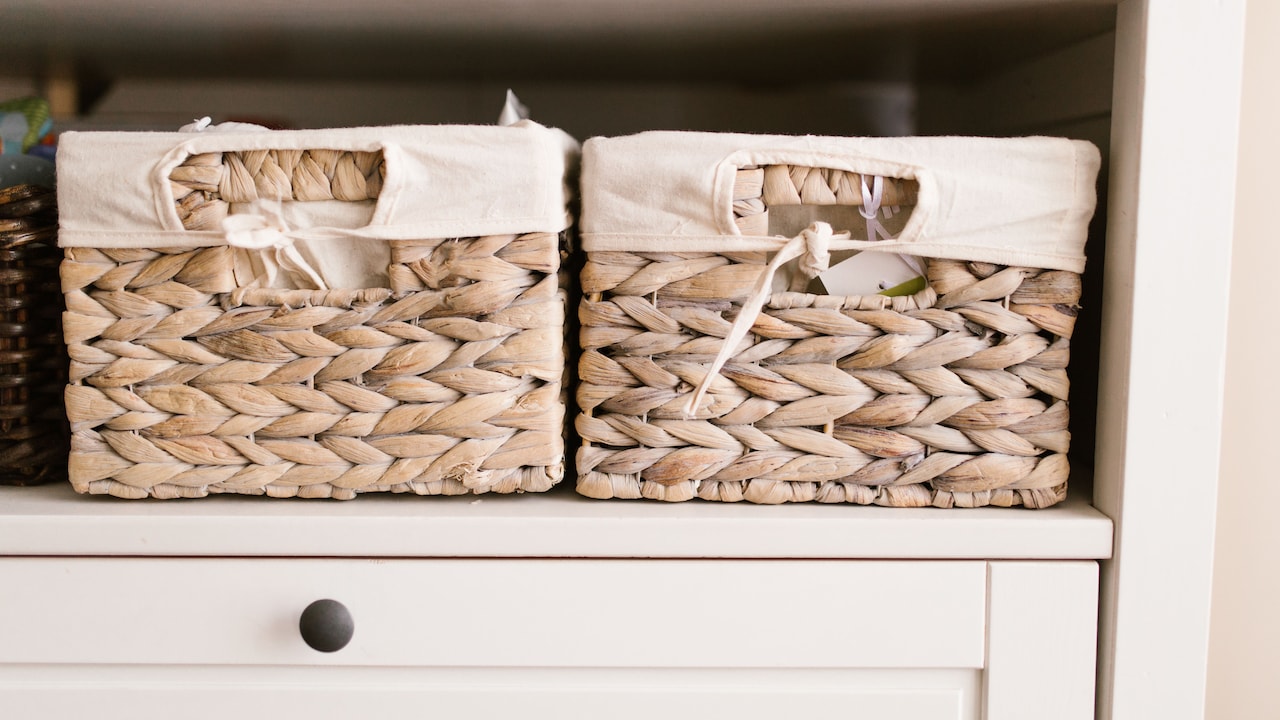
Shelf baskets solve this problem by grouping similar items. One basket can hold breakfast foods, another can store baking supplies, while a third keeps instant snacks together. Open baskets work particularly well because they allow a quick glance before the next grocery run.
Choose baskets with handles, especially for high or deep shelves. Pulling out a lightweight basket feels far easier than reaching behind a row of jars. Metal, cane-look plastic and sturdy polypropylene options all work, though washable materials suit kitchens best.
Avoid using large opaque storage boxes for ingredients used every day. They hide contents and add an extra lid to every task. That may look tidy in photographs, but it becomes annoying at 7.30 in the morning when someone needs poha in a hurry.
Shelf baskets bring order without making the pantry feel rigid. They also help prevent duplicate purchases, which quietly saves more money than the baskets cost.
Drawer Organisers Vs Shelf Baskets Vs Storage Boxes: Which Is Best?; Photo Credit: Pexels
3. Refrigerator Shelves Benefit From Small Bins
A refrigerator presents a special challenge. It contains items of different shapes, expiry dates and levels of urgency. A forgotten coriander bundle can turn into a science experiment surprisingly quickly.
Small shelf bins or baskets work better here than traditional storage boxes. Use them to group chutneys, dairy products, breakfast items or small packets. Clear bins offer the biggest advantage because they keep everything visible. A labelled “Use First” bin can also hold food nearing its expiry date, reducing waste.
Drawer organisers have limited value inside a refrigerator, although narrow dividers may help separate cheese slices or sachets. Large lidded boxes suit leftovers, but they should not become permanent homes for every item. Too many closed containers make it difficult to see what needs attention.
Measure the shelf depth before buying bins. Refrigerator interiors vary, and an oversized basket can block airflow or prevent the door from closing properly. Compact bins priced between ₹250 and ₹800 often provide enough structure.
The best refrigerator system remains flexible. Food changes every week, so the storage should move easily rather than behave like fixed furniture.
4. Wardrobe Drawers Need Organisers For Small Clothing
Wardrobe drawers can swallow small clothing faster than expected. Socks lose partners, scarves become tangled and innerwear forms one determined heap.
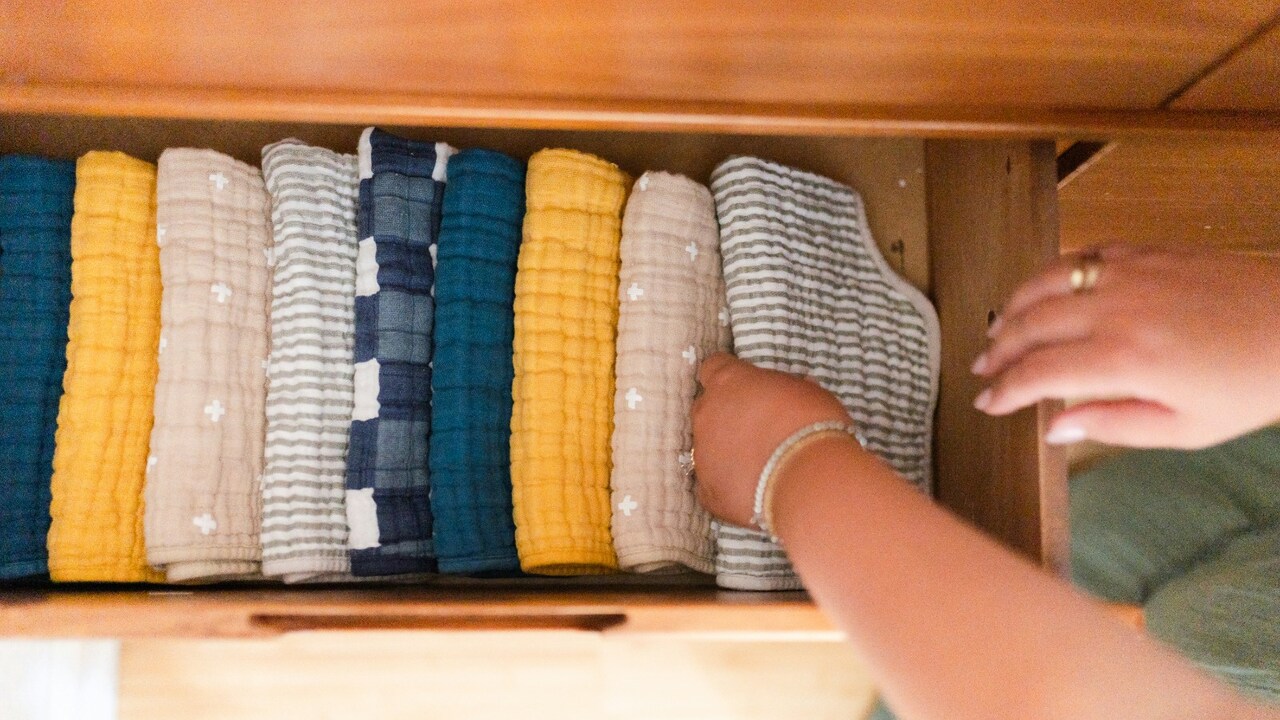
Drawer organisers create calm by giving each category a defined space. Fabric cell organisers work well for rolled T-shirts, socks, ties and undergarments. They keep pieces upright, which means every item remains visible. This arrangement also avoids the classic problem of pulling one shirt from the bottom and disturbing the entire stack.
Rigid dividers suit accessories such as belts, watches, cufflinks and jewellery. Soft organisers work better for clothing because they adjust slightly to different shapes.
Do not overcrowd each compartment. A divider should support the fold, not compress it like luggage before a long train journey. If clothes spring out every time the drawer opens, the solution is probably decluttering rather than buying another organiser.
For daily clothing, open access matters more than complete concealment. Storage boxes may look elegant, but lids slow down rushed mornings. Drawer organisers keep the system simple, visible and easy enough to maintain even on busy weekdays.
5. Wardrobe Shelves Need Baskets And Boxes Together
Wardrobe shelves usually hold a mixed crowd: jeans, handbags, spare bedsheets, winterwear and festive outfits that appear only a few times a year. No single storage product can manage all of them well.
Shelf baskets suit frequently used items such as everyday scarves, nightwear or handbags. They prevent stacks from toppling and make high shelves easier to access. Baskets with front openings are especially useful because they allow items to slide out without removing the whole container.
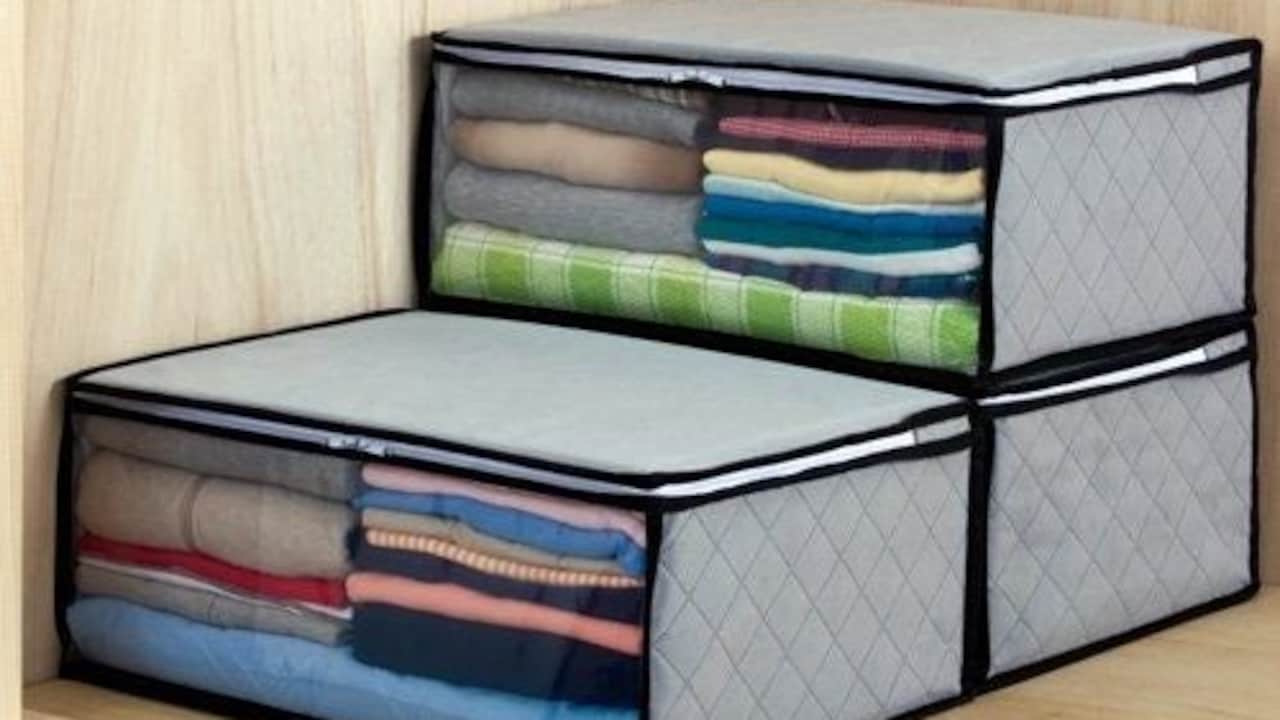
Storage boxes work better for seasonal clothing, embroidered outfits and sentimental garments. Choose breathable fabric boxes for clothes and sturdy lidded boxes for items that need dust protection. Clear windows help identify contents without opening every box.
Keep daily items between shoulder and waist height. Place occasional clothing on upper shelves. Heavy boxes should stay lower to avoid awkward lifting.
A combined system often works best: baskets for what comes out weekly, boxes for what comes out yearly. This simple rule prevents the wardrobe from becoming a museum of forgotten clothing and makes dressing feel less like an archaeological dig.
6. Bathrooms Need Washable Shelf Baskets
Bathrooms demand storage that can handle moisture, splashes and hurried hands. Decorative cardboard boxes may look charming for a week, but humidity soon exposes their weakness.
Plastic or coated metal shelf baskets work best for toiletries, cleaning supplies and spare products. Open designs allow damp items to dry and make it easier to spot an almost-empty shampoo bottle. Use smaller baskets to separate skincare, haircare and dental products. This keeps the shelf neat without turning the morning routine into a complicated filing system.
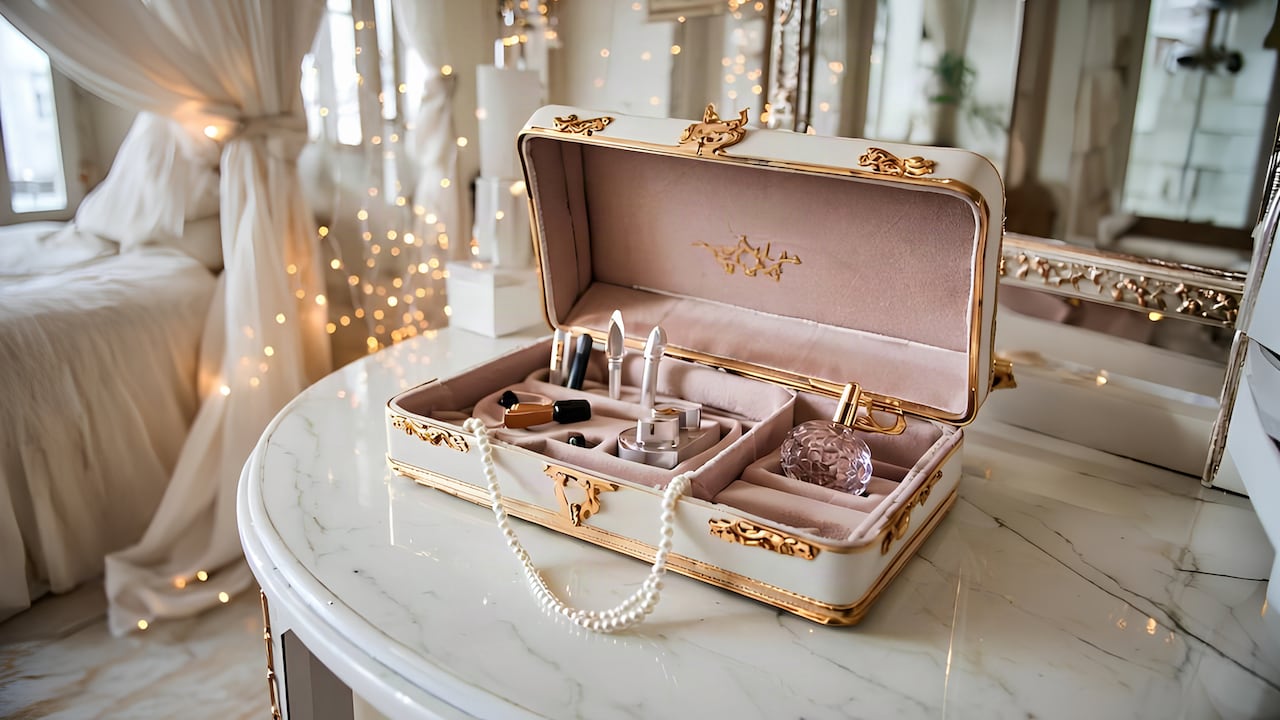
Drawer organisers suit vanity drawers that hold combs, razors, clips and cosmetics. Choose washable inserts, as powder and toothpaste marks appear sooner than anyone expects.
Lidded storage boxes have a limited role. They can hold sanitary products, spare soap or guest toiletries, provided the box stays away from direct water. Avoid deep boxes for daily essentials. Nobody wants to remove three lids just to find a fresh towel.
Bathroom storage should favour hygiene over decoration. Smooth surfaces, ventilation and easy cleaning matter far more than elaborate patterns. A practical basket that survives regular washing will always outperform a beautiful box that fears water.
Drawer Organisers Vs Shelf Baskets Vs Storage Boxes: Which Is Best?; Photo Credit: Pexels
7. Living Rooms Need Storage Boxes That Hide Visual Clutter
Living rooms collect the most visible kind of clutter. Remote controls, charging cables, magazines, board games and children's toys can make a carefully arranged space feel busy within minutes.
Storage boxes and lidded baskets work well because they conceal mixed items. A box beneath the coffee table can hold chargers and gaming accessories. A sturdy basket near the sofa can store throws, newspapers or toys. Ottomans with hidden storage also earn their floor space by performing two jobs at once.
Smaller drawer organisers suit television consoles, where they can separate batteries, keys, cables and instruction manuals. However, open shelf baskets may add visual noise when filled with unrelated objects. The living room needs fewer visible categories than the pantry or wardrobe.
Choose boxes that match the room's scale. A tiny decorative box will not tame a family-sized collection of toys. A huge trunk may dominate a compact flat. Neutral fabric boxes often blend easily with existing furniture, while woven baskets add warmth.
The goal is not to hide everything permanently. It is to create a quick reset system before guests arrive or the evening chai begins.
8. Children's Rooms Need Open Baskets At Easy Height
Children rarely maintain storage systems that require perfect folding, careful stacking or complicated lids. Any organiser that feels like homework will probably remain empty while the floor takes over.
Open shelf baskets work best for toys, books, art supplies and soft toys. Place them at a child-friendly height so tidying does not depend on an adult. Broad categories work better than detailed ones. A basket for blocks, one for cars and another for craft supplies usually succeeds. Twelve tiny categories rarely survive the week.
Storage boxes can hold puzzles, dress-up clothes or toys used less often. Choose lightweight boxes with rounded edges. Avoid heavy lids that may trap small fingers. Clear fronts or picture labels help younger children recognise where things belong.
Drawer organisers suit crayons, pencils, stickers and small building pieces. Keep these inside a desk or craft drawer to prevent them from spreading across the room.
The most effective system makes tidying quick. A child should be able to place an item in the correct spot without stopping to solve a storage puzzle. Easy access encourages independence and reduces the nightly “Where does this go?” debate.
9. Home Offices Need Drawer Organisers For Tiny Essentials
A home office can look calm on the surface while hiding absolute chaos inside the desk. Pens, clips, cables, sticky notes and old visiting cards often compete for the same drawer.
Drawer organisers provide the best solution for these small essentials. Choose a tray with mixed compartment sizes rather than identical sections. Long spaces can hold pens and rulers, while smaller ones suit pins, drives and clips. Cable ties or narrow dividers prevent charging wires from forming knots.
Shelf baskets can hold notebooks, printer paper or current project files. Use them only when the contents belong together. A basket marked “To File” can prevent paperwork from spreading across the desk, though it needs regular attention or it may become a polite name for procrastination.
Storage boxes work for archived documents, spare electronics and items needed only occasionally. Label every closed box clearly. Memory becomes unreliable when six identical boxes sit on the top shelf.
In a home office, accessibility affects productivity. Frequently used tools should remain within arm's reach. Rarely used supplies can move higher or farther away. A clear desk may not answer emails, but it certainly makes starting easier.
10. Utility Areas Need Durable Storage Boxes
Utility balconies, laundry corners and storerooms often hold the least glamorous but most necessary items in the home. Detergents, cleaning cloths, repair tools, spare bulbs and festival decorations all need space, though they rarely need daily attention.
Durable storage boxes work best for these areas. Lidded plastic boxes protect contents from dust, moisture and insects. Transparent options make identification easier, while solid boxes need clear labels on at least two sides. Stackable designs save floor space and reduce unstable piles.
Use separate boxes for electrical supplies, cleaning refills, decorations and tools. Do not mix chemicals with fabrics or food-related items. Heavy objects should stay in smaller boxes because large containers become difficult to lift when full.
Shelf baskets still help with frequently used cleaning products. A handled basket can carry sprays, gloves and cloths from room to room. Drawer organisers may suit a small tool cabinet, where screws, nails and tape need separation.
Utility storage should value strength and safety above appearance. A sturdy ₹700 box that lasts for years offers more value than a decorative container that cracks under the weight of one enthusiastic stack.
Products Related To This Article
1. DAREV 4 Pcs Wardrobe Organizer for Clothes with Metal Frame Rectangle Storage Baskets
2. Storite 3 Pack Nylon 33 L PVC Transparent Moisture Proof Storage box for Clothes
3. ALOXE Cosmetic Organizer Box Drawers Storage Plastic Stationary Box
4. Zuku Storage Box Basket for Storage Plastic Organiser for Storage Bathroom Storage Box
5. UCRAVO Plastic Versatile Desk Organiser with 5 Compartments
6. TEX-RO Big Storage Box and Organiser
7. FLYNGO 3 Pcs Foldable Storage Box Organiser with Lid
Drawer organisers, shelf baskets and storage boxes do not compete for one winning position. Each solves a different kind of clutter. Drawer organisers work best where small objects need quick access and clear separation. They bring order to kitchen tools, wardrobe essentials, office supplies and vanity items. Shelf baskets suit medium-sized belongings that need grouping without disappearing from view. They shine in pantries, bathrooms, wardrobes and children's rooms. Storage boxes handle bulky, seasonal or visually messy items. They prove most useful in living rooms, utility spaces and upper wardrobe shelves.
The strongest storage system usually combines all three. The trick lies in matching the container to the habit. Daily items need easy access. Occasional belongings need protection. Similar objects need to stay together.
Before buying another organiser, look at what the room asks people to do. Does the item need to remain visible? Does it need dust protection? Will someone use it every morning or twice a year? Those answers matter more than colour, trend or matching labels.
A well-organised home does not need to resemble a showroom. It simply needs to support ordinary life, including rushed breakfasts, unexpected guests, festive seasons and the occasional drawer that still refuses to behave.
(Disclaimer: This article may include references to or features of products and services made available through affiliate marketing campaigns. NDTV Convergence Limited (“NDTV”) strives to maintain editorial independence while participating in such campaigns. NDTV does not assume responsibility for the performance or claims of any featured products or services.)