Gaming Chairs vs Ergonomic Chairs: Which One Actually Fixes Back Pain?
Gaming chairs look stylish, but ergonomic chairs are built for posture. This article breaks down which one actually helps reduce back pain and supports long hours of sitting.

Best Chair For Back Pain: Gaming vs Ergonomic Chairs Compared
Walk into any electronics store or browse online, and the difference is impossible to miss. On one side, flashy gaming chairs with bold colours and racing-style curves. On the other hand, understated ergonomic chairs that look like they belong in a corporate office. Both claim to support posture, reduce discomfort, and make long hours at a desk feel effortless.
Yet back pain remains stubbornly common. Students hunched over laptops, professionals glued to screens, and gamers locked into late-night sessions all share one quiet complaint: a sore, stiff back that refuses to cooperate. With prices ranging from ₹6,000 to ₹50,000 or more, the question becomes more than aesthetic preference. It turns into a decision about health, comfort, and long-term well-being.
So which chair actually helps? Does the stylish appeal of gaming chairs translate into real support, or do ergonomic chairs quietly outperform them? The answer lies not just in design, but in how the body truly behaves during hours of sitting.

Best Chair For Back Pain: Gaming vs Ergonomic Chairs Compared; Photo Credit: Pexels
Where Comfort Meets Posture: Breaking Down The Differences
The Rise Of The Gaming Chair Craze
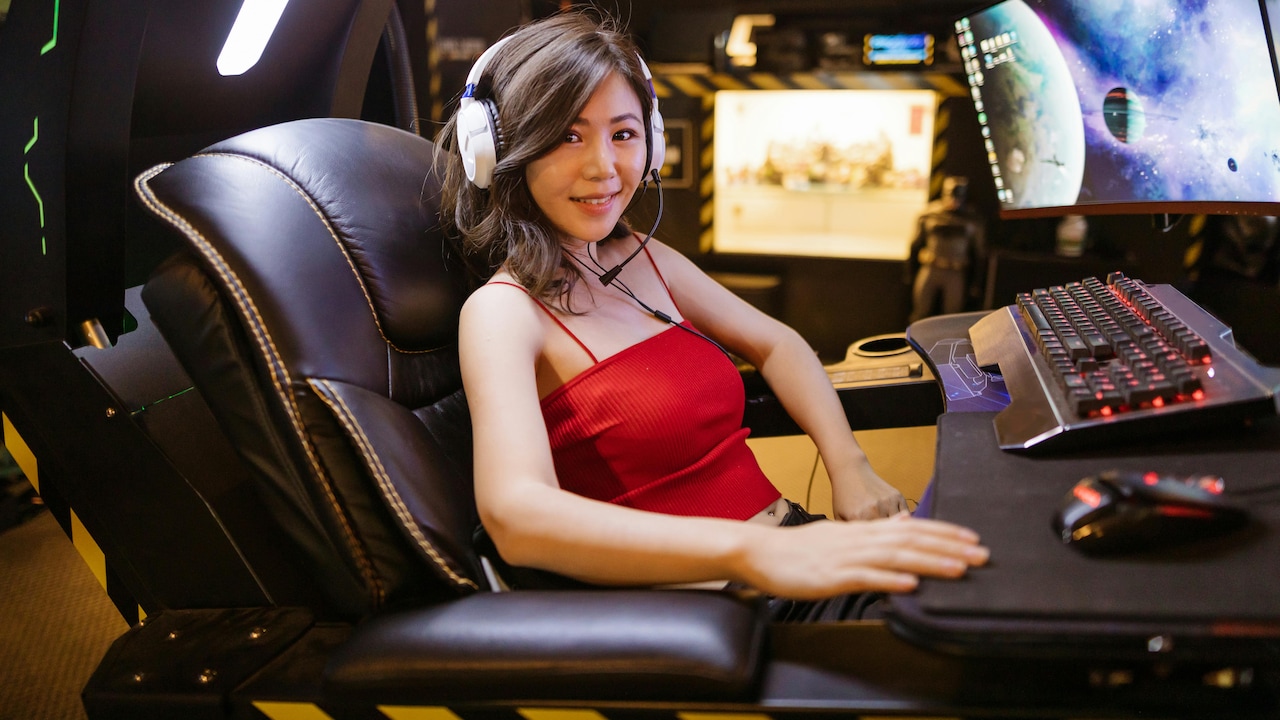
Gaming chairs did not simply appear; they exploded into popularity. Influencers, streamers, and esports tournaments turned them into symbols of serious gaming culture. The racing car aesthetic, complete with bucket seats and bold logos, gave users a sense of being part of something dynamic and exciting.
For many, the appeal goes beyond function. Sitting in a gaming chair feels like stepping into a personal cockpit. Long sessions suddenly feel more immersive, even if the game itself remains unchanged. That psychological boost matters more than expected.
However, the focus often leans heavily on looks and branding. Many gaming chairs borrow their structure from car seats designed for short bursts of intense driving, not hours of static sitting. While they may feel comfortable initially, prolonged use can reveal limitations. The back begins to ache, shoulders stiffen, and posture slowly deteriorates.
In homes where gaming doubles as work or study, this becomes a bigger issue. Spending ₹15,000 on a chair that looks impressive but fails to support the spine properly can feel like buying style at the cost of comfort.
What Makes Ergonomic Chairs Different
Ergonomic chairs rarely shout for attention. Their designs appear modest, sometimes even boring at first glance. Yet beneath that simplicity lies careful engineering aimed at supporting the human body through long hours of sitting.
Every curve, adjustment, and material serves a purpose. Lumbar support aligns with the natural curve of the spine. Adjustable armrests reduce shoulder strain. Breathable mesh backs prevent overheating during humid afternoons.
Unlike gaming chairs, ergonomic chairs adapt to the user rather than forcing the user to adapt to them. This distinction plays a crucial role in preventing discomfort. When a chair supports natural posture, muscles relax instead of compensating.
Consider a typical workday at home. Sitting for eight hours on a poorly designed chair leads to subtle but cumulative strain. By evening, the discomfort becomes impossible to ignore. An ergonomic chair, even one priced around ₹10,000 to ₹20,000, can reduce that strain significantly by maintaining proper alignment throughout the day.
Also Read: 7 Best Budget Gaming Chairs Under ₹20,000 For Heavy Gamers: Strong Build And All-Day Comfort
Understanding Back Pain: The Real Culprit
Back pain rarely appears overnight. It builds slowly through habits, posture, and prolonged inactivity. Sitting may seem harmless, but it places more pressure on the spine than standing.
When posture slips, shoulders forward, lower back unsupported, the spine loses its natural curve. Muscles compensate, leading to fatigue and discomfort. Over time, this can develop into chronic pain that affects daily life.
Chairs play a major role, but they are not the sole factor. Sitting duration, desk height, and even screen positioning contribute to the problem. However, the right chair can either reduce or worsen these effects.
A common misconception is that any “comfortable” chair will prevent pain. Soft cushioning may feel pleasant initially, but often lacks the structure needed for support. True comfort comes from stability and alignment, not just softness.
Understanding this shifts the focus. The question is no longer which chair feels better at first, but which one supports the body over time without causing strain.
Best Chair For Back Pain: Gaming vs Ergonomic Chairs Compared; Photo Credit: Pexels
Lumbar Support: The Make-Or-Break Feature
The lower back, or lumbar region, carries a significant portion of body weight while sitting. Without proper support, it tends to slump, leading to discomfort and long-term issues.
Gaming chairs often include removable lumbar pillows. While this sounds beneficial, these cushions can shift, flatten, or fail to align correctly with the spine. They offer temporary relief rather than consistent support.
Ergonomic chairs, in contrast, integrate lumbar support directly into the design. Many models allow adjustments in height and depth, ensuring the support matches the user's body precisely. This makes a noticeable difference during extended sitting.
Imagine working through a long day or studying for exams. A well-supported lower back reduces fatigue, allowing focus to remain on tasks rather than discomfort. Without it, even short sessions become tiring.
Spending ₹2,000 more on a chair with proper lumbar support often proves wiser than saving money on one that lacks it entirely.
Adjustability: One Size Does Not Fit All
No two bodies are identical. Height, weight, and posture vary widely, making adjustability essential in any chair designed for long-term use.
Gaming chairs offer limited adjustments, usually seat height and reclining angle. While this works for casual use, it falls short for those spending extended hours seated.
Ergonomic chairs excel in this area. Seat depth, armrest height, back tilt, and lumbar position can all be customised. This allows the chair to fit the user rather than forcing a compromise.
Picture a shared workspace at home. One person tall, another shorter. A fixed chair struggles to suit both, leading to discomfort for at least one user. An adjustable chair solves this effortlessly.
This flexibility ensures proper alignment regardless of body type, making ergonomic chairs more versatile and effective in preventing strain.
Comfort Vs Support: The Subtle Difference
Comfort often gets confused with softness. A plush chair may feel inviting at first, but it can lead to poor posture over time.
Gaming chairs lean heavily towards cushioning. Thick padding creates an initial sense of luxury, but without proper structure, it can encourage slouching.
Ergonomic chairs focus on balanced support. Materials like mesh provide firmness while allowing slight movement. This keeps the body engaged without causing fatigue.
Think of it like a mattress. Too soft, and the body sinks awkwardly. Too firm, and pressure builds. The right balance supports natural alignment.
Long hours reveal the truth. A chair that felt amazing for 20 minutes may feel unbearable after three hours. Support, not softness, determines long-term comfort.
Aesthetic Appeal Vs Practical Function
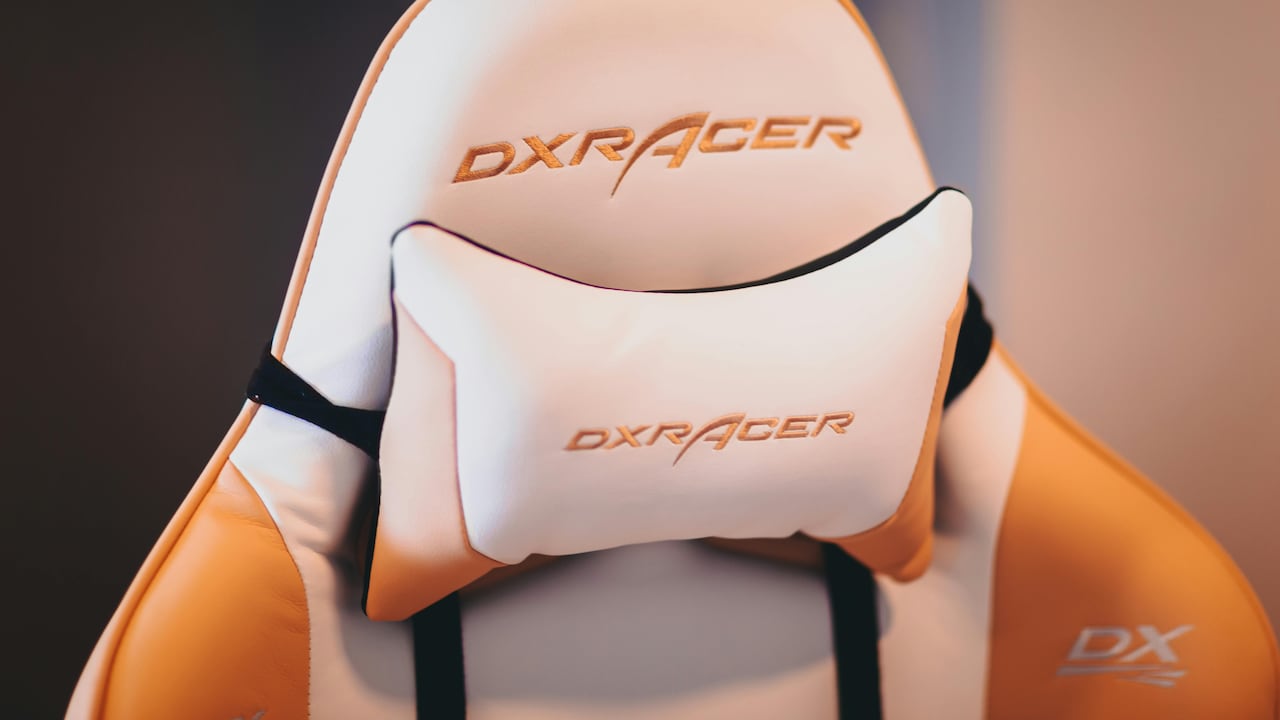
There is no denying the visual appeal of gaming chairs. Bright colours, bold designs, and racing-style shapes make them stand out instantly. They transform a simple room into a lively setup.
Ergonomic chairs, on the other hand, prioritise function over flair. Their understated appearance blends into workspaces rather than dominating them.
The choice often comes down to priorities. For those who value aesthetics and enjoy the gaming vibe, gaming chairs hold strong appeal. However, appearance does not translate into physical benefits.
In everyday life, practicality tends to outweigh style. A chair used for work, study, and relaxation must perform consistently. Visual appeal fades quickly when discomfort sets in.
Spending ₹20,000 on a chair should feel like an investment, not just a decorative purchase.
Best Chair For Back Pain: Gaming vs Ergonomic Chairs Compared; Photo Credit: Pexels
Durability And Long-Term Value
A chair is not a short-term purchase. It endures daily use, often for several hours at a stretch. Durability becomes a key factor.
Gaming chairs, especially budget models, may show wear quickly. Faux leather can peel in humid conditions, and padding may lose shape over time.
Ergonomic chairs often use materials designed for longevity. Mesh backs resist heat and moisture, while sturdy frames maintain structure.
Over a few years, the difference becomes clear. A ₹12,000 ergonomic chair that lasts five years offers better value than a ₹10,000 gaming chair needing replacement after two.
Durability also affects comfort. A chair that loses support over time can contribute to back pain rather than preventing it.
The Role Of Movement And Sitting Habits
Even the best chair cannot compensate for poor habits. Sitting still for long periods affects circulation and muscle activity.
Gaming sessions and work hours often blur together, leading to extended sitting without breaks. This contributes significantly to discomfort.
Ergonomic chairs encourage subtle movement through flexible designs. This helps maintain circulation and reduces stiffness.
Regular breaks, stretching, and posture awareness play equally important roles. Standing up every hour, adjusting posture, and keeping screens at eye level can make a noticeable difference.
A chair should support healthy habits, not replace them. Pairing a good chair with mindful sitting practices creates the best outcome.
Price Vs Performance: Is Expensive Always Better?
Price often influences perception. Higher cost suggests better quality, but that is not always the case.
Gaming chairs can be expensive due to branding and design rather than functionality. Paying ₹25,000 does not guarantee better support.
Ergonomic chairs, even in the ₹8,000 to ₹15,000 range, often provide superior posture support. The focus remains on function rather than appearance.
However, extremely cheap options in either category may compromise quality. Poor materials and weak construction can negate any benefits.
The key lies in evaluating features rather than price alone. Lumbar support, adjustability, and build quality matter more than brand names or flashy designs.
Products Related To This Article
1. GTPLAYER #1USA Multi-Functional Ergonomic Gaming & Computer Chair
2. Da URBAN® Merlion Office Chair
3. Green Soul Ghost (2026 Edition) Gaming Chair
4. Ergonomic Desk Chair Mesh Computer Chair with Lumbar Support Armrest Executive Rolling Swivel Adjustable Mid Back Chair
5. Drogo Aura Ergonomic Gaming Chair With Premium PU Leather Fabric
6. Kepler Brooks Italia Premium Leatherette Office Chair for Work
7. ValorX USA Vector 2026 Edition I Ergonomic Gaming & Computer Chair in PU Leather
Choosing between a gaming chair and an ergonomic chair ultimately comes down to priorities. Gaming chairs offer style, personality, and a sense of immersion. They suit short sessions and aesthetic-focused setups.
Ergonomic chairs, however, take a quieter approach. They focus on supporting the body, maintaining posture, and reducing long-term discomfort. For those dealing with back pain or spending extended hours seated, they prove far more effective.
The answer becomes clear when comfort is measured over time rather than moments. Back pain does not respond to flashy designs or thick cushioning. It responds to proper alignment, support, and healthy habits.
In the end, the best chair is not the one that looks impressive, but the one that quietly keeps the body comfortable day after day.
(Disclaimer: This article may include references to or features of products and services made available through affiliate marketing campaigns. NDTV Convergence Limited (“NDTV”) strives to maintain editorial independence while participating in such campaigns. NDTV does not assume responsibility for the performance or claims of any featured products or services.)