Glass vs Steel vs Silicone Bakeware: Which Is Best For Everyday Home Baking?
Glass, steel or silicone, each bakeware claims to be the best. This article breaks down how they perform in everyday home baking, comparing heat, texture, durability and value to help choose wisely.
Glass vs Steel vs Silicone: Which Bakeware Actually Works Better for Everyday Home Baking?
Baking rarely begins with fancy equipment. It often starts with a craving, a recipe forwarded on WhatsApp, and whatever tray sits within arm's reach. Over time, that tray becomes a trusted partner or a source of frustration. Cakes crack, brownies stick, muffins bake unevenly. The blame usually lands on the oven or the recipe, but bakeware deserves equal attention. Glass dishes gleam on shop shelves. Steel tins promise professional results. Silicone moulds boast flexibility and ease. Each material claims superiority, yet everyday baking tells a more nuanced story.
This article explores how glass, steel and silicone behave during daily baking. Heat distribution, handling, cleaning, storage and value for money all come under scrutiny. Realistic scenarios guide the discussion, from reheating leftovers to baking a sponge cake for a child's birthday. So, when it comes to choosing between glass vs steel vs silicone bakeware, we reveal which is best for everyday home baking. By the end, choosing bakeware should feel less confusing and far more practical.
Glass vs Steel vs Silicone Bakeware: Which Is Best For Home Baking?
Photo Credit: Pexels
Breaking Down the Everyday Pros and Cons of Common Bakeware
1. Heat Distribution: Where Baking Success Truly Begins
Even heat forms the backbone of good baking. Without it, cakes dome unevenly, cookies brown on one side, and lasagnes scorch at the edges. Steel bakeware shines in this department. It heats up quickly and spreads heat evenly, which helps cakes rise uniformly, and cookies bake with crisp edges.
Glass behaves differently. It heats slowly but retains heat for longer. This trait suits casseroles and baked desserts that need steady warmth. However, sudden temperature changes can cause problems. A chilled glass dish placed into a hot oven risks cracking, especially during hurried baking sessions.
Silicone offers a mixed experience. It resists extreme temperatures but conducts heat poorly. Cakes often take longer to bake and may emerge pale. A longer baking time can dry out delicate sponges. For slow bakes like cheesecakes or set desserts, silicone performs better, provided patience stays intact.
Everyday baking often rewards predictable heat. Steel wins for reliability, while glass and silicone demand a little more planning and care.
2. Texture and Finish: Crisp Edges or Soft Comfort
The final texture often decides whether a bake earns compliments or polite smiles. Steel pans create crisp edges and well-browned bases. Brownies gain that desirable crackly top. Pies develop golden crusts that hold their shape when sliced.
Glass bakeware leans towards softer results. The retained heat continues cooking food even after removal from the oven. This quality suits bread puddings, baked custards and savoury dishes that benefit from gentle finishing. Cakes baked in glass may turn out moist but sometimes lack crispness along the sides.
Silicone produces the softest finishes. Edges rarely brown deeply, which works well for muffins, cupcakes and steamed-style cakes. Traditionalists may miss the firm crusts, but children often enjoy the softer bite. For experimental bakers trying eggless or gluten-free recipes, silicone's forgiving nature offers comfort.
Texture preferences vary. Festive baking often favours steel, while everyday comfort bakes may lean towards glass or silicone.
Also Read: Glass vs Ceramic Bakeware: Why Glass Is The Smarter Choice For Your Kitchen
3. Durability and Longevity: What Survives Real Kitchens
Bakeware lives a hard life. It faces temperature shocks, metal spoons, hurried washing and cramped storage. Steel bakeware, especially heavy-gauge varieties, handles this abuse well. Scratches may appear, but performance rarely suffers. Rust becomes the main enemy, especially if pans stay damp.
Glass demands gentler treatment. A small knock against the sink can spell disaster. Many kitchens have lost beloved dishes to accidental slips. Yet well-made glass bakeware lasts for years when handled carefully. It resists stains and retains clarity, which appeals to those who enjoy serving straight from the oven.
Silicone resists cracking and breaking but faces other issues. Over time, it absorbs odours and colours. Strong spices leave lingering scents. Cheap silicone may warp or tear after repeated use. Quality matters greatly here.
For busy homes, steel offers peace of mind. Glass suits careful bakers. Silicone works best when chosen wisely and treated kindly.
4. Ease of Cleaning: The After-Baking Reality
The joy of baking often fades at the sink. Steel pans, when properly greased, clean easily. However, burnt sugar and sticky batters cling stubbornly. Scrubbing can remove non-stick coatings over time.
Glass excels in cleaning. Its smooth surface releases food with minimal effort. Soaking loosens even baked-on gravies. Glass also handles dishwashers without complaint, which suits families juggling multiple chores.
Silicone promises easy release, and often delivers. Cakes pop out with little persuasion. Yet cleaning silicone feels deceptively tricky. Its flexible surface attracts grease. Washing by hand works better than dishwashers, which sometimes leave a cloudy residue.
For those who value quick clean-ups after late-night baking, glass offers the least resistance. Steel and silicone require slightly more care, but reward patience.
5. Storage and Space: The Hidden Challenge
Kitchen storage rarely features in bakeware advertisements, yet it shapes everyday choices. Steel bakeware stacks neatly. Tins nest inside each other, saving precious shelf space. Their rigid form fits well into cupboards.
Glass bakeware takes up more room. Thick walls and handles demand wider shelves. Stacking risks chipping, so many households dedicate specific spaces for glass dishes. The trade-off comes in serving convenience, as glass transitions beautifully from oven to table.
Silicone bends and folds, which sounds ideal. In practice, flexible bakeware flops awkwardly in drawers. Shapes distort when stored improperly. Keeping silicone moulds flat helps preserve their form, but requires thoughtful organisation.
Compact kitchens benefit from steel's efficiency. Glass suits homes with dedicated storage. Silicone works best when storage solutions match its flexibility.
6. Safety and Handling: From Oven to Table
Handling hot bakeware tests confidence and grip. Steel heats quickly and stays hot, demanding reliable oven mitts. Lightweight steel pans sometimes feel flimsy when loaded with batter, which increases spill risks.
Glass remains hot for longer, yet its weight adds stability. Thick glass dishes feel reassuring when carried. Clear sides allow bakers to check doneness without opening the oven, reducing heat loss.
Silicone stays cooler on the outside, a definite advantage. However, its flexibility causes wobbling. Lifting a full silicone cake mould requires caution. Placing it on a baking tray adds support and reduces spills.
Safety depends on habits. Steel rewards attentiveness. Glass supports steady handling. Silicone benefits from additional structure.

Glass vs Steel vs Silicone Bakeware: Which Is Best For Home Baking?
Photo Credit: Pexels
7. Cost and Value: What Delivers the Best Return
Budgets matter, especially when kitchens already juggle expenses. Steel bakeware ranges widely in price. Affordable options perform well for basic baking. Premium brands offer thicker construction and better coatings, extending lifespan.
Glass bakeware costs more upfront. However, its durability and versatility justify the investment. One dish handles baking, serving and storage, reducing the need for multiple containers.
Silicone prices vary dramatically. Cheap moulds attract buyers but disappoint quickly. High-quality silicone costs more but lasts longer and performs better. The key lies in resisting bargain traps.
Value depends on usage. Frequent bakers benefit from investing in steel. Occasional bakers appreciate glass's versatility. Silicone suits specific needs rather than everyday baking.
8. Versatility Across Recipes: One Pan, Many Dishes
Versatile bakeware simplifies cooking. Steel handles cakes, cookies, breads and savouries with ease. Adjusting temperatures and timings allows experimentation across cuisines and recipes.
Glass excels beyond baking. It transitions seamlessly into reheating leftovers, baking pasta dishes or setting desserts in the fridge. Its transparency adds visual appeal during serving.
Silicone specialises in certain recipes. Muffins, cupcakes, chocolates and frozen treats suit its flexibility. However, large cakes and layered bakes challenge silicone's structure.
Households cooking varied dishes benefit from a mix. Steel anchors baking. Glass supports multipurpose cooking. Silicone adds convenience for specific treats.
9. Taste, Tradition and Nostalgia
Bakeware often carries emotional weight. Steel tins evoke memories of birthday cakes cooled on windowsills. Glass dishes recall festive feasts shared straight from the oven. Silicone feels modern, colourful and playful, appealing to younger bakers and children.
Taste perceptions link closely to tradition. Many associate steel-baked cakes with better flavour due to caramelised edges. Glass-baked dishes feel comforting and homely. Silicone delivers novelty and ease, though purists sometimes dismiss it.
Cultural habits shape preferences quietly. Sunday baking rituals, festival preparations and family recipes all influence which bakeware feels right. Practicality matters, but emotion often tips the balance.
10. The Verdict for Everyday Home Baking
Choosing bakeware rarely involves absolutes. Steel emerges as the most reliable all-rounder. It handles heat well, stores easily and suits frequent baking. Glass offers unmatched versatility and cleaning ease, making it ideal for families and multipurpose cooking. Silicone brings convenience and creativity but works best as a supplement rather than a sole solution.
Every day home baking benefits from balance. A sturdy steel cake tin, a trusted glass baking dish and a couple of silicone moulds cover most needs. Rather than chasing trends, understanding how each material behaves leads to better results and fewer disappointments.
Bakeware should support baking joy, not complicate it. The best choice aligns with habits, space and recipes, quietly delivering success batch after batch.
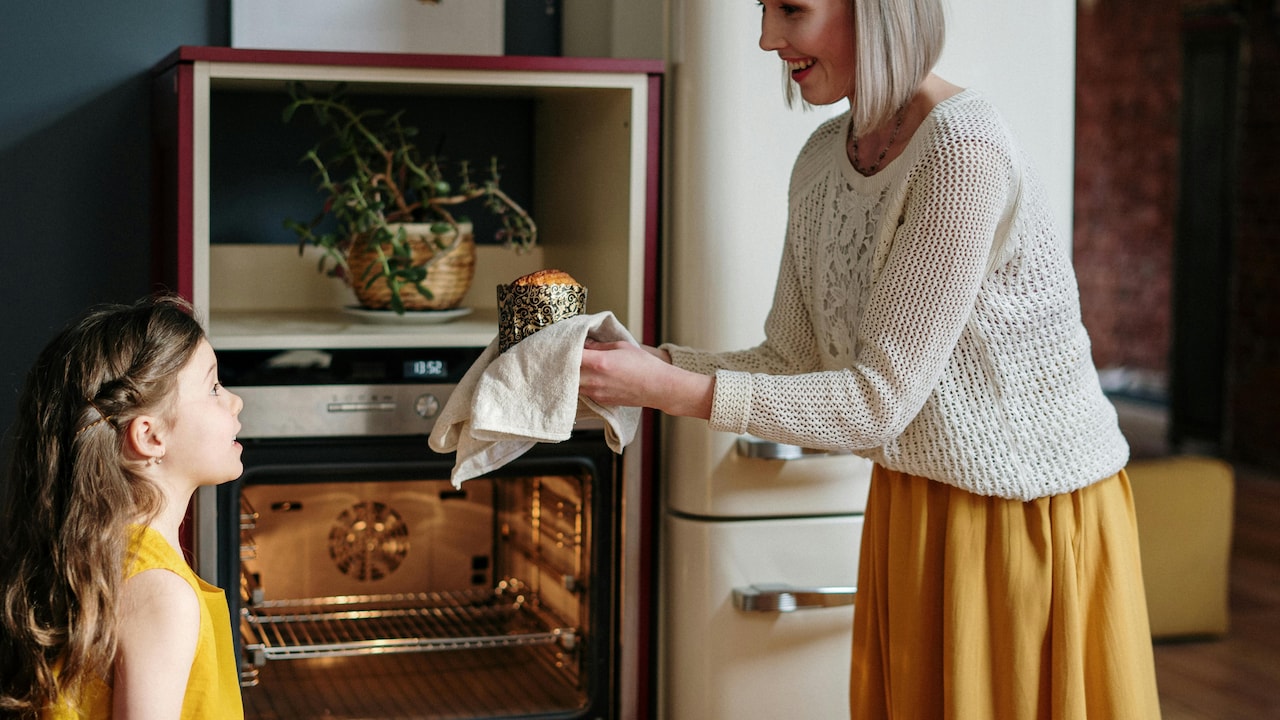
Glass vs Steel vs Silicone Bakeware: Which Is Best For Home Baking?
Photo Credit: Unsplash
Products Related To This Article
1. Xacton Air Fryer Liners
2. Premium SGS Certified Cake Moulds
3. Allo Borosilicate Square Glass Baking Dish
4. 6 pcs. Reusable Air Fryer Silicone Pot Liners
5. Clazkit Silicone Muffin Cup Moulds
6. Borosil 1.2 L Baking & Serving Round Shape Cake Dish with Handle
7. Premium Sgs Certified Cake Baking Combo 4 Baking Set Includes Round Cake Tin
Bakeware rarely steals the spotlight, yet it shapes baking outcomes more than many realise. Glass, steel and silicone each bring strengths and quirks to the kitchen. Steel offers consistency and performance. Glass provides versatility and ease. Silicone introduces flexibility and fun. Every day, home baking thrives on tools that feel dependable. Mixing materials rather than choosing sides creates a kitchen ready for any recipe, from festive cakes to late-night comfort bakes.
Ultimately, bakeware should work with the baker, not against them. When the right pan meets the right recipe, baking becomes less of a gamble and more of a pleasure.
(Disclaimer: This article may include references to or features of products and services made available through affiliate marketing campaigns. NDTV Convergence Limited (“NDTV”) strives to maintain editorial independence while participating in such campaigns. NDTV does not assume responsibility for the performance or claims of any featured products or services.)







![Steam Iron Teflon Shoe Cover for ES-300,ST-96 [Only For ES-300 and ST-96 Model Electric Steam Irons]](https://m.media-amazon.com/images/I/51wwkttondL._SL160_.jpg)