Memory Foam Pillow vs Fibre Pillow: Which Supports Neck Better?
Memory foam or fibre pillow, which truly supports the neck better? Discover how comfort, support, durability, and sleep habits influence the right choice for pain-free mornings and better sleep quality.
Memory Foam Pillow Vs Fibre Pillow: Which One Is Better For Neck Support And Sleep Comfort?
Sleep habits have changed dramatically over the years. Long office hours, endless screen scrolling, and late-night streaming sessions have turned neck pain into an unwelcome companion for many households. Conversations about sleep now sound less like luxury discussions and more like wellness strategies. Amid ergonomic chairs and posture-correcting desks, pillows have finally stepped into the spotlight.
Walk into any bedding store or browse online marketplaces, and the choices feel overwhelming. Memory foam pillows claim scientific precision and spinal alignment. Fibre pillows promise softness, affordability, and easy maintenance. Both look inviting on display shelves, neatly packed and labelled with comforting words such as “orthopaedic”, “premium”, or “hotel-like comfort”.
Yet the real question remains simple: which pillow actually supports the neck better through a full night's sleep?
The answer depends on more than marketing claims. Sleeping position, climate, budget, and even personal habits play a role. A pillow that feels heavenly for one sleeper might feel unbearable for another. Understanding how each type works helps avoid expensive trial and error and saves mornings from beginning with stiffness and regret.
The following sections unpack the differences in detail, comparing memory foam and fibre pillows across comfort, durability, temperature control, maintenance, and long-term neck health.

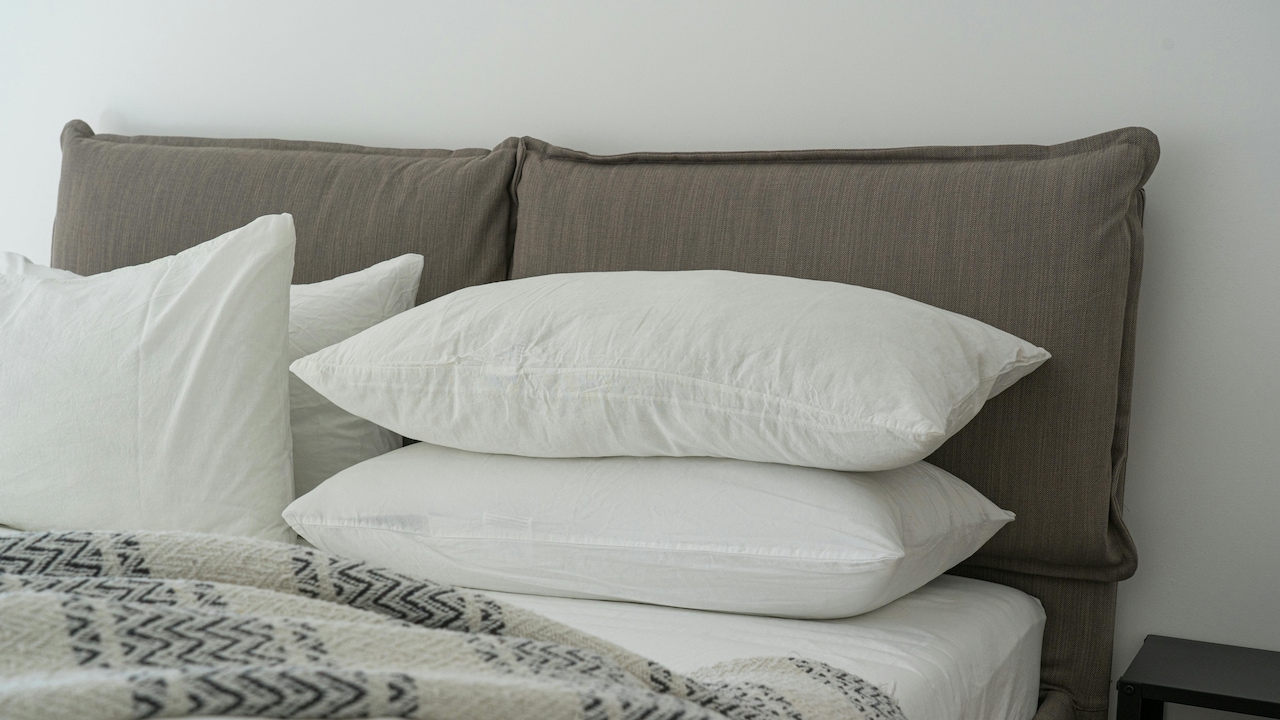
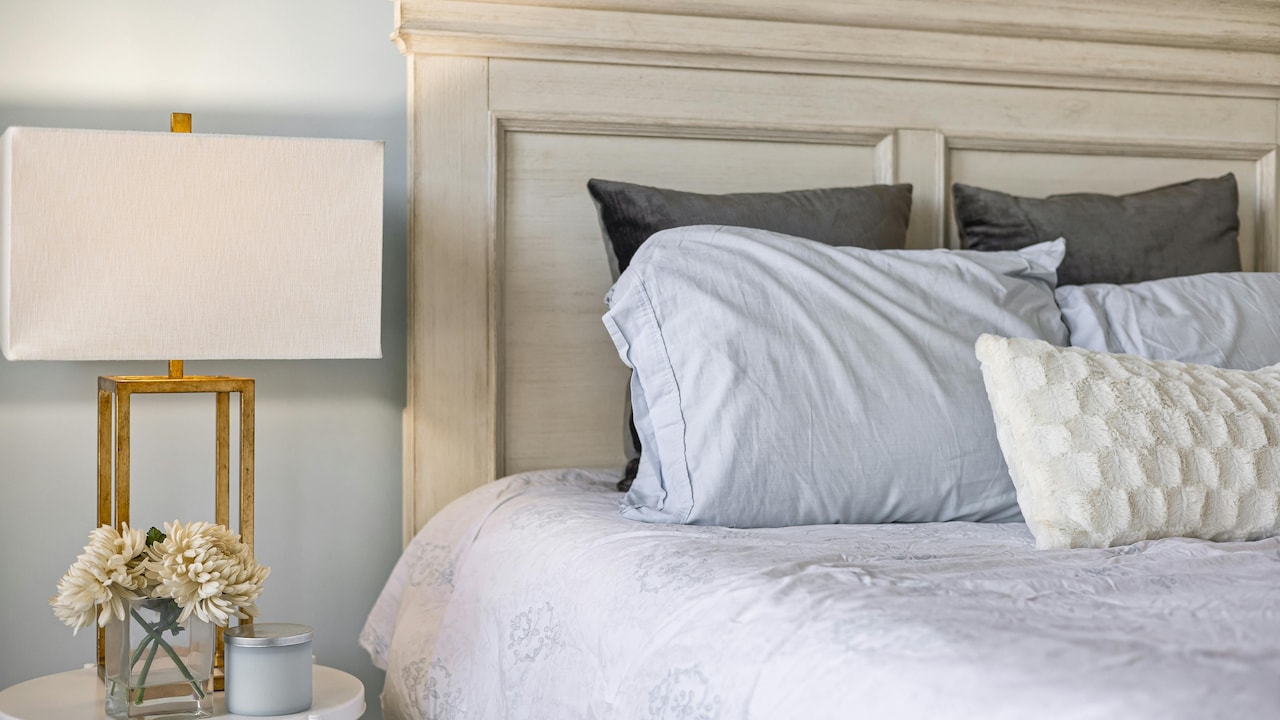
Memory Foam Pillow vs Fibre Pillow: Which Supports Neck Better?; Photo Credit: Pexels
How Memory Foam And Fibre Pillows Compare In Everyday Use
Understanding Neck Support And Why It Matters
Neck support rarely receives attention until discomfort appears. The neck carries the weight of the head for hours during sleep, and poor alignment strains muscles silently through the night. A pillow's primary job is not softness or luxury; it must keep the spine in a neutral position.
Imagine standing upright with ears aligned over shoulders. That same posture should continue while lying down. When a pillow sits too high, the neck bends upward. When too flat, the head tilts backwards. Both positions stress muscles and compress joints.
Many people blame mattresses for poor sleep, yet an unsuitable pillow often causes the real problem. Morning stiffness, headaches, or numb arms frequently trace back to improper neck elevation. Even young professionals working long hours at laptops notice relief after changing pillows rather than chairs.
Neck support also influences sleep quality beyond pain relief. Proper alignment improves breathing pathways, reduces tossing and turning, and allows deeper rest cycles. Over time, consistent support prevents chronic tension and posture issues.
Memory foam and fibre pillows approach this challenge differently. One adapts to shape; the other provides cushioned flexibility. Understanding these philosophies sets the foundation for choosing the right companion for nightly rest.
What Is A Memory Foam Pillow?
Memory foam pillows emerged from space-age material innovation but quickly found their place in everyday bedrooms. Made from viscoelastic foam, these pillows respond to body heat and pressure, slowly moulding around the head and neck.
The first sensation surprises many users. Instead of bouncing back instantly, the pillow gently sinks and forms a customised cradle. This contouring effect distributes weight evenly, preventing pressure points from forming during long sleep hours.
For sleepers dealing with recurring neck pain, this adaptive design feels reassuring. The foam fills gaps between neck curves and the mattress surface, maintaining consistent alignment. Side sleepers often appreciate this feature most because their shoulders create uneven spacing that ordinary pillows struggle to support.
However, memory foam introduces a learning curve. The firmness feels unfamiliar initially, especially for those used to fluffy pillows. Some describe the experience as structured rather than cloud-like comfort.
Quality varies significantly across price ranges. Basic versions may cost around ₹800–₹1,200, while premium ergonomic designs climb beyond ₹3,000. Higher-density foam usually offers better durability and support retention.
Memory foam pillows appeal to sleepers seeking stability and precision rather than softness alone. Their strength lies in consistency; the pillow behaves the same way every night, regardless of sleeping movement.
Also Read: Foam Vs Fibre: How To Choose The Right Pillow For Better Sleep
What Is A Fibre Pillow?
Fibre pillows represent the familiar classic found in countless homes and hotels. Filled with polyester fibres, they aim to replicate the softness of down feathers while remaining affordable and easy to maintain.
The immediate appeal lies in their plush feel. A fibre pillow compresses easily and springs back quickly, creating a comforting, cosy sensation. Many sleepers associate this softness with relaxation, making fibre pillows emotionally comforting as well as practical.
Unlike memory foam, fibre fillings allow airflow between strands, which keeps the pillow lighter and cooler. This quality becomes especially noticeable during warmer months when heavier materials feel suffocating.
Affordability adds to their popularity. Standard fibre pillows typically range between ₹300 and ₹900, making them accessible for frequent replacement. Families often keep multiple pillows for guests or seasonal rotation without significant expense.
However, fibre fillings shift with movement. Over time, the material clumps or flattens, reducing consistent neck support. Frequent fluffing becomes necessary to restore shape, and even then, alignment may vary nightly.
Fibre pillows suit sleepers who prioritise softness, flexibility, and budget-friendly comfort. They feel welcoming and familiar but rely heavily on maintenance to maintain adequate support.
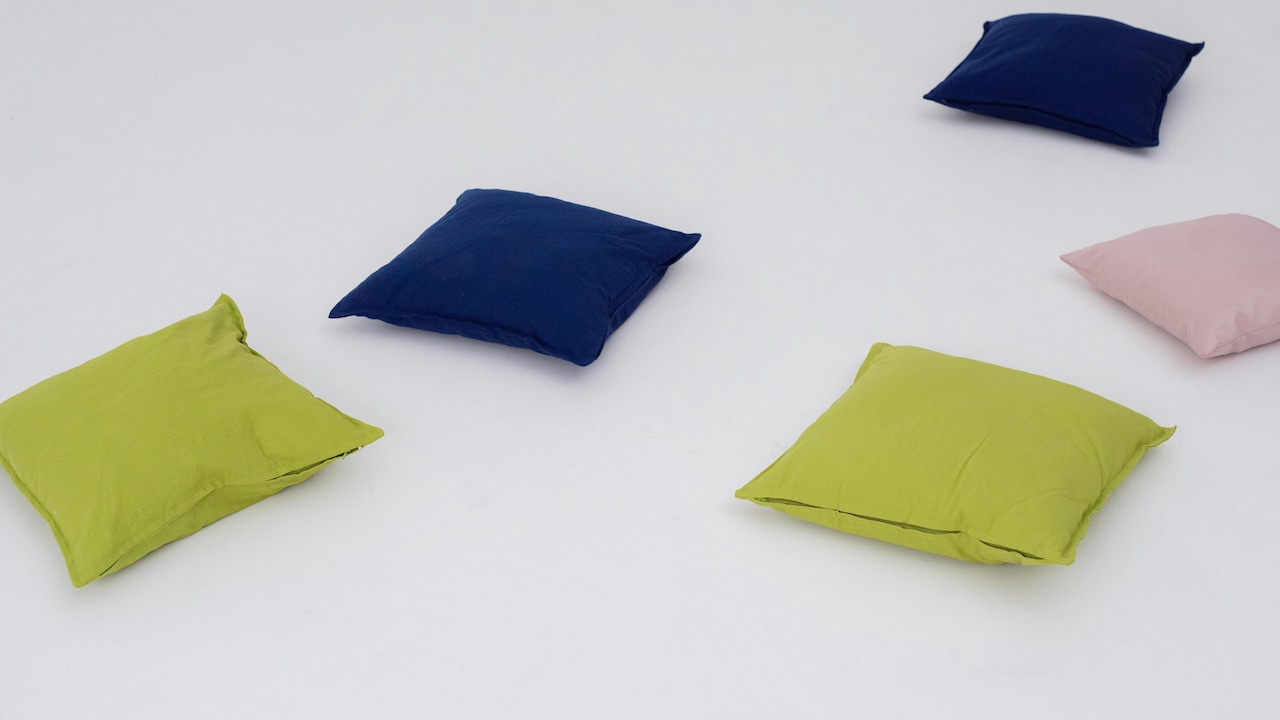
Memory Foam Pillow vs Fibre Pillow: Which Supports Neck Better?; Photo Credit: Pexels
Support And Spinal Alignment: The Core Difference
When comparing neck support, alignment becomes the decisive factor. Memory foam excels because it maintains its shape once compressed. The material adapts precisely to head contours and holds that position throughout sleep.
This stability prevents sudden dips or uneven pressure distribution. Side sleepers, in particular, benefit from sustained elevation that keeps the spine straight. Back sleepers also experience balanced support as the foam fills the natural curve beneath the neck.
Fibre pillows behave differently. Their softness allows constant movement, which feels pleasant initially but may reduce structural support over hours. As fibres shift, the head gradually sinks deeper, subtly altering alignment without immediate awareness.
Many sleepers wake up repeatedly to adjust or fold fibre pillows for extra height. While this habit feels normal, it signals inconsistent support. Over months, such micro-adjustments contribute to muscle fatigue.
That said, some sleepers prefer gentle flexibility rather than firm contouring. People who change positions frequently may find fibre pillows more forgiving, as memory foam can feel restrictive during rapid movement.
Ultimately, memory foam provides targeted orthopaedic support, while fibre pillows deliver adaptable comfort. The choice depends on whether stability or softness matters more to nightly rest.
Comfort Levels And Sleeping Positions
Comfort remains deeply personal. A pillow that earns glowing reviews may still feel unsuitable depending on sleeping posture and preferences.
Side sleepers often require thicker pillows to fill the gap between shoulder and the mattress. Memory foam performs well here because it preserves height without collapsing. The neck stays aligned even after hours of pressure.
Back sleepers usually prefer medium support. Contoured memory foam designs support the neck curve while preventing the head from tilting forward. Fibre pillows can work too, but only when filled generously and replaced regularly.
Stomach sleeping presents challenges for both types. Thick memory foam may elevate the head excessively, while fluffy fibre pillows compress unevenly. A thinner pillow or specialised design suits this position better.
Temperature perception also influences comfort. Some people enjoy the hugging sensation of memory foam, while others prefer the airy lightness of fibre. Personal tolerance to firmness shapes satisfaction more than marketing claims.
Comfort evolves as well. What feels luxurious during a five-minute store trial may differ after eight hours of uninterrupted sleep. Real comfort appears when mornings begin without stiffness rather than when pillows feel soft at first touch.

Memory Foam Pillow vs Fibre Pillow: Which Supports Neck Better?; Photo Credit: Pexels
Heat Retention And Climate Suitability
Temperature plays a surprising role in sleep quality. A pillow that traps heat can disrupt rest even if it provides excellent support.
Memory foam tends to retain warmth because its dense structure limits airflow. During humid nights, some sleepers notice increased sweating or discomfort. Manufacturers now add cooling gels or perforated designs, yet warmth remains a common observation.
Fibre pillows naturally allow better ventilation. Air circulates between fibres, preventing heat buildup. For those sensitive to temperature changes, this breathable structure often feels refreshing.
Climate conditions influence preference significantly. In warmer regions or non-air-conditioned rooms, fibre pillows may feel more comfortable throughout the year. Memory foam suits cooler environments or climate-controlled bedrooms where the temperature stays stable.
Cooling pillow covers and breathable cotton cases help balance both options. Small adjustments, such as switching pillowcases or rotating pillows during the night, can improve comfort dramatically.
Ultimately, neck support matters most, but thermal comfort determines whether sleepers actually stay asleep long enough to benefit from that support.
Durability And Long-Term Value
A pillow's real cost reveals itself over time. While fibre pillows appear economical initially, they lose shape faster than memory foam alternatives.
Daily compression gradually breaks the fibre structure, causing flattening within six to twelve months. Frequent replacement becomes necessary to maintain support. Over several years, repeated purchases may exceed the cost of a single durable pillow.
Memory foam pillows typically last two to three years when maintained properly. High-density foam resists sagging and retains contouring ability longer. Even after extended use, support remains relatively consistent.
However, durability depends heavily on quality. Low-cost foam may harden or crumble, while premium options justify higher prices through longevity. Spending ₹2,000–₹3,000 once can sometimes replace multiple cheaper purchases.
Maintenance habits also matter. Using protective covers and allowing pillows to air occasionally extends lifespan for both types.
From a value perspective, fibre pillows suit short-term affordability, while memory foam often wins in long-term investment for neck health and consistent comfort.
Maintenance, Hygiene And Allergies
Cleanliness influences both health and comfort. Pillows absorb sweat, dust, and skin particles over time, making maintenance essential.
Fibre pillows score high in washability. Most designs allow machine washing, making them practical for households managing allergies or frequent cleaning routines. Regular washing restores freshness and reduces dust mites effectively.
Memory foam requires more care. Direct washing damages the foam structure, so cleaning usually involves spot treatment and airing. Removable covers become essential for hygiene management.
Allergy considerations vary by individual sensitivity. Synthetic fibre fillings resist natural allergens found in feather pillows, yet dust accumulation still occurs without proper cleaning. Memory foam's dense structure discourages dust mites but demands careful upkeep.
Busy households often prefer easy maintenance, which gives fibre pillows an advantage. However, using washable pillow protectors balances hygiene concerns for memory foam users.
Ultimately, cleanliness habits influence pillow performance just as much as material choice. A well-maintained pillow supports both neck health and overall sleep quality.
Budget Considerations And Everyday Practicality
Budget often guides purchasing decisions more than technical features. Fibre pillows appeal immediately due to their low price and widespread availability. Buying multiple pillows for family members feels practical without stretching expenses.
Memory foam, though costlier upfront, attracts buyers seeking long-term solutions rather than temporary comfort. Many people switch after repeated neck discomfort, viewing the purchase as an investment in wellness rather than bedding.
Daily practicality also matters. Fibre pillows remain lightweight and easy to adjust, making bed-making quick and effortless. Memory foam feels heavier and more structured, which some sleepers appreciate, and others find inconvenient.
Travel habits influence choice too. Fibre pillows compress easily for packing, while memory foam retains shape and occupies more luggage space.
Sales seasons and online discounts frequently narrow the price gap, encouraging experimentation. Still, comfort should outweigh price alone. Spending ₹500 less offers little benefit if mornings begin with soreness.
Balancing affordability with health needs leads to smarter decisions than chasing either luxury or savings alone.
Who Should Choose Which Pillow?
Choosing between memory foam and fibre ultimately depends on lifestyle, sleep habits, and personal comfort expectations.
Memory foam suits individuals experiencing recurring neck pain, long desk hours, or posture-related discomfort. Its structured support encourages spinal alignment and reduces nightly strain. Those who prefer firmness and stability often adapt quickly and rarely return to softer options.
Fibre pillows suit sleepers who value softness, breathability, and easy care. They work well for children, guest rooms, or anyone who enjoys reshaping pillows frequently during sleep.
Couples sometimes choose different pillow types despite sharing the same bed. Personal comfort rarely follows universal rules, and experimenting with options often leads to surprising discoveries.
Sleep experts frequently suggest prioritising alignment over initial softness. A pillow should feel supportive first and comfortable second. After all, the real test occurs not at bedtime but at sunrise, when the neck decides whether the choice was wise.
Understanding personal needs transforms pillow shopping from confusion into confident decision-making.
Products Related To This Article
1. MY ARMOR Cervical Pillow for Neck Pain
2. MY ARMOR Microfiber Pillows Set 2
3. Ergonomic Memory Foam Pillow for Neck Pain
4. Wakewell Pillow for Sleeping, Soft Hollow Fibre Pillows for Bed
5. Memory Foam Cervical Neck Pillow
6. WOODWHITE Basic White Pillow Pack of 2 in 41 x 61 cm with Extra Focus Blue Border & Plush Microfibre Filling
7. Memory Foam Pillow, Contour Cervical Orthopedic Memory Foam Pillows
The debate between memory foam and fibre pillows reflects a broader truth about sleep: comfort means different things to different people. Memory foam stands out for structured neck support, consistent alignment, and long-term durability. Fibre pillows shine through softness, breathability, affordability, and easy maintenance.
Neither option holds universal superiority. The better pillow depends on sleeping posture, temperature preference, budget, and sensitivity to firmness. Those seeking relief from persistent neck discomfort often benefit from memory foam's adaptive support, while sleepers who enjoy plush familiarity may remain loyal to fibre.
A pillow may appear simple, yet its impact reaches far beyond bedtime. Better support encourages deeper sleep, improved mood, and more energetic mornings. Choosing thoughtfully turns an everyday purchase into a meaningful investment in wellbeing.
After all, restful sleep rarely begins with grand changes. Sometimes, it starts with something as small and as important as the right pillow beneath the head.
(Disclaimer: This article may include references to or features of products and services made available through affiliate marketing campaigns. NDTV Convergence Limited (“NDTV”) strives to maintain editorial independence while participating in such campaigns. NDTV does not assume responsibility for the performance or claims of any featured products or services.)










![Steam Iron Teflon Shoe Cover for ES-300,ST-96 [Only For ES-300 and ST-96 Model Electric Steam Irons]](https://m.media-amazon.com/images/I/51wwkttondL._SL160_.jpg)