Warped Induction Pans Waste Money Over Time: Base Thickness Determines Longevity
Thin induction pans warp quickly, waste energy and demand frequent replacement. A thicker base lasts longer, cooks evenly and saves money over time by preventing hidden kitchen costs.
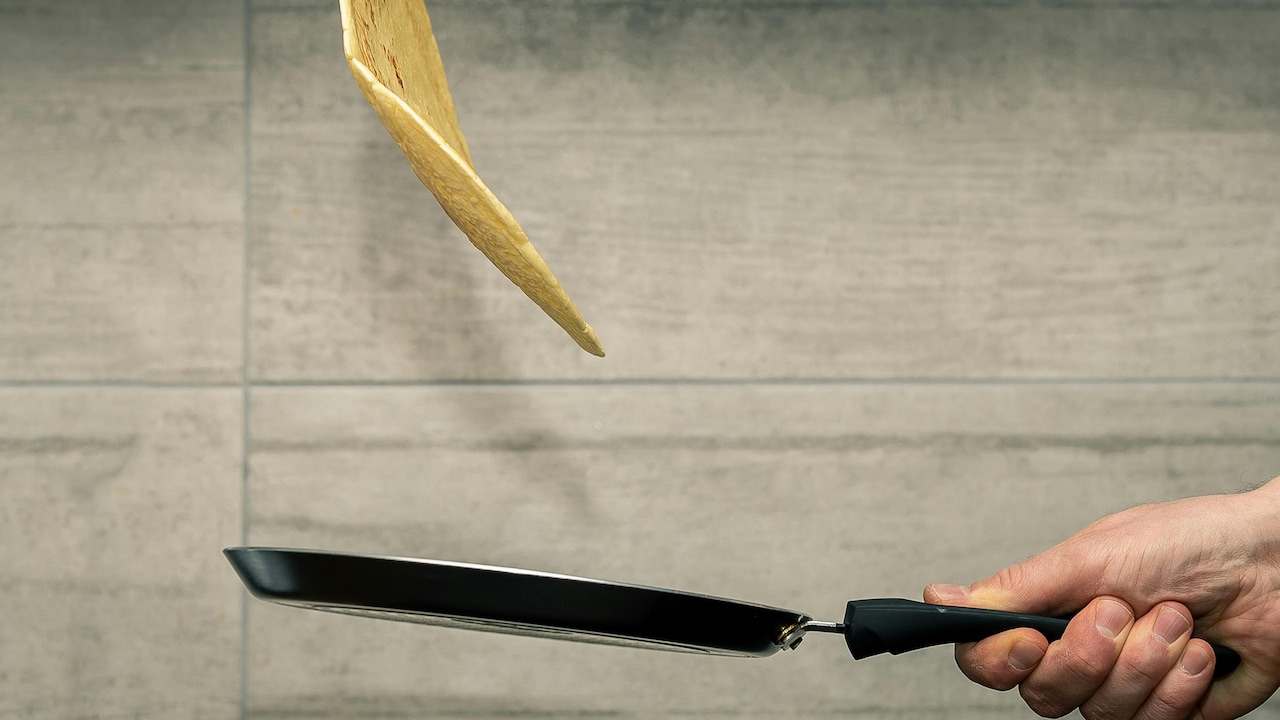
Things to consider before choosing induction pan base thickness
Modern kitchens have embraced induction cooking with remarkable speed. Fast heating, energy efficiency, and sleek cooktops have transformed daily meal preparation. Yet amid this culinary upgrade, one common mistake continues to simmer quietly in countless homes: buying induction pans based solely on price or appearance. The problem begins when thinner pans enter the picture. On the shop shelf, they sparkle just as brightly as sturdier options. Their lower price tags, often ranging from ₹800 to ₹1,500, seem appealing. However, after months of repeated heating and cooling, these pans can warp like a poorly laid road during monsoon season. Once the base bends, contact with the induction surface weakens, energy efficiency drops, and cooking consistency suffers.
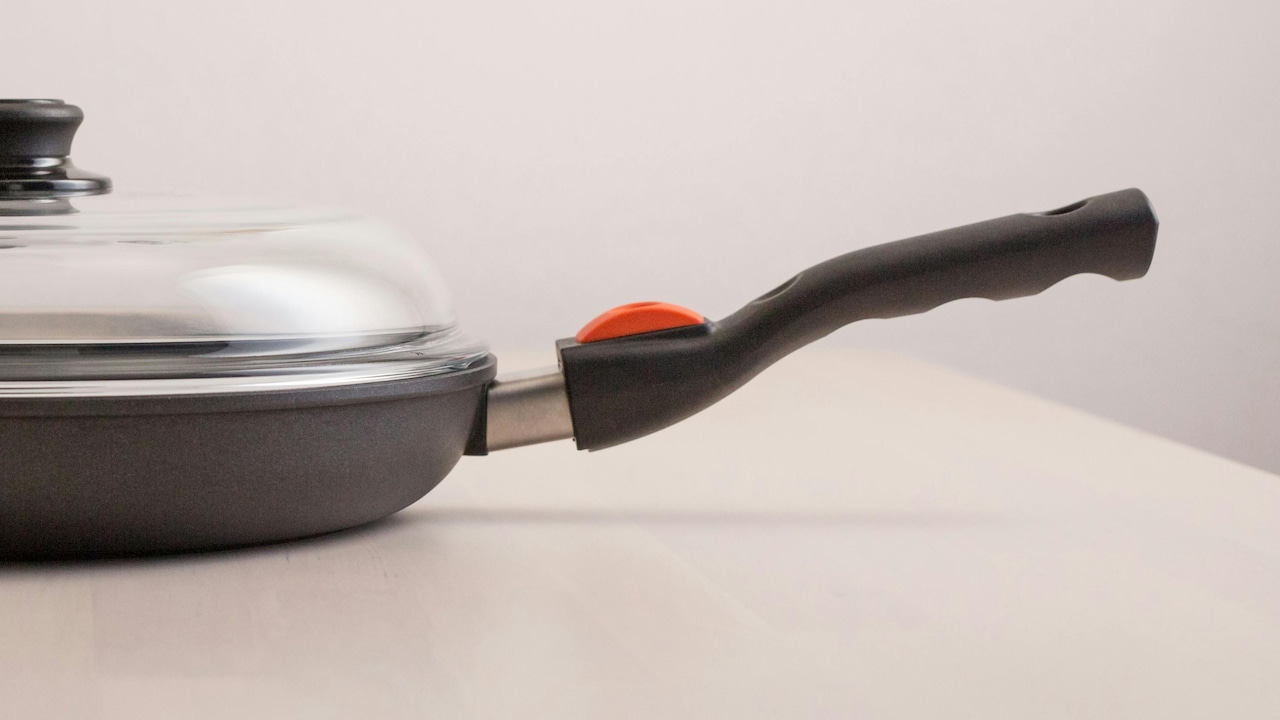
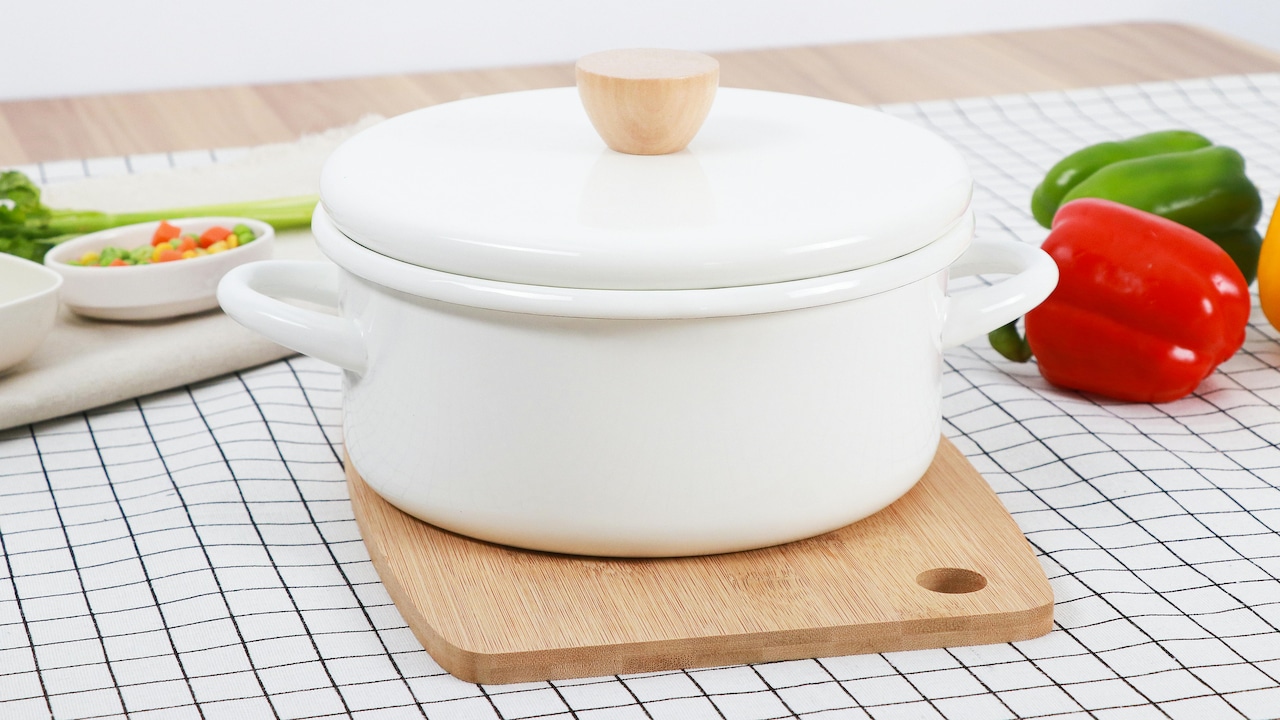
Top reasons why induction pan base thickness matters in cooking; Photo Credit: Pexels
A pan should not behave like a moody pressure cooker whistle, reliable one day and chaotic the next. Base thickness plays a crucial role in ensuring cookware survives years of regular use. It affects durability, cooking performance, and household expenses more than many realise. Investing wisely in cookware is not merely about convenience; it is about financial sense, food quality, and reducing avoidable waste.
Also Read: Top 5 Frying Pans, Cast Iron, Non-Stick And More, To Buy On Amazon
Why Base Thickness Determines Whether Induction Cookware Saves Or Squanders Money Over Time
The Hidden Cost Of Cheap Cookware
At first glance, saving ₹2,000 on a pan feels practical. Markets and online sales often overflow with budget-friendly cookware that promises compatibility with induction stoves. Yet the lower upfront cost often conceals long-term financial strain.
Thin-bottomed pans heat rapidly but cool unevenly. This repeated expansion and contraction weakens their structure over time. Eventually, the base distorts, creating wobbling surfaces that reduce cooking efficiency. Suddenly, dosas brown unevenly, onions burn in patches, and oil pools awkwardly at one end.
Replacing warped pans every year may not seem dramatic initially. However, over five years, repeated purchases can easily exceed ₹10,000. In contrast, a durable thick-base pan costing ₹4,000 to ₹6,000 may last much longer with proper care.
This cycle resembles buying cheap umbrellas each rainy season instead of one sturdy model. The short-term savings vanish quickly. Kitchens demand dependable tools, and cookware should serve like a trusted cricket bat, not a disposable festival decoration.
Why Base Thickness Matters More Than Brand Names
Branding often seduces buyers with polished packaging and celebrity endorsements. Yet a famous logo cannot compensate for poor construction. The true hero lies beneath the pan: its base.
A thick induction-compatible base, usually layered with stainless steel and aluminium, ensures better heat retention and structural integrity. This design resists bending during intense cooking. Whether preparing tadka, frying pakoras, or simmering dal, thicker bases distribute heat more evenly.
Thin pans develop hotspots, causing food to scorch unpredictably. This not only wastes ingredients but also creates unnecessary stress. Nobody wants paneer sticking like unpaid bills.
Cookware with bases measuring at least 5mm to 7mm generally performs better over time. Thicker materials handle repeated heating cycles without surrendering shape. This translates into better meals, lower electricity use, and fewer replacements.
In cookware, substance always triumphs over style. A flashy pan with a weak base may impress guests briefly, but reliable engineering keeps kitchens running smoothly for years.
Warping: The Silent Budget Killer
Warping often begins subtly. A slight tilt here, a minor wobble there. Most households ignore these early warning signs until performance deteriorates noticeably.
As warped pans lose full contact with induction cooktops, energy transfer weakens. The stove compensates by consuming more electricity to maintain the temperature. Bills creep upward, often unnoticed. Over time, this inefficiency quietly drains resources.
Cooking also becomes frustrating. Flatbreads cook unevenly, sauces reduce inconsistently, and frying requires constant adjustments. Meals take longer, increasing both energy costs and kitchen fatigue.
A warped pan essentially becomes an unreliable employee, present but ineffective. Many families continue using damaged cookware longer than advisable, unknowingly accepting poor results and wasted money.
Replacing a faulty pan every year or two creates an avoidable expense. Better-quality thick-base cookware may cost more initially, but it prevents this repetitive spending cycle. Longevity always offers better value than constant compromise.
Heat Distribution Can Save More Than Food
Cooking is both science and an art. Uneven heat disrupts both.
Thicker induction pans distribute heat uniformly across the cooking surface. This consistency matters enormously when preparing delicate gravies, caramelising onions, or making sweets where precision is essential.
Thin or warped pans create concentrated hotspots, leading to burnt garlic, scorched masalas, and half-cooked vegetables. Beyond the annoyance, wasted food directly impacts household budgets. Ingredients are not cheap, especially when quality produce, oils, and spices enter the equation.
Imagine spending ₹500 on ingredients for a family dinner, only for poor cookware to ruin the meal. Repeated incidents compound losses significantly.
A solid base reduces these risks by maintaining stable temperatures. Better cooking performance means less food waste, improved flavour, and more predictable results.
Good cookware becomes an unsung kitchen ally. It supports every recipe quietly, unlike thinner alternatives that can turn dinner preparation into a guessing game worthy of a reality show.
Durability Supports Sustainable Living
Frequent cookware replacement contributes unnecessarily to household waste. Discarded pans often end up in landfills, adding environmental strain alongside financial waste.
Choosing durable, thick-base cookware aligns practical budgeting with sustainable living. A well-constructed pan lasting eight to ten years reduces material consumption and manufacturing demand.
This approach mirrors investing in quality ceiling fans or sturdy furniture. Reliable products minimise repeated purchases and create less waste overall.
Modern consumers increasingly value sustainability, but practical benefits remain equally compelling. Fewer replacements mean fewer shopping decisions, less packaging waste, and reduced disposal concerns.
A pan should ideally outlast recipe trends, not collapse before the next festival season. Investing in longevity supports both environmental responsibility and sensible household economics.
Quality cookware may not feel glamorous, but it quietly contributes to a more efficient and less wasteful lifestyle.
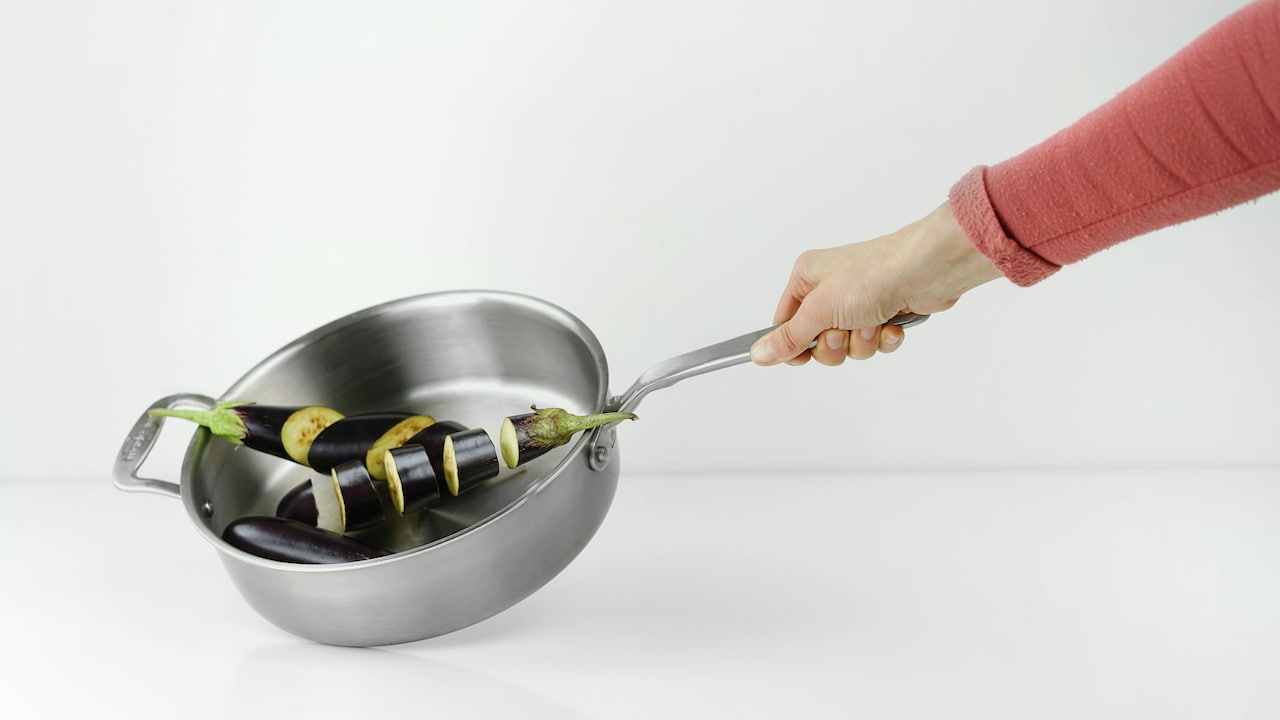
Choose a durable, thick base pan for sustainable living; Photo Credit: Pexels
Maintenance Cannot Fix Poor Construction
Many believe careful handling can preserve any pan indefinitely. While proper maintenance certainly helps, it cannot overcome fundamental structural weakness.
Avoiding sudden temperature changes, using appropriate utensils, and cleaning correctly all extend cookware lifespan. However, thin-base pans remain inherently vulnerable to warping due to their material limitations.
Even with meticulous care, daily cooking stress eventually reveals design flaws. Frequent high-heat cooking, common in many households, accelerates this process.
By contrast, thick-base pans offer greater forgiveness. They tolerate demanding culinary routines more effectively and maintain performance despite regular wear.
Maintenance should enhance durability, not compensate for poor engineering. Buying quality cookware from the outset reduces dependence on overly cautious use.
A robust pan supports real kitchen life, where quick breakfasts, elaborate dinners, and spontaneous frying sessions unfold without constant anxiety.
Smart Spending Means Looking Beyond Price Tags
Consumers often focus heavily on initial cost while ignoring lifetime value. This mindset can prove costly.
A ₹1,200 pan replaced annually becomes far more expensive over six years than a ₹5,000 pan lasting a decade. Calculating cost per year rather than shelf price reveals the smarter investment clearly.
This principle applies across household purchases. Durable products often deliver better returns despite higher upfront expense.
Cookware should be viewed similarly. A reliable thick-base induction pan offers stability, efficiency, and savings that justify its price.
Spending wisely does not always mean spending less. It means purchasing products that consistently perform and minimise future costs.
Financial prudence often begins with asking one simple question: will this save money over time? In the case of induction cookware, thicker bases almost always provide a better answer.
Cooking Experience Shapes Daily Life
The kitchen is not merely a workspace. It forms the heart of countless households, where daily routines, family meals, and traditions unfold.
Poor-quality cookware introduces avoidable irritation into this vital space. Uneven cooking, longer preparation times, and recurring equipment issues create frustration that accumulates over time.
Reliable thick-base pans simplify cooking. They provide consistency, reduce errors, and allow greater confidence in meal preparation.
This improved experience matters more than many acknowledge. Less stress in the kitchen often translates into more enjoyable cooking and better meals.
A dependable pan may seem like a small detail, but daily convenience carries substantial value. Quality tools enhance ordinary life in subtle but meaningful ways.
After all, preparing breakfast should not feel like battling unpredictable machinery before morning tea.
Recognising Quality Before Purchase
Shoppers can avoid costly mistakes by learning key indicators of durable cookware.
Weight often provides the first clue. Thick-base pans generally feel heavier due to layered construction. Product specifications should mention base thickness, material composition, and induction compatibility clearly.
Examining the flatness of the base is equally important. A stable, solid pan offers better long-term performance than lighter alternatives.
Trusted warranties can also indicate manufacturer confidence, though construction remains more important than marketing promises.
Researching user reviews and prioritising build quality over aesthetics helps consumers make smarter decisions.
In cookware, informed choices often separate lasting value from recurring regret. The right pan should feel like a reliable investment, not an impulse buy destined for disappointment.
Products Related To This Article
1. Amazon Basics Non-Stick Honeycomb Triply Stainless Steel Frying Pan with Glass Lid
2. Amazon Brand - Solimo Aluminium 3 Piece Non-Stick Cookware Set
3. Amazon Brand - Solimo Triply Frying Pan
4. TRAMONTINA Bestow Fry Pan 25 cm with Lid
5. Lifelong Cast Iron Fry Pan 6 Inch with Wooden Spatula
6. Hawkins 18 cm Triply Stainless Steel Pro Frying Pan
7. Milton Pro Cook Induction Cookware & Gas Stove Friendly Stainless Steel Sandwich Bottom 4 Pc Kitchen Set
Warped induction pans represent more than minor kitchen inconvenience. They quietly erode budgets, waste energy, reduce cooking quality, and contribute to unnecessary household expenses. While thinner cookware may appear economical initially, its long-term costs often outweigh any short-term savings.
Base thickness stands as one of the most important factors in determining cookware longevity. A sturdier pan resists warping, distributes heat evenly, enhances cooking performance, and supports sustainable living.
In a world increasingly driven by quick bargains, durable cookware remains a reminder that true value lies beneath the surface. Kitchens deserve tools built for real life, tools that withstand years of sizzling tadkas, bubbling curries, and everyday culinary chaos.
Choosing a thicker induction pan is not merely about better cooking. It is about smarter spending, reduced waste, and ensuring every rupee works harder over time.
(Disclaimer: This article may include references to or features of products and services made available through affiliate marketing campaigns. NDTV Convergence Limited (“NDTV”) strives to maintain editorial independence while participating in such campaigns. NDTV does not assume responsibility for the performance or claims of any featured products or services.)