Do Artificial Flowers Stay Colourfast Forever? 10 Home-Decor Myths Explained
Artificial flowers may skip watering and wilting, but they aren't maintenance-free. From faded petals to sticky dust and bent stems, these 10 common myths explain what really affects faux blooms and how to keep them looking fresh.
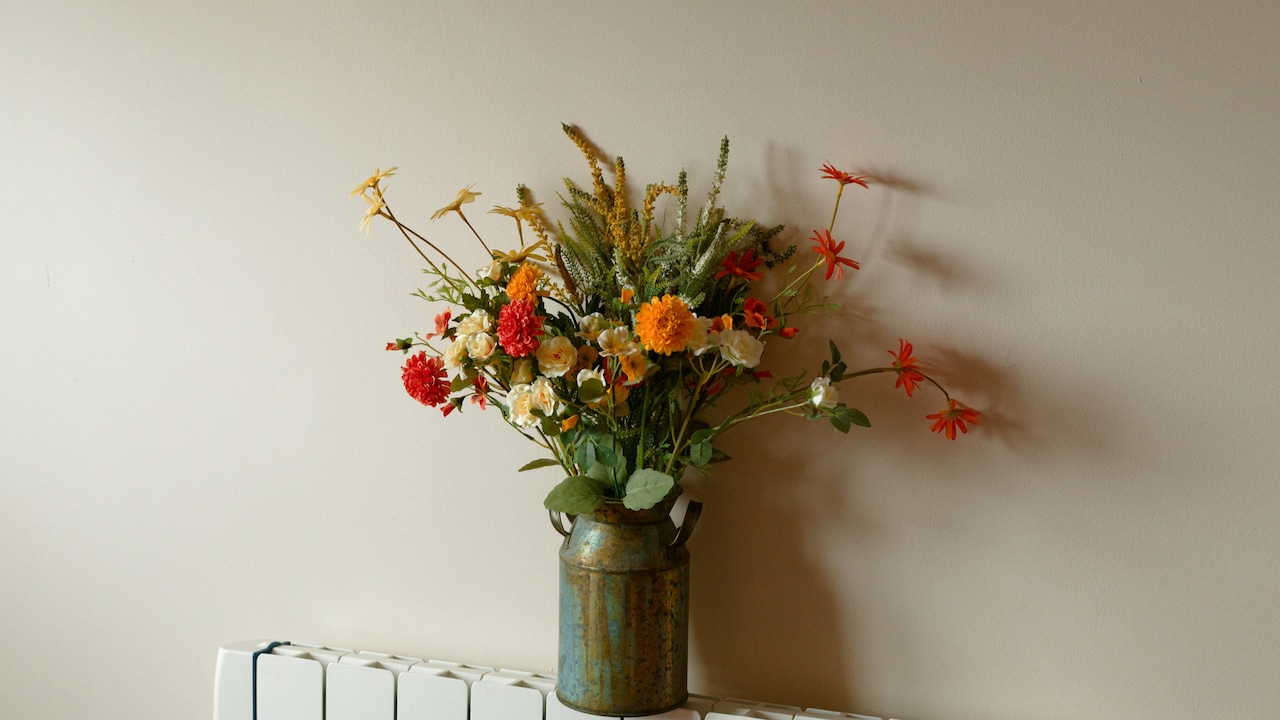
Do Artificial Flowers Fade Over Time? 10 Home-Decor Myths Explained
Artificial flowers have come a long way from the stiff plastic roses that once sat permanently on top of refrigerators. Today's versions can have veined petals, softly curled leaves, realistic stems and colours convincing enough to make someone lean closer for a second look. That realism, combined with the promise of zero watering and no drooping petals, makes faux flowers an easy choice for shelves, dining tables, work desks and awkward corners where real plants struggle. The trouble starts when "low maintenance" quietly turns into "no maintenance". A bouquet sits beside a sunny window for a year. A dusty arrangement gets wiped with whatever cleaner happens to be nearby. Flowers get packed into a cupboard after a festival and emerge months later with crushed petals. Suddenly, the everlasting arrangement looks surprisingly mortal. Artificial flowers don't behave exactly like fresh blooms, but they still respond to sunlight, heat, moisture, dirt and handling. Understanding what actually damages them can save a favourite arrangement from becoming a faded, slightly crunchy shadow of itself.
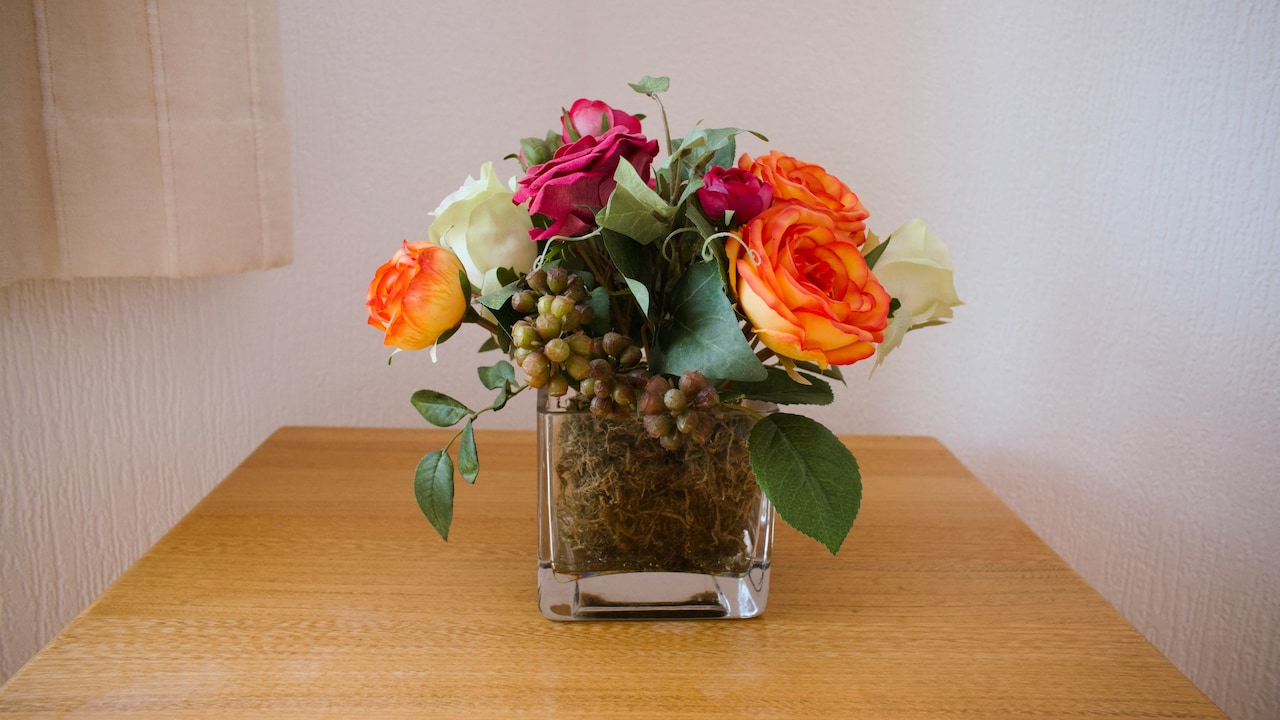
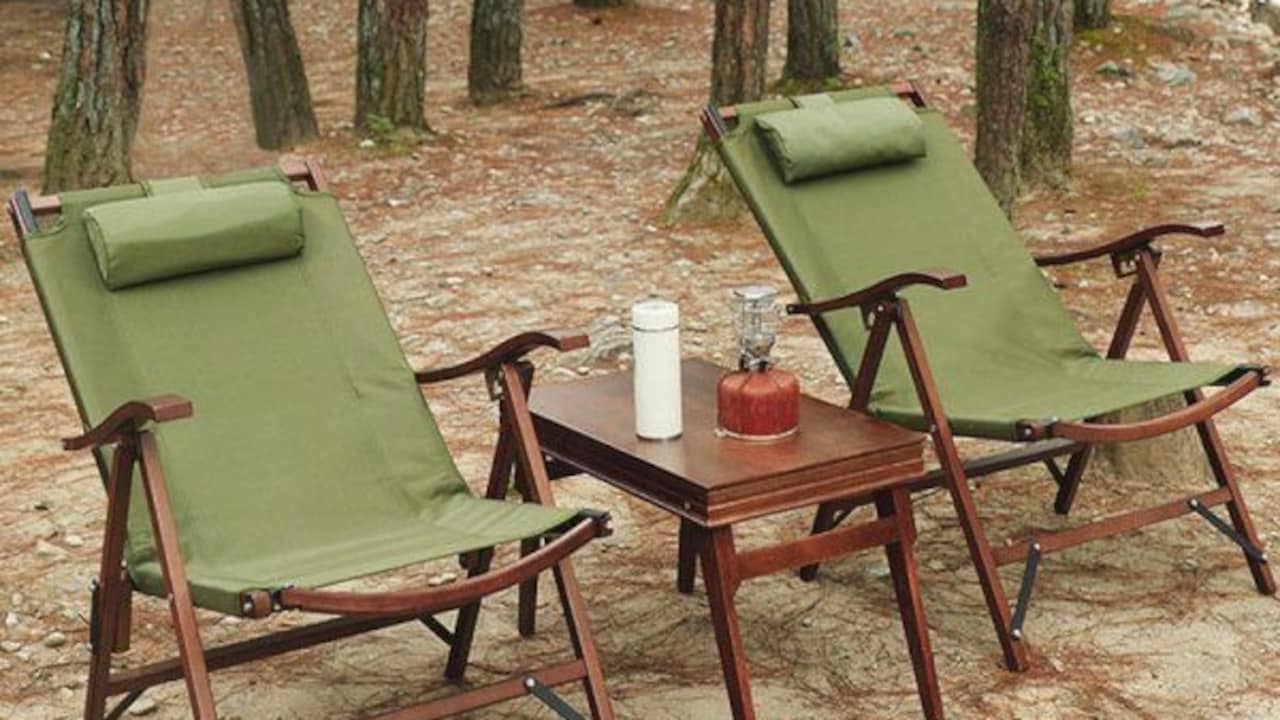
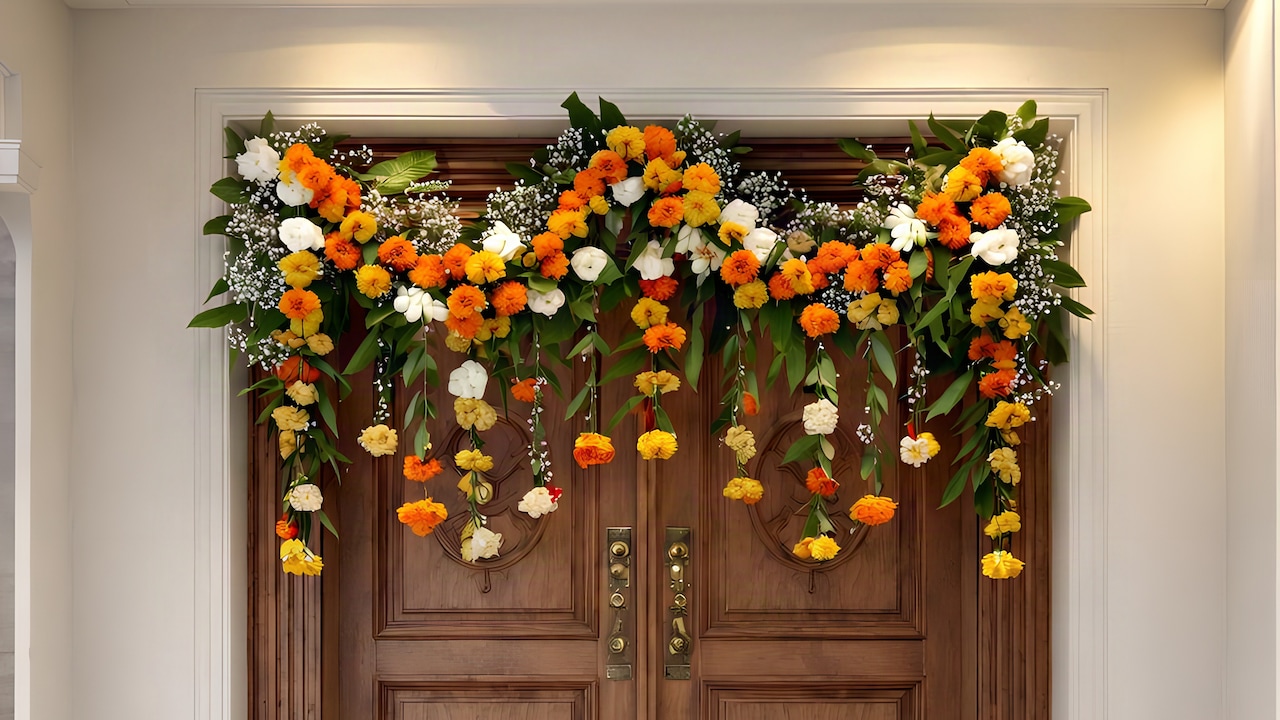
Do Artificial Flowers Fade Over Time? 10 Home-Decor Myths Explained; Photo Credit: Pexels
What Really Determines How Long Artificial Flowers Look Fresh
1. Myth: Artificial Flowers Stay Colourfast Forever
"Artificial" doesn't mean immune to fading. The pigments used on fabric, plastic, foam and coated petals can gradually change when they face strong light for long periods. Reds may lose their richness, pale pinks can turn washed out and darker leaves sometimes develop strangely uneven patches.
Sunlight causes much of the trouble. Ultraviolet radiation can break down colourants and some synthetic materials over time. Flowers displayed on a windowsill or beside a bright balcony door therefore face much tougher conditions than an arrangement placed deeper inside a room.
The change often happens so slowly that it's easy to miss. Move the vase after a year, though, and the side that faced the window may suddenly look noticeably lighter.
Rotating an arrangement occasionally helps expose it more evenly. Moving delicate faux flowers away from harsh direct sunlight can make an even bigger difference. Outdoor-rated artificial plants usually handle light better, but even these don't have unlimited colourfastness. Forever flowers, unfortunately, don't always come with forever colour.
Also Read: Gift Something Meaningful: 5 Artificial Flowers And Plants That Last For Years
2. Myth: Expensive Artificial Flowers Cannot Fade
A higher price can buy better fabric, detailed moulding, realistic colouring and sturdier stems, but it doesn't create immunity from the environment. Premium artificial flowers can still fade when they spend months under strong sunlight or sit close to intense artificial lighting.
What quality can influence is how quickly deterioration becomes obvious. Better-made flowers may use more stable dyes, UV-resistant coatings or thicker materials. Their colours can also contain more variation, so minor fading looks less dramatic than it does on a cheap petal painted one flat shade.
Yet price alone tells us very little about UV resistance. A beautifully made indoor silk peony may cost considerably more than a basic outdoor-rated plastic plant while still handling sunlight less effectively.
Check what the flower is designed for rather than assuming cost equals durability. Indoor arrangements belong away from prolonged direct sun unless the manufacturer specifically describes them as UV resistant. Think of expensive faux flowers like good curtains or upholstery: better materials can age gracefully, but sunlight still knows how to collect its rent.
3. Myth: A Sunny Window Is The Best Place For Faux Flowers
A bright window seems like the perfect spot. Real flowers enjoy light, so artificial ones should look equally at home there. Visually, perhaps. From a preservation point of view, the arrangement may prefer somewhere less dramatic.
Direct sunlight can accelerate fading and may also affect the texture of some plastics, coatings and adhesives. Repeated heating during the day can make certain materials brittle over time. Glue holding petals or decorative pieces together may weaken too, particularly when heat builds up behind glass.
This doesn't mean every artificial bouquet needs to live in a gloomy corner. Indirect daylight usually creates a lovely display without subjecting the flowers to hours of concentrated sun. A console table opposite a window, a shaded shelf or a dining table can provide plenty of brightness.
If the window remains the only suitable spot, rotate the arrangement and watch the colours. Early fading often appears on whichever side faces the light. Catching it early lets you change the placement before half the bouquet starts looking like it has spent several summers on holiday.
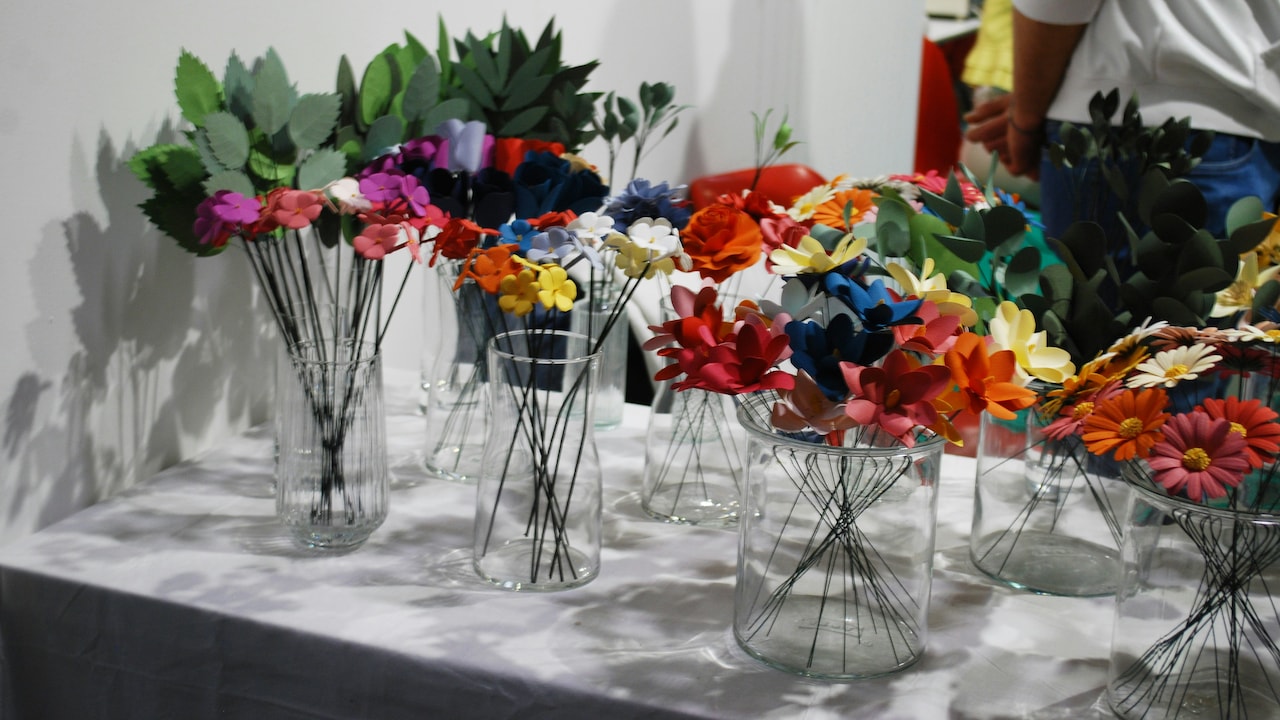
Do Artificial Flowers Fade Over Time? 10 Home-Decor Myths Explained; Photo Credit: Pexels
4. Myth: Artificial Flowers Never Need Cleaning
Real flowers eventually wilt and leave the house. Artificial flowers stay long enough to collect an impressive amount of evidence about household life. Dust, cooking residue, fabric fibres and everyday airborne grime gradually settle between petals and around textured leaves.
Dust does more than make flowers look dull. Once it builds up, it can cling stubbornly to textured surfaces. In kitchens or areas exposed to oily vapours, the dust may turn sticky, making a quick feather-duster pass almost useless.
Regular light cleaning works better than an occasional heroic rescue operation. A soft microfibre cloth, gentle duster or cool, low-pressure airflow can handle loose dust. For washable plastic flowers, a slightly damp cloth may help with stubborn patches. Fabric blooms need more caution because water can leave marks, disturb dyes or affect glued sections.
Always test a hidden area before using moisture or cleaning products.
A bouquet doesn't need weekly pampering, but it shouldn't become a decorative archaeological site either. Five minutes of gentle cleaning every so often can preserve both the colour and realistic texture.
5. Myth: Washing Faux Flowers Under Water Is Always Safe
It sounds wonderfully efficient: put dusty artificial flowers under the tap, rinse them thoroughly and let them dry. Sometimes that works. Sometimes it produces limp petals, water marks, loosened glue and one mysteriously detached leaf floating in the sink.
Artificial flowers combine many different materials. Plastic stems may tolerate water perfectly while fabric petals may not. Some arrangements contain paper, foam, wire, adhesive, painted surfaces, flocking or hand-applied details. Water can affect each component differently.
Even flowers that survive rinsing can trap moisture where petals join stems. Metal wire hidden inside the construction may eventually corrode if water reaches it repeatedly.
Before washing an arrangement, check its material and any available care instructions. Plastic-only flowers usually cope better with damp cleaning. Silk-like or fabric flowers often respond better to gentle dust removal and careful spot cleaning.
If water does suit the material, avoid aggressive scrubbing and soak only when appropriate. Artificial flowers don't need watering, and ironically, giving them too much water during cleaning may shorten their decorative life.
6. Myth: Humidity Cannot Affect Artificial Flowers
Faux flowers don't develop thirsty leaves during a dry spell, but humidity can still cause problems. The petals themselves may not care about watering schedules, yet adhesives, metal components, coatings and accumulated dust certainly react to their surroundings.
High humidity can encourage sticky grime to cling more firmly to surfaces. In poorly ventilated rooms, damp conditions can also promote mould growth on dust, natural fibres or porous decorative materials surrounding the flowers. Wire stems may develop corrosion if moisture repeatedly reaches exposed metal.
Fabric flowers stored while slightly damp face another problem: musty smells. A closed storage box gives trapped moisture nowhere to escape, turning what should have been a neat seasonal arrangement into something that smells like an old cupboard.
Bathrooms therefore aren't automatically ideal homes for every faux plant just because nothing needs watering. Choose moisture-tolerant materials if decorating humid spaces and ensure reasonable ventilation.
Before storing flowers, make sure they're completely clean and dry. Artificial blooms may not breathe, but the materials surrounding them still appreciate a dry home.
7. Myth: Hairspray Keeps Artificial Flowers Looking New
Home-care tricks have a habit of travelling from one generation of social media posts to another, and spraying artificial flowers with hairspray ranks among the more persistent ones. The idea usually claims that hairspray creates a protective coating that prevents dust or holds petals neatly in place.
Unfortunately, adding a sticky styling product to decorative flowers can create exactly the problem we're trying to prevent.
Hairspray can leave residue behind. That residue may attract dust, create an uneven sheen or change the texture of delicate petals. Some formulas contain ingredients that can react with dyes, coatings or plastics. Once layers of spray and dust combine, cleaning becomes much harder.
The same caution applies to random furniture polish, perfume and strong household cleaners. Unless a product specifically suits the flower's material, adding chemicals introduces an unnecessary gamble.
A soft duster and sensible placement aren't terribly exciting life hacks, but they usually work better. If an artificial plant needs UV protection, use a coating specifically designed for suitable synthetic decorative materials and follow its instructions carefully rather than raiding the bathroom cabinet.
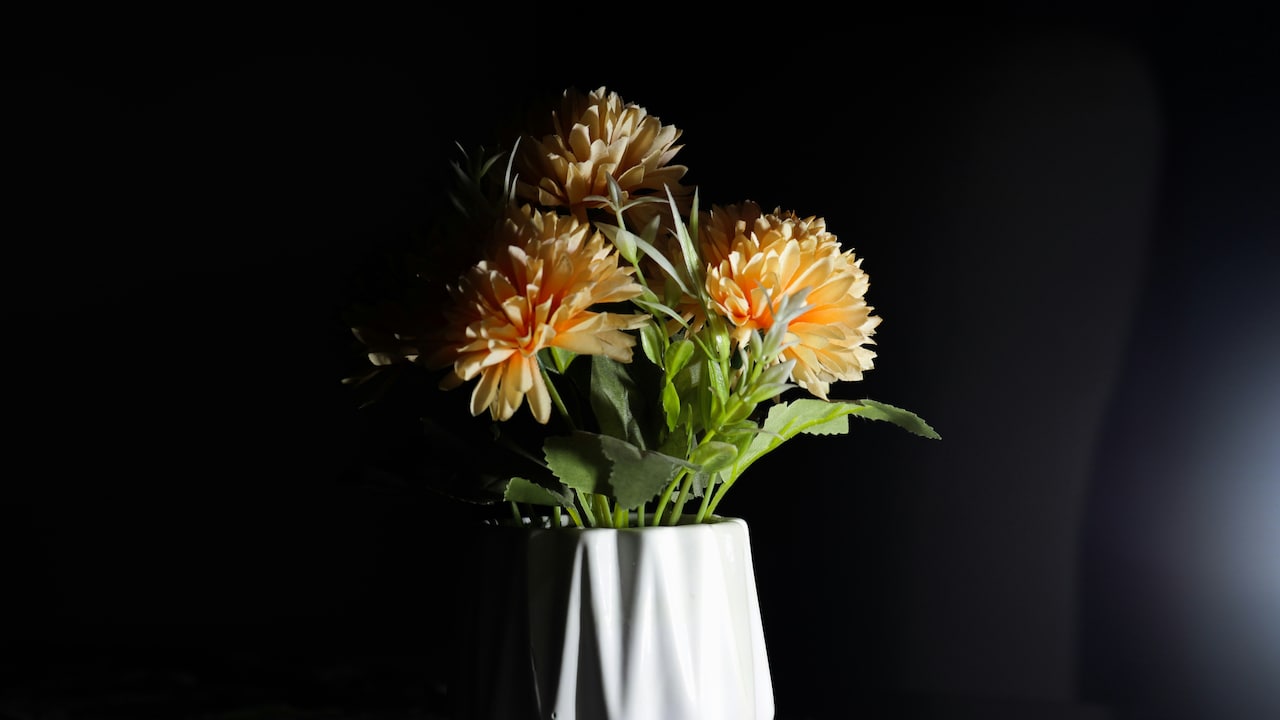
Do Artificial Flowers Fade Over Time? 10 Home-Decor Myths Explained; Photo Credit: Pexels
8. Myth: Bent Petals Mean The Flowers Are Ruined
Open a delivery box or pull a stored bouquet from the cupboard and a few petals may resemble crumpled tissue rather than blooming roses. Fortunately, deformation doesn't always mean permanent damage.
Fabric and certain synthetic petals can sometimes recover with gentle reshaping. Mild warmth may help relax creases, but this requires caution. A clothes steamer held too close can damage adhesives, melt plastic details or alter dyes. A hairdryer on aggressive heat can cause similar trouble.
Start with the least dramatic solution. Gently reshape petals using clean fingers and leave the arrangement standing naturally for a while. Some flowers regain their form simply after escaping tight packaging.
When care instructions permit gentle steam, keep plenty of distance and use short bursts rather than blasting the flower as though it's a wrinkled kurta five minutes before leaving the house.
Storage matters too. Give large flower heads enough room instead of forcing them under heavier décor items. Bent wire stems can often be repositioned, but repeated sharp bending weakens them. Faux flowers may recover from a bad hair day, but careful handling prevents most of these dramas.
9. Myth: All Artificial Flowers Age In The Same Way
A foam rose, polyester orchid and moulded plastic tulip may all share the "artificial flower" label, but their materials behave very differently.
Polyester and other fabric petals often create soft, realistic textures, yet they can attract dust and may stain if cleaned incorrectly. Plastic flowers usually tolerate wiping better and can work well in busy areas, although some plastics become brittle or faded after prolonged heat and sunlight.
Foam flowers can look remarkably realistic because the material allows soft shapes and delicate edges. They can also crush, tear or dent more easily. Latex-style coatings offer convincing textures but may become tacky or deteriorate depending on age, quality and environmental conditions.
Construction matters just as much as petal material. Glue quality, stem wire, surface coatings and pigment stability all influence lifespan.
So, there's no universal cleaning or storage rule that suits every artificial arrangement. Treating them all identically is rather like washing silk, denim and wool on the same machine setting and hoping everyone gets along. Material should guide the care routine.
10. Myth: Artificial Flowers Can Be Stored Anywhere
When an arrangement goes out of season, it's tempting to push it into a plastic bag, squeeze it onto the top shelf and forget about it until the next festival or family gathering. Storage, however, can determine whether those flowers return looking elegant or emerge as decorative tumbleweed.
Crushing causes the most obvious trouble. Heavy objects can flatten flower heads and permanently crease delicate foam or fabric petals. Tight plastic bags may press stems into awkward positions.
Heat also matters. Lofts, cupboards beside appliances and other hot storage areas can stress adhesives and synthetic materials. Damp storage creates its own collection of problems, from musty odours to corrosion and mildew on accumulated dust.
Clean the arrangement before packing it because storing dust for six months only gives grime extra time to settle. Use a roomy box where possible and avoid placing heavy items directly on top. Tissue paper can help support delicate shapes without excessive pressure.
When the flowers come out again, gentle reshaping may still help. Good storage won't stop time, but it can prevent six months in a cupboard from looking like six years.
Products Related To This Article
1. CURATED CART Artificial Flowers Bunch, Baby's Breath Gypsohila Flowers
2. Blooming Floret Artificial Magnolia Kobus Natural Looking Flower Bunch for Home
3. TIED RIBBONS Polyester Pack of 2 Artificial Hydrangea Dahlia Flowers Bunch
4. SATYAM KRAFT 1 Pcs Artificial Multiflora Flower Roses Fake Sticks
5. Blooming Floret Artificial Plum Blossom Flower Stick
6. CURATED CART 1 Pcs Lily Artificial Flowers Bunch for Home Decoration
7. TIED RIBBONS Set of 100 Pcs Natural Dried Pampas Grass Contains Real Rabbit Bunny Tail Reed Pampas
Artificial flowers remove many of the chores that come with fresh blooms, but they don't escape ageing altogether. Sunlight can fade them, dust can dull them, humidity can affect their components and careless storage can distort even an expensive arrangement. The good news is that keeping faux flowers attractive doesn't demand much effort. Choose sensible placement, clean them gently, respect the material and store them with enough breathing room. With that little bit of attention, "artificial" can still mean impressively long-lasting, even if "forever" remains a marketing fantasy.
(Disclaimer: This article may include references to or features of products and services made available through affiliate marketing campaigns. NDTV Convergence Limited (“NDTV”) strives to maintain editorial independence while participating in such campaigns. NDTV does not assume responsibility for the performance or claims of any featured products or services.)






![Steam Iron Teflon Shoe Cover for ES-300,ST-96 [Only For ES-300 and ST-96 Model Electric Steam Irons]](https://m.media-amazon.com/images/I/51wwkttondL._SL160_.jpg)