Why Your Study Chair Feels Uncomfortable In A Small Room: Seat Height, Back Support And Space Mistakes
A study chair can feel uncomfortable in a small room when seat height, back support, legroom and layout do not match. Here’s how simple space mistakes affect posture, focus and daily comfort.
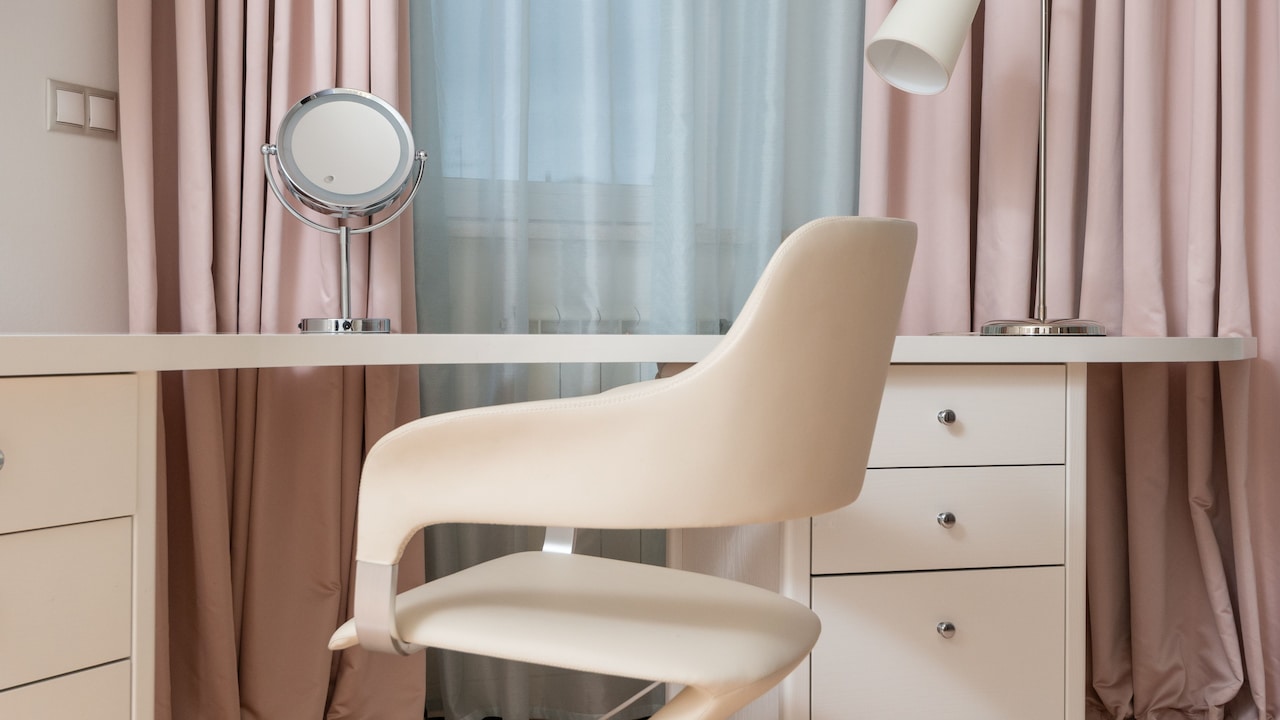
Why Your Study Chair Feels Uncomfortable In A Small Room
A small study room has a strange talent for exposing every bad furniture decision. A chair that looked perfect in the showroom can suddenly feel bulky beside a narrow desk. The knees hit the drawer. The back refuses to settle. The feet dangle or fold under the chair. After thirty minutes, the body starts sending complaints louder than a pressure cooker whistle. Most people blame the chair first. Sometimes the chair deserves it. Yet discomfort often comes from a messy partnership between seat height, back support, desk size, and available space. A study corner in a 10x10 room, a shared bedroom, or a compact flat needs more thought than a large home office. Every inch matters.

Why Your Study Chair Feels Uncomfortable In A Small Room; Photo Credit: Pexels
Comfort does not always mean buying the costliest chair. A ₹15,000 chair can feel wrong if it sits too high for the desk. A simple ₹3,000 study chair can work beautifully when the height, back angle and room layout suit the user. The trick lies in understanding how the body uses space. This article looks at the common reasons a study chair feels uncomfortable in a small room, and why tiny adjustments can make a surprisingly big difference.
Common Mistakes That Make Small Rooms Feel Uncomfortable With Study Chairs
Seat Height That Fights Your Desk
Seat height causes more discomfort than most people realise. When the chair sits too high, the shoulders lift while writing or typing. The elbows float awkwardly, and the wrists start bending like they are doing yoga without permission. When the chair sits too low, the arms reach upwards, the back rounds, and the neck leans forward towards the book or laptop.
In many homes, the desk and chair come from different shops, different years, and sometimes different relatives. A study table bought during school days may sit lower than a new office-style chair. The mismatch feels small at first, but the body notices it every day.
A good sitting position keeps the feet flat on the floor, knees roughly at a right angle, and elbows near desk height. In a small room, this becomes even more important because there is less freedom to stretch or shift. A chair with adjustable height helps, but a footrest or firm wooden plank can also provide comfort when the feet do not reach the floor.
The aim is simple. The chair should meet the desk, not fight it.
Also Read: Board Exam 2026: Top10 Ergonomic Study Chairs To Prevent The 'Exam Back'
Back Support That Looks Good But Does Little
Some chairs look supportive because they have a tall back, a curved frame or a fancy mesh design. Looks can fool anyone. Real back support sits where the lower back needs it. If the chair curves in the wrong place, the spine gets no help. The body then slumps, twists or perches forward on the seat edge.
A small room often makes this worse. People push the chair against a wall, tuck it into a tight desk space, or sit sideways because the bed blocks movement. The backrest may exist, but the body never uses it properly. It becomes decoration.
Good back support should encourage the lower back to stay gently upright without feeling stiff. It should not push the body forward like a strict tuition teacher. A small cushion placed at the lower back can improve an ordinary chair. Even a rolled towel can help during long study sessions.
The best chair is not always the one with the tallest back. It is the one that supports the natural curve of the spine while allowing the shoulders to relax. Comfort should feel steady, not forced.
A Seat Depth That Swallows Your Legs
Seat depth sounds like a showroom detail, but it matters a lot in small rooms. If the seat is too deep, the user cannot sit back without the seat edge pressing behind the knees. The backrest then becomes useless because the body stays forward. If the seat is too shallow, the thighs get poor support, and the body feels perched rather than settled.
Many bulky chairs sold as “executive” or “ergonomic” look tempting. They appear grand, almost like they belong in a manager's cabin. In a compact study corner, though, they can feel like bringing an SUV into a tiny lane. The chair takes over the room and still fails to fit the body.
There should be a small gap between the front edge of the seat and the back of the knees. This helps blood flow and lets the user sit fully against the backrest. For students or adults of shorter height, oversized chairs often create discomfort even when the cushioning feels soft.
A chair should hold the body, not trap it. In a small room, choosing the right seat depth can make the difference between steady focus and constant fidgeting.

Why Your Study Chair Feels Uncomfortable In A Small Room; Photo Credit: Pexels
Armrests That Trap Movement
Armrests sound useful until they start bumping into the desk. In small rooms, fixed armrests can become the furniture version of stubborn elbows. They prevent the chair from sliding under the table, force the user to sit too far away, and create an awkward reach towards books, notebooks or the laptop.
This problem is common in rooms where the study table has drawers or a keyboard tray. The chair cannot go close enough, so the back leaves the backrest, the shoulders lean forward, and the neck takes the punishment. The user may not notice the cause. They only feel tired sooner than expected.
Adjustable armrests can help, but armless chairs often work better in tight study spaces. They allow easier movement and save precious room around the desk. For people who write for long hours, the desk itself can support the forearms if the height matches well.
Armrests should help the body rest. They should not decide where the chair is allowed to sit. In a compact room, freedom of movement usually matters more than a chair that looks feature-packed.
Wheels That Create More Trouble Than Ease
A chair with wheels feels modern and convenient. It glides, turns and gives that small office thrill. Yet in a small room, wheels can become annoying. The chair rolls back on smooth tiles, knocks into the bed, catches on rugs, or refuses to stay steady while writing.
Many floors in city flats have vitrified tiles or polished surfaces. A wheeled chair on such flooring can slide at the wrong moment. The body then works harder to stay stable. This creates hidden tension in the legs, hips and lower back. During exam preparation or work calls, that tiny instability can feel deeply irritating.
Wheels also need space to move. When the room has a bed on one side and a cupboard on the other, the chair may rotate into everything like a confused auto-rickshaw in a narrow gali. A fixed-leg chair or a chair with lockable castors can feel much calmer.
Movement matters, but control matters more. A study chair should not make the user chase balance every few minutes. In tight rooms, stillness can be a luxury.
The Desk-Chair Gap That Ruins Posture
The gap between the desk and chair determines how the body behaves. Too much of a gap makes the person lean forward. Too little gap cramps the stomach and thighs. In a small room, this gap often changes through the day because the chair gets pushed aside, bags pile up, or the laundry chair quietly becomes a storage unit.
A good desk-chair gap allows the user to sit close enough to work without hunching. The elbows should stay near the body, and the screen or book should not demand a long reach. When the gap is wrong, even a good chair starts feeling bad.
This is especially common with wall-mounted desks, folding tables and study corners near beds. The chair may not align with the centre of the desk. The user sits at an angle, twists the spine, and wonders why the back aches by evening.
A small room needs a fixed study zone, even if it is modest. Keeping the chair centred, clearing the floor, and leaving enough knee space can improve comfort instantly. The room may be small, but posture still needs breathing space.
Poor Legroom Under The Table
Legroom often disappears quietly. A drawer unit, CPU cabinet, storage box, school bag or stack of old notebooks takes over the area under the desk. The chair still fits from the outside, so everything seems fine. But the legs know the truth.
When the knees cannot move freely, the body starts sitting crooked. One leg folds under the chair. The other stretches sideways. The hips tilt, the back twists, and the shoulders follow. After a while, the chair gets blamed, though the real villain sits under the table.
In many compact homes, storage is precious. The space below the desk looks too useful to waste. But turning it into a mini storeroom steals comfort from daily study time. A clear area under the desk lets the feet rest, the knees bend naturally, and the body shift position without drama.
The best study setup gives the legs a proper home. Bags can hang on hooks. Books can move to shelves. Even a small plastic organiser placed beside the desk works better than clutter under the knees. Comfort begins below the tabletop.
A Chair Too Big For The Room
A large chair can make a small room feel smaller, heavier and harder to use. Thick padding, wide armrests, a tall headrest and a broad base may look impressive online. In a compact bedroom, the same chair can block cupboard doors, scrape the wall and leave no space to walk.
Furniture scale matters. A chair should suit both the body and the room. Many people buy chairs after seeing product photos taken in spacious studios. The room in the photo has empty walls, perfect lighting and no drying stand in the corner. Real rooms have beds, shelves, bags, chargers and sometimes a sibling's cricket bat.
A bulky chair may also make the user sit too far from the desk because it cannot tuck in properly. This creates a chain reaction of leaning, reaching and slouching. Slimmer chairs with good lumbar support often work better than oversized models.
Comfort is not measured by size. A chair that leaves room to move can feel more luxurious than a throne that eats half the floor. In small rooms, the right fit beats grand looks.

Why Your Study Chair Feels Uncomfortable In A Small Room; Photo Credit: Pexels
Heat, Fabric And Ventilation Problems
Small rooms heat up quickly, especially during long study hours. A chair with thick foam or leatherette upholstery may feel soft at first, then sticky after an hour. Poor ventilation makes the discomfort worse. The back sweats, the shirt clings, and concentration melts faster than kulfi in May.
Chair material plays a quiet but important role. Mesh backs allow airflow and often suit warm rooms better. Fabric seats can feel comfortable, though they may trap dust if the room faces a busy road. Leatherette looks neat and wipes clean, but it can feel warm in non-air-conditioned spaces.
A small room with one window, a ceiling fan and a crowded layout needs breathable furniture. Even the best back support feels unpleasant when heat builds up. Leaving a little gap between the chair and wall helps air move. So does avoiding heavy cushions unless needed for support.
Comfort is not only about posture. Temperature matters too. A chair that keeps the body cool helps the mind stay patient, especially during late-night revision or work deadlines.
Ignoring How The Room Is Actually Used
A study chair rarely serves only one purpose. It becomes a reading chair, laptop chair, snack chair, video-call chair and sometimes the official clothes chair. In a small room, the chair must survive daily life, not just a neat furniture plan.
The problem begins when people design the room for an imaginary version of themselves. The desk stays clear in the imagination. The chair sits perfectly aligned. The bag always goes to its place. Real life behaves differently. Chargers spread, books migrate, and the chair gets pulled towards the bed for casual scrolling.
A comfortable setup should match habits. If the user studies with notebooks, the desk needs writing space. If most work happens on a laptop, the screen height matters. If the chair often moves between the desk and the wardrobe, it should be light enough to be handled easily.
A small room becomes comfortable when furniture follows routine rather than fighting it. The chair should support the way the room is lived in every day. Otherwise, even a well-reviewed chair becomes another obstacle in an already crowded space.
Products Related To This Article
1. ASTRIDE Ergofit Ergonomic Office Chair for Home
2. The Sleep Company Onyx Orthopedic Office Chair
3. Nilkamal Verona High Back Mesh Office Chair with Headrest
4. Da URBAN® Merlion Office Chair
5. CELLBELL Desire C104 Ergonomic Mesh Office Chair for Home & Office
6. MRC Boom Mesh Mid-Back Fixed Ergonomic Office Chair
7. Amazon Brand - Umi Home Swivel Height
A study chair feels uncomfortable in a small room for many reasons, and not all of them are related to the chair. Seat height, back support, legroom, desk distance, room layout, material, and movement all work together. When one detail goes wrong, the body adjusts. When many details go wrong, comfort disappears.
The good news is that small fixes often help. Adjusting chair height, clearing legroom, using a lower-back cushion, choosing breathable material, or replacing a bulky chair with a slimmer one can change the whole study experience. These changes do not need a grand renovation or a giant budget. They need attention.
A small room can still hold a comfortable, focused study corner. It simply asks for smarter choices. The chair should fit the desk, the body, and the room. When all three agree, study time feels less like punishment and more like a quiet invitation to settle down and get things done.
(Disclaimer: This article may include references to or features of products and services made available through affiliate marketing campaigns. NDTV Convergence Limited (“NDTV”) strives to maintain editorial independence while participating in such campaigns. NDTV does not assume responsibility for the performance or claims of any featured products or services.)