How To Buy A Breast Pump: A Complete Guide For First-Time Parents
Buying a breast pump can feel overwhelming for first-time parents. This practical guide breaks down comfort, cleaning and storage essentials to help families choose the right pump with confidence and ease.
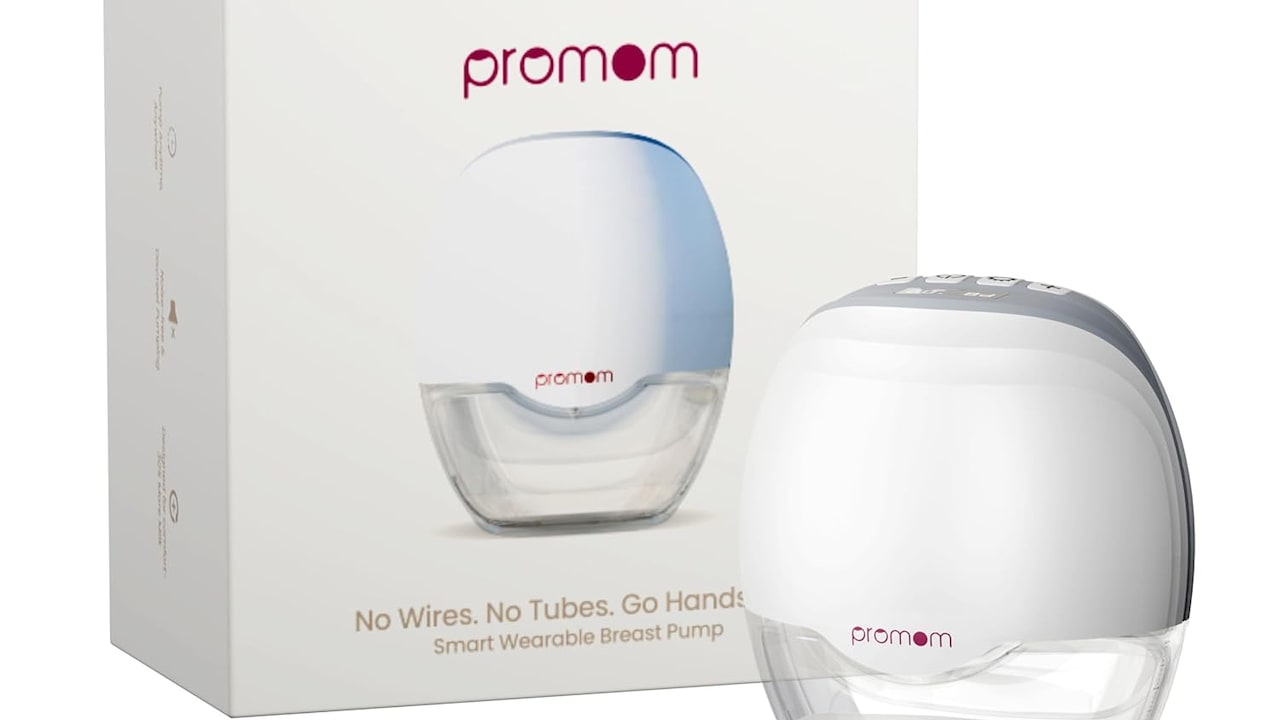
How To Buy Breast Pumps: Guide For First-Time Parents: Comfort, Cleaning And Storage.
The arrival of a baby brings joy, excitement and a long shopping list. Somewhere between nappies and onesies sits the breast pump, an item many parents do not fully understand until the need arises. Choosing the right breast pump shapes, feeding routines, comfort levels and peace of mind. Shops and online platforms offer endless options, each promising ease and efficiency. Yet, the best choice depends less on flashy features and more on daily habits, physical comfort and cleaning needs.
This guide explores everything that matters when buying a breast pump. Comfort, cleaning and storage take centre stage, along with practical insights drawn from everyday life. The aim remains simple: help new parents make confident decisions without second-guessing every choice.
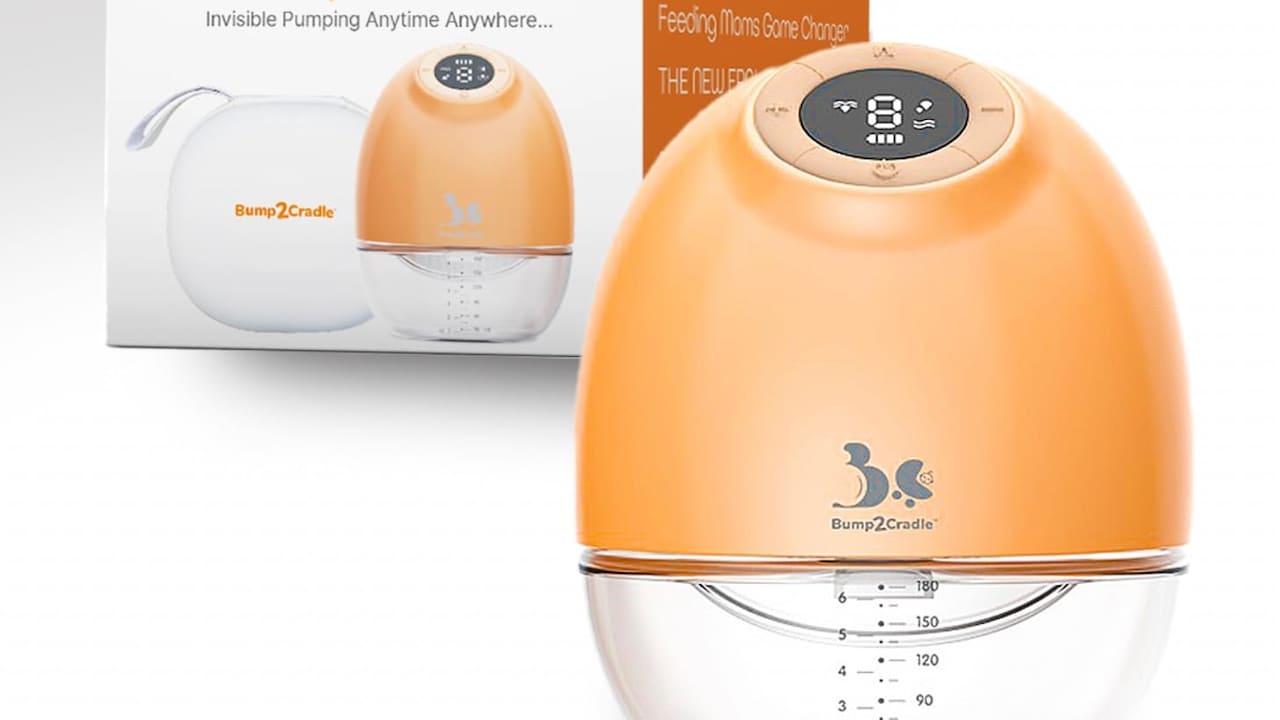
How To Buy A Breast Pump: A Complete Guide For First-Time Parents
Photo Credit: Amazon
Key Factors To Consider Before Buying A Breast Pump
1. Understanding Different Types of breast Pumps
Breast pumps come in several forms, and understanding these types clears much of the confusion. Manual pumps work through hand pressure and suit occasional use. These pumps feel lightweight, quiet and travel-friendly. Electric pumps handle frequent pumping and save time, especially during busy days. Single electric pumps focus on one breast, while double electric pumps work faster by pumping both sides together.
Wearable pumps have gained popularity due to their discreet design. These fit inside clothing and allow movement during pumping sessions. Hospital-grade pumps offer powerful suction and support medical needs, though these often cost more than ₹15,000.
Lifestyle determines the best fit. A parent staying home may prefer a manual or single electric pump. Working parents often lean towards double electric or wearable options. Noise levels matter in joint families and shared spaces. Power sources matter too, with battery-operated models offering flexibility during power cuts. Choosing the right type sets the foundation for comfort and consistency.
2. Comfort Comes First: Why Fit and Feel Matter
Comfort influences how often a pump gets used. An uncomfortable pump quickly turns into a neglected item. Breast shields, also called flanges, play a major role here. Sizes vary, and a poor fit causes pain or reduces milk flow. Many brands include standard sizes, though additional sizes often cost extra.
Soft silicone cushions provide a gentler feel and reduce pressure. Adjustable suction levels allow control, preventing discomfort during sensitive moments. Rhythm settings that mimic a baby's natural suckling feel more soothing and effective.
Long pumping sessions demand ergonomic design. Lightweight motors reduce wrist strain. Wearable designs offer freedom of movement, helpful during household tasks. Comfort also extends to emotional ease. A pump that feels intuitive builds confidence, especially during early weeks. A relaxed body supports better milk flow, making comfort not a luxury but a necessity.
3. Ease of Use for Tired Hands and Busy Minds
New parents juggle sleepless nights and endless responsibilities. A baby pump should simplify life, not add stress. Clear buttons, simple assembly and easy instructions matter more than fancy features. Pumps with fewer parts reduce confusion and save time.
Digital displays help track duration and intensity. Memory functions remember preferred settings, avoiding daily adjustments. One-touch start options prove useful during midnight sessions. Quiet motors maintain calm, especially when others sleep nearby.
Cord length and portability also affect ease of use. Short cords limit movement, while compact designs support travel. Pumps that allow one-handed operation free up the other hand for holding a baby or phone. Simplicity builds trust and ensures consistent use, even on the most exhausting days.
4. Cleaning Without the Stress: Hygiene Made Simple
Hygiene stands at the heart of baby care. A pump that complicates cleaning soon becomes a burden. Fewer detachable parts mean quicker washing. Smooth surfaces without grooves prevent milk residue buildup.
Most pumps require cleaning after every use. Parts should withstand frequent washing without warping. Dishwasher-safe components save time, though handwashing remains common in many homes. Clear cleaning instructions help avoid mistakes.
Sterilisation matters, especially for newborns. Pumps compatible with steam sterilisers or boiling water offer flexibility. Storage cases that protect clean parts add another layer of hygiene. A clean pump ensures safety and peace of mind, turning daily routines into manageable habits rather than chores.
5. Storage Solutions That Fit Real Homes
Storage often gets overlooked until clutter takes over. Breast pumps come with bottles, tubes, chargers and accessories. Compact storage solutions prevent chaos. Pumps with dedicated carry bags help organise everything in one place.
Kitchen space remains limited in many households. Pumps that disassemble neatly fit better into cupboards or drawers. Vertical storage designs save counter space. Clear containers help identify parts quickly during night feeds.
Milk storage also requires planning. Compatibility with standard storage bottles or pouches simplifies transitions. Pumps that connect directly to storage bags reduce transfers and spills. Thoughtful storage design supports smoother routines and keeps shared spaces tidy.
Also Read: 5 Bestselling Babywear For Good Night Sleep
6. Budgeting Wisely Without Compromising Quality
Breast pumps range widely in price. Manual pumps start around ₹1,500, while electric models range from ₹4,000 to ₹20,000. Higher cost does not always guarantee better comfort or durability. Budget decisions should reflect the frequency of use.
Occasional pumping suits affordable manual or basic electric pumps. Daily pumping justifies investing in durable models with warranty support. Many brands offer bundled packages that include bottles and storage bags, offering better value.
Checking replacement part costs prevents future surprises. Some brands price accessories steeply, increasing long-term expenses. Sales during festive seasons often reduce prices significantly. A smart budget balances immediate needs with long-term use, ensuring value without regret.
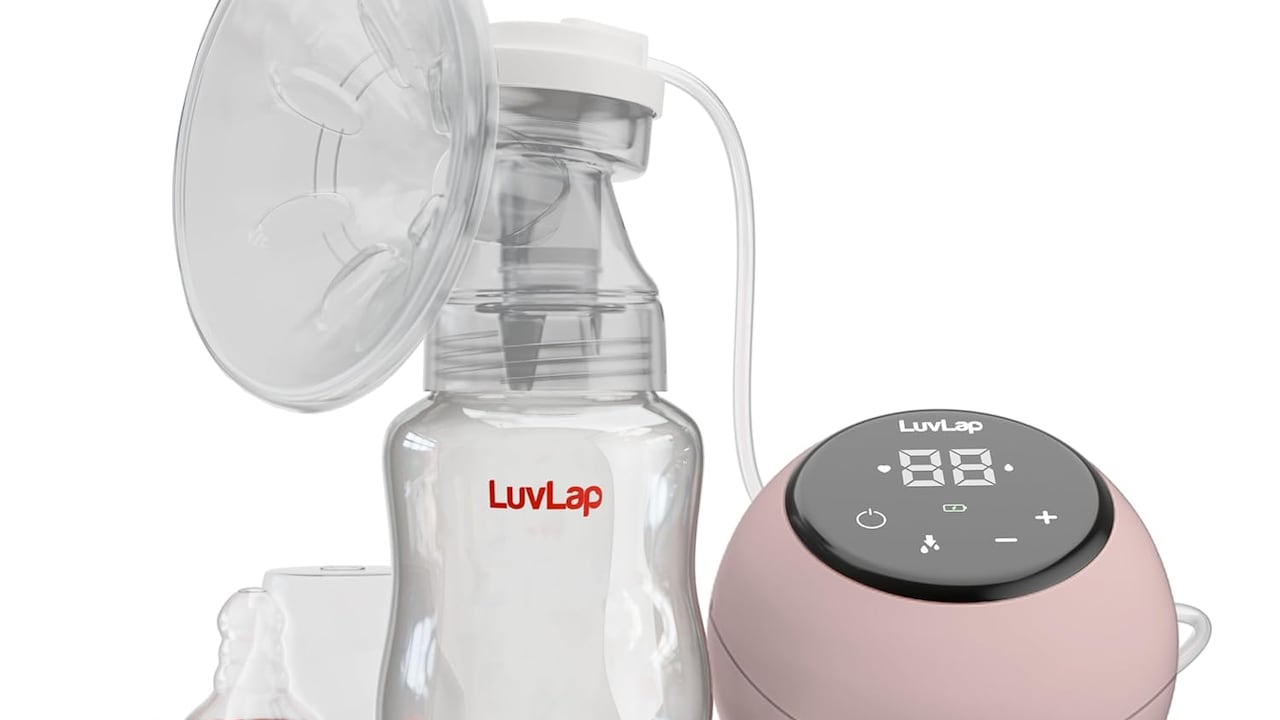
How To Buy A Baby Pump: A Complete Guide For First-Time Parents
Photo Credit: Unsplash
7. Noise Levels and Privacy in Shared Spaces
Noise sensitivity varies across households. In homes with thin walls or shared bedrooms, loud pumps disrupt rest. Quiet motors allow discreet pumping during late hours. Sound level specifications help compare models, though real-world reviews offer better insight.
Wearable pumps excel in privacy, allowing pumping during social visits or work calls. Compact electric pumps with low hums maintain comfort in shared living areas. Privacy also includes visual discretion. Slim designs fit under clothing, reducing self-consciousness.
Respecting household dynamics matters. A quiet pump supports harmony and reduces stress. Privacy builds confidence, encouraging consistent pumping without hesitation or discomfort.
8. Durability, Warranty and After-Sales Support
A baby pump experiences daily wear and tear. Durable materials ensure longevity. Motors should withstand frequent use without overheating. Strong seals prevent leaks, protecting both milk and clothing.
Warranty coverage signals brand confidence. One-year warranties remain standard, though some brands offer extended options. Local service centres matter, especially when repairs become necessary. Easy access to customer support saves time and frustration.
Availability of spare parts also matters. Tubes, valves and membranes require replacement over time. Brands with local presence simplify maintenance. Reliability builds trust, allowing parents to focus on care rather than equipment issues.
9. Portability for Life on the Move
Life rarely stays still after a baby arrives. Visits to relatives, doctor appointments and short trips become routine. Portable pumps support flexibility. Lightweight designs fit easily into handbags or backpacks.
Battery-powered pumps offer independence from sockets. Rechargeable batteries reduce ongoing costs. USB charging adds convenience during travel. Secure lids prevent spills, protecting bags and clothes.
Portability also includes ease of assembly outside the home. Pumps that assemble quickly suit on-the-go use. Travel-friendly pumps support continuity, ensuring feeding routines remain intact regardless of location.
10. Listening to Real Experiences and Trusting Instincts
Reviews and recommendations guide decisions, though personal comfort varies. Online reviews highlight common issues and benefits. Friends and family offer honest insights based on lived experience. Doctors and lactation consultants provide professional guidance.
Yet, instincts matter. A pump that feels right often works best. Comfort, ease and confidence outweigh trends. Testing fit and suction early helps confirm suitability. Many brands offer return policies, allowing adjustments if needed.
Every feeding journey differs. Trusting instincts and adapting choices ensures a smoother experience. The right pump becomes a quiet support system, blending seamlessly into daily life.
Products Related To This Article
1. Philips Avent Essential Manual Breast Pump
2. Promom Wearable Electric Breast Pump for Feeding Mothers
3. BRONTIX S1 Wearable Breast Pump Electrical
4. Hands Free Breast Pump
5. LuvLap Adore Double Electric Breast Pump with Dual Mode
Buying a breast pump marks an important step in early parenthood. The process involves more than comparing prices or features. A thoughtful choice supports both baby and caregiver, easing routines during an already demanding phase. This guide aims to simplify decisions with practical insights and relatable considerations. No single breast pump suits everyone, yet the right one always fits lifestyle, space and emotional comfort. With careful planning and trust in personal needs, choosing a breast pump becomes less daunting and far more empowering.
(Disclaimer: This article may include references to or features of products and services made available through affiliate marketing campaigns. NDTV Convergence Limited (“NDTV”) strives to maintain editorial independence while participating in such campaigns. NDTV does not assume responsibility for the performance or claims of any featured products or services.)