How To Choose A Bathroom Mat That Dries Faster In Humid Homes
Choose a quick-drying bathroom mat that stays fresh in humid weather. Learn which materials, thickness, backing and designs prevent dampness, odour and slippery floors.
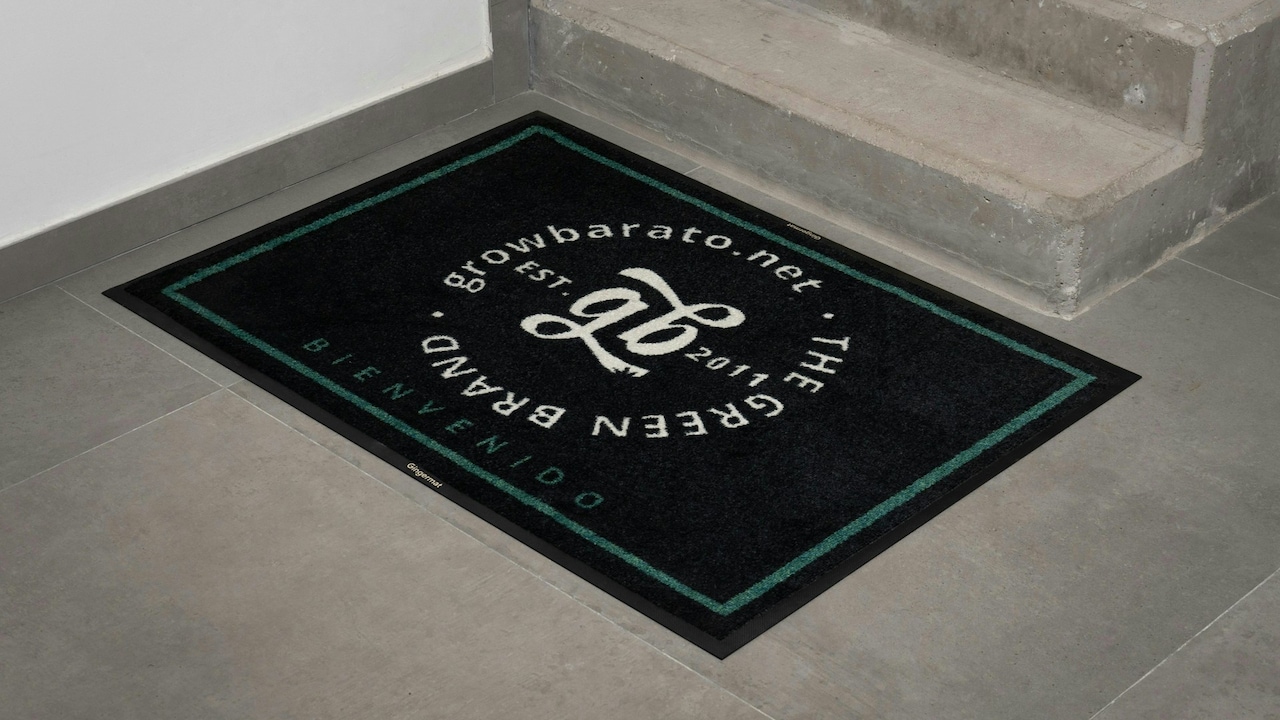
Bath mat buying guide for people who want features like quick drying
In a humid home, a bathroom mat rarely gets enough time to recover. One person steps out of the shower, another follows ten minutes later, and the mat remains damp long after everyone has left for work or school. By evening, it may feel colder, heavier and slightly less fresh than anyone would like to admit. The problem often becomes worse during the monsoon, when towels take longer to dry, and even freshly washed clothes seem to hold on to moisture. A thick, fluffy bath mat may look luxurious in a shop, but inside a poorly ventilated bathroom, it can behave like a wet sponge with decorative stitching.
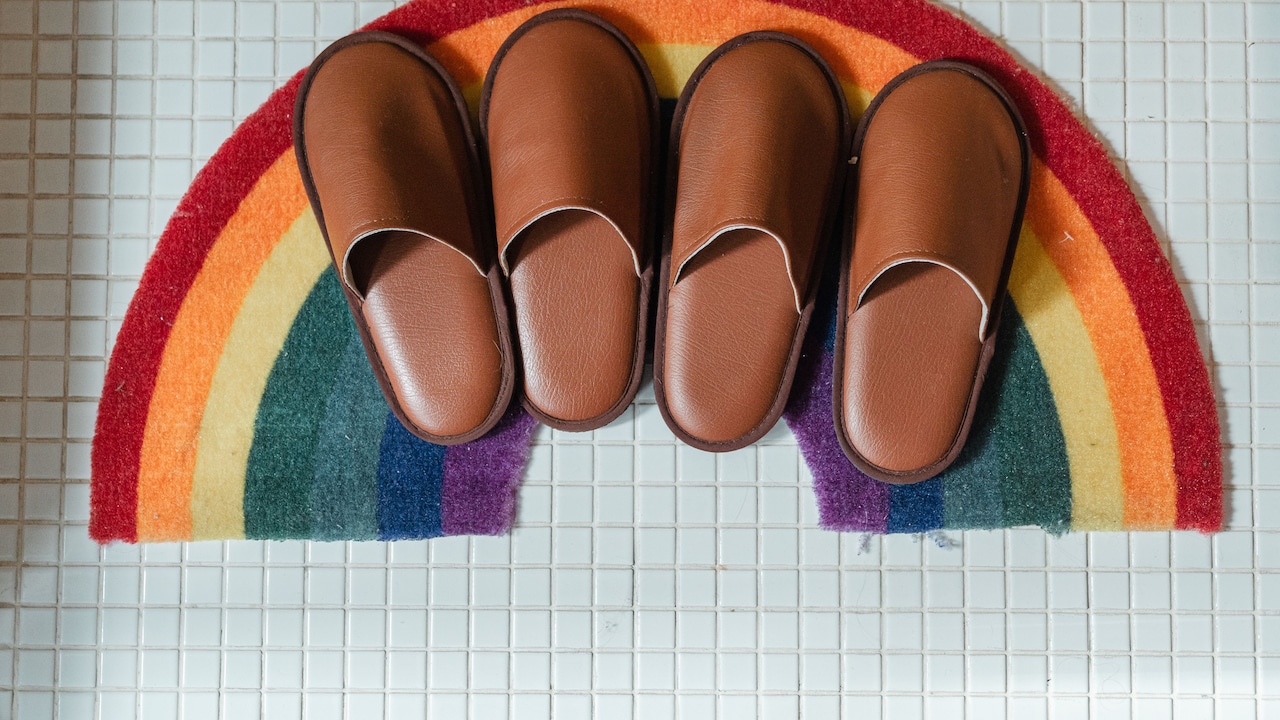
How to choose a quick-drying bathroom mat
Photo Credit: Pexels
A fast-drying bathroom mat should absorb surface water without trapping it for hours. It should also stay secure underfoot, cope with frequent washing and suit the available ventilation. Price matters, but smart construction matters more. A ₹500 mat with an airy weave may perform better than a ₹2,000 mat that remains damp all day. The following ten factors can help make the choice easier.
Also Read: 5 Quirky Bathroom Mats And Bathroom Rugs Under ₹999
What To Look For In A Quick-Drying Bathroom Mat
Choose Materials That Release Moisture Quickly
Material plays the biggest role in determining how fast a bathroom mat dries. Some fibres absorb plenty of water but hold it deep inside, while others allow moisture to evaporate more quickly.
Microfibre mats remain popular because their fine synthetic strands absorb water efficiently and usually dry faster than dense cotton. They also feel soft underfoot, which makes them a practical choice for households that want comfort without a long drying time. However, very plush microfibre can still trap moisture, so a shorter pile works better in humid rooms.
Bamboo-based fabrics offer another useful option. They tend to feel light and breathable, although the actual performance depends on how the fibres have been blended and woven. Mats made from polyester or nylon usually release water quickly and handle repeated washing well.
Pure cotton feels familiar and comfortable, but thick cotton mats often dry slowly. A lightweight, flat-woven cotton mat can still work, especially near a sunny window or strong exhaust fan.
Before buying, check the care label. A material that looks elegant may create more laundry drama than expected.
Prefer A Low-Pile Or Flat-Weave Design
That cloud-like bath mat may feel wonderful for five seconds, but its deep pile can become a moisture trap. Long fibres create more space for water to hide, especially when several people use the bathroom within a short period.
Low-pile mats usually dry faster because air can move through them more easily. Their shorter fibres also reduce the amount of water held after each use. Flat-weave mats go one step further. They have a thinner profile, fewer dense loops and a surface that dries with less effort.
This does not mean the mat must feel rough or cheap. Many modern flat-woven designs offer a soft finish while staying practical. Some resemble small rugs and come in geometric patterns, muted shades or traditional-inspired prints.
A thinner mat also works well in compact bathrooms where doors scrape against thick flooring. It can fit under low-clearance doors and sit neatly beside the shower without bunching up.
When comparing options in a shop, press the surface with your fingers. If the fibres swallow your fingertips like a deep cushion, the mat may take longer to dry than its stylish appearance suggests.
Check The Mat's Overall Thickness
Thickness affects more than comfort. It also controls how much water a mat can hold and how long that moisture takes to escape.
A thick bathroom mat may feel luxurious, particularly on cool mornings. Yet in humid weather, that same thickness can become a disadvantage. Water settles into the inner layers, while the top may appear dry. The mat then develops a stale smell even though it does not look visibly wet.
A medium-thin mat offers a better balance for most homes. It provides enough cushioning to feel pleasant but does not create a dense reservoir of moisture. Mats with layered foam cores need extra attention. Memory foam feels soft, but some versions dry slowly if water reaches the inner filling.
Look at the side profile rather than judging the top surface alone. A mat that appears sleek may contain several hidden layers. Gently bend it and check whether it feels bulky or heavy.
For a bathroom used by several family members, thinner usually means easier maintenance. The mat can dry between showers, fit into a washing machine without a struggle and avoid becoming the dampest member of the household.
Look For A Breathable Backing
The underside of a bathroom mat often decides whether moisture escapes or remains trapped against the floor. A solid rubber backing may offer excellent grip, but it can also block airflow completely.
When water enters the top fibres, it needs somewhere to go. If the backing forms a sealed layer, moisture stays inside the mat. The floor underneath may also remain wet, creating discolouration, odour or slippery patches.
Choose a mat with a breathable non-slip backing, perforated rubber sections or spaced grip dots. These designs provide traction while allowing some air movement. A mesh-style backing can also work well if it feels sturdy and does not curl at the edges.
Avoid backing that feels excessively thick, sticky or plasticky. Such materials may crack after repeated washing, particularly when exposed to strong detergent or hot water. Once the backing starts peeling, tiny pieces can scatter across the bathroom floor like unwanted confetti.
Always check whether the manufacturer recommends machine washing. Some non-slip coatings weaken inside washing machines. A breathable, washable backing offers the best combination of grip, hygiene and faster drying.
Consider Diatomaceous Earth Or Hard Mats
Soft fabric is not the only option. Hard bathroom mats made from diatomaceous earth have gained attention because they absorb surface moisture and dry surprisingly quickly.
These mats feel more like smooth stone slabs than traditional bath rugs. When wet feet touch the surface, the material draws in moisture. The damp marks often fade within minutes, depending on room conditions and product quality. This makes them useful for humid bathrooms where fabric mats stay wet for hours.
However, hard mats require a different kind of care. They can crack if dropped, placed on uneven flooring or handled roughly. Some also need occasional sanding to restore absorbency. They may feel cool underfoot, which can either feel refreshing or mildly shocking on an early winter morning.
Prices often range from around ₹800 to ₹3,000, depending on size and brand. Before buying, check the weight, anti-slip base and care instructions.
A hard mat works best near a shower area with relatively level flooring. It may not suit young children or older adults who prefer a softer, cushioned surface.
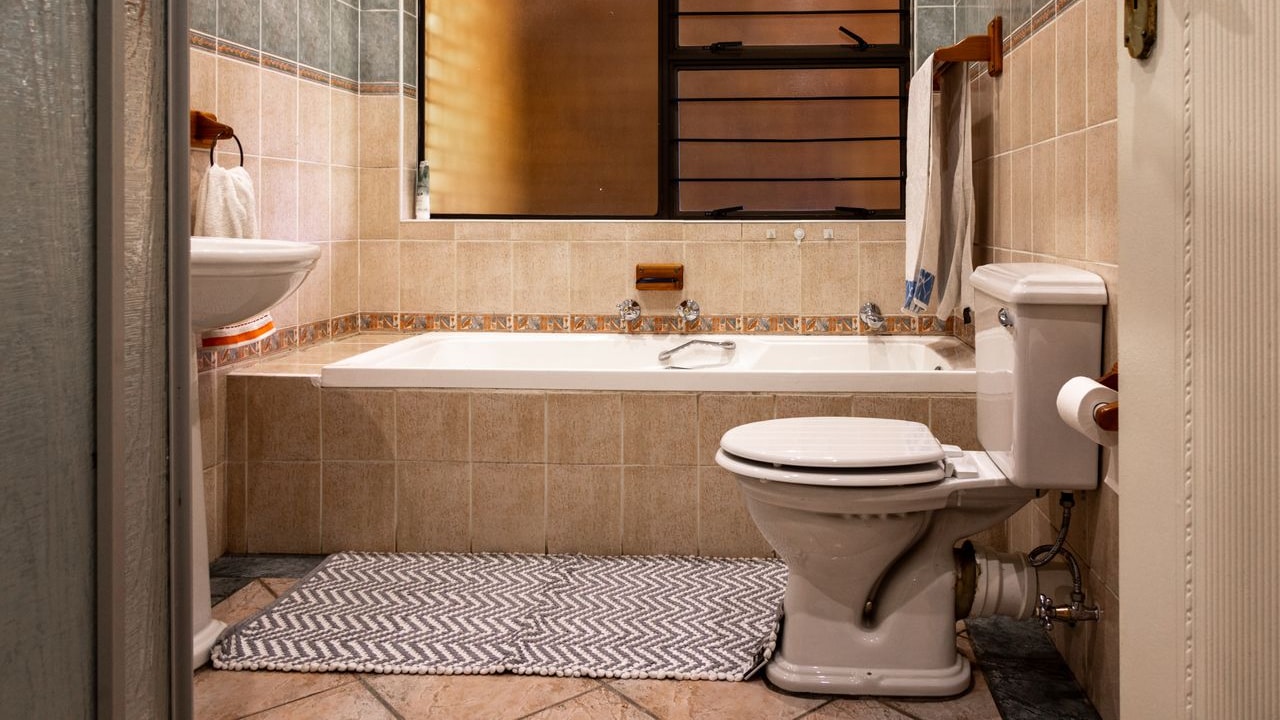
Consider different materials to see how each one feels under feet
Photo Credit: Pexels
Match The Mat To Bathroom Ventilation
Even the quickest-drying material needs moving air. A bathroom without a window, exhaust fan or ventilation gap can keep almost any mat damp.
Before choosing a mat, observe how the room behaves after a shower. Does steam remain on the mirror for half an hour? Do towels smell musty by evening? Does the floor stay wet long after the bucket and mug have returned to their corner? These signs suggest limited airflow.
For poorly ventilated bathrooms, choose the thinnest practical mat with a low pile and breathable backing. Avoid oversized rugs, heavy cotton and thick foam. A smaller mat dries faster because less material needs to release moisture.
Where ventilation is better, a slightly softer or thicker option may work without trouble. A window that receives direct sunlight can make a noticeable difference, as can an exhaust fan used for fifteen to twenty minutes after bathing.
The mat and the room must work as a team. Buying a “quick-dry” label cannot defeat a permanently steamy space. Sometimes the best upgrade is not a costlier mat but a stronger exhaust fan.
Choose The Right Size For The Space
A large mat may seem practical because it covers more floor, but extra size also means extra fabric, extra water absorption and extra drying time.
Measure the area outside the shower, bathtub or washing zone before shopping. The mat should catch water from wet feet without stretching across the entire bathroom. It also needs enough space around the edges for air to circulate.
In a compact bathroom, a mat measuring roughly 40 by 60 centimetres may work better than a long runner. It can be lifted, shaken and hung without much effort. Larger bathrooms may need two smaller mats instead of one oversized piece. One can sit near the shower, while another stays near the washbasin.
Two smaller mats also make washing easier. They fit into ordinary washing machines and can rotate through the week. When one dries on the balcony, the other remains in use.
Avoid placing the mat beneath heavy cabinets or bins. Covered sections dry slowly and may develop stains. The ideal size should suit the wet zone rather than simply filling empty floor space.
Test Absorbency Without Choosing A Sponge
A bathroom mat must absorb enough water to prevent puddles, but extreme absorbency can slow drying. The goal is controlled absorption, not endless storage.
Some thick cotton and chenille mats soak up impressive amounts of water. That sounds useful until the mat remains wet through lunchtime. In humid conditions, a moderately absorbent mat with fast moisture release performs better.
Product descriptions often use phrases such as “super absorbent” or “ultra plush”. Treat these claims carefully. Look for reviews that mention drying time, washing and odour rather than relying on dramatic packaging.
When shopping in person, feel the density. A mat that seems unusually heavy while dry may become even heavier when wet. A lighter mat with a structured weave often offers better day-to-day performance.
At home, a simple splash test can reveal a lot. Pour a small spoonful of water onto one corner and observe how quickly it spreads, absorbs and begins to dry.
A good mat should remove water from the feet quickly without behaving like a reservoir. Think of it as a helpful towel, not a long-term water storage scheme.
Check Washing And Maintenance Needs
A fast-drying mat still needs regular cleaning. Moisture combines with soap residue, dust, hair and skin cells, creating ideal conditions for unpleasant smells.
Choose a mat that can handle frequent washing without losing shape. Machine-washable options suit busy households, especially when several people share one bathroom. Check the recommended temperature, spin setting and drying method before placing the mat in the washing machine.
Some mats need gentle cycles, while others require hand washing. Rubber-backed mats often last longer when washed in cool water and air-dried. High heat can damage the backing, loosen adhesive or create cracks.
The mat should also be easy to hang. A flexible, lightweight design can drape over a balcony rail, drying rack or bathroom rod. Heavy mats become awkward once soaked and may take much longer to dry after washing.
Wash the mat at least once a week in frequently used bathrooms. During humid months, increase the frequency if it starts smelling stale.
A beautiful mat that demands complicated care may soon become a decorative burden. Practical maintenance keeps both the mat and the bathroom fresher.
Buy Two Mats And Rotate Them
Sometimes the smartest solution is not finding one perfect mat but owning two practical ones. Rotation gives each mat enough time to dry fully before returning to the bathroom.
This approach works particularly well in homes where several people bathe every morning. One mat can stay in use while the second dries near a window, on a balcony or under a fan. Swapping them every day or two prevents constant dampness.
Two affordable mats may provide better value than one expensive, thick option. For example, spending ₹600 each on two low-pile mats can prove more useful than spending ₹1,500 on one plush mat that never dries properly.
Rotation also makes washing easier. There is no need to leave the floor bare while one mat goes through the laundry. It reduces wear because neither mat handles daily use without rest.
Choose two mats with similar dimensions so they fit the same space. Different colours can add variety, though lighter shades may show stains sooner.
A small rotation habit can solve a surprisingly stubborn problem. Even bathroom mats, it seems, perform better when they receive an occasional day off.
Products Related To This Article
1. RichAxis Rectangular Anti Skid Bath Mat with Foot Scrubber for Bath Room Shower Mat
2. SITTELLA® 2 Pieces (3.5mm) Anti-Skid Water Soaking Oval Bathroom Print Rubber Mat
3. Yellow Weaves Stone Rectangular Bath Mat
4. Amazon Brand - Solimo Premium Anti-Slip Microfibre Bathmat
5. SARAL Home Microfiber Solid Anti-Skid Bath Mats Set of 2
6. SKVM Memory Foam Water Absorbent Rectangular Shape Mat for Bathroom Kitchen Floor
7. LUXE HOME INTERNATIONAL Microfiber Luxe Home Bath Mat Super Soft Non Slip Vegas Mats For Bathroom
Choosing a bathroom mat for a humid home requires more thought than matching it with tiles or towels. The most attractive option may not always be the most practical one. A mat must absorb surface water, release moisture quickly, remain secure and survive frequent washing.
Low-pile microfibre, lightweight synthetic blends, flat-woven cotton and diatomaceous earth mats often perform well. Thin construction, breathable backing and a sensible size can improve drying time further. Ventilation also matters. No mat can stay fresh inside a bathroom where steam and moisture never escape.
Pay attention to how the household uses the space. A single-person bathroom may manage with one soft mat, while a busy family bathroom may need two smaller mats in rotation. Comfort still matters, but it should not come at the cost of hygiene.
The right mat will not demand much attention. It will catch wet footprints, dry quietly and remain ready for the next shower. In a humid home, that simple reliability feels far more luxurious than a thick mat that spends the entire day sulking in a puddle.
(Disclaimer: This article may include references to or features of products and services made available through affiliate marketing campaigns. NDTV Convergence Limited (“NDTV”) strives to maintain editorial independence while participating in such campaigns. NDTV does not assume responsibility for the performance or claims of any featured products or services.)





![Steam Iron Teflon Shoe Cover for ES-300,ST-96 [Only For ES-300 and ST-96 Model Electric Steam Irons]](https://m.media-amazon.com/images/I/51wwkttondL._SL160_.jpg)