How to Choose Hygienic Laundry Bags: 7 Ways to Stop Germ Build-Up
Laundry bags may look harmless, but they carry more germs than a kitchen sink. Sweat, dust, rainwater and everyday pollution make clothes a perfect home for bacteria. Here is how to choose hygienic laundry bags and explain the 7 ways you can stop germs in their tracks.

Best Hygienic Laundry Bags: 7 Ways To Keep Your Laundry Germ Free And Your Family Safe.
Clothes rarely get attention until they smell funny or start to look dull. Most of the time, the real problem is not the detergent or the washing machine, but the laundry bag that stores unwashed clothes. A laundry bag sits quietly in one corner of the room, collecting sweat-soaked gym wear, dusty office shirts, school uniforms, and rain-dampened jeans. Without proper handling, it turns into a germ junction. A hygienic laundry bag saves the day by preventing microbes from spreading across the home. From choosing the right material to cleaning habits, the little things matter.
Let's explore how to keep laundry germ-free with simple habits and the best type of laundry bags available today.
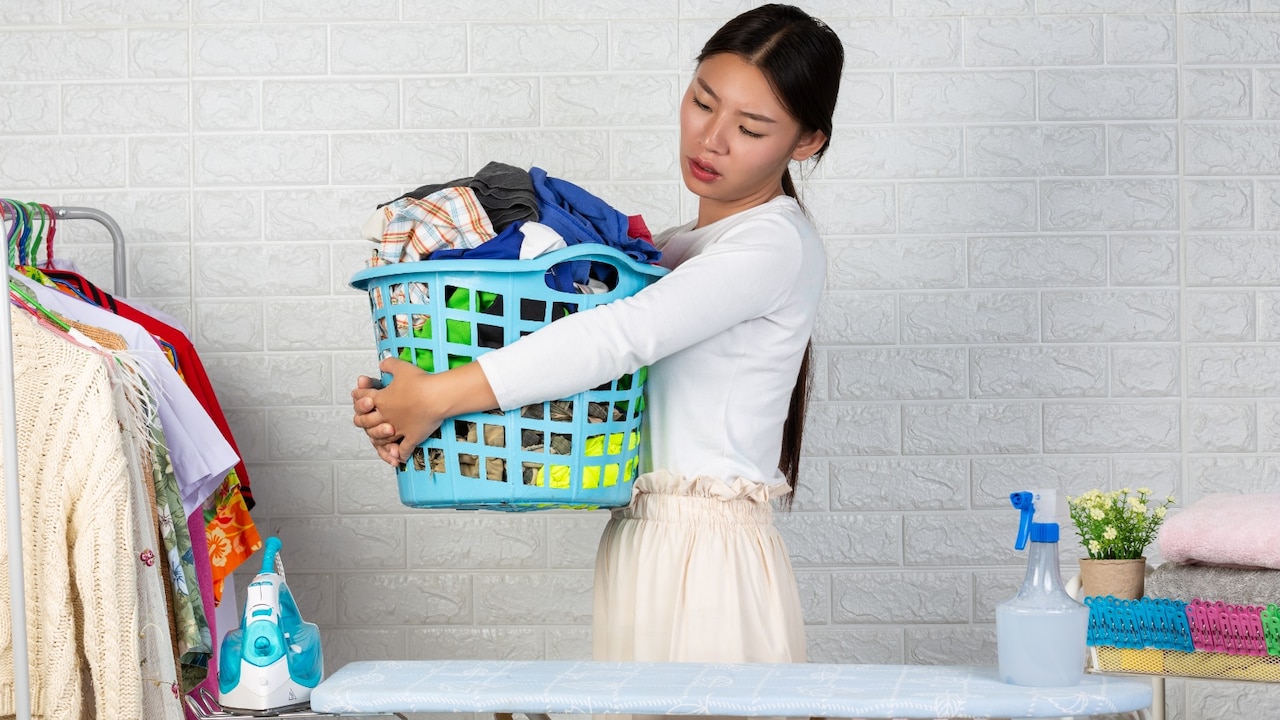
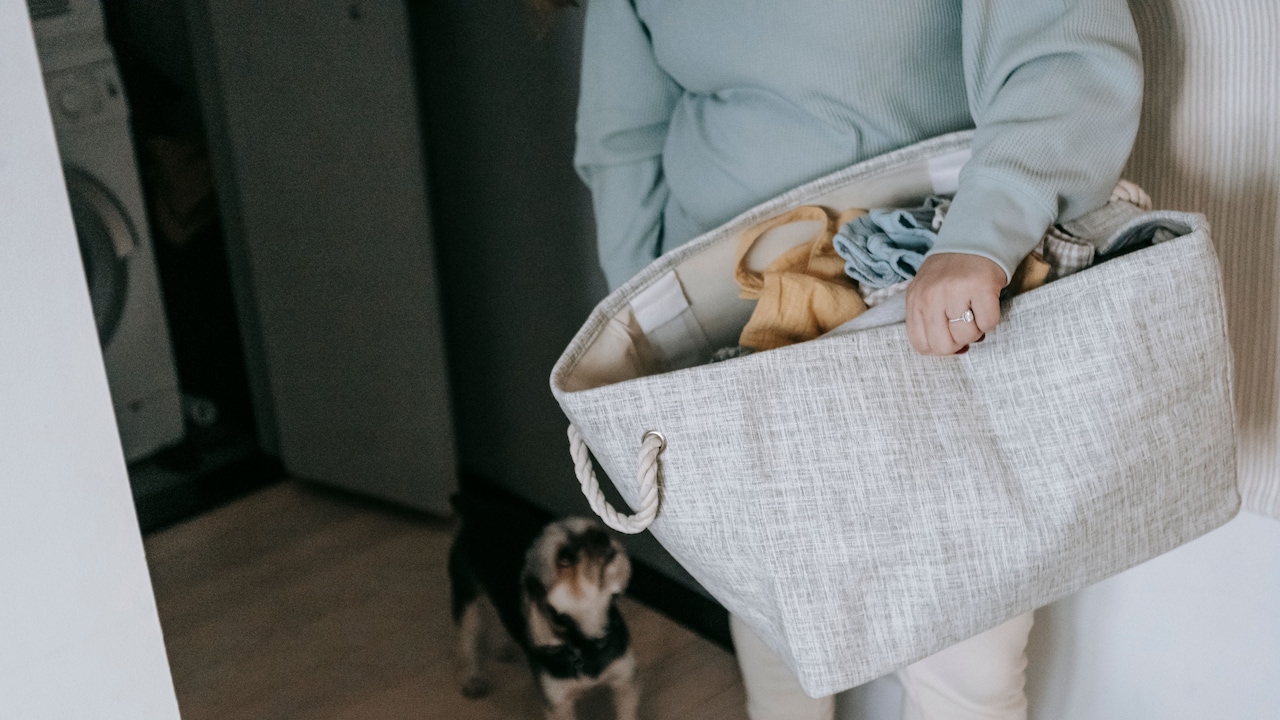
Best Hygienic Laundry Bags: 7 Ways To Keep Your Laundry Germ Free; Photo Credit: Pexels
How To Keep Laundry Bags Clean And Germ-Free
1. Choose Breathable Fabrics Like Cotton or Mesh
Laundry bags made of plastic or synthetic material trap moisture and sweat, turning them into breeding grounds for bacteria. Breathable fabrics such as cotton canvas and mesh allow air to circulate, preventing unpleasant smells and humidity build-up. These materials absorb mild moisture but do not lock it inside as nylon bags do.
Breathable laundry bags also protect delicate fabrics from fungal growth, especially during the monsoon season when clothes get damp more easily. For those who regularly store gym wear, school uniforms or outdoor clothing, this choice becomes even more important. Bags made of cotton canvas cost anywhere between ₹250 to ₹600 and last for years with regular washing. Mesh bags are handy for separating socks and innerwear inside the washing machine, and they usually cost around ₹120 to ₹200. With breathable options, clothes stay fresher, and there's no surprise attack of funky odours when bag zips are opened.
2. Wash the Laundry Bag Once a Week
A laundry bag is not immune to germs just because it holds dirty clothes. Sweat, dead skin and dust stick to the inner layers over time. Washing it once a week keeps everything clean and prevents germs from returning to freshly washed clothes. A simple bucket wash with warm water and mild liquid detergent does wonders. Adding a capful of white vinegar to the rinse helps kill bacteria without damaging the material.
Cotton and canvas bags can be sun-dried to regain freshness; sunlight is one of nature's cheapest disinfectants. Mesh bags, however, dry quicker indoors but should not be left in damp corners. If washing feels tiring, keep two laundry bags at home and rotate them every week. That way, one stays clean while the other handles the load. Hygiene should never take a holiday, especially when family health is at stake.
Also Read: Laundry Bag Care in Humid Weather: Keep Clothes Odour-Free During Moisture-Heavy Weather
3. Separate Wet and Dry Clothes Immediately
One small mistake leads to big trouble: throwing sweat-soaked garments or wet towels into a bag full of dry clothes. Moisture triggers bacterial activity faster than leftover food spoils. A wet towel in the bag spreads more germs than an open dustbin. Only two minutes of delay after bathing or returning from sports can turn fresh clothes inside the bag mouldy.
A simple solution is keeping a separate waterproof pouch (around ₹100–₹180) for wet items until they can be washed. Even old plastic pouches from bedsheets or jackets work well after a quick clean. Some modern laundry bags come with dual compartments, helping keep moisture away from clean garments waiting for wash day. Separating wet and dry stops the spread of invisible microbes, eliminates sour smells and keeps wash loads easier to manage.
4. Avoid Overstuffing the Laundry Bag
Stuffing clothes past the bag's capacity may look like a great time-saver, but it creates a hot, humid environment that germs adore. Overcrowded clothes don't get airflow, causing sweat stains to cling tightly and odours to intensify. A laundry bag filled beyond its limit doesn't just look untidy, it becomes a germ pressure cooker.
Bags usually come labelled with 4–8 kg capacity. It helps to choose a size suitable for household laundry habits. A family of four benefits from a 60–90 litre laundry bag, costing around ₹450–₹900, while single users can manage with 35–50 litres. Maintaining space also prevents clothes from getting permanent creases and reduces the chances of skin irritation caused by bacteria stuck on fabric. A little breathing space keeps both clothes and family health in good shape.
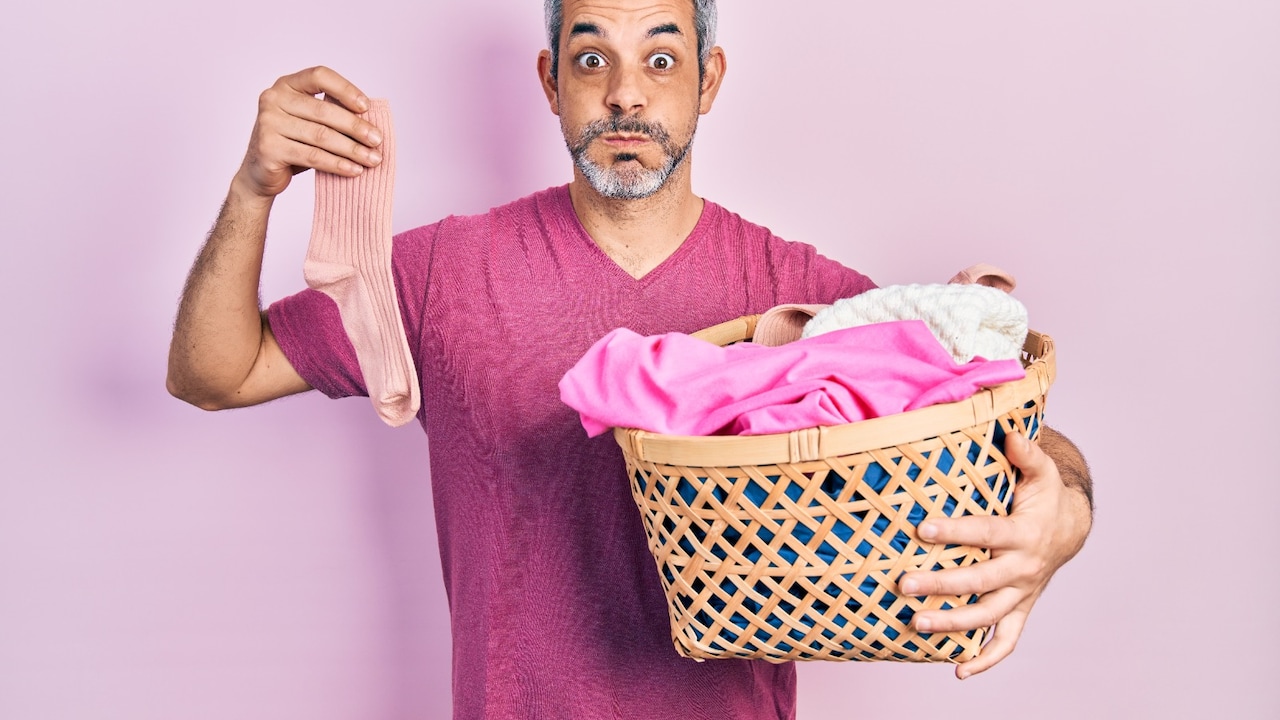
Best Hygienic Laundry Bags: 7 Ways To Keep Your Laundry Germ Free; Photo Credit: Pexels
5. Use Deodorising Sachets or Neem Leaves
Laundry bags often smell like a mix of sweat, perfume residue and damp fabric. Instead of using chemical air fresheners, natural ingredients work better and last longer. Drop a small pouch of dried neem leaves or camphor tablets inside the bag. They combat bacteria and keep the bag smelling pleasant. Neem is a local treasure with strong antibacterial properties and costs barely ₹20 for a bunch.
For a sweeter fragrance, homemade sachets filled with cloves, dried hibiscus, or rose petals slipped into an old sock can do the job. Even charcoal bags available for ₹120–₹200 help absorb moisture and remove odour naturally. These little hacks turn hygiene into a low-budget but high-impact habit. Every time the laundry bag opens, a clean aroma brings instant relief instead of a shock wave of sweat scents.
6. Choose Washable Bags with Drawstrings or Zippers
Laundry bags with drawstrings or secure zippers keep dirt, insects and dust away. Open-top bags invite contamination and allow germs from dirty clothes to spread into the surrounding room. A closed design also prevents accidental spills when carrying laundry for washing.
Washable bags are a game-changer because routine cleaning becomes easy and keeps bacteria at bay. Good-quality washable cotton, denim-style canvas or mesh-wash bags are available between ₹200 and ₹700. Families living in compact spaces benefit from collapsible laundry bags that fold after use, saving space while staying clean. Choosing bags that combine hygiene with convenience prevents the mess of tangled clothes and eliminates the need to touch every garment while transferring them to the machine. Clean clothes begin with clean storage.
7. Keep the Laundry Bag Away from Moist Corners
Where the laundry bag sits matters more than imagined. Many homes keep laundry bags near the bathroom or close to damp areas. Moisture in such places feeds bacteria and fungi faster than unwashed clothes alone. Clothes already soaked in sweat or humidity become worse when stored in moist surroundings.
The best place to keep a laundry bag is a well-ventilated corner, preferably near a window or fan. Dry air prevents fungal growth and keeps the bag smelling fresh. Placing laundry bags on a raised platform or plastic stand (₹100–₹300) keeps them safe from floor moisture. A little sunlight exposure in the morning, if possible, helps the fabric breathe naturally. Good placement turns an ordinary laundry bag into a hygienic storage partner.
Products Related To This Article
1. LAXIS® 75L Laundry Bag for Clothes with Lid
2. 100% Pure Cotton Laundry Bag 20x30 inch
3. Amazon Brand - Solimo Plastic Knit Laundry Basket
4. Rioware Bamboo laundry bag basket
5. Homestrap Laundry Magic Mover Mini
6. Kuber Industries Cotton 60 LTR Foldable & Portable Laundry Basket
7. PrettyKrafts 35 L Non Woven Rectangular Foldable Large Laundry Bag
Laundry hygiene goes beyond detergent choices and washing machines. The journey of clean clothes begins with how they are stored. A hygienic laundry bag isn't just a household accessory, it's a silent guardian against germs, odour and infections. Breathable fabrics, regular washing, dry storage, smart organisation and simple fragrance solutions ensure that clothes remain fresh even before wash day.
Healthy habits often hide in simple things. A clean laundry bag is one such small decision that keeps every wardrobe fresh, every wash more effective, and every family member protected from hidden microbes. Good hygiene starts at home, and sometimes, it starts in a laundry bag that receives a little extra love.
(Disclaimer: This article may include references to or features of products and services made available through affiliate marketing campaigns. NDTV Convergence Limited (“NDTV”) strives to maintain editorial independence while participating in such campaigns. NDTV does not assume responsibility for the performance or claims of any featured products or services.)





![Steam Iron Teflon Shoe Cover for ES-300,ST-96 [Only For ES-300 and ST-96 Model Electric Steam Irons]](https://m.media-amazon.com/images/I/51wwkttondL._SL160_.jpg)