How To Choose The Right Bedsheet: Thread Count, Weaves And Comfort Explained
Shopping for bedsheets often feels like decoding a puzzle. Labels shout about thread counts, fabric blends, and weaves as if they were secret passwords to better sleep. Let us break down what those terms mean to help choose the right bedsheet.

Bedsheet Weaves And Thread Count: Know What Actually Matters For A Good Night's Sleep.
Walk into any home furnishing store today, and the bedsheet section greets you like a colourful festival. Piles of cotton, satin, and blends stretch across shelves, each promising the softest sleep of your life. The salesperson talks in technical terms, thread count, percale, sateen, ply, weave, leaving many confused about whether they are shopping for fabric or prepping for an exam. Yet, choosing the right bedsheet should be as comforting as slipping into one. The texture, the breathability, the longevity, and even the price depend largely on two things: weave and thread count. Understanding these details helps you shop smarter, sleep better. So, before adding anything to your cart, know how to choose the right bedsheet and learn all about thread count, weaves and even comfort. We explain it all through relatable examples and real-life practicality.
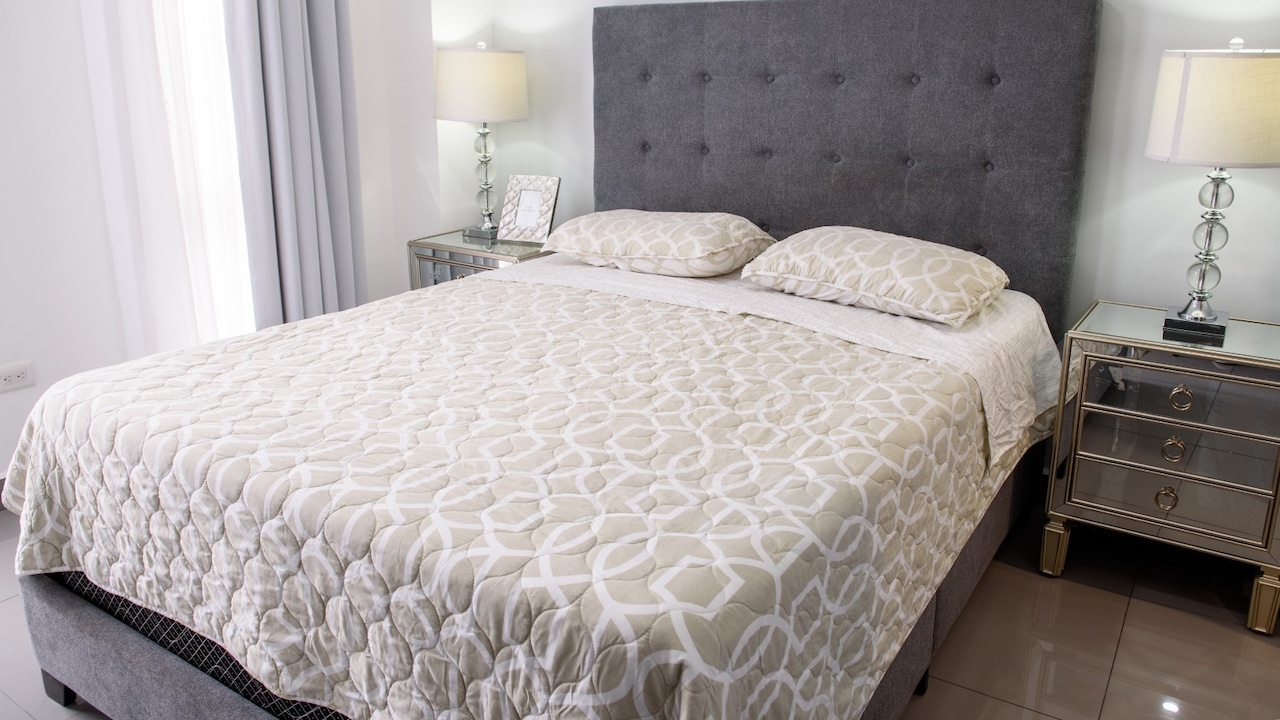
Bedsheet Weaves And Thread Count: Know What Actually Matters; Photo Credit: Pexels
Understanding The Building Blocks Of A Good Bedsheet
1. Why Thread Count Became a Buzzword
Thread count rose to fame much like a catchy jingle, easy to repeat and hard to ignore. Brands started using it as a quick indicator of quality, promising that higher numbers meant softer, richer sheets. Soon, shelves filled with bedsheets boasting counts of 1000, 1500, even 2000, as if the numbers alone held magical power.
In reality, thread count simply measures how many vertical and horizontal threads exist in a square inch of fabric. That's all. No fireworks, no hidden mysteries. While a higher number can reflect density, it does not automatically guarantee comfort. The fabric quality matters more than any number printed on the packaging.
Many people still believe that buying the highest thread count their budget allows ensures luxurious sleep. But a 300–400 thread count sheet made from fine cotton can outperform a 900 count sheet made from cheap fibres that feel stiff and trap heat. Much like judging a movie purely by its poster, thread count tells only part of the story. Understanding the rest helps make better choices without chasing sky-high numbers and sky-high bills.
2. Understanding the Sweet Spot for Comfort
Most everyday shoppers want bedsheets that feel gentle, breathe well, and last long. This sweet spot usually lies between 250 and 500 thread count. In this range, the sheets feel soft and smooth without becoming overly dense or warm.
Think of it like choosing a good dosa batter, neither too watery nor too thick. A balanced thread count creates breathable fabric that suits warm nights, especially in places where summers can stretch endlessly. When the count rises too high, airflow drops, trapping heat and making nights uncomfortable.
The sweet spot also aligns with budget-friendly options. A well-made 300–400 thread count sheet in pure cotton or long-staple cotton hits a sweet balance between softness, durability and price. Many popular heritage cotton brands in the market today favour this range because it keeps fabric light, fresh and pleasant through all seasons.
So while ultra-high thread counts sound fancy, comfort often lies in the middle range, easy to wash, easier to maintain, and perfect for everyday use.
Also Read: Top 5 King Size Elastic Fitted Bedsheets For Winter
3. Why Fibre Quality Matters More Than Numbers
If thread count is the headline, fibre quality is the story underneath. The best bedsheets use long-staple fibres, threads that are naturally longer, smoother and stronger. Fabrics made from long-staple cotton, like combed cotton or the Egyptian variety, feel softer and resist pilling far better than fabrics made with short fibres.
Imagine trying to braid hair. Longer strands create neat plaits; short strands stick out. Bedsheet fibres behave the same way. Short fibres break easily, leading to fuzz, pilling and roughness after a few washes. High thread count sheets made from such fibres may feel impressive at first touch, but wear down quickly.
On the other hand, long-staple fibre sheets, even with moderate thread counts, stay smooth for years. They're breathable, cosy and withstand repeated washing without giving up their original charm. This makes them a value-for-money choice, especially when hoping for durability without extravagant costs.
So the next time labels boast high thread counts, check the fibre type. A modest count with high-quality fibres often delivers a far better night's sleep than a flashy number woven from weak materials.
4. Percale Weave: Crisp, Cool, and Perfect for Warm Weather
Percale is the classic weave that many households adore. It has a one-over-one-under pattern that creates a matte finish, crisp feel and cool touch. The texture resembles that freshly washed cotton shirt that feels soft yet structured, not clingy, not slippery, just right.
This weave is ideal for places where heat and humidity dominate large parts of the year. Percale bedsheets allow plenty of airflow, keeping nights breezy. They do not cling to the skin and rarely trap warmth. After a long day, slipping into percale feels clean and refreshing.
Percale also ages gracefully. With each wash, the fabric becomes softer without losing its crispness. Some families even pass down favourite percale sheets because they continue to feel familiar and comforting over time.
If someone enjoys a neat, hotel-style bed with a cool, breathable finish, percale is a fantastic choice. It's affordable, long-lasting, and perfect for those who prefer simplicity with quiet elegance.
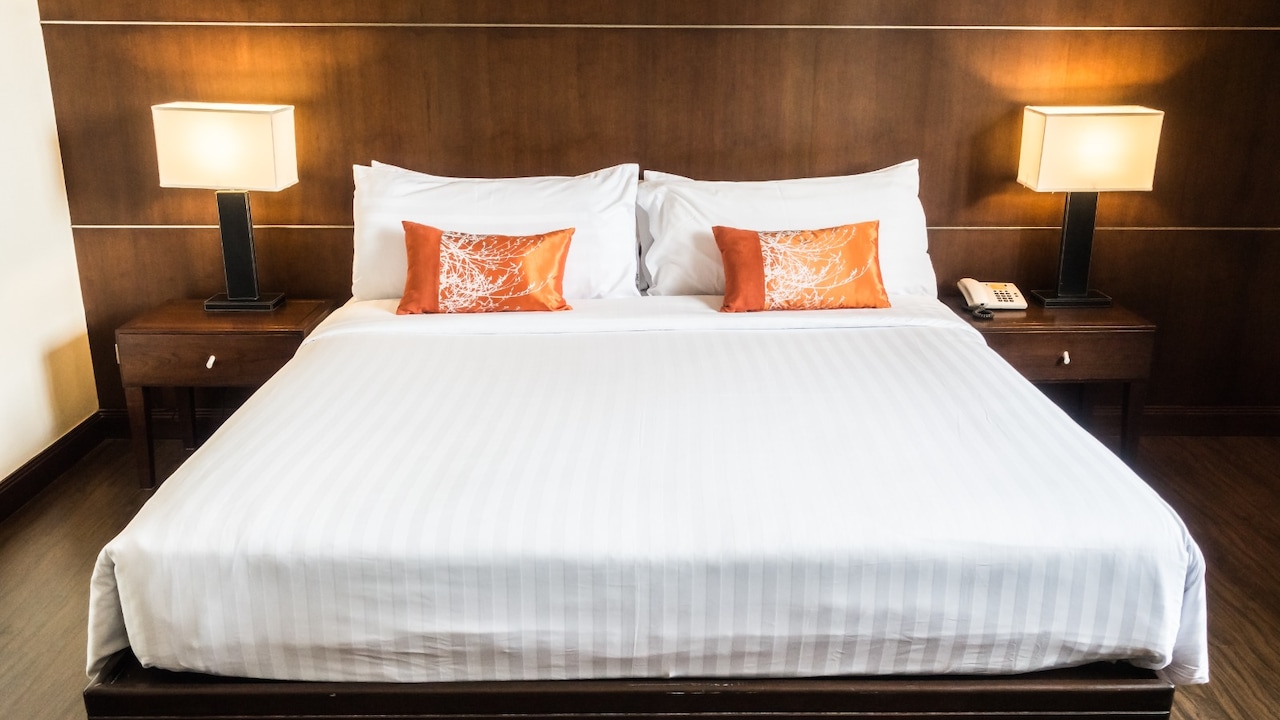
Bedsheet Weaves And Thread Count: Know What Actually Matters; Photo Credit: Pexels
5. Sateen Weave: Smooth Luxury Without the Weight
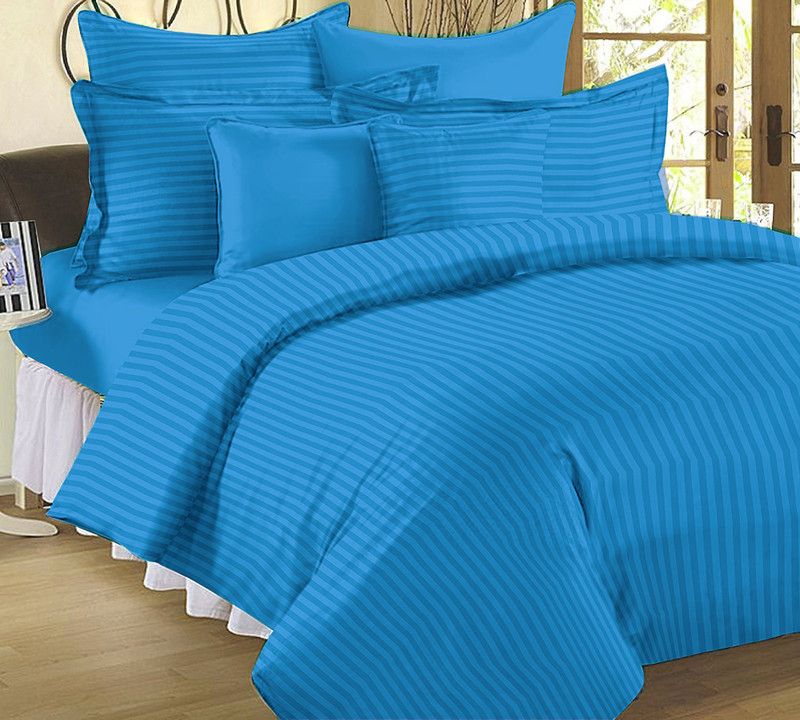
Sateen weaves offer a different charm altogether. They follow a one-under-three-over pattern, giving the surface a subtle sheen and velvety smoothness. It feels gentle against the skin, almost like a warm hug after a long day.
Despite the name, sateen is not satin. Satin uses silk or synthetic fibres, while sateen uses cotton. So it delivers the elegance of satin without the slipperiness or delicate handling requirements. Sateen sheets drape well and bring a touch of luxury to everyday living.
Those who enjoy a soft, warm ambience on cooler nights often prefer sateen. Its texture feels richer, making bedrooms look and feel more premium without requiring heavy investment. Many popular hotel-style sheet sets use sateen weaves to create that warm, inviting look.
However, sateen tends to be slightly less breathable than percale, so it's better suited for cooler months or air-conditioned rooms. When cared for well, sateen sheets last long, retain their shine and offer consistently comfortable sleep.
6. Twill Weave: Durable, Soft, and Hassle-Free
Twill weave is easy to recognise thanks to its gentle diagonal lines, much like the texture seen on denim or certain uniforms. This weave produces fabric that balances softness with strength, making it one of the most durable options for bedsheets.
Twill sheets soften quickly after the first few washes, making them cosy without requiring much break-in time. They drape well, resist wrinkles better than percale and withstand rough use, ideal for families with kids, pets or simply busy lifestyles.
One of the biggest advantages of twill is its ability to hide minor stains or marks. The pattern naturally disguises them, making twill sheets practical for daily use. Their durability also means fewer replacements, saving money in the long run.
Twill may not offer the same crispness as percale or the shine of sateen, but it delivers balance: soft, strong and dependable. For homes where comfort meets practicality, twill weave is a quiet hero worth considering.
7. The Truth About Multi-Ply Threads
Bedsheets advertised as 800, 1200 or even 1600 thread count often achieve such high numbers by using multi-ply threads. This means that instead of using one solid thread, several weaker threads are twisted together to create one strand, then counted separately to inflate the overall number.
While it sounds impressive, the reality is less magical. Multi-ply threads can make fabric heavier and less breathable. The sheets may feel thick at first, but they trap heat and can become uncomfortable over time. In warm climates, this can mean waking up sweaty or tossing and turning at night.
Single-ply threads made from high-quality, long fibres create smoother, stronger fabrics even with moderate thread counts. They breathe better, feel lighter and last longer. So if a bedsheet claims an unusually high thread count at an unbelievable price, chances are it uses multi-ply threads.
Understanding this helps avoid paying extra for inflated numbers that do little for actual comfort. Focusing on single-ply fabric and good fibres works far better than chasing huge figures on packaging.
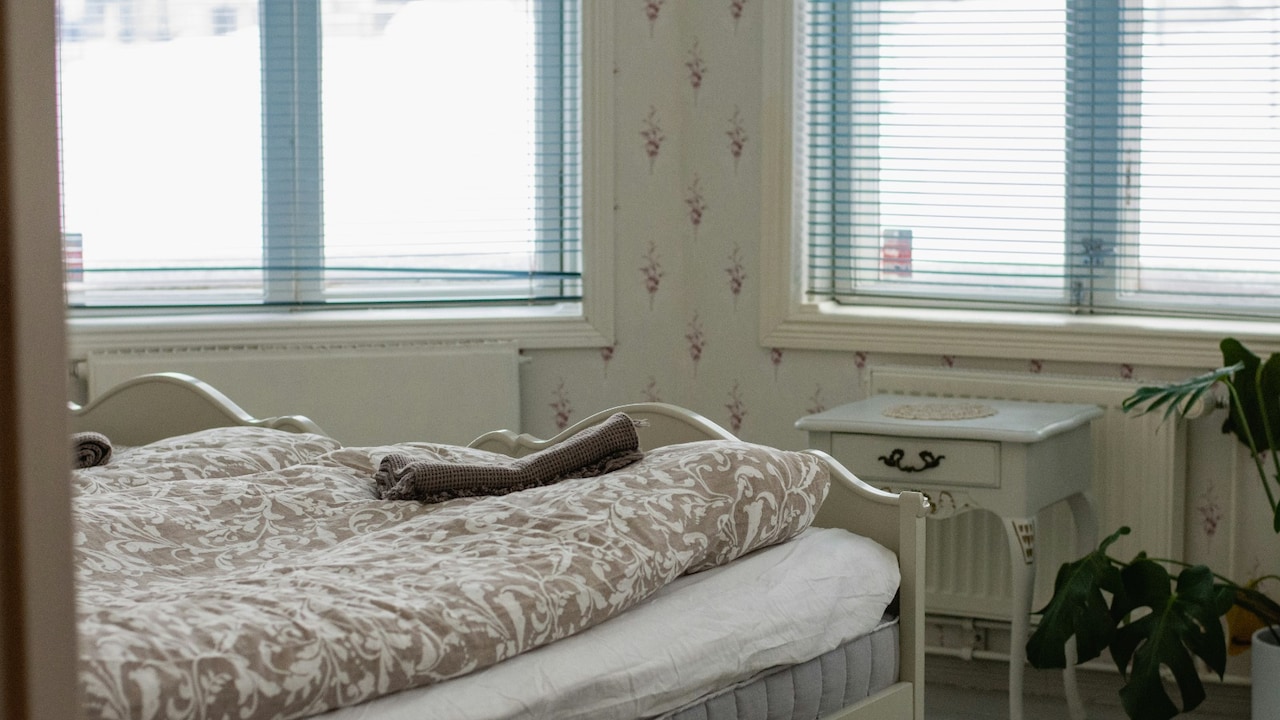
Bedsheet Weaves And Thread Count: Know What Actually Matters; Photo Credit: Pexels
8. Breathability: Why It Influences Sleep More Than Anything Else
A good night's sleep depends heavily on breathability, the fabric's ability to allow air to move through it. Bedsheets that trap heat can make nights uncomfortable, especially during peak summer months when humidity climbs and fans seem to work overtime.
Cotton remains the favourite for this reason. Its natural fibres absorb moisture and release heat efficiently. Percale weaves offer the highest breathability, followed by cotton-rich blends. Sateen feels luxurious but retains more warmth, making it better suited for cooler nights.
Breathability also affects sleep quality. When the body overheats, sleep cycles get disturbed, leading to restlessness. A breathable bedsheet helps regulate body temperature, allowing for deeper and longer rest.
This is why people often rotate sheets throughout the year, light, airy fabrics for summer and slightly denser, smoother options like sateen for cooler evenings. Breathability ensures comfort without relying heavily on air-conditioners or extra ventilation, making it practical and energy-friendly.
9. Price vs. Value: Knowing Where Your Money Goes
A well-made bedsheet can cost anywhere from ₹700 to ₹7,000 or more. The price varies based on weave, fibre quality, finishing, and brand. But cost does not always reflect comfort. Some affordable sheets offer excellent durability and softness, while some expensive ones depend more on marketing than real value.
When assessing price, focus on raw materials. Long-staple cotton, organic cotton and premium weaves justify higher prices because they last longer and feel better. Sheets that rely solely on high thread count to look premium may not deliver the same experience in the long run.
Value also comes from longevity. A ₹2,000 sheet that lasts five years offers far more value than a ₹700 sheet that pills within months. Consider washing ease, shrinkage, colourfastness and breathability. These details influence how long the sheet stays in active rotation.
Spending thoughtfully, rather than merely expensively, ensures that each purchase brings comfort, not regret.
10. Care Matters More Than People Realise
Even the best bedsheet loses charm if not cared for properly. Gentle washing, mild detergents and avoiding excessive heat can keep fibres strong and colours vibrant. Washing in cold or lukewarm water is usually enough for everyday use and helps reduce shrinkage.
Drying sheets in shade or on a low-heat cycle prevents fibre damage. Many households add fabric conditioners for fragrance, but these can reduce absorbency over time. A simple splash of white vinegar during the rinse cycle works well to maintain softness without coating fibres.
Storing bedsheets in a clean, dry cupboard keeps them fresh and prevents musty smells. Rotating between two or three sets distributes wear evenly, ensuring each set lasts longer.
Caring for bedsheets is not complicated, but it makes a noticeable difference in feel and longevity. A few mindful steps can extend the life of your favourite set, keeping evenings comfortable and mornings fresher.
Products Related To This Article
1. haus & kinder White & Red Floral Pure Cotton 120 TC King Bedsheet
2. Sangria White & Blue Printed 210 TC Double Bedsheet With 2 Pillow Covers
3. Portico Seraphine Orange & Olive Green Striped Cotton 164 TC Bedsheet Set
4. DDecor Vega Green Floral Cotton 144 TC Double Queen Bedsheet Set
5. DDecor Omega Blue & Grey Printed Cotton 144 TC King Bedsheet Set
6. Nautica Bradford Purple & Grey Striped 160 TC Pure Cotton King Bedsheet
7. BOMBAY DYEING Grey Floral 180 TC Queen Cotton Bedsheet Set
Choosing the right bedsheet is not about chasing the biggest number on the label. It's about understanding how weave, fibre, breathability, and care come together to create comfort. A thoughtful choice blends practicality with personal preference, crisp percale for cool nights, smooth sateen for cosy evenings, and durable twill for everyday use. When the right sheet meets the right sleeper, bedtime becomes something to look forward to. And in a world that moves fast, that small comfort is worth far more than any inflated thread count could promise.
(Disclaimer: This article may include references to or features of products and services made available through affiliate marketing campaigns. NDTV Convergence Limited (“NDTV”) strives to maintain editorial independence while participating in such campaigns. NDTV does not assume responsibility for the performance or claims of any featured products or services.)





![Steam Iron Teflon Shoe Cover for ES-300,ST-96 [Only For ES-300 and ST-96 Model Electric Steam Irons]](https://m.media-amazon.com/images/I/51wwkttondL._SL160_.jpg)