How To Choose The Right Carpet Based On Foot Traffic
Choosing the right carpet depends on how much foot traffic a space gets. This guide explains how to match carpet type, fibre, and durability to different areas of the home for comfort, longevity, and value.
Choosing The Right Carpet Based On Foot Traffic: A Room-by-Room Guide.
Every space has a pulse. Some rooms buzz with chatter, footsteps, and spilt tea. Others rest quietly, welcoming bare feet at the end of a long day. Carpets sit right at the heart of this movement. They take the first hit from shoes, toys, rolling chairs, and the occasional celebratory dance. Choosing a carpet without thinking about foot traffic often leads to regret and extra expense.
Foot traffic does not only mean the number of people walking over a surface. It includes habits, footwear, pets, furniture movement, and even climate. A hallway carpet works harder than one under a guest bed. A family lounge needs resilience, while a reading nook invites softness. This article walks through practical, real-life ways to match carpet choices with how spaces actually get used. The goal stays simple: comfort that lasts, style that holds up, and value that feels right.
Carpet Buying Guide: Best Tips To Choose Dust-Free, Allergy-Safe Carpets For Your Home
Photo Credit: Pexels
What Really Matters When Matching Carpets To Daily Foot Traffic
1. Understanding Foot Traffic: The Starting Point
Foot traffic sets the foundation for every carpet decision. Some areas see constant movement from morning to night. Others host gentle use, with slow steps and quiet moments. Begin by observing daily routines. Entryways, corridors, and living rooms handle heavy traffic. Bedrooms, prayer rooms, and studies see lighter use.
Heavy traffic areas demand carpets that resist crushing and show minimal wear. Tight fibres bounce back better under pressure. Low pile designs cope well with frequent steps and moving furniture. Lighter traffic areas allow more freedom. Plush textures and deeper piles feel luxurious underfoot.
Ignoring this difference often leads to uneven wear. A soft carpet in a busy area flattens quickly and looks tired within months. A tough carpet in a quiet room may feel stiff and uninviting. Matching carpet strength to movement ensures longer life and better comfort. Think of foot traffic as a quiet guide, nudging each choice in the right direction.
2. High-Traffic Zones: Strength Over Softness
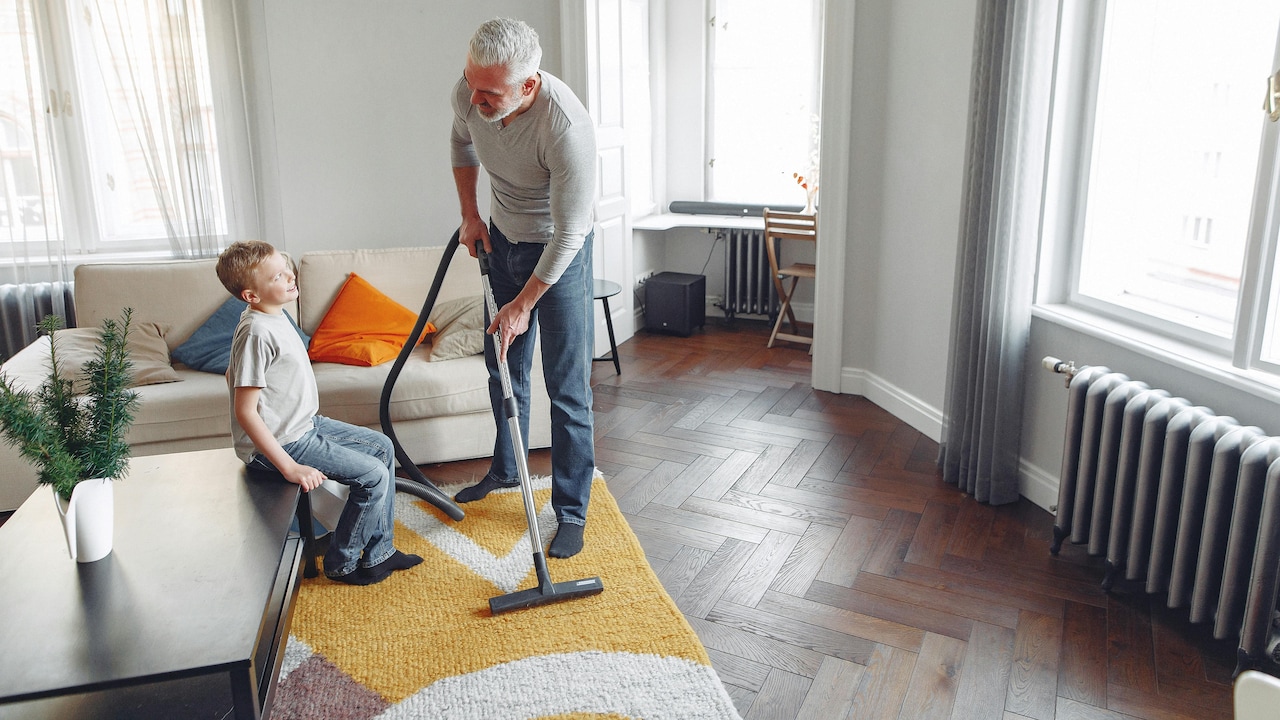
Some rooms work hard every single day. Living rooms host guests, family time, and daily chores. Hallways connect the home like busy streets. For these spaces, strength matters more than softness.
Choose carpets with dense, tightly twisted fibres. Nylon and polypropylene handles wear well and resist stains. Loop pile or low cut pile styles keep their shape under pressure. Patterns help disguise dirt and footprints, which proves useful in busy homes.
Colour choice also plays a role. Mid-tone shades hide dust better than very light or very dark options. A carpet priced around ₹150–₹300 per square foot often offers good durability without stretching budgets too far.
Comfort still counts, even in high-traffic areas. Quality underlay adds cushioning and extends carpet life. A strong carpet does not need to feel rough. It simply needs to stand up to daily life without complaint.
3. Low-Traffic Spaces: Comfort Takes the Lead
Bedrooms and private spaces invite rest and relaxation. Foot traffic stays minimal, often limited to bare feet or soft slippers. These rooms welcome comfort as the main priority.
Plush carpets with higher pile heights feel warm and indulgent. Saxony and textured cut pile styles suit these areas well. Wool blends also work beautifully, offering softness and natural insulation.
Lighter colours brighten bedrooms and create a calm atmosphere. Creams, soft greys, and pastels feel soothing under morning light. Maintenance stays manageable due to limited use.
Spending a little more here makes sense. A plush carpet costing ₹300–₹500 per square foot adds daily comfort and long-term satisfaction. These spaces reward choices that focus on touch and warmth. A bedroom carpet should greet tired feet kindly, not prepare them for battle.
4. Choosing the Right Carpet Fibre
Fibre choice shapes how a carpet looks, feels, and ages. Each option brings strengths and trade-offs.
Nylon leads in durability. It resists crushing and bounces back after heavy use. This fibre suits busy homes and offices. Polyester offers softness and vibrant colours, but works best in moderate traffic areas. Polypropylene resists moisture and stains, making it a smart choice near doors or balconies.
Natural fibres like wool bring luxury and breathability. Wool regulates temperature and feels comfortable year-round. It suits low to medium traffic spaces and demands a higher budget, often starting around ₹600 per square foot.
Blends combine benefits and reduce costs. Selecting the right fibre aligns performance with expectations. A good fibre choice saves money and frustration over time.
5. Pile Height and Density: The Unsung Heroes
Pile height and density quietly determine how a carpet handles foot traffic. Tall piles feel soft but compress faster under weight. Shorter piles resist wear and clean easily.
Density matters more than height. A dense carpet packs fibres closely together, which helps them support each other. Press a thumb into a sample. If the backing shows easily, density stays low.
High-density carpets suit busy areas and keep their shape longer. Medium density works well in family rooms with balanced use. Low density fits quiet spaces where comfort leads.
Retailers often focus on colour and style. Ask about density and pile weight instead. These details reveal how a carpet performs over time. A well-chosen pile saves replacement costs and keeps rooms looking fresh.
6. Colour and Pattern: Practical Style Choices
Colour sets the mood but also affects maintenance. Light shades brighten rooms but show stains quickly. Dark tones hide marks but reveal dust and lint.
Mid-tone colours strike a balance. Greys, beiges, and earthy shades suit most spaces. Patterns help disguise wear in high-traffic areas. Flecks, stripes, or subtle textures mask footprints and spills.
Bold patterns add personality but require careful placement. Use them in rooms where furniture stays put. Neutral patterns work better in flexible spaces.
Cultural preferences often lean towards warm, welcoming tones. These shades pair well with wooden furniture and colourful decor. A thoughtful colour choice blends beauty with practicality and reduces daily stress.
7. Underlay: The Silent Support System
Underlay often gets overlooked, yet it plays a crucial role. It cushions footsteps, improves insulation, and extends carpet life.
A quality underlay absorbs impact, reducing stress on carpet fibres. It makes even a firm carpet feel more comfortable. In high-traffic areas, firm underlay supports durability. In bedrooms, softer underlay enhances comfort.
Skipping the underlay or choosing a cheap option shortens carpet lifespan. An investment of ₹40–₹80 per square foot in underlay often pays off through reduced wear and better comfort.
Think of underlay as the mattress beneath a bedsheet. It may stay hidden, but it shapes the experience every day.
8. Maintenance and Cleaning Realities
Every carpet needs care, but some demand more effort than others. High-traffic carpets benefit from regular vacuuming to lift fibres and remove grit. Stain-resistant treatments help manage spills.
Low-pile carpets clean easily and dry faster. High pile carpets trap dust and need deeper cleaning occasionally. Consider household habits before choosing.
Homes with children or pets benefit from stain-resistant fibres and darker tones. Quick-clean options reduce stress after inevitable accidents.
Professional cleaning once or twice a year keeps carpets fresh. Budget around ₹2,000–₹4,000 per session for standard rooms. Choosing a carpet that matches cleaning habits saves time and energy.
9. Climate and Location Considerations
Climate affects carpet performance more than many realise. Humid regions demand moisture-resistant fibres. Polypropylene handles damp conditions better than wool.
Homes in dusty areas benefit from low-pile carpets that clean easily. Cooler regions welcome thicker carpets for warmth. Balconies and sunrooms need UV-resistant options to prevent fading.
Room location also matters. Carpets near kitchens face higher spill risks. Dining areas benefit from stain-resistant materials and patterns that hide marks.
Matching carpet features with the environment prevents early wear. A little planning avoids disappointment and extends carpet life.
Choosing The Right Carpet Based On Foot Traffic: A Room-by-Room Guide
Photo Credit: Pexels
10. Balancing Budget with Longevity
Carpets range widely in price. Cheap options attract attention but often wear out quickly. Expensive choices promise luxury but may exceed practical needs.
Focus on value, not just cost. A durable carpet priced at ₹250 per square foot may outlast a softer ₹400 option in busy areas. Spending more in low-traffic rooms enhances comfort without overspending elsewhere.
Break the home into zones and allocate the budget accordingly. This approach balances comfort, durability, and style. A thoughtful plan stretches budgets and delivers satisfaction across all spaces.
Products Related To This Article
1. ishro home 3 x 5 Feet 3D Jet Multi Printed Carpet Rug Runner and Carpets for Bedroom
2. BSB HOME Designer Superfine Chenille Carpet
3. Modern Polyester Anti Slip Shaggy Fluffy Fur Rug and Carpet for Living Room
4. Super Soft Shaggy Rugs Fluffy Carpets
5. Carpet for Hall Modern Grey, Brown & Beige Area Rug Microfiber Soft Plush Fluffy Shaggy Carpet & Rugs for Living Room
6. Soft Modern Shag Area Rectangular Rugs Fluffy for Bedroom
7. Handmade PremiumANAYA Collection Woollen Rug Loop Pile Floral Hand Tufted Carpet for Living Room Bedroom Drawing Room Hall and Floor
Choosing the right carpet begins with understanding how spaces live and breathe. Foot traffic shapes every decision, from fibre and pile to colour and cost. Busy rooms demand resilience. Quiet corners welcome softness. A well-chosen carpet supports daily life without fuss or frequent replacement.
Carpets do not merely cover floors. They absorb memories, footsteps, and moments of rest. Matching them thoughtfully to foot traffic ensures they age gracefully, just like the homes they belong to. With a little attention and smart choices, every step can feel just right.
(Disclaimer: This article may include references to or features of products and services made available through affiliate marketing campaigns. NDTV Convergence Limited (“NDTV”) strives to maintain editorial independence while participating in such campaigns. NDTV does not assume responsibility for the performance or claims of any featured products or services.)








![Steam Iron Teflon Shoe Cover for ES-300,ST-96 [Only For ES-300 and ST-96 Model Electric Steam Irons]](https://m.media-amazon.com/images/I/51wwkttondL._SL160_.jpg)