How To Keep A Baby's Skin From Drying Out In Winter
Winter air pulls moisture out of a baby's skin faster than it does an adult's. These eight picks stop that dryness before it turns into a rash.
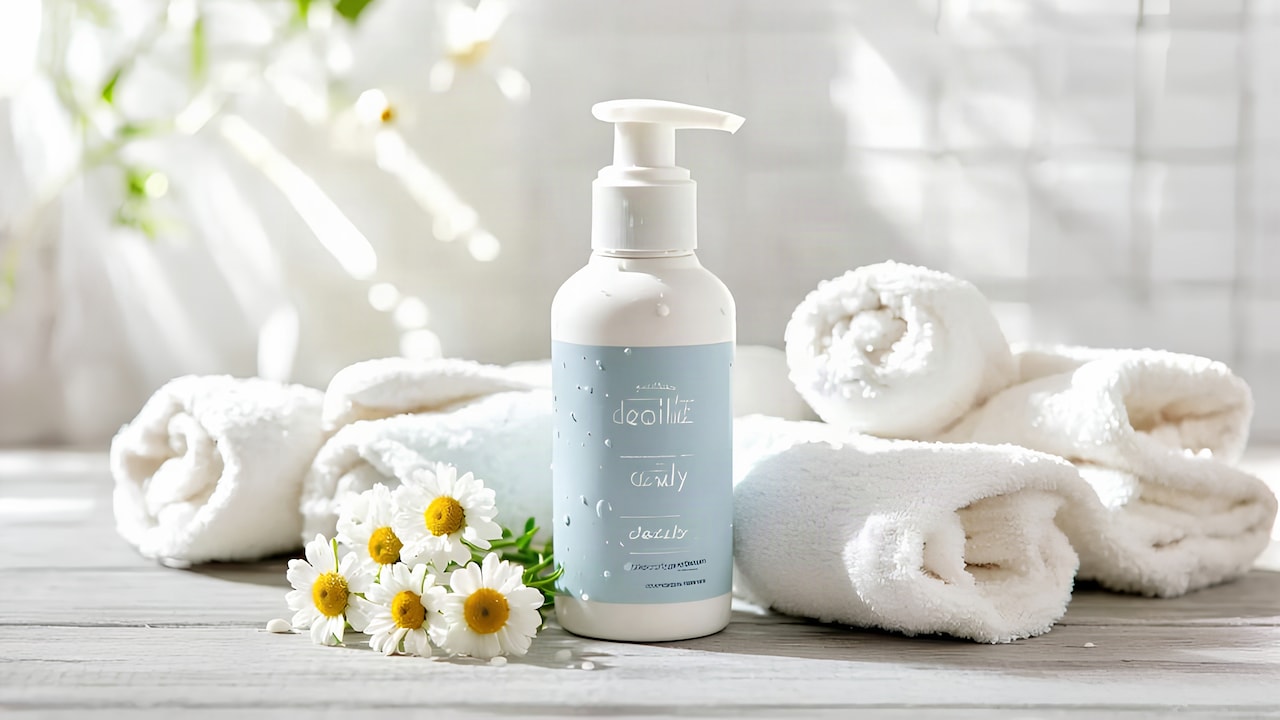
How To Keep A Baby's Skin From Drying Out In Winter
Your baby's cheeks feel rough today. Maybe a little red too. Winter does its job fast. A baby's skin is thin. It loses water quicker than yours does. The first crack appears early. Usually on the cheeks. Or behind the knees, where a blanket rubs all day. You grab whatever lotion is in the cabinet. It probably isn't built for a newborn at all. Heating indoors and cold air outside both pull moisture out. At the same time. Amazon sells what actually works here. You just need to know what to pick. Three things fix this. A barrier cream that locks moisture in. A gentle cleanser that won't strip it back out. And the room needs the right humidity. Skip even one of these and the dryness comes right back. Fast, too. This guide breaks down exactly what belongs in a winter baby skincare kit.
Why Does a Baby's Skin Dry Out Faster In Winter?; Photo Credit: iStock
Why Does a Baby's Skin Dry Out Faster In Winter?
A newborn's skin is up to thirty percent thinner than an adult's. It hasn't built its own oil barrier yet. That barrier normally locks moisture in. Without it, water just leaves, hour after hour. Cold air holds less moisture outdoors. Heaters strip out whatever's left indoors. A baby spends winter stuck between the two. Rarely anywhere else. Not much relief either way, honestly.
Wool rubs. Blankets rub. Synthetic fabric rubs too. All day, every day. Put it together, and the skin barrier breaks down fast. Faster than any other season. Parents notice it within a week or two, usually around the cheeks first.
Also Read: Top 5 Baby Skincare Products Every New Parent Must Keep Handy During Summers
Does A Baby Really Need A Separate Winter Routine?
Yes, a summer lotion is not a winter barrier cream. Not even close. Summer formulas are light. They absorb fast. That's fine when the air still holds moisture. Winter needs something thicker. Something that blocks water loss completely. One thing stays the same, though. Daily cleaning still matters. Just use something gentle enough to not undo the moisture work minutes later.
Building The Daily Skin Routine
One product alone won't fix this. Routine does the real work. Three steps, same order, every single day.
1. Wash With Something Actually Mild
Regular soap strips oils fast. Faster than a baby's skin can replace them. That's the biggest mistake in most winter routines. Switch to a pH-balanced cleanser instead. Or a soap-free bar. Same clean result. Without wrecking the skin barrier underneath.
2. Moisturise Within Minutes Of A Bath
There's a short window here. Right after bath time. Skin's still a little damp. Lotion absorbs best right then. Three minutes, roughly. That's your window. Before the surface water dries up and stops helping the cream lock in underneath.
3. Add A Thicker Layer On Exposed Skin
Cold wind hits the cheeks hardest. The hands too. And the backs of the knees. Anywhere skin sits uncovered. Petroleum jelly works well here. So does a dedicated barrier cream. Just on those spots. Plain lotion alone can't do this job.
4. Treat Chapped Lips Separately
Baby lips have no oil glands. Unlike the rest of the face. That's precisely why they crack first and crack fast. Reapply a fragrance-free lip balm. Two or three times daily is plenty. This is usually enough to stop the cracking before it turns into actual bleeding.
Fixing The Room, Not Just The Skin
The room matters just as much as any cream you apply. Maybe more, honestly. People forget this part completely. A heated room loses humidity fast. Within an hour, usually. That moisture loss keeps working on the skin all night long. Quietly. While nobody notices. It's the one step most parents skip, and it's often the one that matters the most.
1. Run A Humidifier Through The Night
Heaters pull moisture out all day. A cool-mist humidifier puts most of it right back in. Overnight, while the baby sleeps. Aim for thirty to fifty percent humidity. If you drop below that range, the skin will keep losing water. No matter how much cream you put on top, it won't help.
2. Treat The Diaper Area On Its Own Schedule
Diaper skin stays damp for hours. Covered too. That's an entirely different problem than dry cheeks facing cold air outside. So treat it separately. Rash cream goes on at every single change. Apply it well before any redness shows up, not after.
3. Keep Baths Short And Lukewarm
A long hot bath feels nice. Really nice, actually. But it strips away the oils that winter skin is already short of. Five to seven minutes is all it takes. Lukewarm water, never hot. Gets the job done without undoing it ten minutes later.
9. Pick Fabrics That Don't Fight The Skin
Wool rubs against baby skin. So does synthetic fabric, while cotton doesn't. That difference is clear as soon as winter arrives. Keep cotton against your skin at all times. Save wool for the outer layer only. Irritation has far less chance to start this way.
So, What Should Actually Be In The Kit?
A lotion, a massage oil, a humidifier, a mild cleansing bar, a jelly, a rash cream, a lip balm, and finally a body wash. Eight products total. Each one solves its own piece of this puzzle. Skip even one, and that exact problem comes right back within days. None of them are optional, really, not once winter actually sets in.
Set the whole routine up once. Set it all up right at the start of the season. Keep everything together near the changing table. By week two, it barely needs any thought at all. That's why you build it early, rather than scrambling once the cracking's already started.
Some Products You May Like; Photo Credit: iStock
Some Products You May Like
1. Mamaearth Moisturising Daily Lotion For Babies 200 ml
2. Sebamed Baby Massage Oil With Soya Oil 150 ml
3. AGARO VERGE 2.5 Ltr Humidifier
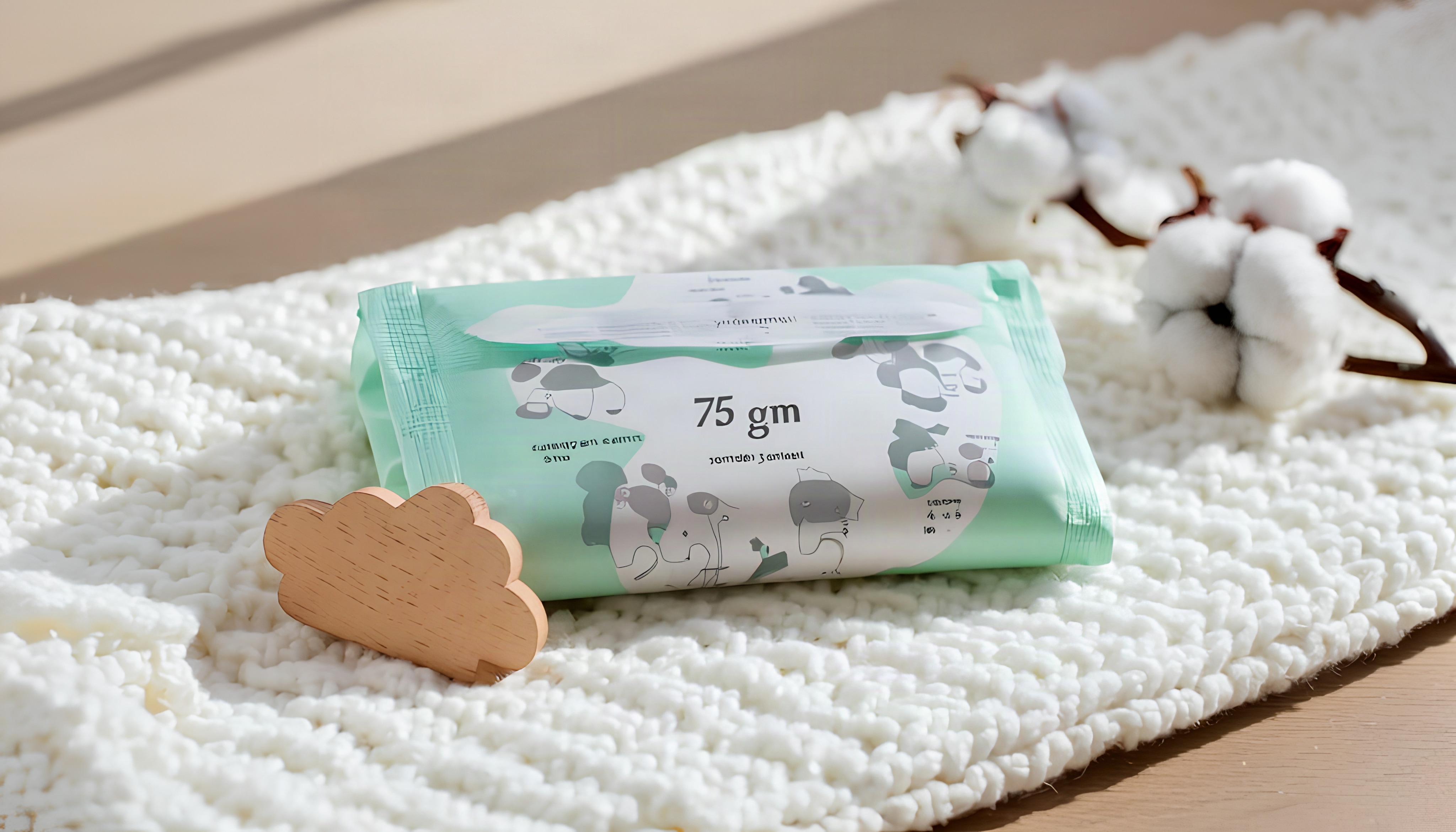
4. Cetaphil Baby Mild Cleansing Bar for Newborns & Babies 75 gm
5. Johnson's Baby Fragrance Free Jelly 100 ml (Pack of 2)
6. Himalaya Baby Diaper Rash Cream
7. Mother Sparsh Milky Soft Baby Lip Balm
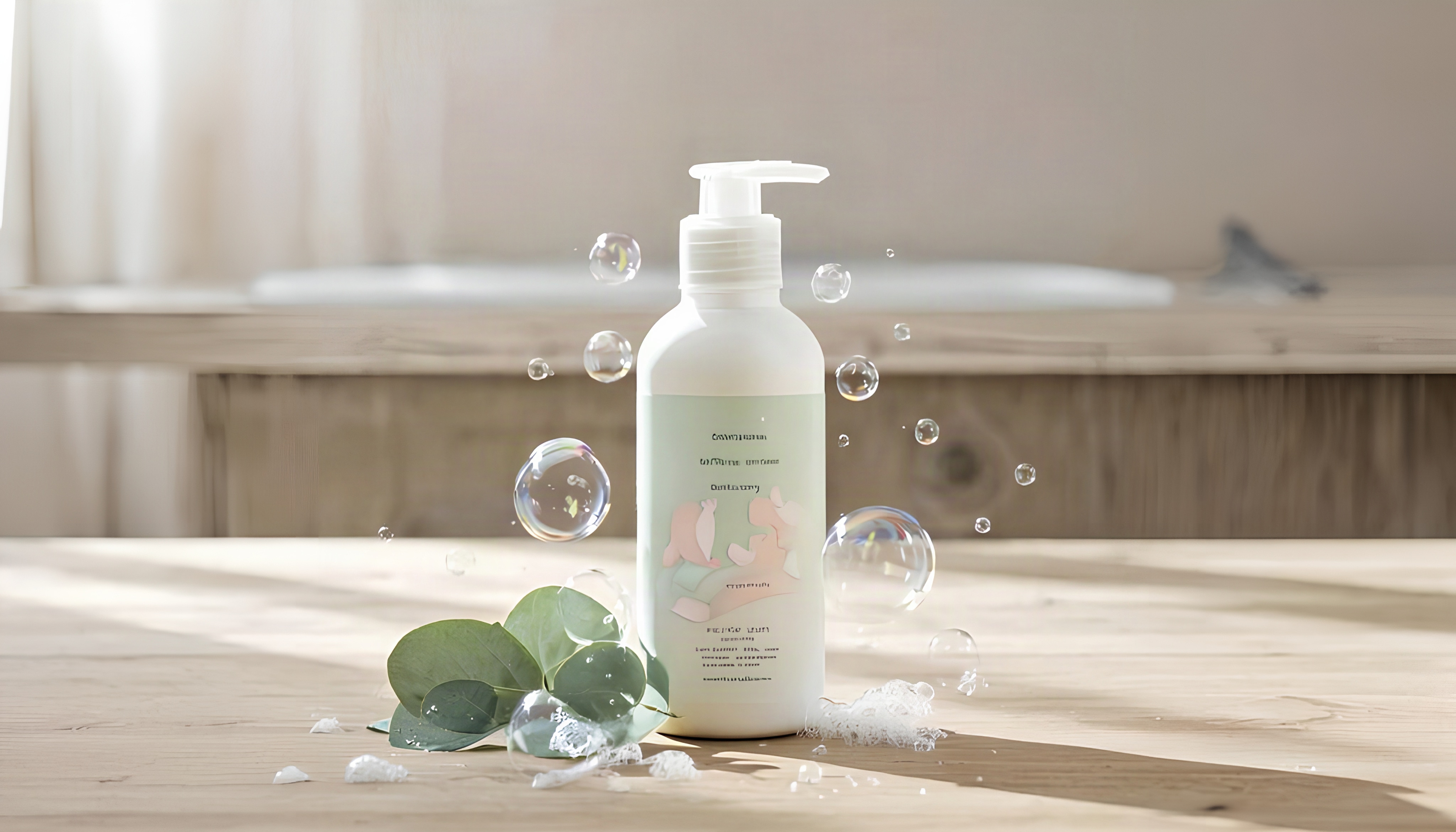
8. Aveeno Baby Daily Moisture Wash And Shampoo 354ml
Baby skin needs extra care in winter as cold air strips natural moisture. Keep baths short and lukewarm, apply a gentle, fragrance-free moisturizer right after, and dress in soft cotton layers. Staying hydrated and using a humidifier helps too. With consistent care, your baby's skin stays soft and supple. Shop now on Amazon
Frequently Asked Questions (FAQs)
1. Is petroleum jelly actually safe on a baby's face?
Yes, plain and fragrance-free versions are. Avoid the mouth area directly, and it's one of the safest barrier options there is for winter skin.
2. Can the same lotion work for day and night?
It can, but a thicker layer at night holds up better over eight hours. A lighter version through the day won't feel heavy under clothing.
3. How dry does a room actually need to get before it's a problem?
Below thirty percent humidity starts showing on skin within a day or two. Most heated bedrooms in winter sit well under that without anyone noticing.
4. Why does my baby's rash keep returning after it clears up?
Usually the routine stops the moment skin looks better. Keep applying barrier cream daily, not just when redness is visible again.
5. Is a humidifier really necessary, or is lotion enough?
Lotion alone can't fix air that's lost all its moisture. A humidifier treats the actual cause; lotion only treats the result on the skin.
(Disclaimer: This article may include references to or features of products and services made available through affiliate marketing campaigns. NDTV Convergence Limited (“NDTV”) strives to maintain editorial independence while participating in such campaigns. NDTV does not assume responsibility for the performance or claims of any featured products or services.)