How To Shoot Diya And Rangoli Photos On Your Phone
Blurry diyas, washed-out rangoli colours, and a retake every single time this Diwali? A handful of cheap Amazon buys can fix that before the candles are even lit.
How To Shoot Diya And Rangoli Photos On Your Phone
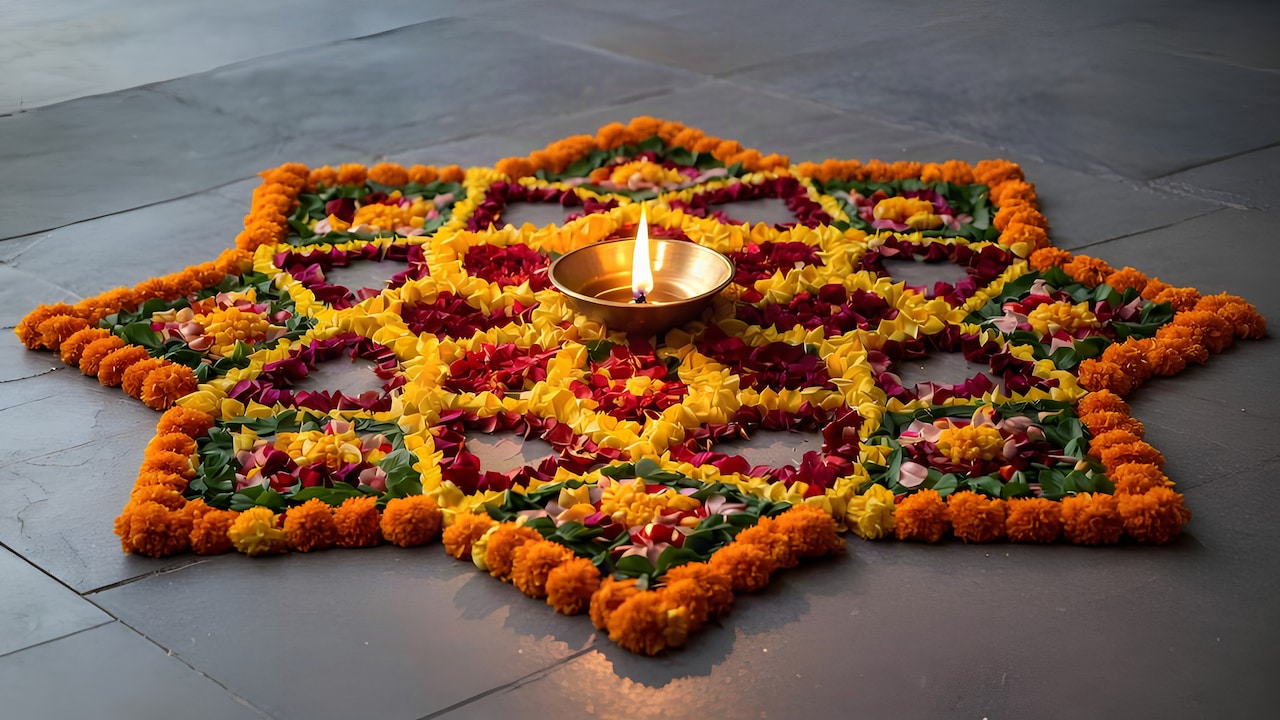
You've lit the last diya, the rangoli's finally finished, and every single photo you take comes out either shaky, too dark, or with the colours washed out under that warm bulb light. By the time you've retaken it five times, someone's already walked through the pattern or the flame's gone out. Phone cameras are more than capable of far better shots than this; the problem almost never is your phone itself; it's what's holding it steady and lighting the scene while you shoot. A little setup from Amazon fixes most of it before you even open the camera app. None of this needs a proper DSLR camera or hours of editing afterward either. It's mostly about keeping the phone still, adding a bit of warm fill light where the room's too dim, and getting close enough to the diyas without losing focus. So here's exactly what goes into that setup, piece by piece, and the actual Amazon products worth buying for it this festival season.
What A Real Diya And Rangoli Photo Setup Actually Needs? Photo Credit: AI-generated image
What A Real Diya And Rangoli Photo Setup Actually Needs?
Good festival photography on a phone relies on two things working together: something steady to hold the camera in place and light that flatters warm tones instead of turning them into orange mush.
Handheld in daylight? Fine. The moment the sun's down, and it's just diyas and fairy lights doing the work, holding the phone and hoping stops being enough.
Two things fix that: a fixed point for the phone to shoot from and a light you actually control instead of whatever the room's throwing at you that evening.
Also Read: Best Diwali Lighting Ideas For Home Decoration: 10 Creative Ways To Illuminate Your Space
Does Your Phone Camera Actually Matter More Than The Setup?
Not really; a phone camera doesn't really matter until it's more than 5 years old. Megapixels aren't the issue. Motion blur from a shaky handheld shot in low light is almost always what actually ruins the photo. A steady phone in dim light will always beat a shaky one on the newest flagship.
Where the phone does matter is night mode and manual exposure control, since a phone without either of those will always slightly struggle with a candle-lit room, even mounted on a tripod.
Getting Your Lighting And Angle Kit Together
Lighting and angle solve most of the actual problem, and both are temporary fixes rather than anything technical.
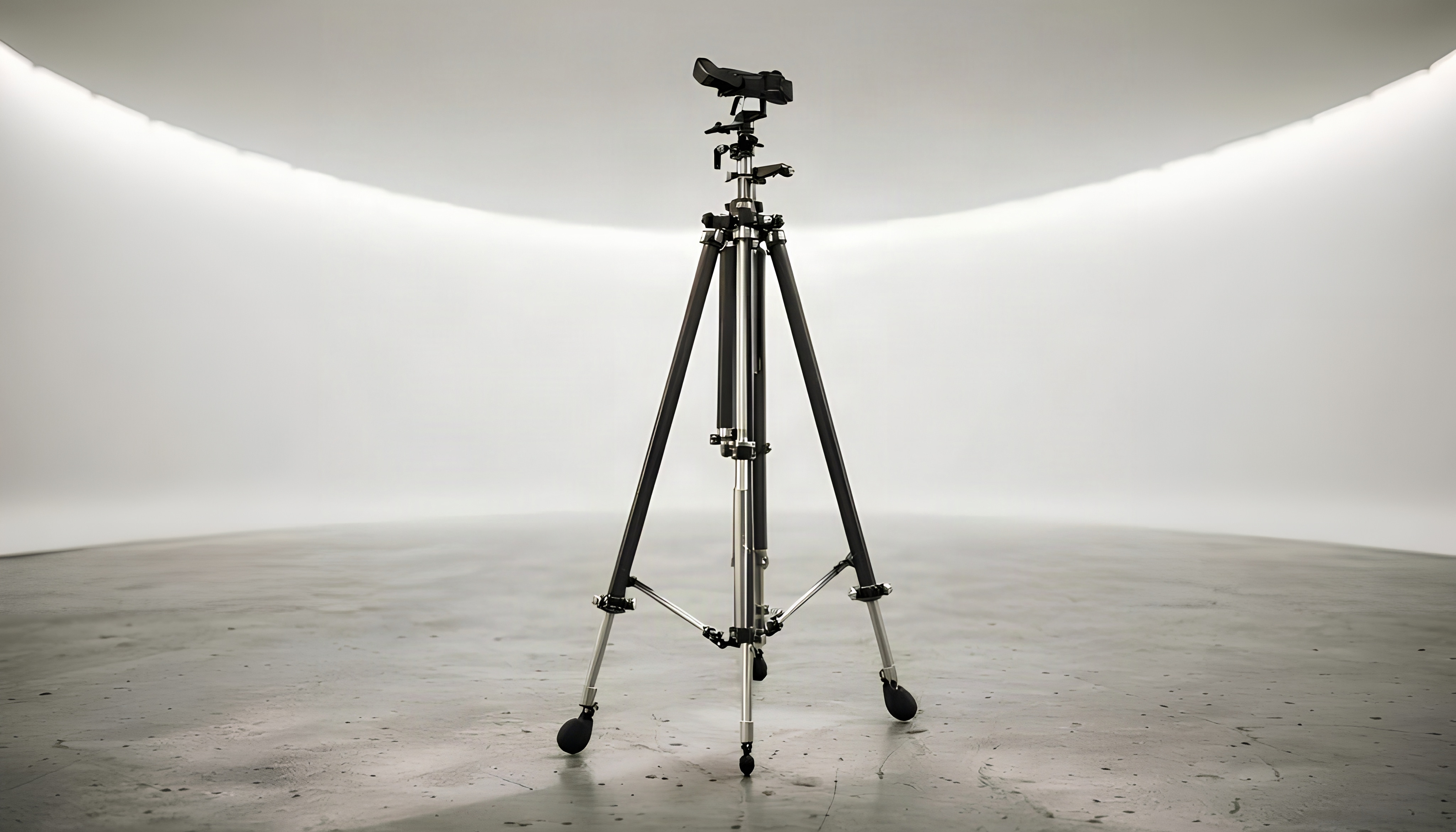
1. Get A Tripod That Actually Holds Steady
A shaky handheld shot in low light is the single biggest reason festival photos look worse than the moment actually felt. A tripod removes that variable completely.
Skip anything with a taped-on holder. Get one with a proper phone clip instead, because the cheap ones loosen inside a week and drop your phone at the worst possible second.
2. Clip On A Ring Light For A Warmer Glow
It looks lovely standing there in the diya light. On camera, that same room turns orange and grainy almost every time. A small clip-on ring light is the fix for that. Even fill light keeps skin tones and rangoli colours true to how they actually look in person, not washed out or overly warm.
3. Add A Macro Lens For Close-Up Diyas
Phone cameras struggle to focus tightly on a single diya flame without a dedicated macro attachment, usually hunting for focus for several seconds. That's what a clip-on wide-and-macro combo solves. A standard phone lens just can't resolve proper close-up detail on flames and rangoli patterns on its own.
4. Keep A Pocket Light For After-Dark Shots
Once it's properly dark outside, even a lit courtyard needs more fill light than diyas alone can provide for a phone camera to read clearly. A small rechargeable pocket light clipped to your bag means you're never stuck shooting with nothing but ambient light once the sun's fully down.
Getting Sharp, Steady Shots Every Time
Steadiness matters even more than lighting once it's actually dark outside, since any small shake shows up immediately as a blur. Composition's the other half of it. Rangoli photographs are especially better when shot straight down from above than from anywhere at eye level.
1. Stabilise Handheld Shots With A Gimbal
For moving shots, like walking guests through a decorated hallway, a gimbal keeps footage smooth in a way no amount of careful hand-holding can match. It's the one item here worth the higher price if you're filming video alongside stills, since handheld video without one looks shaky even from a steady walker.
2. Fire The Shutter Without Touching Your Phone
Every time you tap the screen to shoot, the phone shakes slightly. In low light, with a slower shutter speed, that tiny shake shows up as blur. A Bluetooth remote shutter solves it outright. Trigger the shot from a few feet back, and your phone never gets touched at all.
3. Shoot Rangoli Flat With An Overhead Stand
Shoot a rangoli at an angle, and it loses most of its symmetry and colour balance almost instantly. An overhead stand solves that by holding the phone straight above the pattern. That's the only angle that actually captures the design the way it was drawn.
4. Bounce Light Back With A Reflector
One strong light source, a single diya or a lamp, throws shadows exactly where you don't want them. Usually right across half the rangoli. A collapsable reflector fixes it without buying a second light. It just bounces that same light back into the shadowed half and evens out the whole shot.
So, What Should Actually Be In Your Kit?
Eight pieces, and every one of them solves a specific problem rather than being a nice-to-have: tripod, ring light, macro lens, pocket light, gimbal, remote shutter, overhead stand, and reflector. Skip anyone, and you're back to fighting the same issue that started your journey in the first place.
Build it once before the festival season, and every diya or rangoli photo after that stops being a frustrating retake loop and starts looking the way the moment actually felt standing there.
Some Products You May Like; Photo Credit: iStock
Some Products You May Like
1. Tygot Lightweight & Portable 7 Feet
2. QIAYA Portable Clip Selfie Light
3. Generic Ostaly 0.45X Mobile Phone Lens Wide Angle Macro Clip-On Camera Lens
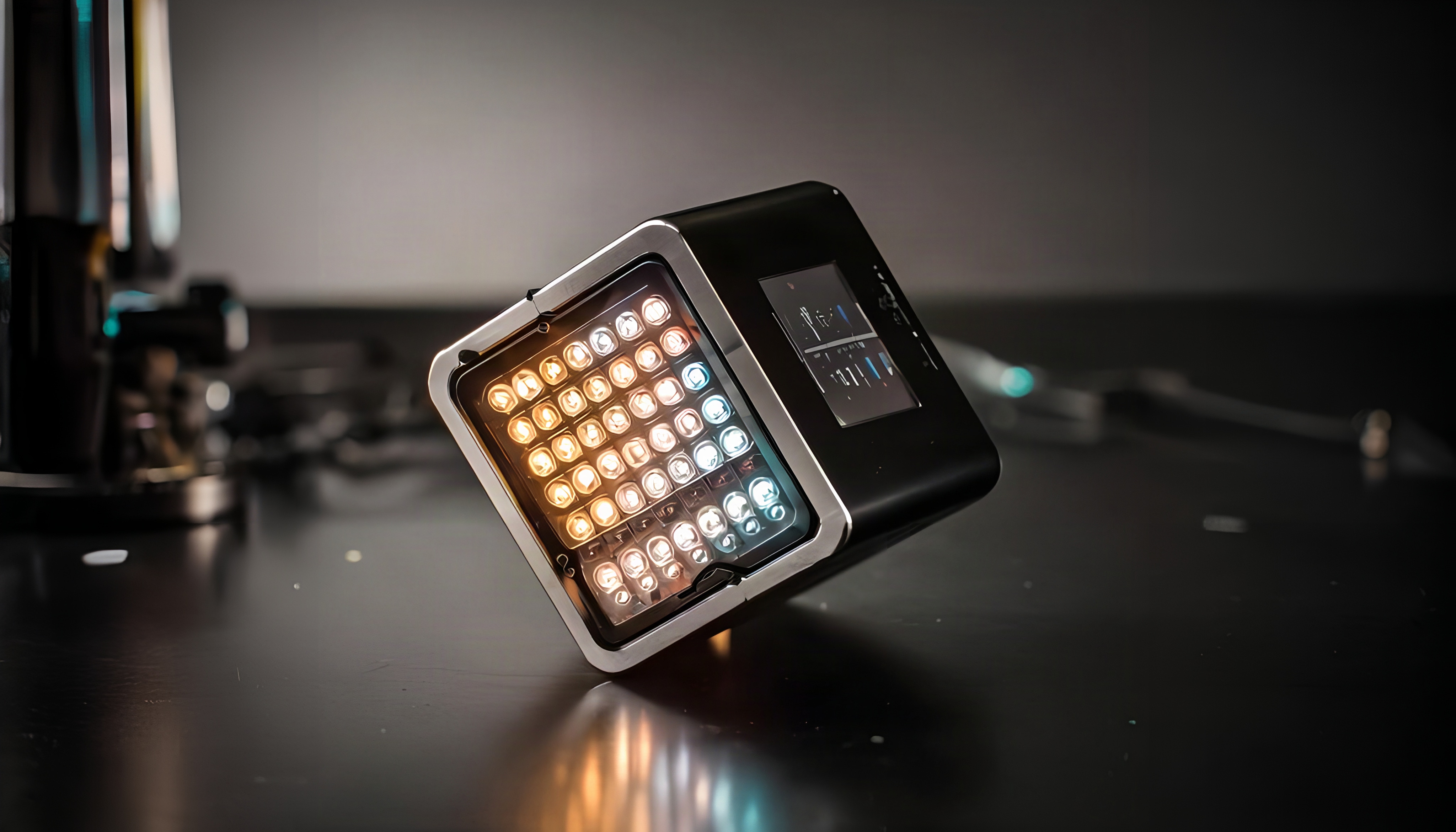
4. COVACURE LED Pocket Video Mobile Light
5. Digitek DSG-007F AI 3-Axis Smartphone Gimbal
6. Zttopo Bluetooth Camera Remote Shutter for Smartphones (2 Pack)
7. TechMaven Overhead Mobile Stand for Desk
8. Digitek DRB-5-1 45-Inch 5-in-1 Camera Reflector
Capturing diya and rangoli magic on your phone is all about light and angle. Use low angles, keep focus on the flame, and turn off the flash for a natural glow. Clean your lens, steady your hand, and shoot during blue hour. With these simple tricks, your Diwali memories will shine brighter. Shop now on Amazon.
Frequently Asked Questions (FAQs)
1. Do I really need all eight items for decent photos?
Not necessarily. A tripod and ring light alone fix most of the blur and colour problems. The rest are upgrades once those two are sorted.
2. Will a gimbal actually help with still photos?
Not much; it's built for video and walking shots. For still rangoli or diya photos, the tripod and overhead stand matter far more.
3. Will the macro lens actually fit my phone?
Most clip-on lenses fit any phone with a single or dual rear camera, case and all. Just check the clip width before you order.
4. Why do my indoor rangoli shots constantly appear boring?
Light comes from a single direction nine times out of ten. That flat appearance vanishes almost immediately with the addition of a reflector or another little light.
5. Can I skip the tripod, as my hands are steady?
No, not under dim lighting. At a slower shutter speed, even the most steady hands tremble just enough to obscure a fine rangoli detail or a diya flame.
(Disclaimer: This article may include references to or features of products and services made available through affiliate marketing campaigns. NDTV Convergence Limited (“NDTV”) strives to maintain editorial independence while participating in such campaigns. NDTV does not assume responsibility for the performance or claims of any featured products or services.)