How To Stop Bedsheets From Moving At Night: 10 Fixes For Mattress Depth, Fabric And Elastic
Stop bedsheets from slipping, bunching or popping off at night with 10 practical fixes covering mattress depth, fabric choice, elastic, sheet straps and smarter tucking techniques.

Bedsheets Keep Slipping Off? 10 Ways To Keep Them In Place All Night
There are few bedtime annoyances quite as petty yet persistent as a bedsheet that refuses to stay where it belongs. You tuck it neatly around the mattress, smooth every crease and admire the hotel-like finish. Then morning arrives and one corner has escaped, the middle has gathered into a crumpled ridge, and half the sheet appears to have migrated towards the floor. This problem becomes especially common with thicker mattresses, toppers and smooth fabrics. Even a good-quality fitted sheet can misbehave when its pocket depth does not match the mattress or when the elastic has lost its grip. Warm nights, frequent turning and slippery mattress protectors can make matters worse. Fortunately, fixing the problem rarely requires replacing the entire bedding set. A few measurements, smarter fabric choices and some inexpensive adjustments can make a noticeable difference. Here is how to stop bedsheets from moving at night without turning bedtime into a daily furniture project.

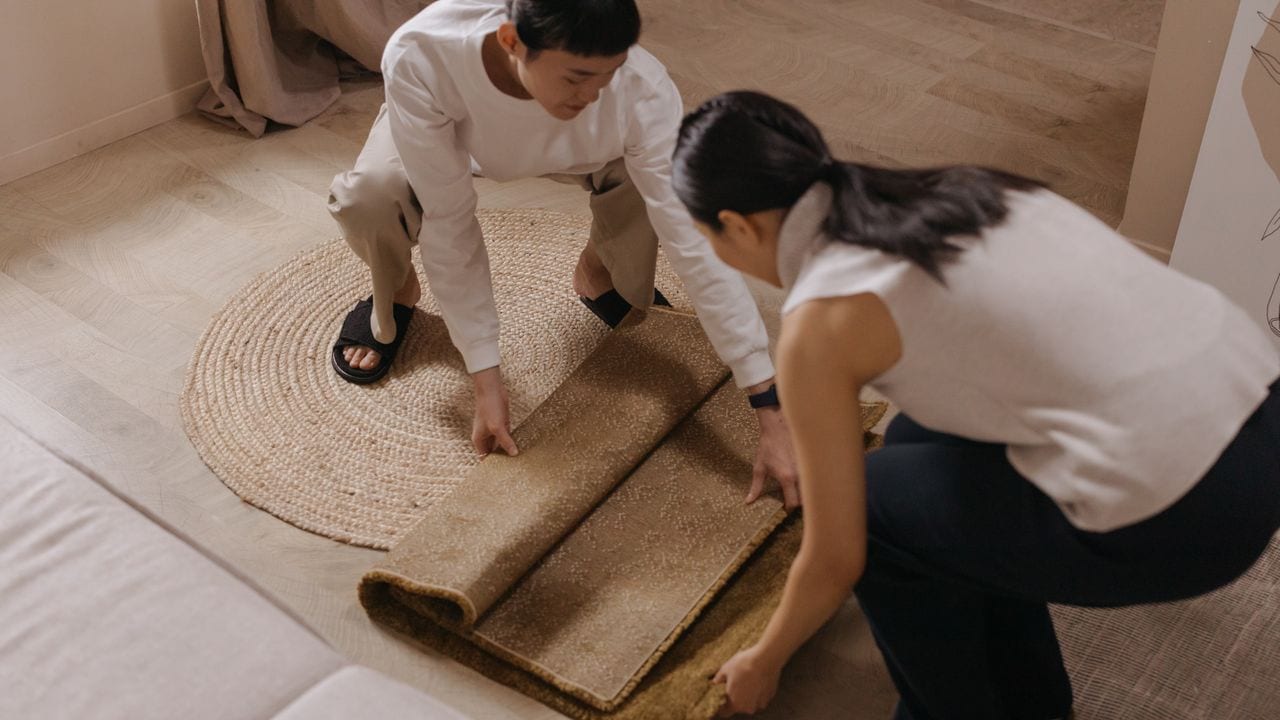
Bedsheets Keep Slipping Off? 10 Ways To Keep Them In Place All Night; Photo Credit: Pexels
Why Your Bedsheet Keeps Slipping Off The Mattress
1. Measure Your Mattress Depth Before Buying Sheets
Sheet labels often focus on mattress length and width, but depth matters just as much. A fitted sheet may technically match a queen-size or king-size mattress and still pop off every night because its pockets are too shallow.
Measure from the bottom edge of the mattress to its highest point. Include any permanent mattress topper or padded protector that stays on the bed. A mattress that appears to be 20 cm deep can easily become 25 cm once extra cushioning enters the picture. That difference is enough to make standard elastic corners struggle.
Choose a fitted sheet with pockets slightly deeper than the full mattress depth. The extra fabric allows the corners to wrap underneath instead of stretching desperately across the edges.
Avoid going excessively deep, though. Oversized pockets can leave too much loose material beneath the mattress, creating wrinkles rather than preventing them. Think of it like buying footwear: too tight causes trouble, but too loose hardly solves the problem. Accurate measurements give the sheet a much better chance of staying obedient until sunrise.
Also Read: Sleep Better Every Night With Soft And Breathable Bedsheets Under ₹999
2. Choose A Fitted Sheet With Strong Elastic
Not all fitted-sheet elastic deserves equal trust. Some sheets come with thin elastic stitched only around the four corners, while better designs use wider elastic around the entire perimeter. That small construction detail can completely change how securely the sheet hugs the mattress.
Look for sheets with firm, continuous elastic that returns to shape after being stretched. Gently pull the edge before buying when shopping in person. It should feel springy rather than limp. If the elastic already resembles the waistband of an ancient pair of pyjamas, it will probably not survive much nighttime movement.
Elastic naturally weakens after repeated washing, drying and stretching. Older fitted sheets may therefore start slipping even if they once fitted perfectly.
Replacing a tired sheet can sometimes solve the problem faster than adding clips, straps and clever folding tricks. Quality matters here more than decorative packaging. A plain sheet with sturdy elastic often performs better than a beautiful one with weak edging.
For households washing bedding frequently, stronger all-round elastic is especially useful because it withstands regular handling more effectively.
3. Match The Sheet Fabric To The Mattress Surface
Fabric friction plays a surprisingly large role in whether a bedsheet stays put. Smooth fabrics sliding against smooth mattress protectors create the bedding equivalent of two ice cubes meeting on a plate.
Satin-like sheets, silky blends and very finely finished synthetic fabrics may feel luxurious, but they can move more easily on slick mattress covers. If slipping happens constantly, consider cotton, cotton-rich percale or another fabric with a slightly more textured surface.
Cotton also tends to feel comfortable across changing seasons, which makes it practical for bedrooms that swing from humid nights to aggressive air-conditioning.
The mattress protector matters too. A glossy waterproof protector can encourage even well-fitted sheets to shift. A protector with a cotton-rich or lightly quilted outer surface usually creates more grip between the mattress and sheet.
There is no need to abandon soft bedding altogether. The goal is simply to create enough friction underneath the fitted sheet so that normal turning does not drag it sideways. Sometimes changing the layer nobody sees makes the biggest difference to the layer everyone complains about.

Bedsheets Keep Slipping Off? 10 Ways To Keep Them In Place All Night; Photo Credit: Pexels
4. Use Sheet Straps Under The Mattress
Sheet straps are among the simplest fixes for corners that repeatedly pop loose. These elastic fasteners clip onto the sheet underneath the mattress, creating extra tension and helping the fabric stay anchored.
Several designs are available. Some connect two neighbouring edges, while others form triangular arrangements around each corner. There are also criss-cross straps that run beneath the entire mattress. For most beds, corner straps offer a good balance between grip and ease of use.
Attach them while the sheet is fitted but before pushing the mattress fully back into place. The clips should hold firmly without stretching the fabric so aggressively that the seams strain.
Affordable sets are often available for a few hundred rupees, making them cheaper than replacing otherwise usable bedding. They are particularly handy for thick mattresses or sheets that fit reasonably well but lack strong elastic.
The only mildly annoying part is fitting them the first time. After that, the improvement can feel wonderfully disproportionate to the effort. Few household victories are more satisfying than waking up to four corners still behaving themselves.
5. Try The Hospital Corner Method For Flat Sheets
Flat sheets can stay surprisingly secure when tucked correctly. The secret is the hospital corner, a folding method often associated with neatly made hotel beds and hospital wards.
Start by leaving enough fabric at the foot and sides of the mattress. Tuck the bottom edge firmly underneath. Then lift the side fabric near one corner to form a diagonal fold, tuck the lower section beneath the mattress and bring the lifted portion down before tucking it tightly.
The result creates a clean, locked corner rather than a loose wad of fabric pushed underneath.
This method works particularly well on firm mattresses that offer enough space underneath for a secure tuck. It may require more effort with very heavy mattresses, but even two well-made corners at the foot of the bed can reduce movement noticeably.
Do not stretch the sheet until it feels drum-tight. A little flexibility helps the fabric absorb movement instead of pulling itself free.
It takes a couple of attempts to master, but once familiar, the technique becomes quicker and looks impressively neat.
6. Add A Grippy Layer Beneath The Sheet
When sheets slide despite fitting correctly, adding friction underneath can help. A textured mattress protector is often the easiest option because it serves two purposes: protecting the mattress and giving the fitted sheet something to grip.
Quilted protectors tend to work better for this than extremely smooth waterproof covers. Their lightly padded surface creates resistance, which reduces sideways movement during sleep.
Another possibility is a thin non-slip bedding mat designed for use between the mattress and sheet. Similar materials appear under rugs and sofa cushions, although any product used on a bed should be breathable, clean and suitable for prolonged household contact.
Avoid improvising with rough rubber materials or anything that could trap excessive heat and moisture. Bedrooms already have enough competition for the title of “warmest place after midnight”.
Before buying anything, inspect the current protector. If it has become stretched, shiny or loose, replacing it may be enough.
This solution works particularly well when the fitted sheet has good elastic yet still travels because both surfaces underneath are unusually smooth.

Bedsheets Keep Slipping Off? 10 Ways To Keep Them In Place All Night; Photo Credit: Pexels
7. Wash And Dry Sheets With Elastic In Mind
Laundry habits can quietly shorten the life of fitted-sheet elastic. Very hot water, harsh drying and prolonged exposure to high heat can weaken elastic fibres, leaving once-snug sheets loose around the corners.
Follow the care label and choose moderate washing temperatures whenever suitable. Avoid repeatedly exposing elasticated sheets to unnecessarily intense heat. Drying them naturally in a shaded, airy spot can be gentler than baking them under fierce afternoon sun for hours.
Fabric conditioner deserves attention too. Heavy use can sometimes leave certain fabrics feeling unusually slick, which may encourage movement on smooth mattresses. Using only the recommended amount helps maintain the intended texture.
When removing fitted sheets from the mattress, avoid yanking one corner until the elastic snaps free dramatically. Lift each corner individually. It sounds fussy, but repeated overstretching gradually damages the edging.
Good laundry habits will not rescue elastic that has already surrendered, but they can extend the life of new sheets. Bedding works hard every night. Treating it kindly during washing gives it a better chance of returning the favour.
8. Check Whether Your Mattress Topper Is Causing The Problem
A mattress topper can transform an overly firm bed into something far more inviting, but it can also create sheet chaos. Thick memory foam, latex or quilted toppers increase mattress depth and sometimes shift independently beneath the fitted sheet.
First, check whether the topper itself is moving. If it slides sideways overnight, the bedsheet may simply be following along. Secure the topper using its built-in straps, if available, or consider a non-slip layer designed for mattress toppers.
Next, measure the mattress and topper together. Sheets bought before adding the topper may now be too shallow, even if they still stretch over the corners with determination and a little persuasion.
A deeper fitted sheet usually solves this more elegantly than forcing the old one to cope.
Also check whether the topper has rounded edges. Some fitted sheets struggle to grip soft, curved corners because there is less structure underneath the elastic.
Treat the mattress and permanent topper as one unit when choosing bedding. That small mindset shift prevents a surprising number of nightly sheet escapes.
9. Tuck Excess Fabric More Strategically
Loose fabric creates momentum. When too much material sits on top of the mattress, every turn can pull another section out from underneath. Eventually the sheet starts bunching around the centre or loosening at the corners.
Before sleeping, smooth the sheet from the middle towards each edge. Remove wrinkles rather than simply pushing them towards one side. Then tuck any excess fabric evenly underneath the mattress instead of concentrating it in one corner.
For flat sheets, leave slightly more material at the foot of the bed than at the head. Feet and legs tend to create more pulling force during the night, so a deeper tuck there usually proves useful.
For fitted sheets, check that the seams align closely with the mattress corners. If one corner seam sits several centimetres away, the sheet may be twisted or positioned unevenly.
This takes less than a minute once it becomes routine. It also makes the bed look tidier, which offers the pleasant illusion that the rest of the room is equally organised, even when a chair nearby is carrying three days' worth of clothes.
10. Replace Sheets That No Longer Fit Properly
Sometimes the simplest explanation wins: the sheet has reached the end of its useful life. Fabric stretches, elastic weakens and repeated washing subtly changes dimensions. A fitted sheet that behaved beautifully two years ago may now spend every night attempting an escape.
Inspect the corners closely. Loose elastic, fraying seams, stretched fabric and permanently baggy pockets are signs that adjustment tricks may only delay the inevitable.
When replacing sheets, prioritise fit before thread count or elaborate packaging. Measure the mattress, check pocket depth and look for strong elastic around the perimeter. If the bed includes a topper, include that in the measurements too.
Spending ₹1,000 on a properly fitting sheet can make more sense than repeatedly buying cheaper options that require constant re-tucking. Price alone does not guarantee performance, of course, so construction matters.
Keep older flat sheets for guest beds, protective coverings or household uses if they remain in decent condition. Bedding does not need a dramatic farewell ceremony. It simply needs to stop pretending it can still handle a mattress it no longer fits.
Products Related To This Article
1. Wakefit Cotton Fitted Bedsheet
2. Story@Home King Size Bedsheet
3. Stoa Paris Double Bedsheet with 2 Pillow Covers
4. BSB HOME Premium Forever Modern Style Glace Cotton
5. Rivermoor 200 TC Ultrasoft Bedsheet for Double Bed
6. Haus & Kinder Bedsheet for Double Bed King Size
7. DECOMIZER Cotton Elastic Fitted Printed King Size Double Bed Bedsheet with 2 Pillow Covers Fits
A bedsheet for home that moves at night usually has a practical explanation rather than a mysterious dislike of staying tidy. Mattress depth, elastic strength, fabric texture, toppers and even washing habits can all influence how securely bedding stays in place.
Start with the basics: measure the mattress properly and check whether the fitted sheet actually suits its depth. From there, stronger elastic, a more textured mattress protector, better tucking techniques or inexpensive sheet straps can solve most stubborn cases.
The best fix is the one that removes bedtime maintenance rather than adding another chore. Nobody wants to perform advanced mattress engineering at 11.30 pm after a long day.
Once the sheet fits properly and has enough grip, the bed becomes what it should have been all along: comfortable, uncomplicated and still neatly covered when the alarm goes off.
(Disclaimer: This article may include references to or features of products and services made available through affiliate marketing campaigns. NDTV Convergence Limited (“NDTV”) strives to maintain editorial independence while participating in such campaigns. NDTV does not assume responsibility for the performance or claims of any featured products or services.)