Best Mattresses For Back Pain Relief: Features That Help and Features That Are Just Marketing
Best Mattresses for Back Pain Relief: A good mattress can transform every nights sleep, yet many wake up with a stiff back, wondering if the mattress, the posture, or just life is to blame. This guide will make mattress shopping a little less confusing.

Best Mattresses for Back Pain Relief: Real Features That Work vs Marketing Gimmicks.
Back pain has become a loyal companion for many, especially those juggling long commutes, heavy workloads, or endless hours at a screen. The mattress often gets blamed first, and for good reason. Sleep forms nearly a third of daily life, and the surface that rests deeply influences how the spine recovers overnight. Yet shopping for a mattress rarely feels simple. Between “NASA-approved foam”, “medically-tested coils”, and “cooling layers infused with fairy dust”, at least, that's how the ads feel, mattress marketing can sound more dramatic than a daily soap plot twist.
Let us break down what truly helps with back pain and what simply adds glamour to the mattress label. With a relatable, grounded approach, each feature is explained to help make an informed, comfortable choice. So, check out the best mattresses for back pain relief below as we separate the wheat from the chaff.
Back Pain While Sleeping? Mattress Features That Actually Help
Photo Credit: Pexels
What To Look for in a Mattress When Back Pain Won't Let You Sleep
1. Firmness Level: Finding the Comfort Sweet Spot
Many brands push the idea that “the firmer, the better”, but that oversimplifies the matter. A mattress that feels like a wooden board can strain pressure points, while something that sinks like a monsoon-soaked sofa offers no support.
The sweet spot usually lies in medium-firm territory, where the mattress supports the spine yet adapts to the body's natural curves. Picture lying down and feeling the lower back supported without the hips dipping in too deep. This balanced firmness reduces morning stiffness and encourages a healthier sleeping posture.
Think of firmness like seasoning in food, too little or too much spoils the experience. Tall, heavier sleepers may prefer slightly firmer surfaces, while those with a lean frame often find medium-firm more soothing. Instead of trusting firmness “labels”, trust the actual feel. Many stores now offer trial periods, which help decide whether the mattress aligns with the body's comfort needs.
Useful firmness supports muscles overnight. Overhyped “ultra-firm orthopaedic” claims, though, often play more on fear than science.
2. Spine Alignment: The True Hero of Back Pain Relief
Spine alignment matters far more than fancy mattress jargon. When the spine stays neutral, neither bent nor twisted, muscles loosen, discs decompress, and the back wakes up refreshed. A mattress that helps alignment reduces pain that usually creeps in by early morning.
A simple test helps judge alignment: lie on the side and check whether the spine resembles a straight line from neck to tailbone. If the hips sink too far or the shoulders feel propped up awkwardly, alignment suffers.
Mattresses that contour the body gently without swallowing it contribute to better alignment. This prevents pressure build-up around the lower back, which stays sensitive for many. People who shift positions often during sleep will feel the difference most.
When spine alignment works well, nights feel restful and mornings start with comfort. So while brands highlight countless features, alignment remains one of the most reliable indicators of a mattress worth the money.
3. Memory Foam: Helpful Cushioning or Just Hype?
Memory foam earns praise for good reasons. It moulds to the body, eases pressure points, and cradles heavier areas like hips and shoulders. When it's of good quality, memory foam creates a “soft hug” feeling that many find comforting after long, tiring days.
The real benefit lies in reducing toss-and-turn movements. With fewer pressure points poking the body awake, deep sleep comes more easily. For those battling lower back pain, the gentle contour of memory foam often feels soothing.
But not all memory foam works the same way. Cheaper versions sink too much, trap heat, or lose shape in a couple of years. A mattress with dense foam, not just thick foam, tends to last longer and feel more supportive.
Marketing often highlights “cool gel-infused memory foam”, “copper-infused foam”, or “aloe-vera foam”. While refreshing to read, most of these add-ons offer minor benefits at best. The core value lies in density and consistency, not fancy infusions. Memory foam helps when chosen wisely, not blindly.
4. Latex: Natural Comfort With Real Benefits
Latex mattresses bring a unique blend of support and bounce. They feel responsive, unlike memory foam's slow sink, and offer natural ventilation that suits warm climates. High-quality latex distributes weight evenly, reducing pressure on the hips and lower back.
Many enjoy how latex feels firm yet plush, much like the seating at a well-cushioned café. For back pain, this combination helps maintain alignment without the sensation of sinking too deep. It works well for those who prefer a sturdy surface with a touch of softness.
Natural latex, derived from tree sap, tends to last many years. The durability alone often justifies the investment. But here's where marketing slips in, many brands label synthetic blends as “pure latex” or push thin latex layers as premium.
Real latex support comes from a thick comfort layer, not a tiny sheet placed only for show. Despite the marketing noise, latex remains a genuinely helpful choice for back support when it's authentic and adequately layered.
5. Zonal Support: Useful Structure or Just a Fancy Term?
Zonal support refers to mattresses designed with different firmness levels across sections. Typically, softer zones appear near the shoulders and firmer ones near the hips. The goal is balanced alignment, especially for side sleepers.
When done right, zonal support enhances comfort. The shoulders sink in slightly while the hips stay lifted, ensuring the spine stays straight. This reduces strain on the lower back and helps prevent next-morning aches.
However, the concept often gets exaggerated. Some brands include “seven zones”, which sounds impressive but offers a negligible difference in real use. The body mainly needs support around two zones: the shoulders and the hips. Anything beyond that often feels like marketing fireworks.
The real test lies in how it feels. If the mattress distributes weight evenly and keeps posture comfortable, zonal support works. If it feels the same everywhere, the zones may just be decorative. Understanding this helps avoid overpaying for features that don't translate to meaningful relief.
Also Read: Sleep Well With These Single Bed Mattresses Under ₹5,000 On Flipkart
6. Motion Isolation: A Quiet Benefit for Shared Beds
Light sleepers know the pain of a partner who shifts, stretches, or dreams of running a marathon in the middle of the night. Mattresses with good motion isolation absorb these movements, allowing each sleeper to rest without disturbance.
Foam-based mattresses excel at this, especially high-density memory foam. By limiting vibrations, the mattress keeps the back from tensing up every time the surface moves. Uninterrupted sleep plays a major role in reducing chronic aches. When the body stays at rest, muscles heal better.
Many brands promote motion isolation as a luxury feature, but it serves more than comfort; it supports health. When sleep stays smooth, the back recovers faster. For households where kids often hop into bed early morning, this helps too.
Though helpful, motion isolation alone cannot fix back pain. It works best when paired with good alignment and adequate support. Consider it a bonus feature that enhances overall sleep quality rather than a magical cure.
7. Cooling Features: Relief or Marketing Gimmick?
Heat can make sleep uncomfortable, especially during scorching summers or humid nights when fans feel more decorative than functional. Cooling features sound promising: gel layers, airflow channels, cooling fabrics, but not all of them work well.
What truly cools a mattress is airflow. Latex allows natural ventilation. Pocket springs create gaps that encourage circulation. Breathable covers made of cotton or bamboo feel gentle and fresh. These simple elements provide cooling that lasts.
Gel-infused foam, despite its popularity, cools only for a short period. After absorbing body heat, it often behaves like regular foam. Many brands use “cooling gel” mainly as a selling point.
A mattress stays comfortable when it lets heat escape rather than trapping it. For those who sleep warm or rely on ceiling fans, breathable construction offers genuine comfort. Cooling gimmicks, however, usually fade faster than the excitement of buying a new mattress.
8. Edge Support: Stability Often Ignored
Edge support refers to how steady the mattress feels near the sides. Anyone who sits at the edge while tying shoes or rests near the border while sharing space knows how valuable strong edges can be.
Good edge support helps maintain posture even at the sides. When the edges sag, getting out of bed becomes harder, and the back strains more. Mattresses with reinforced borders, usually found in pocket spring models, feel stable and supportive.
Foam mattresses sometimes weaken at the edges, especially cheaper ones. Over time, sitting in the same spot leads to sinking, which reduces durability. For those who sit on the bed often, strong edges save both the mattress and the back.
Edge support rarely gets highlighted in ads, yet it plays a subtle role in long-term comfort. It adds usable space, prevents accidental slipping, and keeps the mattress shape intact for years. While not the flashiest feature, its steady presence does wonders.
9. Mattress Thickness: Does More Mean Better?
Thicker mattresses often look luxurious, but thickness alone doesn't guarantee comfort. The true performance lies in how the layers are arranged. A 10-inch mattress with well-designed foam and supportive springs feels far better than a 12-inch one filled with soft, low-density layers.
People often assume thickness equals support, influenced by plush hotel beds seen in resorts or ads. In reality, even hotels prioritise structure over mere height. For back pain, what matters most is the stability of the core and comfort of the top layer.
A height between 8 and 12 inches suits most people. Anything more tends to be aesthetic rather than functional. When mattresses go beyond this range, they usually add unnecessary foam that compresses quickly.
Instead of falling for thickness as a sign of luxury, look deeper into material quality. Think of it like food plating: presentation appeals to the eyes, but the true value lies in what goes inside.
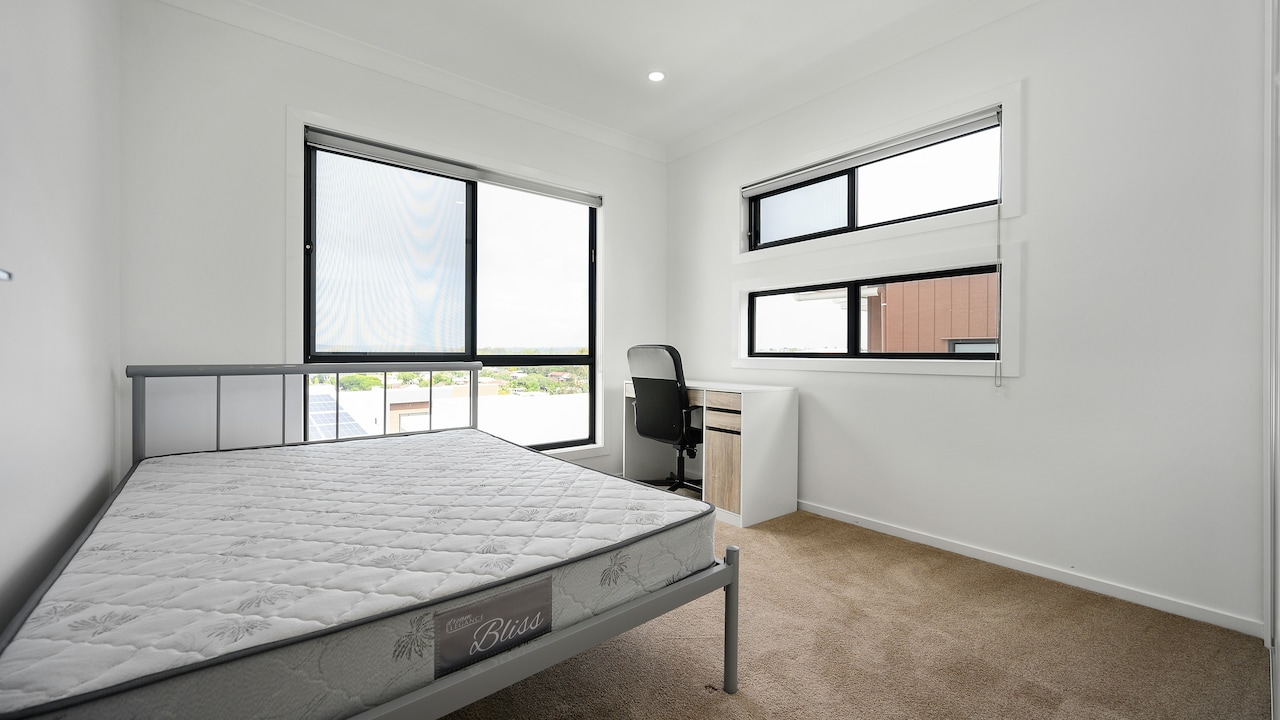
Back Pain While Sleeping? Mattress Features That Actually Help
Photo Credit: Unsplash
10. Orthopaedic Labels: Helpful Guide or Marketing Trap?
The word “orthopaedic” appears on so many mattresses that it almost feels like a default tag. True orthopaedic mattresses are designed with medical guidance, focusing on spinal health. But many manufacturers use the word loosely, banking on public trust.
A genuinely orthopaedic mattress supports posture, reduces pressure points, and maintains spine alignment. It doesn't need to feel rock-hard or uncomfortably stiff. Yet many brands push firm-as-concrete models under this label, assuming firmness equals medical benefit.
The best way to judge such mattresses is by comfort, not labels. If the mattress keeps the back stable, feels supportive, and reduces morning pain, it serves its purpose. Whether it carries a fancy tag or not becomes secondary.
Marketing often exaggerates features, but the body never lies. If a mattress eases discomfort and promotes restful sleep, it wins. Trust the experience more than the sticker slapped on it.
Products Related To This Article
1. Wakefit Mattress | 10 Years Warranty
2. Kurlon Spinel Ortho Mattress
3. Wakefit ShapeSense Orthopedic Classic Memory Foam Mattress
4. Centuary Mattresses Sleepables 8-Inch Single Size Orthopedic Memory Foam
5. Nilkamal Sleep ECOAIR 100% Natural Latex 8 Inch Single Size Mattress
A good mattress can feel like a quiet blessing. It supports the weary back after long days, cushions tired muscles, and sets the tone for brighter mornings. But choosing one becomes easier when stripped of marketing noise. Real comfort comes from the right blend of firmness, alignment, supportive materials, and thoughtful construction.
While features like zonal support, memory foam, latex layers, and cooling fabrics offer value, the true test lies in how the mattress feels during sleep. No single feature solves everything, but the right combination transforms nights dramatically.
Invest in what matters, ignore the gimmicks, and choose a mattress that genuinely comforts the back rather than dazzles the eyes. Good sleep is not a luxury; it's a daily necessity, and the right mattress plays a starring role in making every night restful and every morning pain-free.
(Disclaimer: This article may include references to or features of products and services made available through affiliate marketing campaigns. NDTV Convergence Limited (“NDTV”) strives to maintain editorial independence while participating in such campaigns. NDTV does not assume responsibility for the performance or claims of any featured products or services.)







![Steam Iron Teflon Shoe Cover for ES-300,ST-96 [Only For ES-300 and ST-96 Model Electric Steam Irons]](https://m.media-amazon.com/images/I/51wwkttondL._SL160_.jpg)