How To Keep Rotis Soft Longer: 7 Reasons They Get Hard And How the Right Roti Cloth Helps
Soft rotis are a small everyday joy. Yet, sometimes they turn dry and leathery too fast. Let's explore why rotis get hard, how to keep them soft for hours, and how the right roti cloth quietly saves the day at mealtimes.

How To Keep Rotis Soft All Day: 7 Common Mistakes And The Power Of A Good Roti Cloth.
Nothing beats the comfort of a warm, soft roti fresh from the tawa. It's one of those quiet pleasures on a busy weekday: hot dal on the side, a little pickle, maybe some ghee if the mood permits. Yet, there's a common struggle; rotis often become stiff within minutes. Some turn brittle by the time they're served, and leftovers can feel like cardboard. It's not always about the flour alone, nor the cooking skills. The secret lies in the entire process, from kneading to storage. Especially the storage. A clean roti cloth and the way it's used can make more difference than most realise. So, check out how to keep rotis soft longer and also know about the 7 reasons they get hard in the first place plus, how the right roti cloth ensures perfection.
How To Keep Rotis Soft All Day: 7 Mistakes And The Power Of A Roti Cloth
Photo Credit: Amazon
Why Do Rotis Turn Hard? Understanding the Real Reasons
1. Wrong Dough Consistency: Too Tight or Too Sticky
The dough is the foundation. A dough that's too tight feels tough when pressed and doesn't stretch easily. It produces rotis that puff, but they lose moisture quickly and harden. On the other hand, an overly sticky dough demands extra flour during rolling, which dries out the upper layer and causes rotis to stiffen after cooking.
The perfect dough should feel soft, smooth, and flexible, like a child's Play-Doh after a few squeezes. Adding water gradually works wonders. Many households rush through this step, forgetting that dough needs patience, not speed. A little oil or ghee added at the end keeps it moist without making it greasy.
Dough isn't just a mixture; it's a sponge for water. If it absorbs enough, the roti will stay tender longer. A well-hydrated dough gives rotis a soft, chapati-like hug from the inside, long after they've left the tawa.
2. Not Resting the Dough Long Enough
The freshly kneaded dough may feel ready, but it isn't. Gluten needs time to settle, absorb water, and relax. When dough is used immediately, the rotis turn dry because the moisture hasn't soaked through all the particles. They puff beautifully, yet turn stale too soon.
Letting dough rest for at least 20 to 30 minutes allows the proteins to bind and soften. Cover it with a plate or cloth to prevent surface dryness. Some kitchens skip this step when in a hurry, but it's as essential as letting rice cook fully instead of eating it half-boiled.
Resting dough resembles letting hot tea brew, rushing ruins the taste. Once the dough rests, it becomes more elastic and easier to roll, and the rotis stay soft for even hours after cooking.
3. Using Too Much Dry Flour While Rolling
Sprinkling dry flour (atta) helps prevent sticking, but too much of it steals moisture from the dough. When the extra dust burns on the tawa, it creates a dry crust on the roti's surface. As a result, it stiffens faster, even if the dough was perfect.
A smarter way is to knead the dough slightly softer so it doesn't need constant dusting. Some use a bit of oil on the rolling surface instead of flour, ensuring the roti glides smoothly without drying. Another trick is to quickly shake off excess flour before placing it on the tawa.
Just like adding too much salt ruins a dish, excess dry flour quietly hardens rotis. Precision and moderation make rolling easier and keep rotis gentle on the plate.
4. Incorrect Tawa Temperature
Too hot, and the roti cooks fast but dries out. Too cold, and it turns chewy. The ideal tawa stands warm, not smoking aggressively, not sluggish and dull. Many households multitask while cooking; sometimes the flame is too high while the focus is elsewhere, leading to rushed, uneven rotis.
A good rule is to heat the tawa properly before you begin, then keep the flame medium. The first side must cook lightly, the second side should form small bubbles, and then it can puff, either on the flame or on the tawa, depending on preference.
Treat the roti like delicate fabric being ironed: the right heat adds softness, while excess burns and weakens the texture. Balance wins the game.
Also Read: 5 Best Cotton Roti Wrap Clothes For Soft Chapatis: Get Long-Lasting Freshness
5. Skipping the Steam Lock
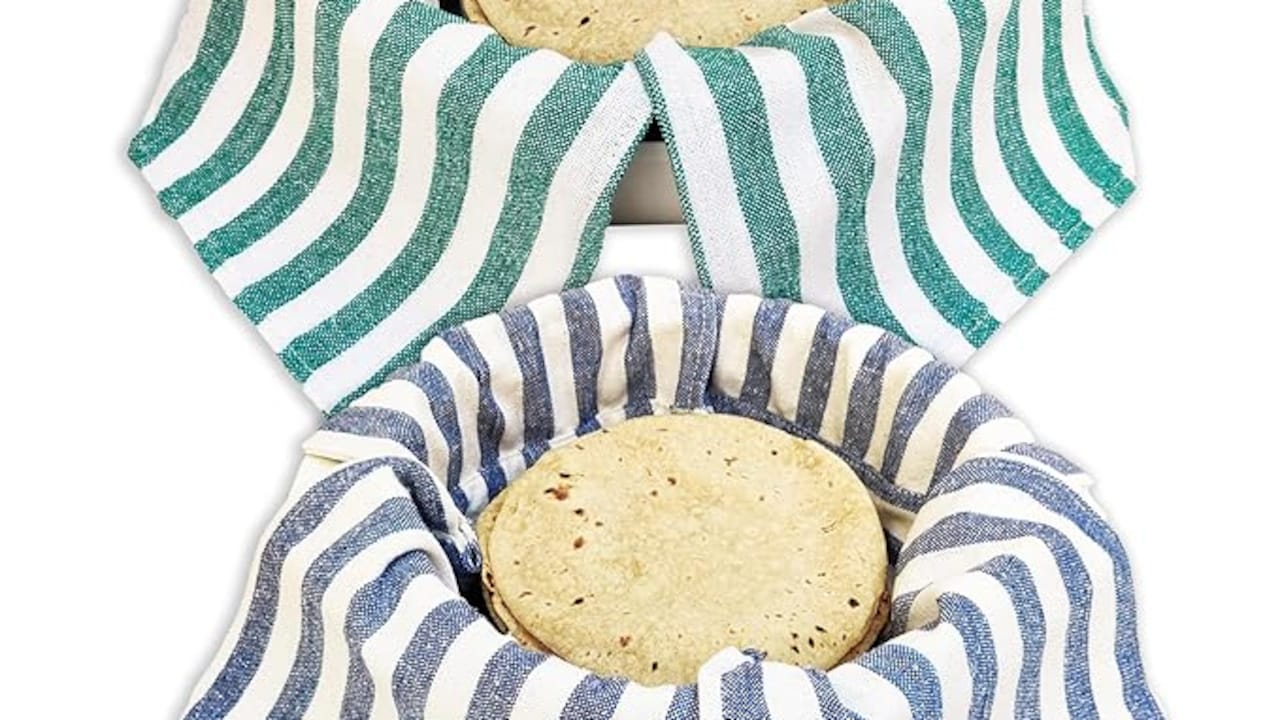
Some rotis are taken straight off the tawa and left open to the air. Warm rotis release steam, and when that moisture escapes, they lose softness. Locking the steam is crucial. The simplest way: trap it using a roti cloth or an airtight dabba immediately after cooking.
A soft cotton cloth gently absorbs surface moisture without drying the roti. It creates a cosy environment, allowing steam to circulate instead of escaping. Think of it like covering hot rice; the steam returns and keeps every grain tender. Rotis need the same respect.
Many restaurants achieve cloud-like softness purely by trapping steam right away. A few seconds of care after cooking can keep rotis supple till mealtime.
6. Storing in a Poor-Quality Cloth or Container
A thin or synthetic cloth fails miserably at maintaining moisture. Poor cloth turns rotis soggy or dry. Some storage boxes trap too much heat and make them sticky. Others let air escape, drying them prematurely.
The perfect roti cloth is soft, breathable, and usually 100% cotton or mulmul. It balances moisture, letting the roti stay warm without becoming wet. When placed in a tiffin or casserole wrapped in such cloth, the roti feels soft hours later, almost like it just came from the tawa.
Investing in a good cloth costs barely ₹60–₹150, yet it saves the entire meal experience. A tiny kitchen item quietly decides whether dinner feels comforting or disappointing.
7. Old or Low-Quality Flour
Fresh flour yields softer rotis because it holds more natural oils and moisture. Old flour becomes drier and loses its elasticity. Some households store atta for too long in humid conditions or exposed to air, which ruins its quality.
Good flour smells slightly nutty, looks warm beige, and forms a soft dough with minimal effort. If the flour needs too much water, it may not retain moisture for long. Storing atta in airtight steel containers or well-sealed jars keeps it fresh longer.
It's easy to blame cooking methods, but sometimes the issue begins at the store. Quality flour nurtures the softness from step one.
8. Not Adding Fat at the Right Time
Using ghee or oil helps retain moisture, but timing matters. Adding a little fat toward the end of kneading traps hydration inside. However, if too much is added early, the dough becomes slippery and won't puff well.
Some families brush the roti lightly with ghee after cooking. It forms a protective seal, preventing dryness. Whether using ghee or oil, it's about gentle usage. Think of it like moisturising skin, too little leaves it dry, too much blocks pores.
A dollop of fat doesn't make rotis indulgent; it makes them thoughtful. Even budget-friendly sunflower oil works if used wisely.
9. Overcooking or Pressing Too Hard While Puffing
Pressing the roti repeatedly while trying to puff it flattens the layers and squeezes moisture out. Overcooking it makes it crisp, like a papad halfway through its transformation. The goal is not to brown the roti excessively but to heat it just long enough to cook through.
Lighter rotis cook better. Over-pressing while rolling or cooking toughens them. Let the steam inside do its job; puffing happens more through heat and resting dough than physical pressure.
A roti shouldn't be bullied on the tawa. Treat it gently, and it rewards you with softness.
10. Using the Wrong Roti Cloth
A roti cloth isn't merely a covering; it's a moisture manager. Thick towels trap too much heat, making rotis rubbery. Thin, synthetic cloths dry them out. The best cloth feels soft, breathable, and lightweight. Cotton or mulmul draws minimal moisture away, just enough to prevent sogginess.
The cloth must remain clean and sun-dried regularly. A slightly warm cloth before storing rotis enhances softness. It becomes like a snug blanket, not too heavy, not too airy.
This humble item doesn't shout for attention, yet it has a strong say over how your rotis turn out. One good cloth can transform everyday meals.
How To Keep Rotis Soft All Day: 7 Mistakes And The Power Of A Roti Cloth
Photo Credit: Amazon
Products Related To This Article
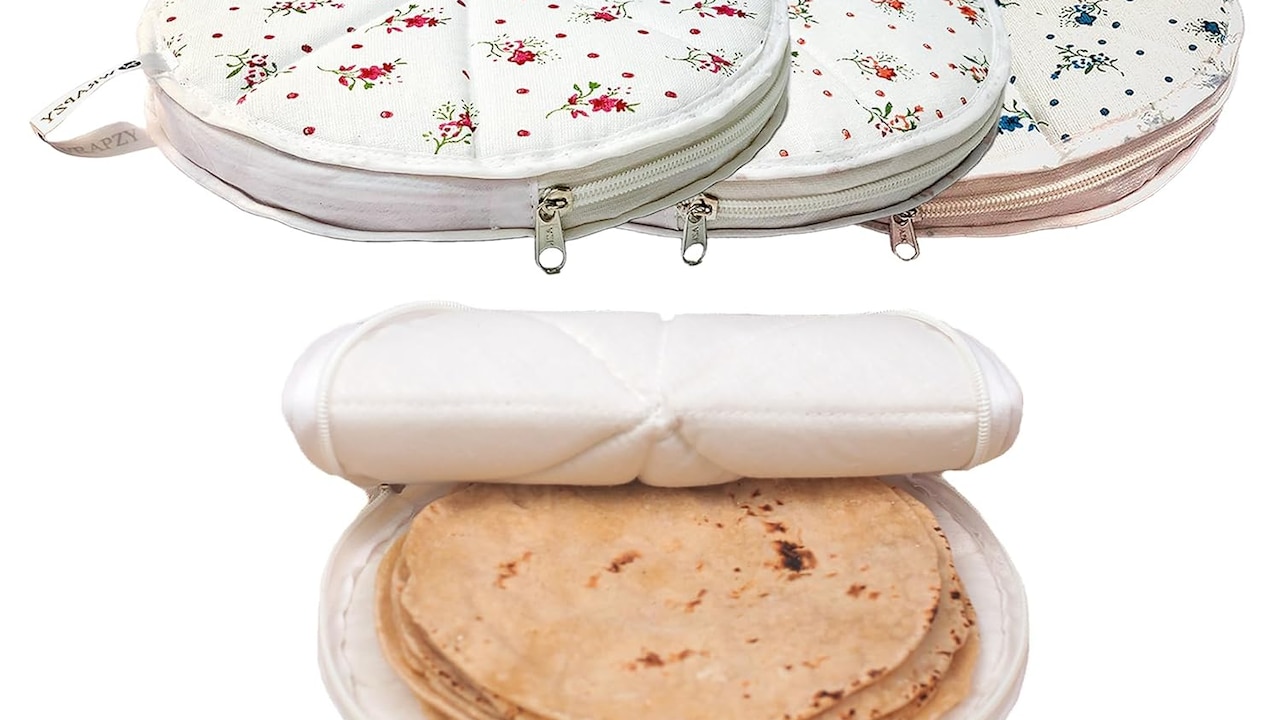
1. Cotton Roti Cover with Zip
2. 2 Pieces Cotton Double Layer Roti Wrap With Flaps
3. Beddify Set of 4 Roti Chapati Cover 100% Cotton Traditional Roti Rumals Tortilla Covers
4. Kuber Industries (Pack of 3) Roti Cover
5. Set of 4 Roti Chapati Covers
Soft rotis aren't about fancy techniques or expensive ingredients. They're about understanding balance, of dough, heat, moisture, and storage. The kitchen is full of small heroes. The roti cloth is one of them. It keeps warmth tucked in, preserves steam, and works silently in every tiffin, serving bowl, and dinner plate.
Next time someone compliments the softness of your rotis, let the dough rest, monitor the flame, handle the roti gently, and wrap it in the right cloth. You'll find that everyday meals can feel a touch more comforting, one soft roti at a time.
(Disclaimer: This article may include references to or features of products and services made available through affiliate marketing campaigns. NDTV Convergence Limited (“NDTV”) strives to maintain editorial independence while participating in such campaigns. NDTV does not assume responsibility for the performance or claims of any featured products or services.)