How To Keep Your Baby Safe From Infections During Monsoon
Worried about your little one catching a bug this rainy season? Here is a practical, stress-free guide to protecting your baby from seasonal germs, pesky mosquitoes, and tummy troubles.

How To Keep Your Baby Safe From Infections During Monsoon
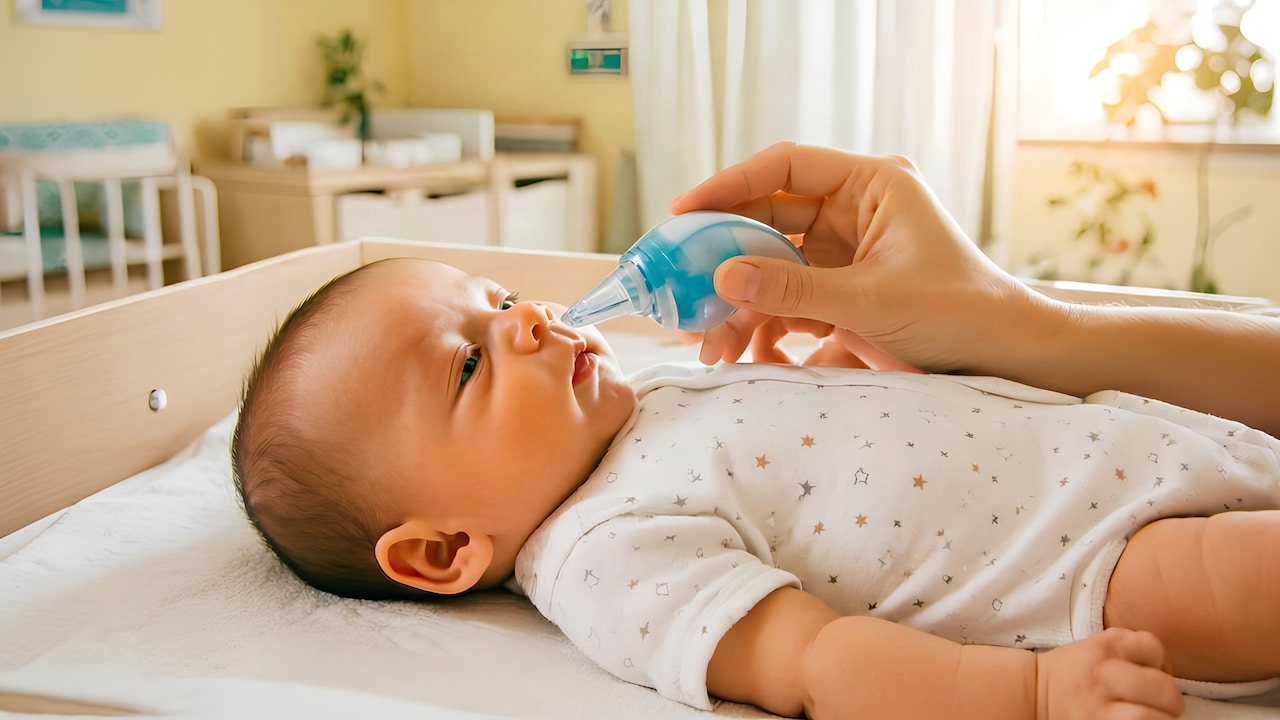
There is nothing quite like that feeling of relief when monsoon showers finally arrive after a scorching summer. The cool breeze and fresh air feel amazing, but for parents of infants, this kind of beautiful weather can also bring a whole new set of concerns. Damp weather, soaked clothes, swarms of mosquitoes, and water contamination often become immediate concerns as soon as the rains begin.

Protect your little one from pesky mosquitoes and sudden stomach bugs during the rainy season.
Photo Credit: iStock
An infant's developing immune system means that even a minor bug can quickly escalate into a stressful situation for the entire family. But here is the good news: keeping your tiny human safe doesn't mean you need a complicated, high-stress routine. Making a few mindful adjustments to your daily life can have a significant impact.
So, what should you focus on when the downpour starts? From smart feeding habits and quick hygiene hacks to proper clothing and mosquito defence, here is your ultimate checklist for keeping your baby healthy and happy this season.
Why Do Babies Catch Bugs So Easily During The Monsoon?
The rainy season creates an ideal environment for the proliferation of bacteria, viruses, fungi, and mosquitoes. When you mix high humidity with stagnant water, damp fabrics, and easily contaminated food, you get an environment where germs multiply rapidly.
Babies are particularly vulnerable because their bodies are still building up immunity. On top of that, their ultra-sensitive skin reacts quickly to moisture, making them prone to sweat rashes, fungal issues, and general irritation.
This doesn't mean you have to lock your baby indoors until autumn. However, understanding the specific risks enables you to implement simple preventive measures before any issues arise. After all, preventing an illness is always much easier than managing a fussy, sick infant.
Smart Hygiene Habits That Keep Germs At Bay
When humidity climbs, bacteria and mould can grow on surfaces and fabrics much faster than usual. This is why maintaining cleanliness is your most effective defence against monsoon illnesses.
Step 1: Make Handwashing a Family Rule
Always scrub your hands thoroughly with soap and water before you feed your baby, prep their meals, change a diaper, or grab their toys. Make sure anyone else who wants to hold the baby does the same, especially right after they walk through the front door.
Step 2: Sanitise the Heavy-Rotation Items
Think about everything your baby puts in their mouth: pacifiers, teething rings, bottles, bowls, and favourite toys. Give these items a regular, thorough cleaning, as they can easily harbour germs during the damp months.
Step 3: Keep Your Home Dry and Airy
Musty corners, damp doormats, and trapped air are open invitations for mould growth. Throw open the windows whenever the weather clears up to let fresh air circulate, and double-check that your baby's crib sheets, blankets, and onesies are completely bone-dry before using them.
Keeping Food and Water Safe When It's Pouring Outside
A huge chunk of seasonal illnesses start in the kitchen. Tummy bugs, diarrhoea, and painful gas are incredibly common during the rains, which means extra care is needed with whatever goes into your little one's stomach.
If you are exclusively breastfeeding, keep it up! Breast milk is packed with natural antibodies that give your baby's immune system a major boost. If you rely on formula, make sure you are always using water that has been thoroughly boiled and then cooled down.
For babies who have transitioned to solid foods, stick to freshly made meals instead of offering leftovers. Give all fruits and veggies a rigorous wash before cooking or slicing them. While it may seem straightforward, closely monitoring food preparation is crucial in preventing unpleasant stomach infections.
How to Outsmart Mosquitoes This Season
Mosquitoes are easily the biggest headache of the rainy season. With the monsoon comes an influx of standing water, which triggers a spike in mosquito-borne illnesses like dengue, malaria, and chikungunya.
1. Hunt Down Standing Water
Take a quick walk around your home. Check plant saucers, balconies, empty buckets, and AC coolers. Empty any water you find, because even a tiny puddle is an ideal breeding ground for mosquitoes.
2. Set Up a Sleeping Net
Using a secure net over your baby's crib or stroller is a game-changer, especially during naps and nighttime sleep when they are completely still and vulnerable to bites.
3. Choose Safe, Gentle Repellents
Many parents rely on patches and fabric roll-ons to effectively repel insects. Just be sure to read the packaging carefully to ensure the product is completely safe for your baby's specific age group.
The Best Way to Dress Your Baby in Humid Weather
Getting the right outfit is really about some kind of balance between keeping your baby feeling cosy and, at the same time, preventing skin irritation. And humid days can be tricky, like the air feels sticky, so you have to think a bit more than usual.
1. Go for light cotton clothes
Soft cotton clothes are usually the best pick when it's humid, because they help air move around, and they also help soak up sweat.
2. Choose breathable fabrics
Try to avoid thick materials, and also skip the overly synthetic stuff. Breathable fabrics help your baby stay cool and comfortable most of the day.
3. Swap damp clothes fast
If your baby's clothes get sweaty, or even damp, change them right away. This helps prevent skin irritation and also keeps your baby comfortable.
4. Don't pile on too many layers
Putting your baby into a bunch of layers can cause overheating and extra sweating, which might bring on heat rashes, or that kind of prickly problem.
5. Use cotton socks when needed
When it's a bit cooler, or there's a breezy rainy spell, a simple pair of cotton socks is often enough. It keeps things warm without making them too hot.

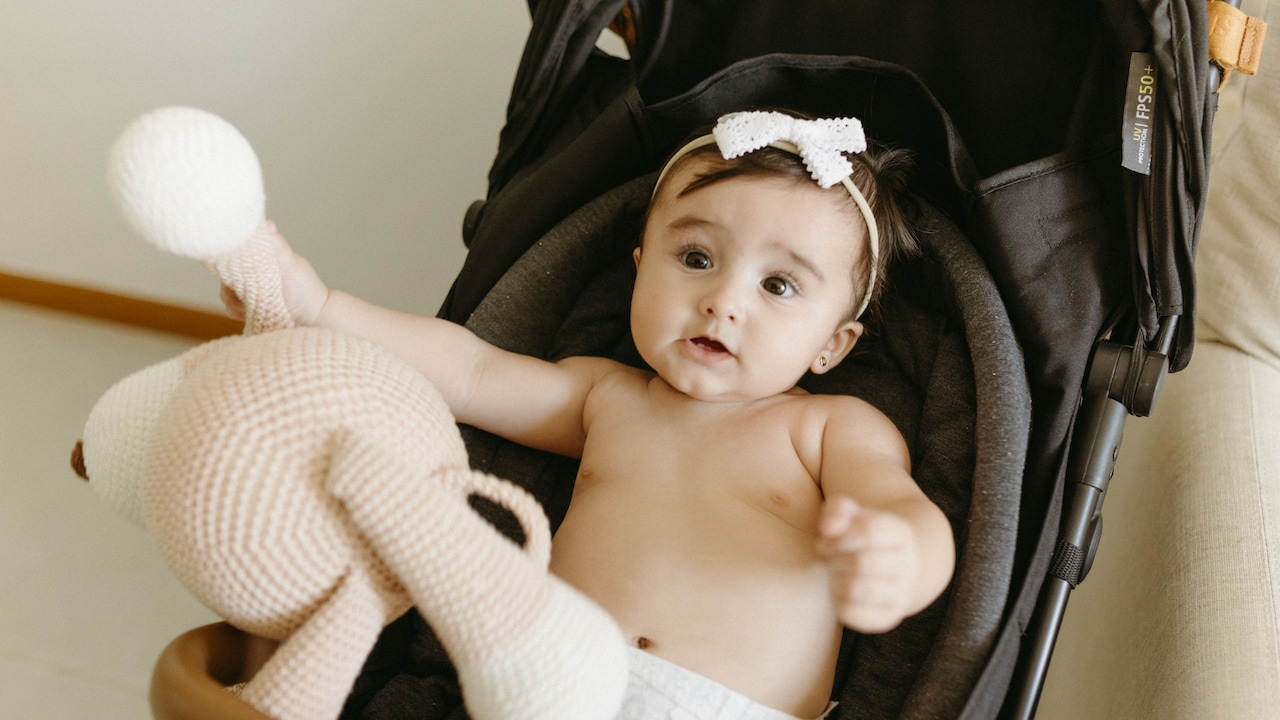
Discover stress-free tips to shield your infant from common monsoon infections and health troubles.
Photo Credit: iStock
Some Baby Care Products You May Like
1. Mother Sparsh 99% Pure Water Unscented Baby Wipes
2. Mother Sparsh Natural Insect Repellent Spray For Babies
3. Mother Sparsh 100% All Natural Mosquito Repellent Patches
4. Johnson's Baby Top-To-Toe Baby Bath
5. Himalaya Botanique Baby Wash & Shampoo
6. Chicco Baby Moments Gentle Body Wash
7. Mee Mee Baby Liquid Detergent
8. LuvLap Baby Bed with Thick Mattress, Mosquito Net
In conclusion, keeping your baby safe from infections during the monsoon is all about maintaining cleanliness, ensuring proper hygiene, and creating a healthy environment at home. Simple steps like frequent handwashing, keeping your baby dry, using clean clothing, and avoiding crowded or damp places can make a big difference. By staying cautious and attentive, you can help protect your little one from seasonal infections and ensure they stay happy, comfortable, and healthy throughout the rainy season.
Frequently Asked Questions (FAQs)
1. Do babies get sick more often when it rains?
Yes, they do. The combination of high humidity, rapid bacterial growth, damp surfaces, and the typical increase in mosquitoes can naturally elevate the risk of seasonal infections.
2. What's the safest way to protect my infant from mosquito bites?
Your safest choices are physical barriers and mosquito nets first. Also remove any standing water around the home, and then, if needed, use age-appropriate baby-safe repellents. That combination usually works best.
3. Can I still give my baby a bath every day during the monsoon?
Yes, absolutely. Daily bathing helps the baby quite a bit with skin cleanliness, and it can also lower the chances of a few skin problems. Just be certain you pat them dry really well with a soft towel right after, and then put them into clothes that are totally dry.
4. Are there particular foods I should avoid giving my baby right now?
Avoid anything stale, any food that's been left out, or meals that were prepared in not-so-clean conditions. Go with warm, freshly prepared meals for better protection.
5. When do I stop “waiting it out” and actually call the paediatrician?
Don't delay calling your doctor if your baby has a fever, starts vomiting or diarrhoea, has trouble breathing, refuses to eat, or looks unusually weak, sleepy, or just “not themselves” in a way that worries you.
(Disclaimer: This article may include references to or features of products and services made available through affiliate marketing campaigns. NDTV Convergence Limited (“NDTV”) strives to maintain editorial independence while participating in such campaigns. NDTV does not assume responsibility for the performance or claims of any featured products or services.)




![Steam Iron Teflon Shoe Cover for ES-300,ST-96 [Only For ES-300 and ST-96 Model Electric Steam Irons]](https://m.media-amazon.com/images/I/51wwkttondL._SL160_.jpg)