How To Light Your Face For Perfect Makeup At Home
Want flawless makeup every time? Learn how to light your face properly at home with simple tips that make a real difference to your finish and results.
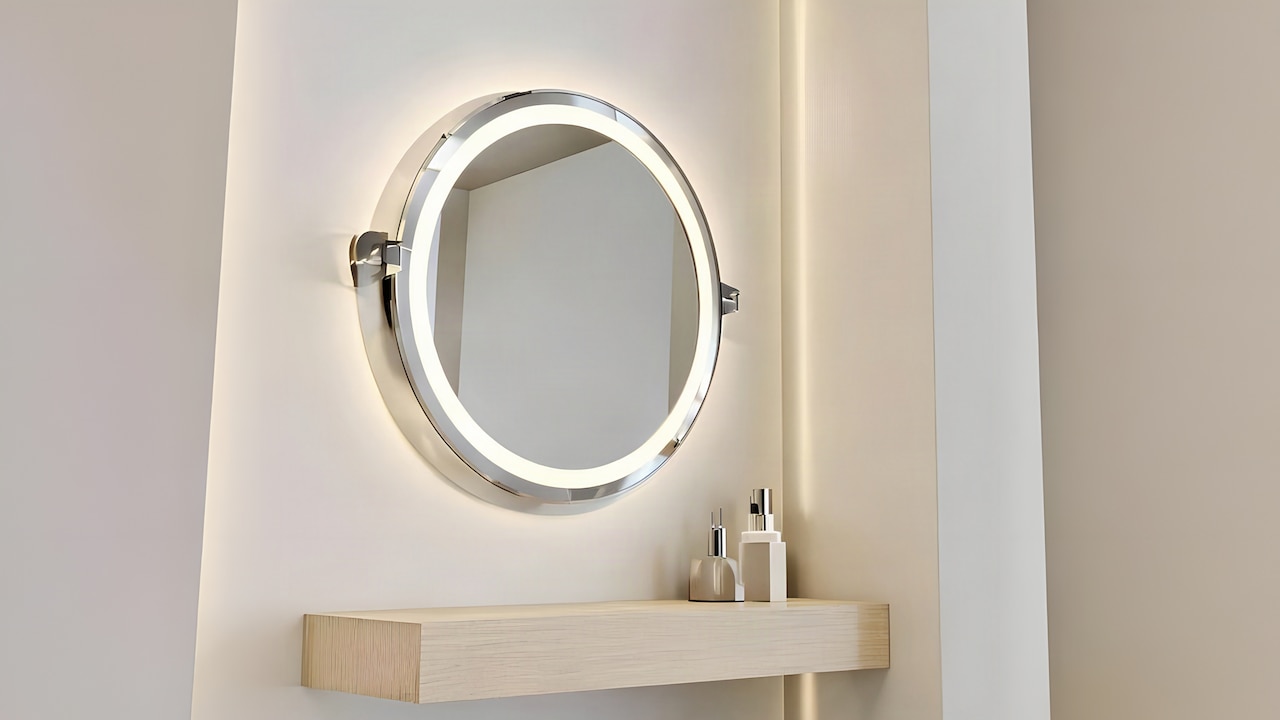
Here's how to get the best lighting for makeup
Getting your lighting nailed down before you even open a makeup product can entirely change how your finished look turns out. Most makeup failures patchy foundation, unblended contour, uneven brows come from bad lighting, not bad technique. Whether you're a total newbie or have been doing your makeup for years, understanding light can really change your results. Myntra has a plethora of beauty tools and accessories to accompany your proper lighting setup and make your at-home routine feel much more intentional and polished.
Why Lighting Matters More Than You Think
Photo Credit: iStock
The good news is you don't need a professional vanity or ring light to get this right. You'd be surprised how a few smart changes to the space you already have — where you sit, what you face and how the light hits your skin can make a big difference. A little thing that makes everything better, without anybody noticing.
Also Read: Explore 5 Best-Selling Geysers For The Winter Season
Why Lighting Matters More Than You Think
1. The Link Between Light and Makeup Accuracy
The uneven light on your face casts shadows and highlights, distorting your perception of your skin. You may have blended your base perfectly, but once you go outside, you may see streaks, lines or patches that you couldn't see at home. The right lighting shows your skin tone properly, so what you put on looks like how you're going to look in the real world.
2. How Bad Lighting Creates Makeup Mistakes
One of the most common culprits is overhead lighting. It casts shadows under the nose, the eyes and the chin – the most accurate application required. Warm-toned bulbs can hide redness or discolouration so it's deceptively simple to over-correct or completely miss it. Even a bright bathroom mirror light sitting above your head instead of next to your face can lead to blending mistakes you won't catch until you're out the door.
The Best Natural Light Setup For Makeup At Home
1. Position Yourself Facing A Window
The best light source for applying makeup is still natural light from a window, especially during the day. Make sure the window is in front of your face, not to the side or behind you. Side lighting creates directional shadows; backlighting makes it hard to read your features. If you face the window, the light will be soft and even across your face.
2. What Time Of Day Works Best
The most balanced natural light is generally mid-morning to early afternoon. The early morning light can have too much blue in it; the light of the late afternoon is golden and warm, and its hue changes the way your skin looks. Overcast days are the best, really – the cloud cover spreads the light evenly, so you have a constant base to work with, like studio lighting but without any equipment.
Artificial Lighting Options That Actually Work
1. Why Ring Lights Are Worth Considering
Ring lights are a popular choice for good reason. They give you even, circular light that rings your face without any harsh shadows. Place a ring light a few feet away at eye level, and you get one of the closest substitutes to natural window light. Opt for one with an adjustable colour temperature so you can toggle between warm and cool tones, depending on the look you want
2. Choosing The Right Bulb Colour Temperature
Colour temperature is measured in Kelvin (K), and it's important. Bulbs between 5000K and 6500K emit a cool, daylight-balanced light that most closely approximates natural sunlight—ideal for applying makeup. Anything too warm (under 3000K) adds a yellow cast; anything too cool and blue can make it hard to judge warmth in foundation. If you're using standard bulbs, a daylight-balanced option is an effortless and affordable upgrade.
3. Using Multiple Light Sources To Eliminate Shadows
Even the best single light source will almost always cast some shadow. The fix is simple — add a second, softer light source from the other side. This doesn't have to be anything fancy; even a white desk lamp with a daylight bulb placed on the opposite side of your ring light or window can help balance out shadows around the nose, jaw and eye area considerably.
Small Setup Tweaks That Make A Noticeable Difference
1. Mirror Placement And Height
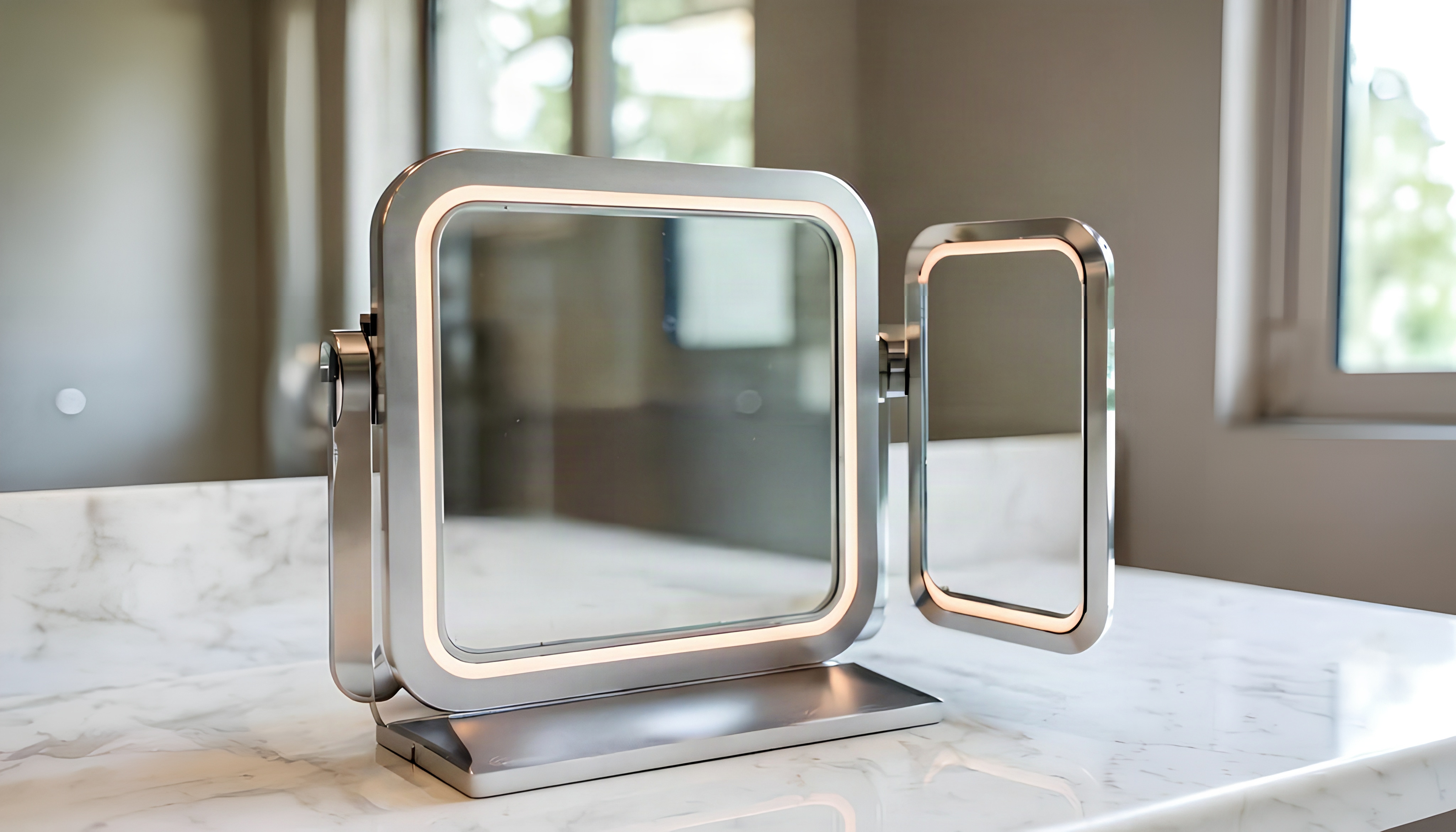
Your mirror should be at eye level or a bit higher. Looking up or down at a mirror alters the angle of light on your face, and features look different than they do straight on. If you are using a tabletop mirror, place a stand or some books underneath it until your face is exactly centred at eye level and you do not have to tilt your head.
2. What To Wear And Avoid While Doing Makeup
Brightly or heavily patterned clothing can cast unexpected colour on your face and subtly change how you see your skin tone. A simple way to eliminate that variable is to wear plain, neutral coloured clothing, especially white or grey. That may sound small, but when you're trying to match your foundation or judge how well you've applied your blush, the colours around you really do affect your perception more than most people realise.
Some Products You May Like
Photo Credit: iStock
Some Products You May Like
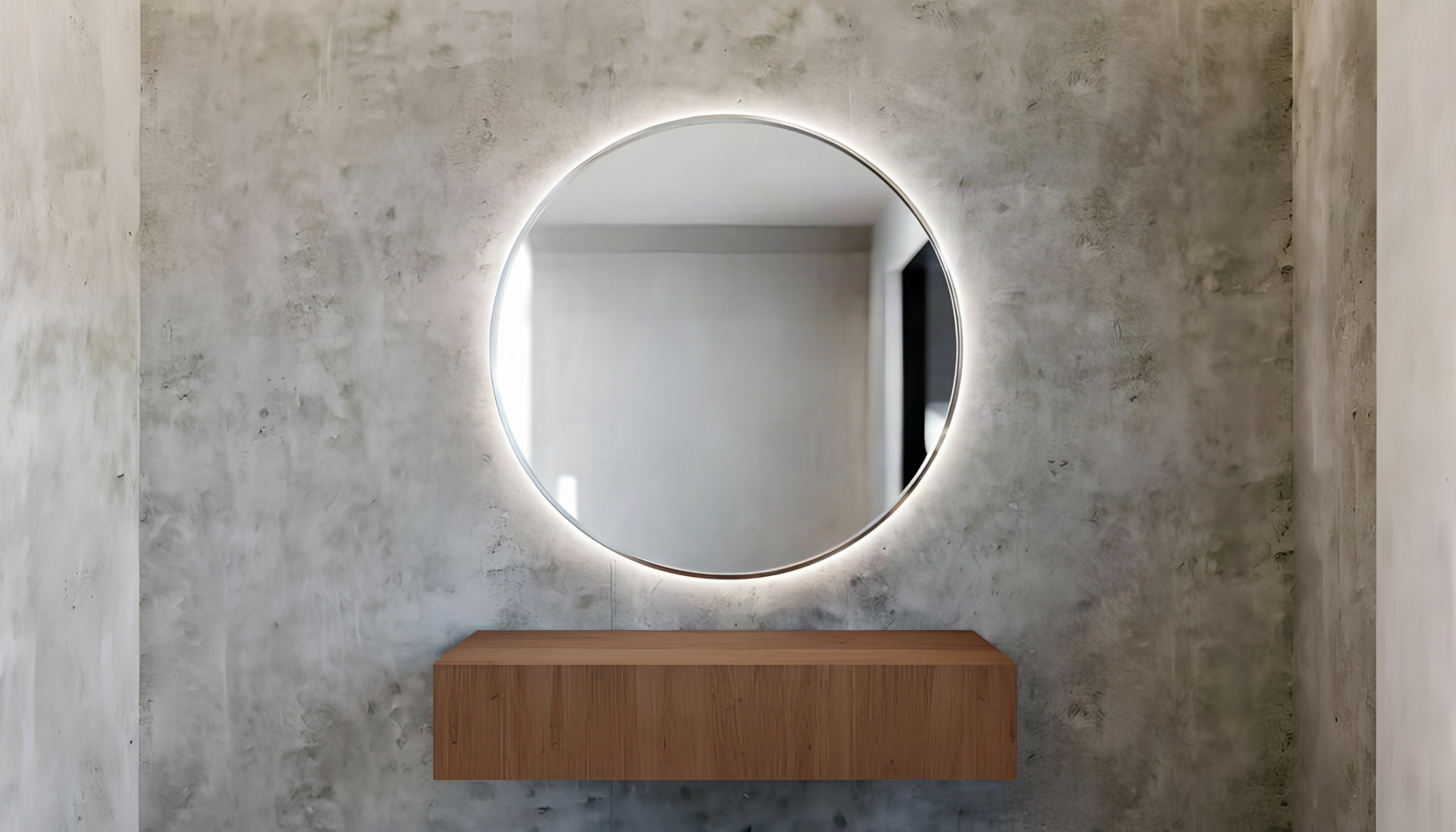
1. MAJESTIQUE Premium Textured Handle 1X/10X Magnifying Makeup Mirror
2. SKINCE Rechargeable LED Pocket Mirror
3. LUPPRA Glass Rectangle-Shaped Mounted LED Wall Mirror
4. beurer White BS 49 Round Floor Mount Standing Mirror With Bright LED Light
5. Home Centre White Single-Sided LED Table Mirror
6. LUPPRA White LED Glass Wall Mirror
7. MAJESTIQUE Handheld Cosmetic Vanity Mirror with Handle for Travel
8. Home Centre Silver-Toned Solid Double Vanity Mirror With LED Light
Frequently Asked Questions (FAQs)
1. Is natural light always better than artificial light for makeup?
Natural light from a window is usually the most accurate, but a good daylight-balanced ring light or bulb can be just as effective – especially on overcast days or in the evening.
2. Where should a ring light be positioned for makeup?
An arm's length away, right in front of your face, roughly level with your eyes. It spreads the light evenly and minimises shadows on your features.
3. Can overhead bathroom lighting work for makeup?
It can but is by no means ideal. Downward shadows from overhead lighting. If this approach is all you can do, you can balance it out significantly by adding a secondary light source at face level on either side.
4. Does lighting affect how foundation looks?
Yes, immensely. The wrong lighting can make a matching shade look too warm, too cool or just not blended. When you apply foundation in daylight-balanced light, you get a much more accurate result.
5. What's the easiest lighting upgrade for a home setup?
One of the easiest and most affordable upgrades is to swap out the overhead or desk bulbs for daylight-balanced bulbs (around 5000K–6500K). You can immediately tell the difference in the accuracy of the makeup.
(Disclaimer: This article may include references to or features of products and services made available through affiliate marketing campaigns. NDTV Convergence Limited (“NDTV”) strives to maintain editorial independence while participating in such campaigns. NDTV does not assume responsibility for the performance or claims of any featured products or services.)